As limited edition book culture thrives, a backlash over digital signatures reveals just how much readers romanticise the labour of writing, and how little we understand the cost of it.
In the age of sprayed edges, holographic foils, and TikTok-viral “exclusive editions,” a book is no longer just something you read; it’s also something you own, display, and treasure. However, a new controversy has ignited debate across BookTok and Reddit, and it doesn’t revolve around a plot twist or a problematic trope. Instead, it concerns a signature, or, more specifically, the absence of a “real” one.
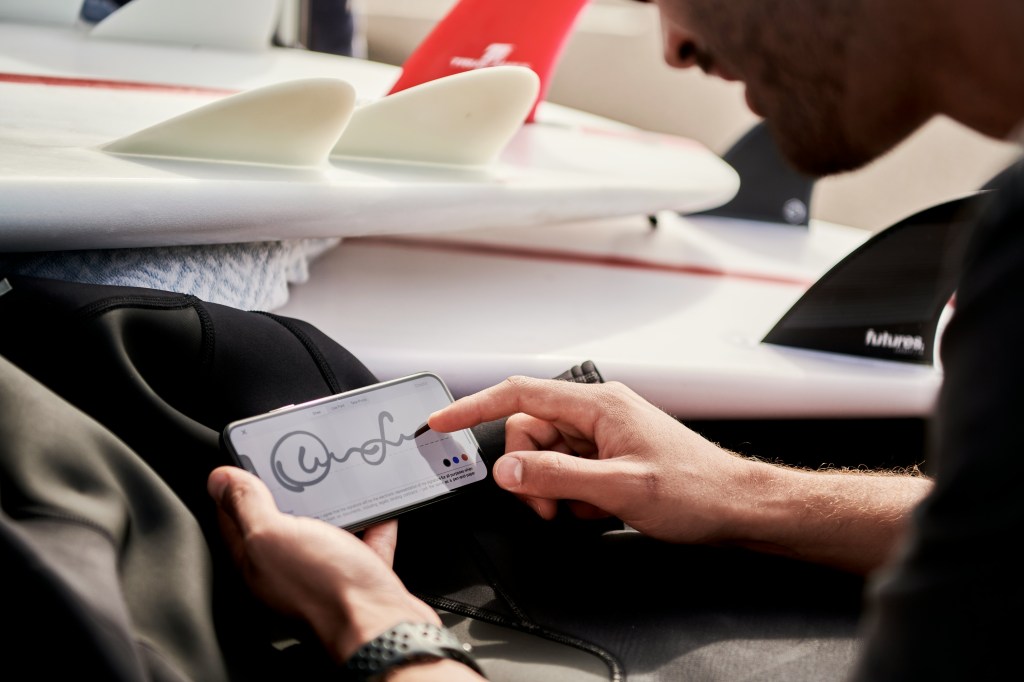
An increasing number of publishers and book subscription boxes are utilizing digital signatures. These are high-quality reproductions of an author’s handwritten autograph, printed directly into the book. For some readers, this approach seems like a sensible compromise. For others, it feels like a betrayal of authenticity.
The reactions have been loud, emotional, and, in some instances, surprisingly harsh.
“If It’s Not Hand-Signed, It’s Not Worth It”
Across social media, opinions are clear and sharp:
“It’s not real.”
“I paid for a signature, not a print.”
“I feel scammed.”
However, beneath these complaints lies a more uncomfortable truth that addresses not only the publishing industry but also how we treat creators in general. Authors are people, not machines. For many of them, hand-signing thousands of books isn’t just a charming personal touch; it’s physically exhausting and can even be harmful.
The Hidden Labour Behind the Page
It’s easy to picture an author warmly signing books in a cozy corner, sipping tea, and using a felt-tip pen. However, in reality, signing sessions can stretch on for hours. Authors often experience hand cramps, flare-ups of tendonitis, and even nerve damage after marathon signings.
For disabled writers or those living with chronic illnesses or fatigue, signing 5,000 bookplates can be not just challenging, but impossible. An alternative to this is digital signatures, which allow authors to contribute to special editions without compromising their health, time, or ability to write.
Digital signatures are not shortcuts; they are essential survival tools.
Ableism in Aesthetic Culture
The conversation shifts here. When readers claim that only physically signed books are “real,” they are making a value judgment not only about the object itself but also about the body that created it. This attitude is a form of ableism, even if it’s unintentional.
Such a purity standard suggests that authors must engage in physical labor to earn legitimacy. This mentality reinforces an industry that quietly expects creators to sacrifice their health and comfort for the sake of collectible culture. It also implies that authors who are unable to participate physically are somehow less worthy.
BookTok is filled with calls to support marginalized voices, but that support must go deeper than surface-level gestures. If we truly care about inclusivity, we need to be mindful of how we treat the individuals behind the books.
A Personal Realisation
I’ll admit it: I used to chase signed copies like they were treasures. That signature on the title page felt like a little whisper from the author, a sign that the book had passed through their hands.
However, when I saw an author post about icing their wrist between batches of 500 signatures, something shifted for me. What I had always viewed as a bonus suddenly appeared to be a burden.
That moment changed my perspective. I realized that my desire for authenticity shouldn’t come at someone else’s expense, especially not for someone whose job is already more demanding than most people understand.
Collector Culture and Capitalism
This backlash isn’t really about ink; it’s about value and who gets to determine it.
In today’s book market, collector culture is driven by scarcity. Special editions are hyped months in advance, sell out in minutes, and are resold for hundreds of dollars. In this context, a signature isn’t just sentimental, it’s a form of currency. A signed book is perceived as more “valuable” than an unsigned one, while digital signatures occupy a strange middle ground: they are approved and personal but not rare enough.
This issue isn’t about readers being greedy; it’s about how capitalism gamifies our love for books, transforming appreciation into acquisition. We need to ask ourselves: if our enthusiasm fuels a system that exploits creators, what exactly are we collecting?
So What Is a Signature Really Worth?
It’s time to rethink what a signature really means. Is it about the physical act of writing with a pen, or is it about the intent behind it?
Most digital signatures originate from a hand-drawn version that is scanned and formatted for use, with the author’s approval. It is still their mark and represents a moment of connection, facilitated by technology and accessibility rather than by physical stress.
The signature is real; it’s our expectations that we need to question.
Let’s Be Honest With Each Other
Clarity is essential. If a publisher offers a “signed” edition without specifying that the signature is digital, readers have every right to be frustrated. Transparency should be the standard.
However, that transparency should foster empathy rather than entitlement. Digital signatures do not diminish the value of books; rather, unreasonable demands undermine the value of authors.
Final Thoughts
A digital signature is not a lesser form of signing; it is a genuine solution to a significant problem. Rather than holding on to outdated ideas about authenticity, we should embrace a more compassionate publishing culture, one that values both the minds and bodies of its authors as much as their work.
If we truly love books, we must also love the people who write them. This means supporting solutions that protect their well-being, even if it involves moving away from traditional methods like using ink on a page.
 Minnie's Fiction Addiction
Leave a comment