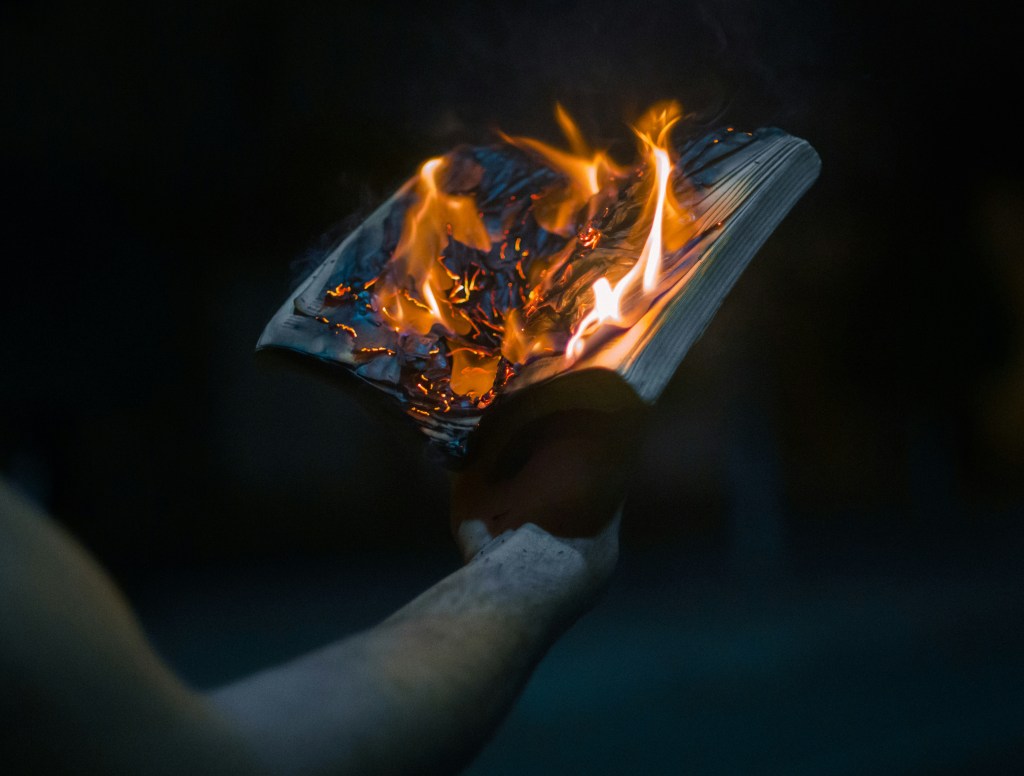
Every October, Banned Books Week reminds us why the freedom to read matters. Across schools and libraries, books have been challenged, sometimes for difficult themes, sometimes for daring to question norms. Yet these very stories often become the ones that open our hearts, challenge our thinking, and make us better humans.
This week, let’s celebrate the books that have been pushed aside yet still speak loudly. Here are some incredible banned or challenged reads to add to your TBR, complete with content notes so you can choose what’s right for you.
🔥 The Handmaid’s Tale — Margaret Atwood
Why it’s banned: Sexual content, depictions of oppression, religious and political critique.
What it’s about: In the Republic of Gilead, fertile women (Handmaids) are forced to bear children for the ruling elite. Offred, one such woman, quietly resists while clinging to fragments of her past life.
Content notes: Sexual assault, forced pregnancy, violence, totalitarian oppression, misogyny.
Why you should read it: Atwood’s dystopia feels terrifyingly relevant, a stark reminder of how quickly freedoms can erode.
🔥 To Kill a Mockingbird — Harper Lee
Why it’s banned: Use of racial slurs, depiction of racism and injustice.
What it’s about: Scout Finch grows up in the segregated South, witnessing her father, lawyer Atticus Finch, defend a Black man wrongly accused of assault.
Content notes: Racism, racial slurs, false accusation, courtroom injustice.
Why you should read it: Heartbreaking yet hopeful, it’s a timeless call for empathy and moral courage.
🔥 The Hate U Give — Angie Thomas
Why it’s banned: Strong language, discussion of police brutality and race.
What it’s about: Starr Carter witnesses her best friend shot by police, catapulting her into activism while she wrestles with identity and community.
Content notes: Police brutality, racism, gun violence, grief.
Why you should read it: Raw and real, this modern YA classic explores what it means to find your voice against injustice.
🔥 1984 — George Orwell
Why it’s banned: Political themes, sexual content, “anti-government” ideas.
What it’s about: Winston Smith quietly rebels against Big Brother’s oppressive regime, where truth itself is manipulated.
Content notes: Psychological manipulation, totalitarianism, torture, surveillance.
Why you should read it: Still chillingly relevant, Orwell foresaw the dangers of unchecked power and distorted truth.
🔥 The Bluest Eye — Toni Morrison
Why it’s banned: Sexual abuse, racism, challenging content about identity.
What it’s about: Pecola Breedlove, a young Black girl, prays for blue eyes, believing they’ll make her beautiful and loved in a racist world.
Content notes: Racism, sexual assault, child abuse, trauma, internalized shame.
Why you should read it: Morrison’s prose is heartbreaking and profound, asking us to confront beauty standards, race, and worth.
🔥 The Catcher in the Rye — J.D. Salinger
Why it’s banned: Profanity, sexual references, “rebellious attitude.”
What it’s about: Disillusioned teen Holden Caulfield narrates a few aimless days in New York City after being expelled from school.
Content notes: Depression, suicidal ideation, grief, profanity.
Why you should read it: A raw, iconic coming-of-age story about alienation and identity.
🔥 Beloved — Toni Morrison
Why it’s banned: Violence, sexual assault, and slavery’s traumatic legacy.
What it’s about: Sethe, a formerly enslaved woman, is haunted by the past, and by the ghost of the daughter she lost.
Content notes: Slavery, infanticide, sexual violence, trauma.
Why you should read it: Haunting and poetic, Morrison forces us to reckon with history’s darkest truths while showing the resilience of love.
🔥 Looking for Alaska — John Green
Why it’s banned: Sexual content, teen drinking, and smoking.
What it’s about: Miles “Pudge” Halter’s life changes at a boarding school when he meets the mysterious Alaska Young.
Content notes: Teen drinking, smoking, grief, suicide.
Why you should read it: Tender and bittersweet, it explores friendship, first love, and the messy questions of life and loss.
🔥 Speak — Laurie Halse Anderson
Why it’s banned: Depiction of sexual assault, “explicit” content.
What it’s about: After being assaulted, Melinda retreats into silence, struggling to reclaim her voice and identity.
Content notes: Sexual assault, trauma, depression, bullying.
Why you should read it: Quiet yet powerful, a lifeline for anyone who’s felt voiceless after trauma.
✨ Why Reading Banned Books Matters
When we read challenged books, we protect the right to hear hard truths, question power, and empathize with lives unlike our own. Censorship often tries to hide discomfort, but growth lives in discomfort.
Reading banned books isn’t rebellion for rebellion’s sake; it’s saying: I choose to think, to feel, and to decide for myself.
💬 Your Turn!
Have you read any of these? Which banned or challenged book changed how you think? Or which one do you want to pick up this week?
 Minnie's Fiction Addiction
Leave a comment