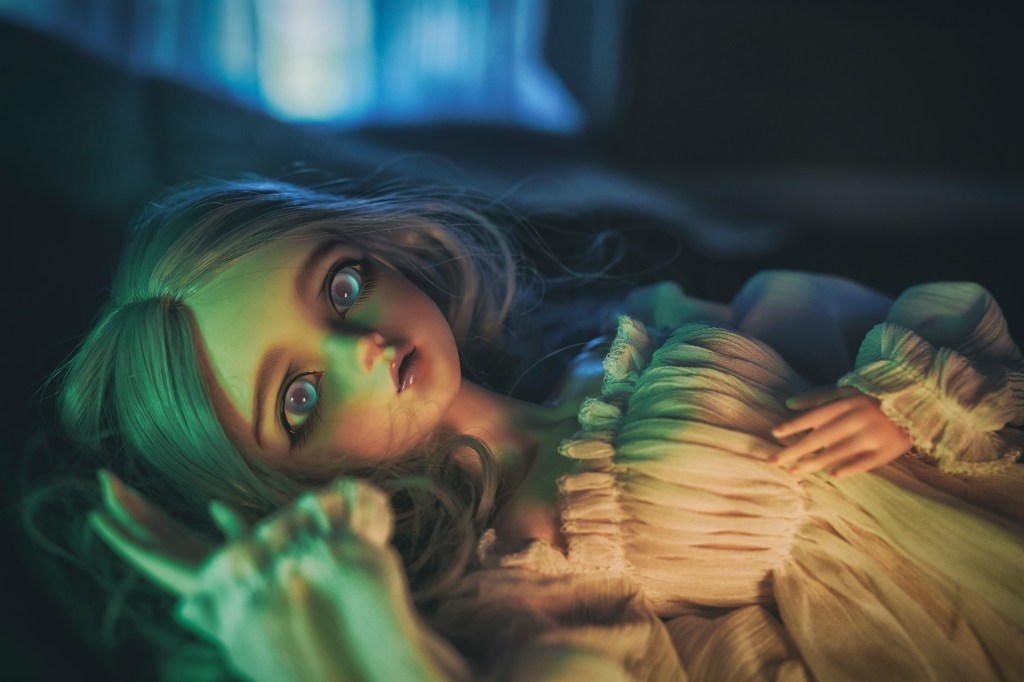
There’s something happening to my reading habits lately, and I’m not entirely sure when the shift began. Somewhere between finishing my last contemporary novel and browsing for something new, I found myself gravitating toward covers with darker palettes, blurbs promising dread, and stories designed to keep me up at night. I’m getting into horror fiction — and I’m loving every unsettling page of it.
For years, horror wasn’t really on my radar. I’d pick up the occasional thriller, sure, but full-blown horror? The kind that lingers in your mind when you turn off the lights? I always assumed it wasn’t for me. I think I had a narrow idea of what horror books actually were, gore, jump scares translated to the page, maybe some overwrought monster mythology. How wrong I was.
What drew me in was the realisation that horror, at its best, is one of the most emotionally honest genres out there. It doesn’t shy away from the things we’d rather not think about: grief, isolation, the slow unravelling of trust, the terror of losing control over your own mind. A good horror novel doesn’t just scare you it , unsettles you, and there’s a meaningful difference between the two.
I started, as many people do, with the classics. Shirley Jackson’s The Haunting of Hill House was a revelation. It’s less about a haunted house and more about a haunted person, and that distinction cracked the genre wide open for me. From there I moved on to more modern voices, writers who are doing extraordinary things with fear and atmosphere right now. Every book I finish seems to branch into three more recommendations, and my to-be-read pile is growing at a pace I can’t keep up with.
One thing that surprised me is how varied horror fiction is. There’s cosmic horror that makes you feel small against an indifferent universe. There’s quiet horror, where the dread creeps in so gradually you don’t notice until it’s wrapped around you completely. There’s folk horror rooted in landscape and tradition, body horror that interrogates our relationship with the physical self, and literary horror that blurs the line between genre fiction and something you might find on a prize longlist. The range is staggering, and I feel like I’ve barely scratched the surface.
I’ve also noticed that reading horror has changed the way I read everything else. I pay more attention to atmosphere now. I notice when an author is controlling pacing to build tension, or when a scene is structured to make you feel just slightly off-balance. Horror has made me a more attentive reader, and that’s a gift I didn’t expect.
If you’re curious about dipping your toes into the genre, my advice is simple: don’t start with whatever you think horror is supposed to be. Start with what interests you emotionally. If you’re drawn to family drama, there are horror novels built around fractured families. If you love a slow-burn mystery, there are horror books that will scratch that itch while adding a layer of genuine dread. The genre is far more welcoming than its reputation suggests.
I’ll be sharing more of my horror reading journey here as I go deeper into the genre — reviews, recommendations, and probably a few confessions about which books I had to read with the lights on. If you’ve been on a similar path, or if you’re a longtime horror reader with suggestions for a newcomer, I’d love to hear from you.
For now, though, I have a book waiting for me. The house is quiet, it’s getting dark outside, and honestly? That feels like exactly the right conditions.
 Minnie's Fiction Addiction
Leave a comment