
• 👀 First impressions:
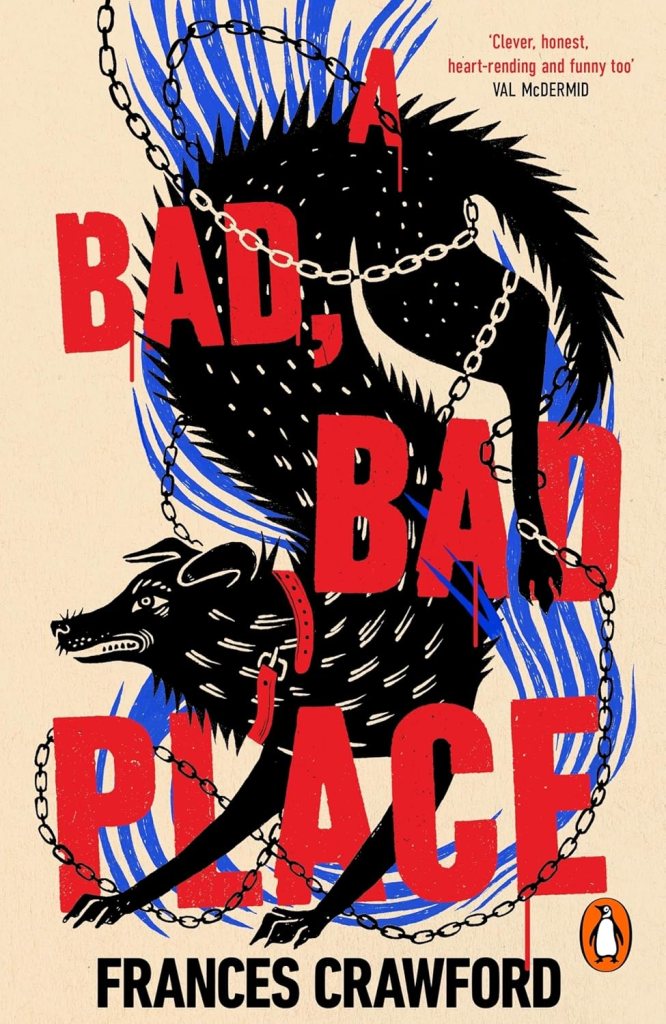
    Set in Glasgow in 1979, Bad, Bad Place immediately grounds itself in a gritty, close-knit community where everyone knows everyone and secrets don’t stay buried for long. Frances Crawford draws you in with a chilling premise and a strong emotional core, blending crime with a deeply personal story about family and fear.

    At the heart of the novel is twelve-year-old Janey, whose life is turned upside down after she discovers the body of a murdered woman near an abandoned railway line while walking her dog, Sid Vicious. After the incident, Janey claims she can’t remember what she saw, but the police aren’t convinced. As suspicion grows and rumours spread through Possilpark, Janey and her nana, Maggie, find themselves pulled into the centre of a murder investigation.

    But the danger doesn’t stop there. It becomes clear that the police aren’t the only ones interested in Janey’s memories. As tension builds, the story leans into a powerful question: is Janey truly unable to remember, or is she hiding something too frightening to face? With Maggie desperately trying to protect her granddaughter, the truth threatens to surface in ways that could change everything.

    ✅ What I Liked:
    The emotional depth of this story really stood out. The relationship between Janey and Maggie adds a layer of warmth and heartbreak that balances the darker elements of the plot. You genuinely feel the fear and desperation as Maggie tries to keep Janey safe in a world that suddenly feels hostile.

    The setting is another highlight. The depiction of 1970s Glasgow feels vivid and authentic, with the tight-knit community adding to the tension. The rumour mill, the suspicion, and the sense that everyone is watching creates a claustrophobic atmosphere that works perfectly for this kind of story.

    I also loved the way the mystery unfolds. It’s not just about solving a crime, it’s about uncovering the truth piece by piece, with the psychological angle keeping you constantly questioning what really happened.

    ❎ What I didn’t Like:
    At times, the pacing can feel a little uneven, particularly in the middle where the tension dips slightly before building again. While the slow-burn approach works overall, there are moments where it feels like the story is holding back just a bit too much.

    Some readers might also find the ambiguity around Janey’s memory slightly frustrating. While it adds to the suspense, it can leave you wanting clearer answers a little sooner.

    📚 Why You Should Read This Book:
    If you enjoy crime fiction with strong emotional stakes, this is definitely one to pick up. It’s perfect for readers who like character-driven mysteries where the relationships are just as important as the plot.

    It will especially appeal to those who enjoy atmospheric, slow-building tension rather than fast-paced thrillers. If you like stories that explore trauma, memory, and family bonds, this one delivers.

    💭 Final Thoughts:
    Bad, Bad Place is a gripping and emotionally charged novel that combines a compelling mystery with a heartfelt story about protection and survival. Frances Crawford creates a world that feels both intimate and threatening, where the past refuses to stay hidden.

    It’s the kind of book that pulls you in quietly and then refuses to let go.

    🛍️ Where to buy
    To buy your own copy click HERE and HERE

    Final Rating ★★★★ – Dark, tense, and emotionally gripping
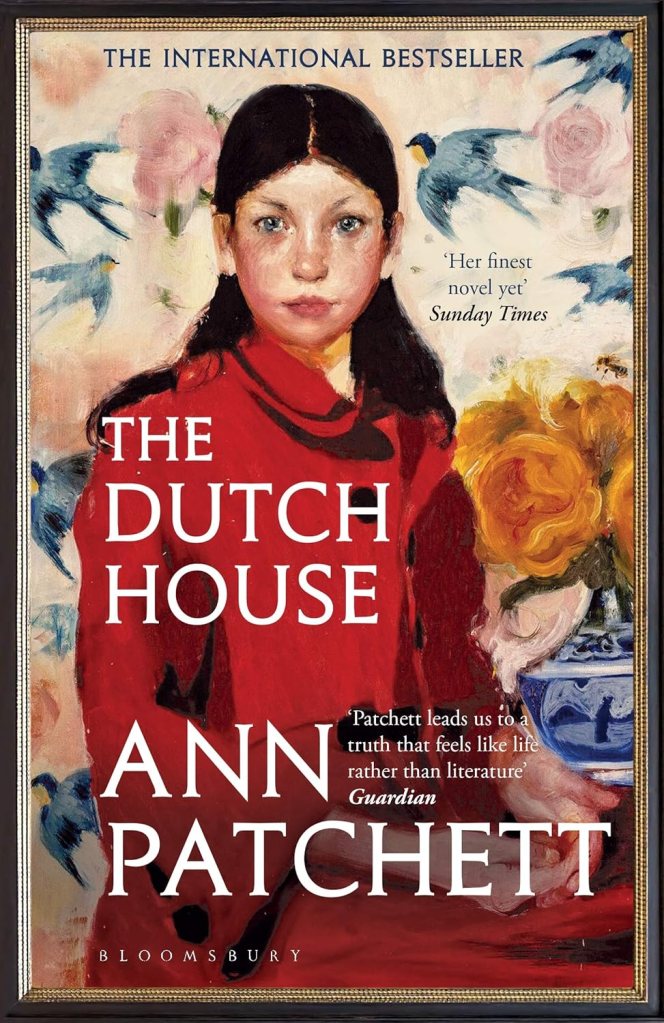
  • 👀 First impressions:
    From the moment you step into The Dutch House, it feels less like reading a novel and more like being invited into a memory. Ann Patchett crafts a story that spans decades, centred on siblings Danny and Maeve Conroy and the grand, almost mythical house that shapes their lives.

    Set in suburban Philadelphia, the novel follows the siblings as they are exiled from their childhood home by their stepmother, setting in motion a lifelong orbit around the past. The house itself becomes more than a setting it is a symbol of loss, longing, and the stories we tell ourselves about where we come from.

    ✅ What I Liked:
    What stands out immediately is the intimacy of the narration. Told through Danny’s perspective, the story feels deeply personal, almost confessional, as though he’s letting you in on a family secret he’s been holding onto for years.

    The relationship between Danny and Maeve is the emotional core of the novel, and it is beautifully done. Their bond is unwavering, complicated, and at times quietly destructive. It’s one of those sibling dynamics that feels so real you forget these characters aren’t actual people.

    Patchett’s writing is understated but powerful. There are no dramatic twists or over-the-top moments, just a slow, steady unfolding of lives shaped by memory and resentment. And somehow, that restraint makes every emotional beat land harder.

    ❎ What I didn’t Like:
    If you’re someone who prefers fast-paced plots or high-stakes drama, this might feel a little too quiet. The story leans heavily on reflection rather than action, and at times it lingers in the past a little longer than necessary.

    That said, this isn’t really a flaw so much as a stylistic choice. The stillness is part of what gives the novel its emotional weight, but it won’t be for everyone.

    📚 Why You Should Read This Book:
    If you love character-driven stories that explore family, memory, and the way the past shapes the present, The Dutch House is absolutely worth your time. It’s the kind of book that doesn’t shout for your attention but quietly stays with you long after you’ve finished.

    It would particularly appeal to readers who enjoyed reflective, emotionally rich novels where relationships take centre stage over plot.

    💭 Final Thoughts:
    The Dutch House is a masterclass in subtle storytelling. It’s about more than just a house or even a family, it’s about the stories we cling to, the grudges we carry, and the ways we define ourselves through what we’ve lost.

    It’s quiet, thoughtful, and deeply moving without ever trying too hard to be any of those things. And that’s exactly why it works so well.

    🛍️ Where to buy
    To buy your own copy click HERE and HERE

    Final Rating ★★★★★ – A hauntingly beautiful story about the ties that refuse to break

    Fediverse Reactions
  • 👀 First impressions:
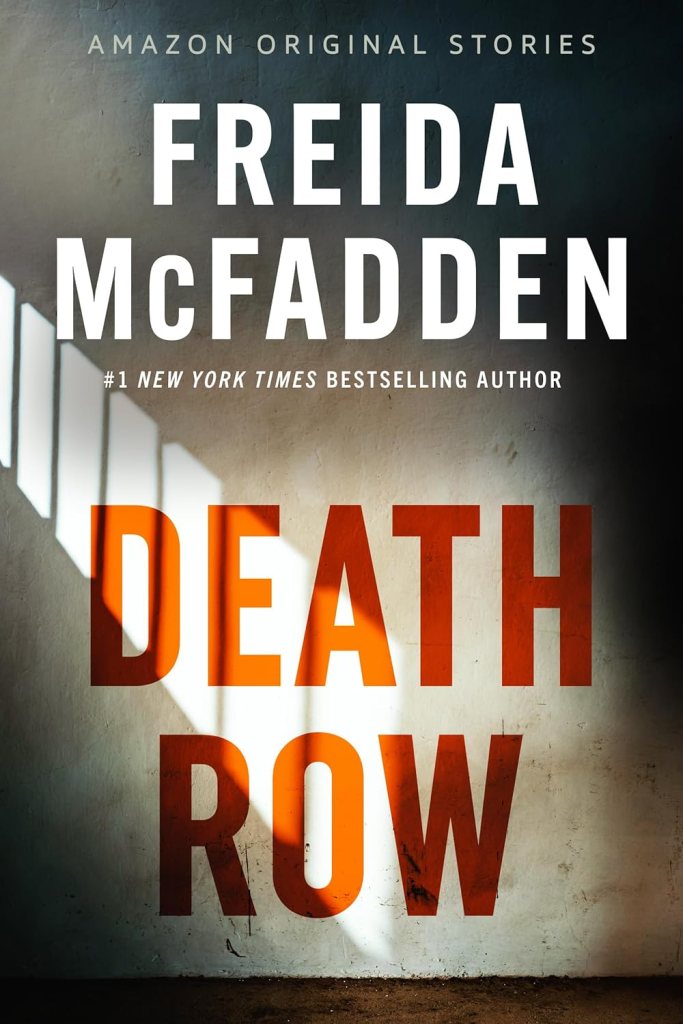
    Death Row wastes no time pulling you into its high-stakes premise. Freida McFadden is known for writing twisty, addictive thrillers, and this one follows that same formula from the very first chapter. The story centres around a woman on death row, insisting on her innocence while the clock ticks down to her execution.

    It’s an immediately gripping setup, and the short, punchy chapters make it incredibly easy to fly through. You go in expecting shocks, secrets, and last-minute revelations and for the most part, it delivers on that promise.

    ✅ What I Liked:
    The pacing is the biggest strength here. This is a quick, bingeable read that keeps you turning pages, always dangling the next twist just out of reach. If you’re in the mood for something you can finish in a sitting or two, it absolutely hits the mark.

    The concept itself is compelling. The idea of someone facing execution while claiming innocence naturally creates tension, and the countdown element adds urgency throughout the story. It keeps the stakes high and the reader invested in finding out what really happened.

    There are also a few twists that genuinely catch you off guard, which is something Freida McFadden tends to do well.

    ❎ What I didn’t Like:
    While the twists are entertaining, they can feel a bit over-the-top and, at times, unrealistic. The story leans heavily into shock value rather than depth, which makes it exciting in the moment but less satisfying when you step back and think about it.

    Character development is also quite thin. It’s hard to fully connect with the protagonist or feel the emotional weight of the situation because everything moves so quickly and stays fairly surface-level.

    By the end, some of the reveals feel rushed, and not all of the pieces come together as neatly or convincingly as they could have.

    📚 Why You Should Read This Book:
    If you enjoy fast-paced thrillers packed with twists and don’t mind a bit of implausibility, Death Row is a fun, easy read. It’s perfect for when you want something gripping but not too heavy or emotionally demanding.

    Fans of quick psychological thrillers and dramatic reveals will likely find plenty to enjoy here.

    💭 Final Thoughts:
    Death Row is undeniably entertaining, but it doesn’t quite leave a lasting impact. Freida McFadden delivers a story that’s easy to devour, even if it doesn’t dig particularly deep.

    It’s the kind of book you race through and enjoy in the moment, but don’t think about much afterwards.

    🛍️ Where to buy
    To buy your own copy click HERE and HERE

    Final Rating ★★★ – A twisty, fast read that entertains but doesn’t fully satisfy

    Fediverse Reactions
  • 👀 First impressions:
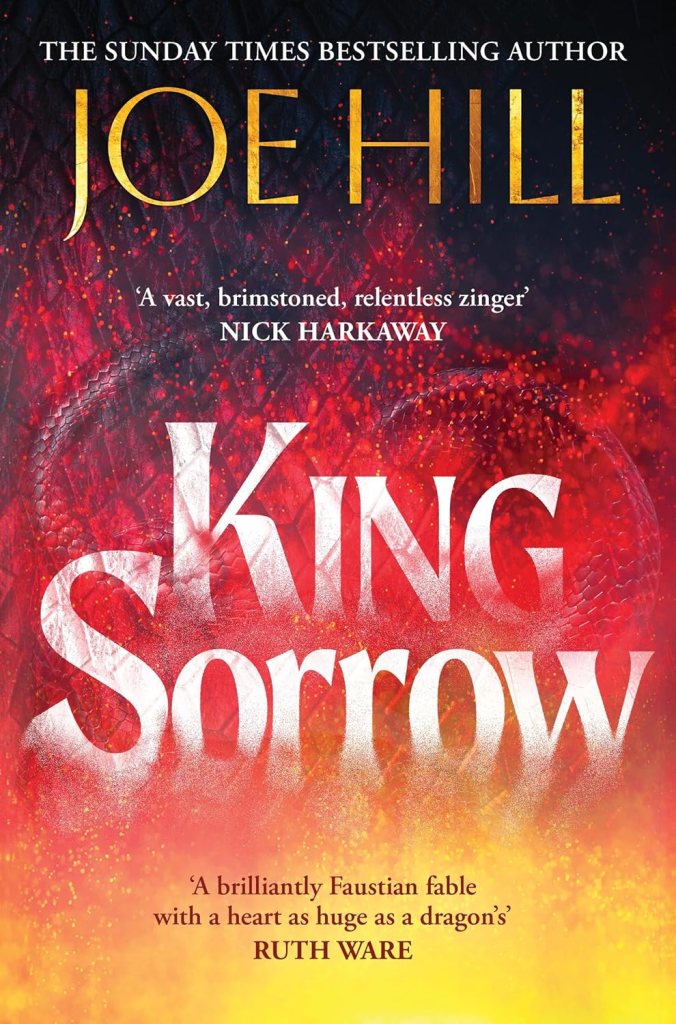
    King Sorrow immediately feels like stepping into something dark, strange, and quietly epic. Joe Hill has built a reputation for blending horror with deeply human storytelling, and this book leans fully into that strength. From the very first pages, there’s a sense of unease threaded through the narrative, paired with a world that feels rich, layered, and just a little bit dangerous. The premise pulls you in quickly, but it’s the tone and atmosphere that really hook you.

    ✅ What I Liked:
    What makes this a five star read is how effortlessly it balances emotional depth with creeping dread. Hill’s characters feel real in a way that makes every decision matter, and every consequence hit harder. There’s a rawness to the relationships, whether it’s love, grief, or guilt, that grounds the more fantastical elements of the story.

    The writing itself is sharp and immersive without ever feeling overdone. Hill has a way of describing the uncanny so that it feels both surreal and believable at the same time. The pacing is spot on too, slowly building tension before delivering moments that genuinely catch you off guard.

    There’s also a lingering quality to the story. It’s the kind of book that stays with you after you’ve finished, with certain scenes replaying in your mind long after you’ve closed it.

    ❎ What I didn’t Like:
    Honestly, very little. If anything, some readers might find the slower, more atmospheric build a bit too patient, especially if they’re expecting constant action. But for me, that slow burn is exactly what makes the payoff so effective.

    📚 Why You Should Read This Book:
    If you love stories that blend horror with emotional storytelling, this is an easy recommendation. It’s perfect for readers who enjoy being unsettled but also want characters they can genuinely connect with. If you’ve enjoyed Joe Hill’s previous work, this absolutely delivers on everything he does best.

    💭 Final Thoughts:
    King Sorrow feels like a confident, haunting piece of storytelling from an author who knows exactly how to get under your skin. It’s unsettling, emotional, and beautifully written in a way that makes it hard to put down and even harder to forget.

    🛍️ Where to buy
    To buy your own copy click HERE and HERE

    Final Rating ★★★★★ – Dark, immersive, and impossible to shake

    Fediverse Reactions
  • 👀 First impressions:
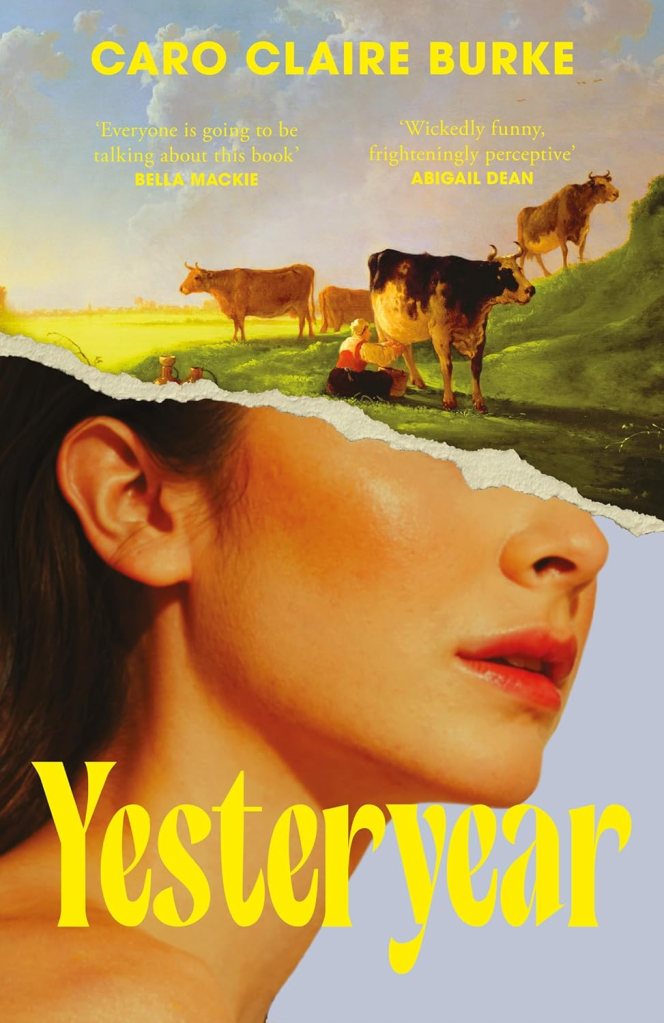
    Yesteryear opens with a concept that feels instantly modern and just a little bit sinister. Natalie appears to be living the dream, a curated, picture-perfect traditional life complete with sourdough, a handsome cowboy husband, and a farmhouse straight out of an aesthetic Pinterest board. But behind the scenes, there’s already a crack in the illusion, one that the reader is let in on early.

    When Natalie wakes up in a version of her life that looks the same but feels deeply wrong, the story shifts into something much more unsettling. It quickly becomes clear this isn’t just about social media fakery. There’s a psychological edge here that pulls you in, making you question what’s real, what’s constructed, and who Natalie really is beneath it all.

    ✅ What I Liked:
    The premise is absolutely the standout. The idea of a curated online identity colliding with a distorted reality is both timely and genuinely eerie. It taps into that uncomfortable awareness that so much of what we see online is manufactured, then pushes it into something far more extreme.

    Natalie is a fascinating character to follow. She’s not entirely likeable, but that’s what makes her compelling. Watching her navigate this warped version of her life, trying to regain control while questioning everything, creates a strong sense of tension throughout.

    There’s also a really effective atmosphere running through the book. The horror here isn’t loud or dramatic, it’s quiet, creeping, and psychological. The small details that are “off” do a lot of the heavy lifting, creating a constant sense of unease.

    The commentary on performance, identity, and the pressure to maintain a certain image is sharp without feeling heavy-handed. It lets the story do the work rather than spelling everything out.

    ❎ What I didn’t Like:
    At times, the pacing wobbles slightly, particularly in the middle where the tension plateaus before building again. It never becomes boring, but it does lose a bit of momentum.

    Some elements of the plot lean more into ambiguity than clarity, which works for the atmosphere but might leave some readers wanting more concrete answers by the end.

    📚 Why You Should Read This Book:
    If you enjoy psychological thrillers with a modern edge, this is a great pick. It will especially appeal to readers who like stories that explore identity and perception, particularly in the age of social media.

    If you liked unsettling, reality-bending narratives or books that leave you questioning what’s real long after you’ve finished, this will definitely be up your street.

    💭 Final Thoughts:
    Yesteryear is a clever and unsettling exploration of the gap between who we are and who we pretend to be. It takes a very recognisable, very contemporary idea and twists it into something much darker and more thought-provoking.

    It’s the kind of book that makes you slightly suspicious of everything you scroll past afterwards, and that lingering discomfort is exactly what makes it work.

    🛍️ Where to buy
    To buy your own copy click HERE and HERE

    Final Rating ★★★★ – A glossy illusion unravels into something far darker

  • 👀 First impressions:
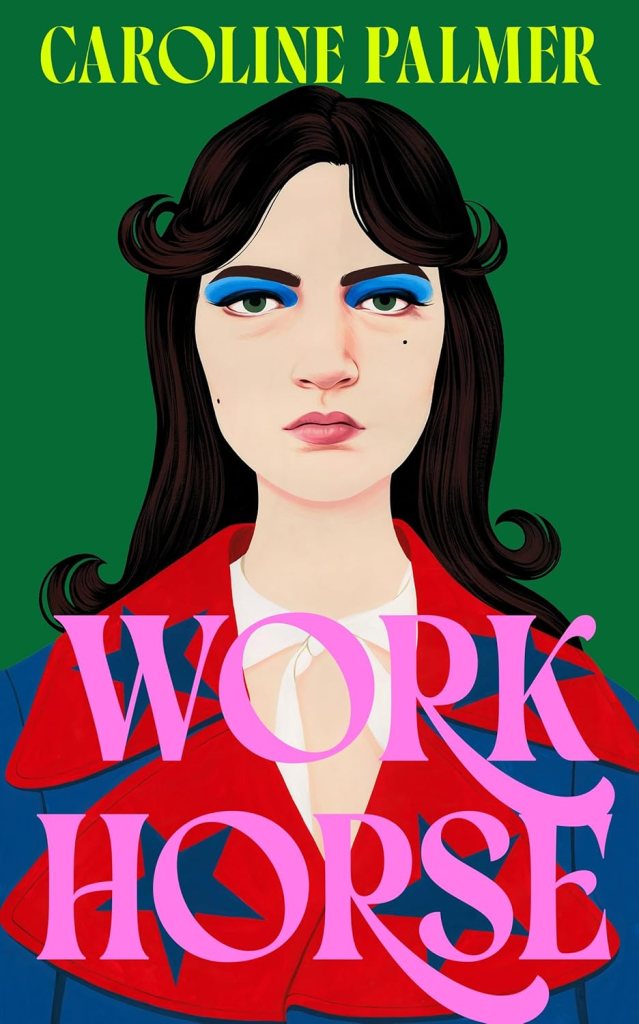
    Workhorse immediately pulls you into the glossy, competitive world of early-2000s New York publishing, where ambition is currency and connections are everything. Clo Harmon stands firmly on the outside looking in, desperate to climb into a world dominated by privilege and polish.

    The premise is strong and instantly engaging. The contrast between “workhorses” and “show horses” sets up a clear tension, and there’s a sense early on that this will be a sharp exploration of ambition and identity. It promises glamour with an edge, and for the most part, it delivers on that tone.

    ✅ What I Liked:
    The setting is one of the book’s biggest strengths. The behind-the-scenes look at the fashion and media world feels vivid and well-observed, capturing both the allure and the underlying insecurity of that environment.

    Clo is an interesting protagonist, particularly in how she reshapes herself to fit into a world that wasn’t built for her. Her ambition is believable, and there are moments where her internal conflict really shines through.

    The novel also carries a thread of dark humour that works well, cutting through the glamour and highlighting the absurdity of the social hierarchies at play.

    ❎ What I didn’t Like:
    Where the book fell short for me was in its emotional depth. While Clo is intriguing, I never felt fully connected to her, which made some of her more extreme choices feel distant rather than impactful.

    The pacing is uneven, especially in the middle, where the story seems to circle the same ideas without significantly progressing them. By the time things escalate, it feels a little rushed rather than fully earned.

    The relationship dynamics, particularly between Clo and Harry, had potential but didn’t quite deliver the level of tension or complexity I was expecting. It often felt underdeveloped compared to the themes the book was trying to explore.

    📚 Why You Should Read This Book:
    If you enjoy stories set in glamorous, high-pressure industries with a focus on ambition and social climbing, this is still worth picking up. Fans of The Devil Wears Prada may appreciate the setting, especially if they’re looking for something with a slightly darker tone.

    It’s a good choice for readers who enjoy character studies and don’t mind a slower, more introspective narrative.

    💭 Final Thoughts:
    Workhorse has all the right ingredients for a compelling story, a strong premise, an interesting central character, and a setting full of potential. However, it doesn’t quite come together in the way it could have.

    It’s an enjoyable read in places and certainly thought-provoking, but it lacks the emotional punch and narrative momentum needed to make it truly memorable.

    🛍️ Where to buy
    To buy your own copy click HERE and HERE

    Final Rating ★★★ – Stylish and intriguing, but lacking emotional payoff

  • Photo by Pablo Arenas on Unsplash

    There’s something happening to my reading habits lately, and I’m not entirely sure when the shift began. Somewhere between finishing my last contemporary novel and browsing for something new, I found myself gravitating toward covers with darker palettes, blurbs promising dread, and stories designed to keep me up at night. I’m getting into horror fiction — and I’m loving every unsettling page of it.

    For years, horror wasn’t really on my radar. I’d pick up the occasional thriller, sure, but full-blown horror? The kind that lingers in your mind when you turn off the lights? I always assumed it wasn’t for me. I think I had a narrow idea of what horror books actually were, gore, jump scares translated to the page, maybe some overwrought monster mythology. How wrong I was.

    What drew me in was the realisation that horror, at its best, is one of the most emotionally honest genres out there. It doesn’t shy away from the things we’d rather not think about: grief, isolation, the slow unravelling of trust, the terror of losing control over your own mind. A good horror novel doesn’t just scare you it , unsettles you, and there’s a meaningful difference between the two.

    I started, as many people do, with the classics. Shirley Jackson’s The Haunting of Hill House  was a revelation. It’s less about a haunted house and more about a haunted person, and that distinction cracked the genre wide open for me. From there I moved on to more modern voices, writers who are doing extraordinary things with fear and atmosphere right now. Every book I finish seems to branch into three more recommendations, and my to-be-read pile is growing at a pace I can’t keep up with.

    One thing that surprised me is how varied horror fiction is. There’s cosmic horror that makes you feel small against an indifferent universe. There’s quiet horror, where the dread creeps in so gradually you don’t notice until it’s wrapped around you completely. There’s folk horror rooted in landscape and tradition, body horror that interrogates our relationship with the physical self, and literary horror that blurs the line between genre fiction and something you might find on a prize longlist. The range is staggering, and I feel like I’ve barely scratched the surface.

    I’ve also noticed that reading horror has changed the way I read everything else. I pay more attention to atmosphere now. I notice when an author is controlling pacing to build tension, or when a scene is structured to make you feel just slightly off-balance. Horror has made me a more attentive reader, and that’s a gift I didn’t expect.

    If you’re curious about dipping your toes into the genre, my advice is simple: don’t start with whatever you think horror is supposed to be. Start with what interests you emotionally. If you’re drawn to family drama, there are horror novels built around fractured families. If you love a slow-burn mystery, there are horror books that will scratch that itch while adding a layer of genuine dread. The genre is far more welcoming than its reputation suggests.

    I’ll be sharing more of my horror reading journey here as I go deeper into the genre — reviews, recommendations, and probably a few confessions about which books I had to read with the lights on. If you’ve been on a similar path, or if you’re a longtime horror reader with suggestions for a newcomer, I’d love to hear from you.

    For now, though, I have a book waiting for me. The house is quiet, it’s getting dark outside, and honestly? That feels like exactly the right conditions.

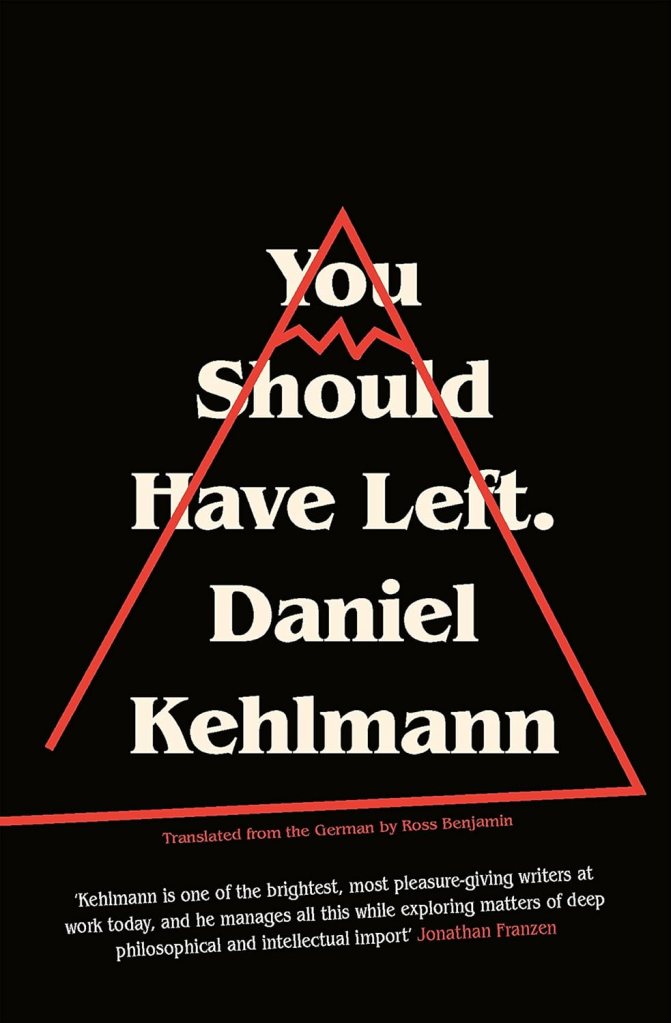
  • 👀 First impressions:
    There’s something immediately unsettling about You Should Have Left, and not in a loud, obvious horror way. It creeps in quietly, like the whispering wind around the isolated Alpine house where the story unfolds. Told through a fragmented journal format, the novel follows a screenwriter retreating with his wife and young daughter to finish a script, only for the house and his own mind to begin shifting in strange and impossible ways.

    From the very first pages, the tone feels off-kilter. The writing is sparse, almost clinical at times, which makes the growing sense of dread feel even sharper. It’s the kind of story that invites you to read between the lines, and then makes you question what you’ve just read.

    ✅ What I Liked:
    What stood out most was the atmosphere. Kehlmann creates an intense feeling of claustrophobia despite the wide-open snowy setting. The house itself becomes a character, bending space and logic in ways that are never fully explained, which only makes it more unsettling.

    The structure is also incredibly effective. The diary entries become increasingly fragmented and unreliable, mirroring the narrator’s mental state. There’s a blurring between reality, memory, and imagination that keeps you constantly questioning what is actually happening.

    I also loved how the horror is tied to something deeply human. Beneath the eerie elements, this is a story about guilt, relationships, and the quiet fractures within a marriage. That emotional undercurrent gives the novella a depth that lingers long after you finish.

    ❎ What I didn’t Like:
    The ambiguity, while powerful, won’t work for everyone. If you prefer clear answers and neatly resolved endings, this might feel frustrating. The story leans heavily into interpretation, and some elements are left deliberately unexplained.

    It’s also very short, which adds to its intensity but might leave you wanting more. Just as you start to fully sink into the world, it’s over, which can feel a little abrupt.

    📚 Why You Should Read This Book:
    If you enjoy psychological horror that prioritises atmosphere over jump scares, this is absolutely worth picking up. It’s perfect for readers who like unsettling, thought-provoking stories that leave room for interpretation.

    It’s also a great choice if you’re short on time but still want something impactful. This is a quick read, but one that will stay with you and probably have you replaying certain moments in your head.

    💭 Final Thoughts:
    You Should Have Left is a masterclass in quiet horror. It doesn’t rely on traditional scares but instead builds a creeping sense of unease that slowly tightens around you. The combination of domestic tension and surreal, shifting reality makes it feel both intimate and deeply disturbing.

    It’s the kind of book that feels bigger than its page count, and one that benefits from a second read once you know where it’s going.

    🛍️ Where to buy
    To buy your own copy click HERE and HERE

    Final Rating ★★★★ – Uneasy, intimate horror that lingers in the shadows

  • Photo by Yazid N on Unsplash

    You know that stack of “important” books you’ve been meaning to read since forever? The ones that sit on your shelf looking impressive while you quietly reread your comfort picks? Yeah, we’re talking about those. Pride and Prejudice. Jane Eyre. Moby-Dick. The big, beautiful, sometimes terrifying classics.

    Here’s the thing: classic literature has a reputation problem. Somewhere between school syllabuses and pretentious book clubs, people got the idea that reading the classics is supposed to feel like homework. It’s not. These books became legendary because they’re genuinely brilliant. They’ve got scandals, revenge plots, obsessive love, social commentary that hits harder than most modern tweets, and characters so vivid they feel like people you actually know.

    So if you’ve ever wanted to dive into the classics but didn’t know where to start (or tried once and bounced off), this guide is for you. Let’s make this fun.

    1. Throw Out the “Required Reading” Mindset

    The single biggest mistake people make with classics? Treating them like medicine. “I should read War and Peace.” Stop right there. The word “should” has killed more reading journeys than bad Wi-Fi.

    Instead, pick a classic that lines up with something you already love. Obsessed with period dramas? Start with the BrontĂŤs or Austen. Love a slow-burn thriller? Try Wilkie Collins’ The Woman in White, which is basically a Victorian page-turner. Into philosophical brain-twisters? Dostoevsky will change your life.

    You don’t have to start with the “most important” book. Start with the one that sounds the most interesting to you.

    2. Give It Fifty Pages of Grace

    Classic novels were written in a different era, and that means the pacing can feel unfamiliar at first. Sentences are longer. Descriptions are richer. There’s no algorithm optimising the first paragraph for engagement.

    Give yourself about fifty pages to settle in. Think of it like adjusting to a different country. The rhythm of life is different, but once you tune in, it starts to feel natural. If you hit page fifty and you’re still miserable, it’s completely fine to put it down and try something else. Not every classic is for every reader, and that’s okay.

    3. Don’t Be Afraid of Annotations and Introductions

    Here’s a secret that seasoned classic-lit readers know: almost nobody reads these books “cold.” Introductions, footnotes, and annotated editions exist for a reason. They’re not cheating; they’re context.

    A good annotated edition of The Odyssey or Don Quixote can turn a confusing slog into a genuinely thrilling experience. And reading a short introduction before you start helps you understand what the author was doing and why it mattered. It’s like watching a quick “previously on” recap before a new season of your favourite show.

    4. Try Audiobooks (Seriously)

    Some classics were made to be heard. Dickens originally published his novels as serialised instalments that people read aloud to each other. Shakespeare wrote plays, not textbooks. Poetry lives in the voice.

    A great narrator can bring rhythm and personality to prose that might feel dense on the page. Listening to someone perform Great Expectations or Wuthering Heights with full dramatic energy is an entirely different experience from squinting at small print on the bus. Many libraries offer free audiobook access through apps, so there’s no reason not to try it.

    5. Read With a Friend (or the Internet)

    Reading doesn’t have to be a solo sport. Buddy-reading a classic with a friend, even casually, like “let’s both read Frankenstein this month,” adds a whole layer of fun. You can text each other hot takes, argue about characters, and keep each other accountable.

    And if none of your friends are keen, the internet has you covered. Subreddits, Goodreads groups, BookTube, BookTok: there are vibrant communities reading classics together all the time. Seeing other people get excited about a two-hundred-year-old novel is weirdly infectious.

    6. Mix Classics With Your Usual Reads

    Nobody said you have to read classics exclusively. The best approach is to weave them into your normal reading life. Finish a contemporary thriller, then pick up Rebecca. Breeze through a rom-com, then try Persuasion. Alternate between the familiar and the unfamiliar, and neither will feel like a chore.

    This also takes the pressure off. You don’t need to become a “classics reader.” You’re just a reader who sometimes reads classics. Much more relaxed, much more sustainable.

    7. Start With These (Trust Me)

    If you want a few specific recommendations to get the ball rolling, here are some classics that are genuinely fun to read, no endurance required:

    If you love sharp wit and romance: Pride and Prejudice by Jane Austen. It’s funny, it’s romantic, and Elizabeth Bennet is one of the best protagonists in all of fiction.

    If you love gothic atmosphere and drama: Jane Eyre by Charlotte BrontĂŤ. Moody, passionate, full of secrets. It’s basically a gothic thriller with a love story at its heart.

    If you love adventure and storytelling: The Count of Monte Cristo by Alexandre Dumas. An epic tale of revenge, disguise, and justice. Unputdownable even at 1,200 pages.

    If you love dark humour and social satire: Catch-22 by Joseph Heller. Absurd, hilarious, and devastating, sometimes all in the same paragraph.

    If you love horror and suspense: Dracula by Bram Stoker. Told through letters and diary entries, it’s surprisingly modern in format and genuinely creepy.

    If you love a quick, powerful read: The Great Gatsby by F. Scott Fitzgerald. Short, beautifully written, and packs an emotional punch you won’t see coming.

    The Bottom Line

    Classic literature isn’t a chore, a badge of honour, or an intellectual gatekeeping exercise. It’s just really good storytellingthat has stood the test of time. The same emotions that made people cry over Little Women in 1868 will make you cry over it today. The same outrage that fuelled 1984 in 1949 hits just as hard now.

    Give yourself permission to enjoy it. Read at your own pace, in your own way, with whatever support makes the experience better. Skip the guilt, skip the pretension, and just let yourself fall into a great story.

    The classics have been waiting for you. They’re very patient like that.

    Happy reading!

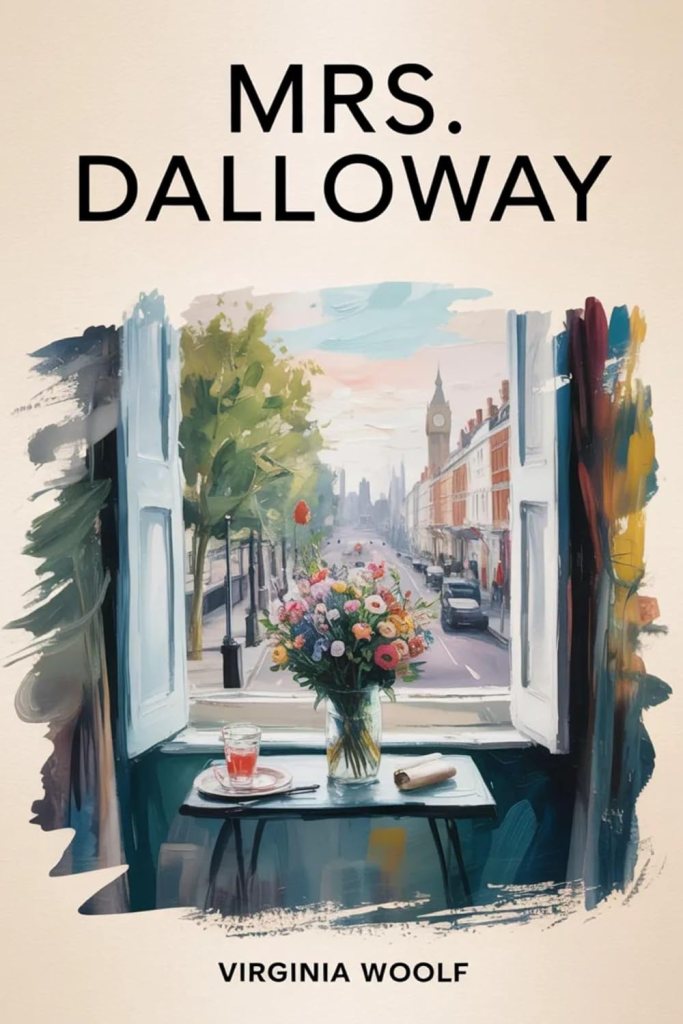
  • 👀 First impressions:
    Published in 1925, Mrs Dalloway is one of the defining novels of modernist literature, capturing a single day in post-World War I London. The story follows Clarissa Dalloway as she prepares to host an evening party, but beneath this seemingly simple premise lies a deeply introspective exploration of memory, identity, love, and mental health.

    Clarissa Dalloway moves through London, reflecting on her past choices, particularly her relationship with Peter Walsh, while the narrative intertwines with the tragic story of Septimus Warren Smith, a war veteran struggling with the psychological scars of the First World War.

    From the very first page, Woolf’s stream-of-consciousness style is unmistakable. It’s not a plot-heavy novel, but rather an experience one settles into, drifting between thoughts, perspectives, and moments in time.

    ✅ What I Liked:
    The writing is, quite simply, beautiful. Woolf has a way of turning ordinary thoughts into something poetic, making even the smallest observations feel significant. The fluid narrative style allows you to inhabit the minds of multiple characters, creating a rich, layered portrait of London society.

    I especially loved how time is handled in the novel. A single day expands to encompass entire lifetimes through memory and reflection. The chiming of Big Ben acts as a grounding force, reminding both the characters and the reader of time’s relentless passage.

    Septimus’s storyline is particularly powerful. His experiences offer a stark and moving portrayal of trauma and mental illness, providing a contrast to Clarissa’s more socially polished existence while subtly linking their inner worlds.

    ❎ What I didn’t Like:
    This is not the easiest book to read. The stream-of-consciousness style can feel overwhelming at times, especially if you’re used to more traditional narratives. There are moments where the lack of clear structure makes it difficult to follow whose thoughts you’re in.

    Additionally, if you’re looking for a strong plot or clear resolution, this might feel unsatisfying. The story is more about internal journeys than external events, which won’t appeal to every reader.

    📚 Why You Should Read This Book:
    If you enjoy literary fiction that prioritises character, atmosphere, and emotional depth, Mrs Dalloway is a must-read. It’s particularly rewarding for readers interested in modernist writing or those who appreciate novels that explore the complexity of human thought and experience.

    It’s also an important piece of literary history, offering insight into post-war British society and the evolving role of women during the early twentieth century.

    💭 Final Thoughts:
    Mrs Dalloway is less about what happens and more about how it feels to exist in a moment. It captures the quiet intensity of everyday life while exploring profound themes of love, regret, and mortality.

    While it requires patience and attention, the reward is a deeply immersive and thought-provoking reading experience that lingers long after the final page.

    🛍️ Where to buy
    To buy your own copy click HERE and HERE

    Final Rating ★★★★ – A beautifully introspective classic that rewards careful reading