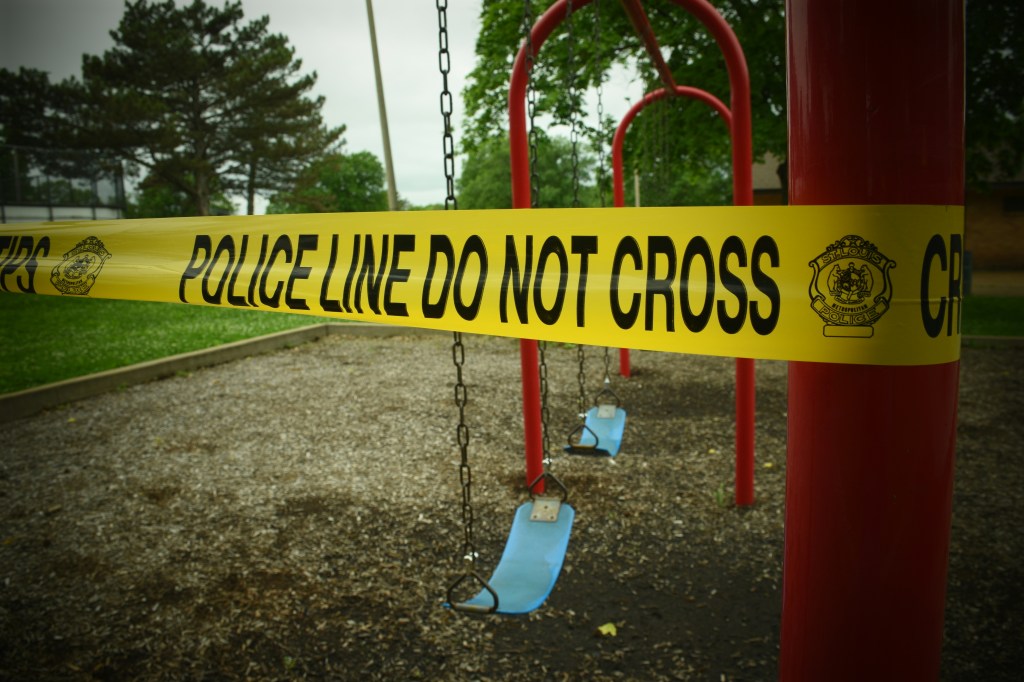
True crime has exploded from a niche interest into a cultural phenomenon. Walk into any bookstore, and you’ll find entire sections dedicated to real-life tales of murder, mystery, and mayhem. But what exactly draws millions of readers to these dark narratives, and which books should be on every true crime enthusiast’s radar?
The Psychology Behind Our Fascination
The appeal of true crime runs deeper than simple morbid curiosity. Psychologists suggest several factors drive our attraction to these stories. There’s the safety factor, we can experience danger and chaos from the comfort of our reading chair. True crime also satisfies our problem-solving instincts, allowing us to play detective alongside investigators. Perhaps most importantly, these books help us understand the incomprehensible, offering insight into minds and motivations that seem utterly foreign to most of us.
Essential True Crime Classics
In Cold Blood by Truman Capote
Often considered the gold standard of true crime writing, Capote’s 1966 masterpiece revolutionized the genre by applying literary techniques to factual reporting. His account of the brutal murder of the Clutter family in Kansas reads like a novel while maintaining journalistic integrity. Capote spent six years researching and writing the book, conducting extensive interviews with the killers themselves.
Helter Skelter by Vincent Bugliosi
Prosecutor Vincent Bugliosi’s inside account of the Charles Manson murders remains one of the most gripping true crime narratives ever written. Bugliosi doesn’t just recount the crimes, he takes readers inside the courtroom and into the twisted psychology of one of America’s most notorious killers.
The Stranger Beside Me by Ann Rule
This book carries unique weight because Rule actually knew Ted Bundy personally, working alongside him at a crisis hotline while he was committing his crimes. Her perspective as both a crime writer and someone who considered Bundy a friend creates an unsettling intimacy that makes this account particularly chilling.
Modern True Crime Standouts
I’ll Be Gone in the Dark by Michelle McNamara
McNamara’s posthumously published investigation into the Golden State Killer showcases the new generation of citizen detectives. Her obsessive research and compelling writing style helped bring renewed attention to cold cases and demonstrated how dedicated amateurs could contribute to solving crimes.
The Devil in the White City by Erik Larson
Larson masterfully weaves together the stories of the 1893 Chicago World’s Fair and serial killer H.H. Holmes. This book exemplifies how modern true crime writers can expand beyond simple crime narratives to explore broader historical and social contexts.
Mindhunter by John Douglas
Former FBI profiler Douglas takes readers inside the development of criminal profiling techniques. His firsthand accounts of interviewing notorious killers provide insights into investigative methods while revealing the psychological toll such work takes on those who pursue it.
Different Flavors of True Crime
The genre has expanded far beyond traditional murder cases. Today’s readers can explore:
Historical True Crime: Books like “The Lost City of Z” by David Grann blend adventure, mystery, and historical investigation.
Corporate Crime: Works such as “Bad Blood” by John Carreyrou expose fraud and corruption in the business world.
Cold Cases: Authors like James Renner specialize in unsolved mysteries, often incorporating new evidence and theories.
Investigative Journalism: Books that expose systemic failures, like “Catch and Kill” by Ronan Farrow.
What Makes Great True Crime Writing
The best true crime books share several characteristics. They respect victims and their families, avoiding exploitation while still telling compelling stories. They’re meticulously researched, often involving years of investigation and interviews. Great true crime writers also understand pacing—they know when to reveal information and when to hold back to maintain suspense.
Additionally, the most memorable books in this genre go beyond just recounting events. They explore larger themes about society, justice, human nature, and the systems meant to protect us. They ask not just “what happened?” but “why did this happen, and what does it tell us about ourselves?”
The Digital Age Impact
Modern technology has transformed both true crime writing and reading. Authors now have access to digitized records, online databases, and social media trails that previous generations of crime writers could never imagine. Meanwhile, podcasts like “Serial” and “My Favorite Murder” have created new audiences hungry for true crime content in all formats.
This digital revolution has also democratized crime investigation, with amateur sleuths using online tools to contribute to cold case investigations. However, this has raised ethical questions about the responsibility that comes with such access to information and the potential for harassment of suspects or victims’ families.
Building Your True Crime Library
For newcomers to the genre, start with the classics mentioned above before branching out based on your interests. If you’re drawn to serial killers, explore works by FBI profilers and investigative journalists. If historical mysteries appeal to you, seek out authors who specialize in cold cases or historical crimes.
Don’t overlook international true crime, authors like Roberto Saviano (“Gomorrah”) and David Peace (Red Riding Quartet) offer perspectives on crime from different cultures and legal systems.
The Ethical Dimension
As true crime continues to grow in popularity, questions about ethics become increasingly important. The best authors in this field walk a careful line between satisfying reader curiosity and respecting the real people affected by these crimes. They avoid sensationalizing violence while still creating compelling narratives.
Readers, too, have a responsibility to engage thoughtfully with this material, remembering that behind every true crime story are real victims, families, and communities forever changed by these events.
Looking Forward
True crime shows no signs of slowing down. New books continue to break ground, whether through innovative storytelling techniques, previously unexplored cases, or fresh perspectives on familiar crimes. The genre’s evolution reflects our ongoing fascination with the darker aspects of human nature and our perpetual quest to understand what drives people to commit unthinkable acts.
Whether you’re a longtime fan or just discovering true crime, there’s never been a better time to explore this rich and complex genre. Just remember to read responsibly, with respect for the real lives behind these stories and an understanding that the best true crime writing illuminates not just individual crimes, but the broader human condition itself.
What true crime books have left the biggest impression on you? Share your recommendations in the comments below.
 Minnie's Fiction Addiction
Leave a comment