
👀 First impressions:
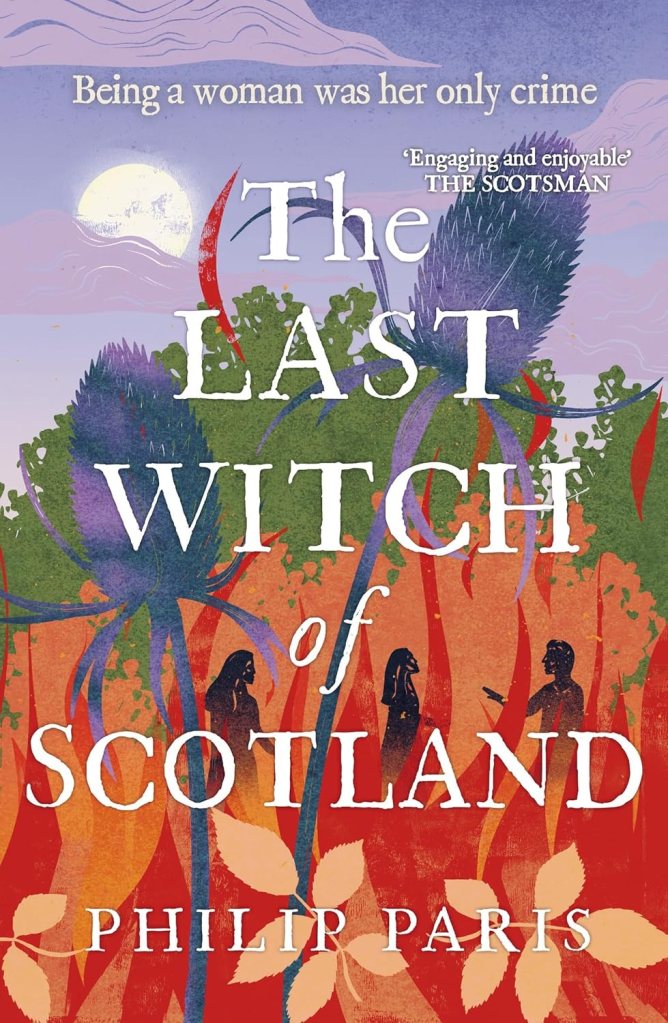
Set in the remote Scottish Highlands in 1727, The Last Witch of Scotland tells the story of Aila and her mother Janet as they try to rebuild their lives after a fire kills Aila’s father and leaves her permanently scarred. They move to the parish of Loth in search of a fresh start, but soon discover that isolation brings its own kind of danger. When a new minister arrives and a group of travelling performers pass through, the quiet village begins to unravel under the weight of gossip and suspicion.
The novel is inspired by the true story of Janet Horne, the final woman to be executed for witchcraft in Britain. From the first pages, Philip Paris captures the bleak beauty of the Highlands and the claustrophobia of small communities where faith and fear are inseparable. The sense of place is strong, the tension ever-present, and the historical foundation immediately compelling.
✅ What I Liked:
The strongest aspect of the novel is its atmosphere. Paris creates a vivid picture of the 18th-century Highlands, full of cold winds, smoke-filled cottages, and unspoken judgment. The setting feels alive, both breathtaking and oppressive. Aila’s scars mark her as different, and her struggle for acceptance feels heartbreakingly real. The relationship between Aila and Janet is beautifully written, layered with guilt, love, and quiet endurance.
I also admired how the story handles the witch-trial theme. Rather than leaning into the supernatural, it explores how hysteria can grow from ordinary fears. The portrayal of faith, superstition, and control feels grounded and thought-provoking. The novel is full of moral complexity and restraint, allowing readers to feel the dread without the need for spectacle.
❎ What I didn’t Like:
Although the writing is beautiful, parts of the story feel predictable. The pattern of an outsider being misunderstood and condemned by a fearful community is familiar, and this makes some events easier to anticipate. The pacing in the first half is quite slow, which suits the tone but may test readers who prefer more momentum.
A few supporting characters, including the minister and the travelling troupe, are less developed than Aila and Janet. Their roles serve the plot rather than adding much emotional depth, which occasionally weakens the tension in scenes that rely on them.
📚 Why You Should Read This Book:
Readers who enjoy historical fiction with a strong sense of place will find much to love here. The book combines emotional storytelling with rich historical detail and a haunting atmosphere. It will appeal to anyone interested in stories about women who defy expectations, about the price of difference, and about the cruelty that can come from fear.
Fans of novels such as The Mercies by Kiran Millwood Hargrave or The Witchfinder’s Sister by Beth Underdown will find a similar blend of history, tragedy, and quiet strength. It is a thoughtful, slow-burning story that rewards patience and reflection.
💭 Final Thoughts:
The Last Witch of Scotland is a powerful and deeply moving piece of historical fiction. Through Aila’s story, Philip Paris examines how superstition and fear can divide communities and destroy lives. The writing is evocative, the characters believable, and the emotion genuine. While it does not offer many surprises, it leaves a lasting impression through its compassion and honesty.
This is not a sensational tale of witchcraft but a quiet study of resilience, faith, and survival. It lingers in the mind long after the final page, like the echo of a prayer carried on the Highland wind.
🛍️ Where to buy
To buy your own copy click HERE and HERE
Final Rating ★★★★ – A haunting Highland tale of faith, fear, and survival.
 Minnie's Fiction Addiction
Leave a comment