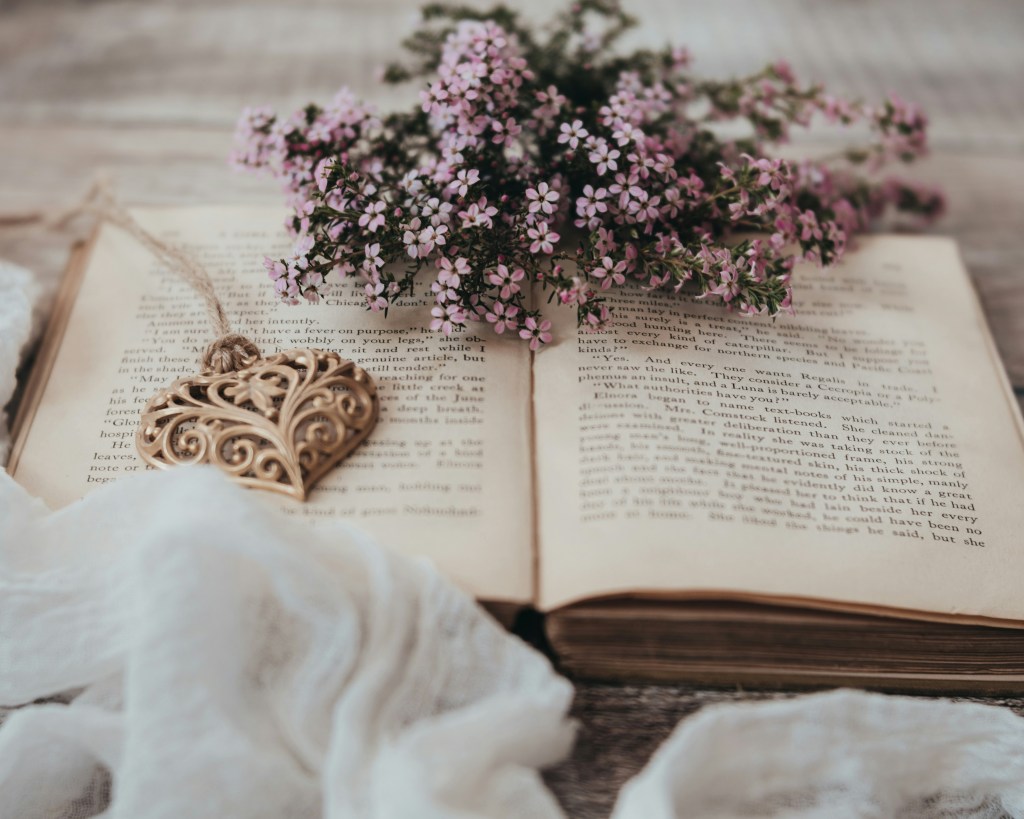
The term “book girly” has exploded across social media platforms, particularly BookTok and Bookstagram, where readers showcase their latest reads alongside carefully curated aesthetics of pastel covers, floral bookmarks, and cozy reading nooks. While I appreciate the enthusiasm for reading that this trend has sparked, I find myself increasingly uncomfortable with the label itself, and I think it’s worth examining why.
The Reduction of Reading to Aesthetic
When we talk about being a “book girly,” the emphasis often seems to land more heavily on the “girly” than the “book.” The term conjures images of specific genres (romance, fantasy with pretty covers), specific presentation styles (pink and pastel everything), and specific ways of engaging with literature (prioritizing visual appeal, emotional reactions, and social media shareability).
But reading is so much more expansive than any single aesthetic or approach. Some of my most transformative reading experiences have come from books with unremarkable covers, challenging narratives, or themes that don’t photograph well for Instagram. When we package reading into this particular brand of femininity, we risk suggesting that there’s a “right” way to be a reader, and that this way happens to align with traditionally feminine presentations and interests.
The Gender Binary Problem
The “girly” suffix inherently creates a division. If there are “book girlies,” what does that make everyone else? The term inadvertently suggests that enthusiasm for reading, particularly for certain genres or with certain aesthetic preferences, is inherently feminine. This doesn’t just potentially alienate male readers, it also excludes non-binary readers and anyone whose relationship with books doesn’t fit into this particular mold.
I’ve noticed that readers who don’t identify with the “book girly” aesthetic sometimes feel they need to justify their reading preferences or explain why they don’t participate in certain community rituals. That shouldn’t be necessary. Reading is universal; it doesn’t belong to any one gender expression or aesthetic preference.
The Infantilization Issue
Perhaps most troublingly, the term “book girly” carries undertones of infantilization that I find deeply problematic. The word “girly” inherently references childhood and immaturity, we don’t typically describe adult women’s interests as “girly” without implying something juvenile or trivial about them. When applied to reading, it suggests that women’s literary interests and engagement styles are somehow less serious or sophisticated than those of their adult counterparts.
This infantilization extends beyond just the terminology. The “book girly” aesthetic often emphasizes childlike elements: pastel colors, fairy tale imagery, whimsical accessories, and an overall presentation that echoes teenage bedroom decor more than adult intellectual engagement. While there’s nothing wrong with enjoying these aesthetic elements, the way they’ve become synonymous with women’s reading culture sends a subtle message that women’s relationship with books is fundamentally different—and lesser—than “serious” reading.
Adult women deserve to have their reading interests taken seriously, regardless of genre preferences or how they choose to engage with book communities. When we package women’s literary enthusiasm in diminutive, childlike language, we perpetuate broader cultural patterns that dismiss women’s intellectual contributions and interests.
Beyond the Surface-Level Engagement
While I don’t want to dismiss anyone’s genuine love of books, I worry that the “book girly” trend sometimes prioritizes the performance of reading over deep engagement with texts. When the focus shifts to how well a book photographs, how it fits into current popular trends, or how it aligns with a particular aesthetic brand, we might lose sight of what makes reading truly transformative: the ideas, the language, the way stories can challenge and change us.
This isn’t to say that enjoying beautiful book covers or creating reading-themed content is shallow, visual beauty and community building are valuable parts of reading culture. But when these elements become the primary lens through which we approach books, we might be missing opportunities for more meaningful literary encounters.
The Commodification Concern
The “book girly” trend also ties into broader patterns of commodification within reading communities. It encourages the purchase of specific types of books, bookish accessories, and lifestyle products that fit the aesthetic. While supporting authors and bookstores is wonderful, there’s something unsettling about the way reading, historically a relatively low-cost hobby accessible to anyone with a library card, has become associated with specific consumption patterns and financial investments in maintaining a particular image.
What I’d Prefer Instead
Rather than “book girly,” I’d love to see our community embrace terms that focus on the act of reading itself rather than the demographic or aesthetic associations. “Book lover,” “avid reader,” “literary enthusiast”, these terms center the relationship with books rather than packaging it within specific gender expressions or visual presentations.
I want reading communities where someone can love romance novels without needing to embrace pink aesthetics, where fantasy readers aren’t expected to own crystals and dried flowers, where literary fiction enthusiasts don’t feel superior to genre readers, and where everyone can engage with books in whatever way feels authentic to them.
The Bottom Line
Reading is transformative, challenging, comforting, and expansive. It’s been a part of human culture across all demographics, aesthetics, and time periods. When we narrow it down to fit into any single category, whether that’s “book girly” or any other limiting label, we diminish its power and potentially exclude people who might otherwise find joy in literary community.
I’m not asking anyone to abandon their pink bookshelves or stop posting aesthetic reading content. I’m simply suggesting that we might think more carefully about the language we use to describe readers and reading culture. Our words shape our communities, and I’d prefer ours to be as inclusive and expansive as the medium we all love.
Let’s celebrate reading in all its forms, by readers of all kinds, without requiring anyone to fit into a particular aesthetic or demographic box. After all, the best thing about books is that there’s truly something for everyone, and everyone’s reading journey is valid, regardless of how it looks on camera.
 Minnie's Fiction Addiction
Leave a comment