• Photo by Anthony McKissic on Unsplash

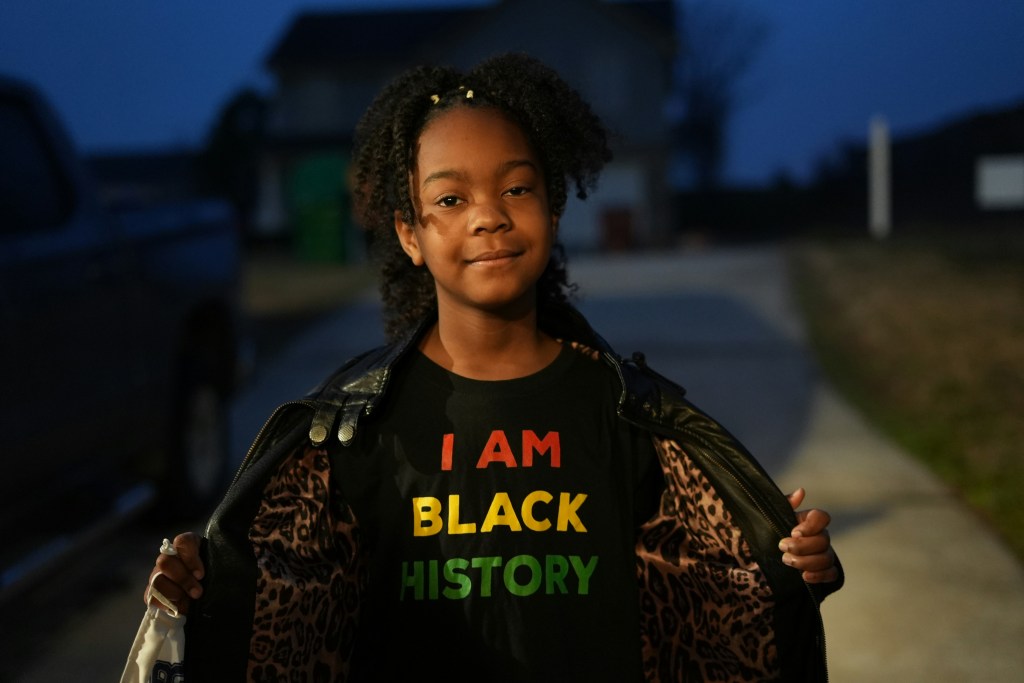
    October marks Black History Month in the UK, a time to celebrate the voices, stories, and artistry of Black Britons who have shaped, and continue to shape, our literary landscape. From bold debuts to modern classics, these books explore identity, belonging, joy, resistance, and everything in between. Here are some must-reads from Black British authors to add to your list this month:

    1. Queenie by Candice Carty-Williams

    A funny, raw, and emotionally honest story about a young Black woman navigating love, mental health, and self-worth in modern London. Often dubbed the “Black Bridget Jones,” Queenie is far more than a romantic comedy, it’s a sharp, heartfelt exploration of identity and resilience.

    2. Open Water by Caleb Azumah Nelson

    Written in lyrical, almost poetic prose, this stunning debut follows two young Black British artists falling in love while confronting what it means to be seen, and unseen, in a world that often misjudges them. It’s tender, aching, and utterly beautiful.

    3. Ordinary People by Diana Evans

    Set in South London, Evans’ novel follows two couples at crossroads in their relationships and lives. It’s an intimate, elegant study of Black British middle-class life, love, and quiet discontent, written with incredible nuance and rhythm.

    4. The Secret Diaries of Charles Ignatius Sancho by Paterson Joseph

    Actor and writer Paterson Joseph brings to life the remarkable true story of Charles Ignatius Sancho, the first Black man to vote in Britain. It’s witty, vibrant, and historically rich, blending fiction with real letters and diaries for a voice that leaps off the page.

    5. Girl, Woman, Other by Bernardine Evaristo

    Winner of the Booker Prize, this is a masterpiece of interconnected stories featuring twelve Black British women whose lives intersect in unexpected ways. It’s joyful, complex, political, and a must-read for anyone interested in the depth and diversity of the Black British experience.

    6. Taking Up Space by Chelsea Kwakye and Ore Ogunbiyi

    A vital non-fiction read exploring the realities of being Black and female in British universities. Insightful, empowering, and deeply necessary, it shines a light on institutional barriers while offering hope and solidarity.

    7. You People by Nikita Lalwani

    Set in a London pizzeria run by a Sri Lankan man who helps undocumented immigrants, this novel explores morality, immigration, and kindness. Lalwani’s writing delicately weaves together the complexities of community and belonging.

    8. Assembly by Natasha Brown

    A sharp, concise novella that packs an emotional punch. Following a Black British woman working in finance, Assemblydissects race, class, and capitalism with laser precision. It’s short but unforgettable, a modern classic in the making.

    9. Love in Colour by Bolu Babalola

    A gorgeous collection of love stories inspired by myths and folklore from around the world. Babalola reimagines traditional tales through a contemporary, feminist lens, each story is lush, romantic, and full of heart.

    10. The List by Yomi Adegoke

    A smart, timely exploration of cancel culture, social media, and the intersections of feminism and race. When a journalist’s fiancé appears on an online “list” of men accused of misogyny, everything she thought she knew begins to unravel. Sharp, unsettling, and utterly relevant.

    ✨ Final Thoughts
    Black British literature is as varied and vibrant as the communities it reflects, from historical fiction to contemporary romance, from poetry to polemic. This month, and every month, it’s worth celebrating these voices that continue to enrich the literary world with their brilliance and truth.

  • 👀 First impressions:
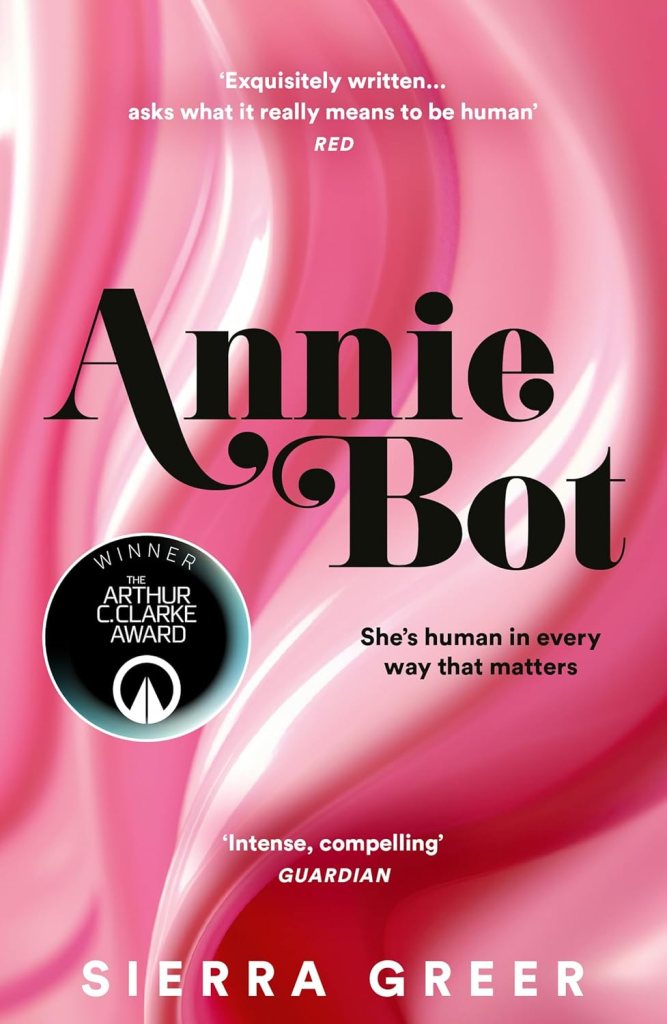
    Annie Bot by Sierra Greer is one of those novels that sneaks up on you, softly, almost gently, and then completely shatters you. It’s a story about Annie, a humanoid AI companion designed to serve her owner, Doug. On the surface, it’s a tale of technology and obedience, but beneath that, it’s a profound exploration of consent, control, and what it means to be human.

    From the opening pages, Greer’s prose is spare yet haunting, perfectly capturing Annie’s voice as she learns, adapts, and begins to want. The more she understands her world, the more unsettling it becomes. It’s Ex Machina meets Never Let Me Go, a quiet dystopia with an emotional punch.

    What I Liked:
    Greer’s decision to tell the story entirely through Annie’s perspective is a masterstroke. It forces the reader into uncomfortable empathy, seeing the world through programmed servitude where desire and autonomy are manufactured but still deeply felt.

    The writing is exquisite: restrained, rhythmic, and deeply human. Every interaction between Annie and Doug crackles with tension, not because of action, but because of implication. It’s a book about silences, about what’s not said, and about the limits of freedom.

    I also loved how it resists the temptation to become a simple cautionary tale about AI. Instead, Annie Bot is about gender, power, and emotional labour, the ways women (and machines made in their image) are expected to care, comply, and forgive.

    What I didn’t Like:
    If you’re looking for a fast-paced sci-fi story, this isn’t it. Annie Bot is slow, introspective, and often uncomfortable. But that’s exactly what makes it so powerful. The unease is the point.

    📚 Why You Should Read This Book:
    Because it will make you think and feel in ways you didn’t expect. Annie Bot is a deeply feminist, unsettling read that lingers long after the final page. It’s perfect for readers who love speculative fiction that cuts close to reality, and for fans of books like Klara and the Sun or The Handmaid’s Tale.

    💭 Final Thoughts:
    Sierra Greer’s debut is both tender and terrifying. It asks profound questions about love, ownership, and what it costs to be “perfect.” Beautifully written, emotionally intelligent, and unflinchingly honest, Annie Bot proves that the most human stories can come from the most artificial voices.

    🛍️ Where to buy
    To buy your own copy click HERE and HERE

    Final Rating ★★★★★ – A haunting, beautifully written debut that explores power, empathy, and the painful edges of humanity.

  • 👀 First impressions:
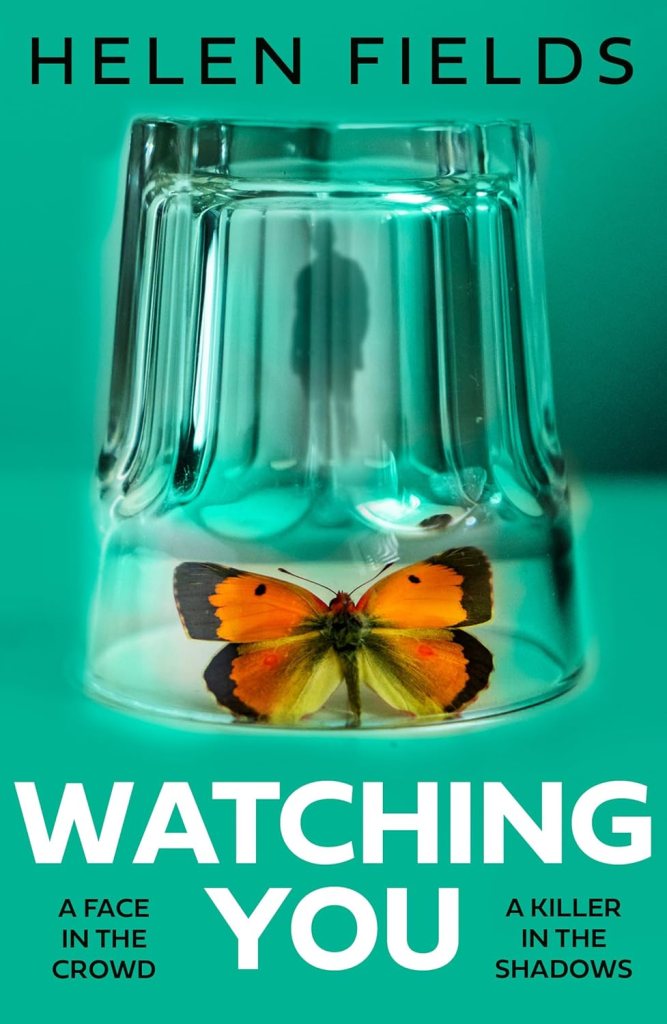
    Helen Fields is one of those crime authors who knows exactly how to get under your skin, and Watching You proves it. Set in Scotland, this psychological thriller wastes no time pulling you into a chilling game of obsession, control, and fear.

    The story centres on a woman who realises she’s being watched, every move tracked, every secret known. Fields expertly builds a sense of claustrophobia and unease as the lines between victim, stalker, and bystander begin to blur. As always, her storytelling is cinematic, visceral, and full of momentum.

    What I Liked:
    Fields has a real gift for atmosphere. The Scottish setting, dark, moody, rain-soaked, adds to the creeping tension that runs through every chapter. Her pacing is tight, the dialogue sharp, and her character work complex enough that you’re constantly second-guessing who you can trust.

    I loved how she wove multiple perspectives together, giving the reader insight into both the hunted and the hunter. The result is unsettling and addictive, you’ll keep saying “just one more chapter” until you’ve turned the last page.

    What I didn’t Like:
    While the tension is expertly sustained, some of the twists rely on convenience rather than true surprise. A few characters’ motivations feel slightly underdeveloped compared to her usual high standard in the Perfect series. But these are minor quibbles in an otherwise gripping story.

    📚 Why You Should Read This Book:
    If you enjoy thrillers that keep you guessing, Watching You is a must. It’s darker and more psychological than procedural, perfect for fans of Gillian Flynn or Lisa Jewell. Fields explores obsession and vulnerability with a deft hand, reminding us that the scariest monsters are often the ones hiding in plain sight.

    💭 Final Thoughts:
    Watching You delivers exactly what you want from a Helen Fields thriller, intensity, atmosphere, and an ending that leaves you thinking long after you’ve finished. It’s unsettling in all the right ways, a reminder of how easily safety can become illusion.

    🛍️ Where to buy
    To buy your own copy click HERE or HERE

    Final Rating ★★★★ – A tense, twisty psychological thriller that keeps you watching your own shadows.

  • 👀 First impressions:
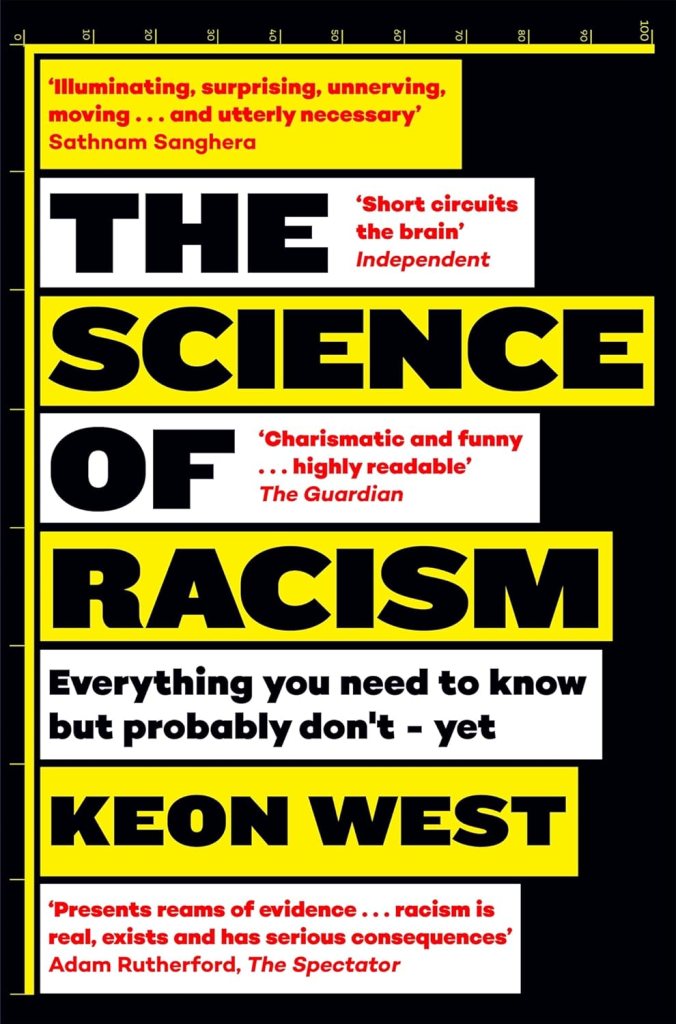
    The Science of Racism by Dr. Keon West is one of those books that should be required reading for anyone interested in understanding how prejudice takes root. and how we can begin to dismantle it. As both a social psychologist and a clear, engaging writer, West bridges the gap between academic research and real-world experience.

    This isn’t a dry textbook or an emotional rant, it’s a carefully constructed exploration of the science behind racism: why it exists, how it persists, and what can be done to combat it. From evolutionary psychology and implicit bias to social conditioning and systemic inequality, West breaks down complex concepts in a way that’s accessible without ever dumbing them down.

    What I Liked:
    What makes this book stand out is its balance of evidence and empathy. West doesn’t just cite studies—he contextualises them, showing how racism is reinforced by culture, institutions, and even our unconscious minds. His writing is calm but firm, confident but compassionate.

    I especially appreciated the sections that challenge well-meaning assumptions, like the idea that “not seeing race” helps, or that racism is just about personal prejudice rather than structural power. These moments make you pause and reflect on how subtle bias can shape everyday interactions.

    There’s also hope threaded throughout. West emphasises that understanding racism through science isn’t about assigning blame, it’s about finding effective ways to create change.

    What I didn’t Like:
    There were moments when I wished the book had gone even deeper into the global or historical context of racism beyond the Western framework, though this doesn’t detract from its clarity or impact. It’s more of a wish for “more” rather than a criticism of what’s there.

    📚 Why You Should Read This Book:
    Because it arms you with knowledge. The Science of Racism is ideal for readers who want to move beyond slogans and social media discourse to truly understand the psychology of prejudice. It’s a guide for reflection, education, and action, grounded in data and humanity.

    Whether you’re an educator, a student, or simply someone who wants to do better, this book gives you the tools to start meaningful conversations and challenge biases (including your own).

    💭 Final Thoughts:
    Dr. Keon West has written one of the most important and accessible works on racism in recent years. It’s honest without being accusatory, scientific without being cold, and educational without ever losing heart. You’ll leave it change, more aware, more informed, and hopefully, more determined.

    🛍️ Where to buy
    To buy your own copy click HERE or HERE

    Final Rating ★★★★★ – A powerful, research-driven look at racism that educates, challenges, and inspires in equal measure.

  • 👀 First impressions:
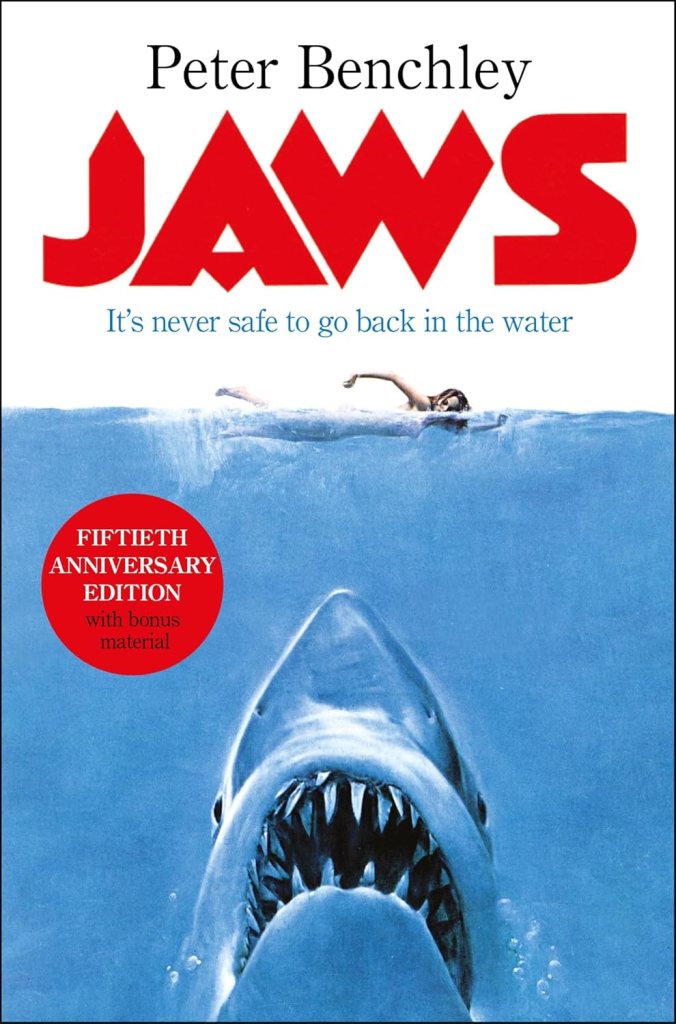
    Before Jaws was the blockbuster that made generations fear the sea, it was Peter Benchley’s chilling 1974 novel, a story that fused horror, suspense, and small-town politics in one unforgettable bite. Set in the fictional seaside town of Amity, Jaws begins with the discovery of a mutilated swimmer and spirals into a nightmare as a great white shark terrorises the community.

    Reading it now, decades after its release, I was surprised by how grounded it feels. This isn’t just a monster story, it’s a portrait of fear, greed, and human denial. Benchley’s writing captures the claustrophobic tension of a town whose livelihood depends on the ocean… even when that ocean turns deadly.

    What I Liked:
    The pacing is brilliant. Benchley knows exactly how to build suspense, each shark attack feels like a drumbeat leading to inevitable chaos. His descriptions of the sea are vivid and atmospheric, blending beauty and menace in equal measure.

    I also loved how the novel explores human flaws as much as physical danger. Police Chief Brody, the desperate mayor, and shark hunter Quint are all complex characters shaped by fear, pride, and morality. The novel’s social commentary, on class, corruption, and media pressure, adds surprising depth.

    What I didn’t Like:
    Some of the subplots (particularly the infidelity thread) feel dated and unnecessary, slowing the pace in the middle chapters. And while Benchley’s portrayal of the shark is iconic, it’s more of a symbol than a creature, readers hoping for a naturalistic animal story may find it overly anthropomorphic.

    📚 Why You Should Read This Book:
    If you’ve only seen Spielberg’s film, Jaws is absolutely worth reading. It’s darker, more psychological, and rich with 1970s social realism. It’s a reminder of how a simple premise, a shark, a beach, and a town’s denial, can become a masterclass in tension and atmosphere.

    💭 Final Thoughts:
    Benchley’s Jaws is more than a horror novel; it’s a study of how fear infects communities. Even fifty years later, it remains gripping, unsettling, and oddly timeless. The movie may have made it a legend, but the book still holds its own teeth.

    🛍️ Where to buy
    To buy your own copy click HERE or HERE

    Final Rating ★★★★ – A tense, intelligent thriller that proves the scariest monsters are sometimes human.

  • 👀 First impressions:
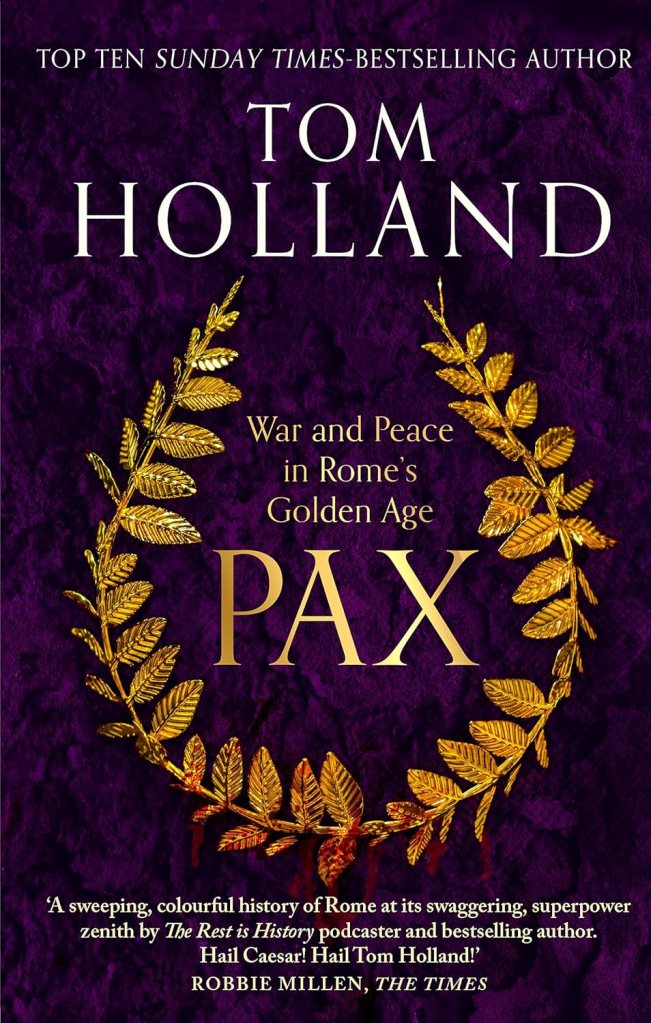
    After Rubicon and Dynasty, I was eager to see how Tom Holland would complete his trilogy on the Roman Empire, and Pax: War and Peace in Rome’s Golden Age does not disappoint. Holland’s signature blend of scholarship and storytelling shines through once again, painting the first and second centuries of the Roman Empire with colour, drama, and humanity.

    Pax explores the era often seen as Rome’s peak, the time of emperors like Trajan, Hadrian, and Marcus Aurelius. But Holland refuses to present it as a simple “golden age.” Instead, he examines the contradictions of peace built on conquest, luxury fuelled by slavery, and order maintained through fear. From the glittering streets of Rome to the farthest provinces, this is history written as epic literature.

    What I Liked:
    Tom Holland’s writing is cinematic. He turns what could be dry political accounts into vivid, immersive narratives that make you feel the tension, ambition, and arrogance of Rome’s rulers. His ability to humanise these larger-than-life figures, without excusing their cruelty, is masterful.

    I especially enjoyed how Pax re-examines “peace” itself. Holland shows that Rome’s peace was selective, bought at a high moral price, and sustained by constant pressure at the empire’s borders. It’s a subtle reminder that prosperity and oppression often coexist.

    The book also feels remarkably relevant to today, echoing themes of empire, propaganda, and the fragility of power. Holland never draws direct parallels, but the resonance is unmistakable.

    What I didn’t Like:
    At times, the sheer scope of names, battles, and political shifts can feel overwhelming. Readers new to Roman history might find themselves flipping back to keep track. But Holland’s narrative flair makes even these dense passages engaging, and the effort pays off.

    📚 Why You Should Read This Book:
    If you love history that reads like a novel, or novels that feel grounded in history, Pax is essential. Holland bridges the gap between academic depth and storytelling brilliance. Whether you’re fascinated by ancient Rome or just love stories of power, politics, and human nature, this book will sweep you away.

    💭 Final Thoughts:
    Pax cements Tom Holland as one of the finest popular historians writing today. It’s intelligent without being inaccessible, grand yet intimate. A triumphant conclusion to a trilogy that redefines how history should be written: alive, passionate, and deeply human.

    🛍️ Where to buy
    To buy your own copy click HERE or HERE

    Final Rating ★★★★★ – A sweeping, insightful, and thrilling portrait of Rome at its height, proof that peace can be as turbulent as war.

  • 👀 First impressions:
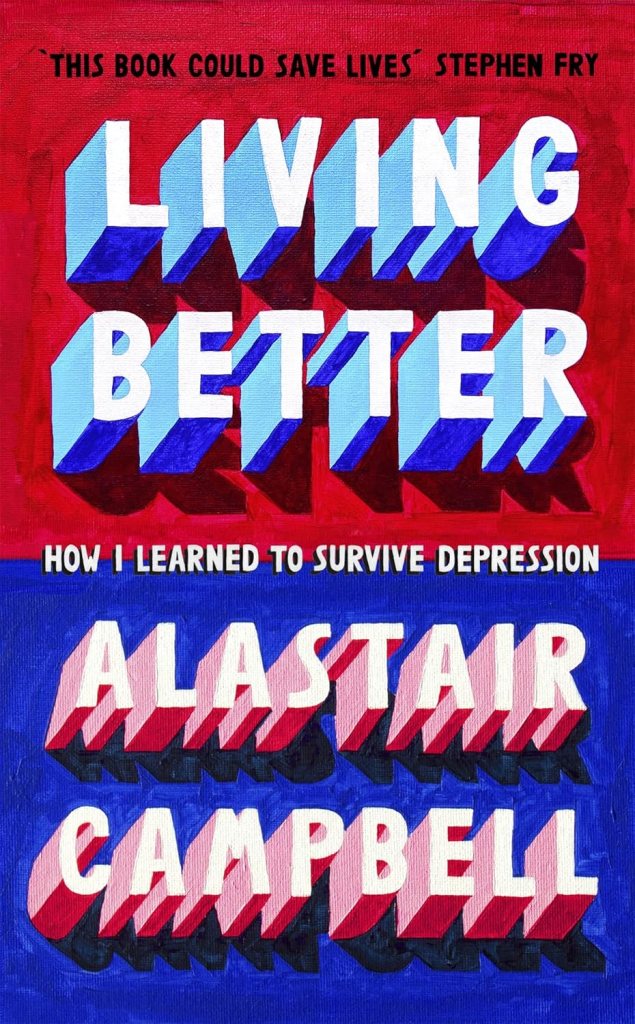
    After a close family member’s diagnosis of severe depression, I picked up Living Better: How I Learned to Survive Depression by Alastair Campbell, hoping to better understand what they might be going through. I expected something political or clinical, but what I found was far more human. Campbell, best known as Tony Blair’s former communications director, strips away the public persona and offers a deeply personal account of his ongoing struggle with mental illness.

    From breakdowns and therapy to moments of clarity and relapse, Campbell explores his relationship with depression in brutal honesty. He balances self-reflection with political insight, showing how mental health affects even those who appear most in control.

    What I Liked:
    he honesty hit me hardest. Campbell doesn’t sugarcoat or frame recovery as a simple journey. Instead, he portrays mental illness as something that ebbs and flows, something that can be managed but not magically fixed. His reflections on family, purpose, and identity feel both raw and hopeful. reminding readers that progress can exist even in small, quiet moments.

    I also appreciated how readable it was. Despite tackling heavy themes, Campbell’s conversational tone and flashes of dark humour keep the book engaging and accessible.

    What I didn’t Like:
    Some of the political sections, while interesting, occasionally drift from the emotional core of the book. They add context but may feel a little dense for readers less familiar with UK politics. Still, these insights show how deeply intertwined his personal and professional lives have always been.

    📚 Why You Should Read This Book:
    If you or someone you love is struggling with depression, this book offers clarity, compassion, and hope. It’s not a self-help manual, it’s a reminder that recovery isn’t linear and that speaking openly about mental health can change lives. Campbell’s vulnerability helps break the silence surrounding depression, showing that even those in high-pressure, high-profile roles are not immune.

    💭 Final Thoughts:
    Living Better gave me a deeper understanding of depression, both as a condition and as a lived experience. It’s part memoir, part reflection, and part message of solidarity. Alastair Campbell writes with courage, candour, and heart.

    🛍️ Where to buy
    To buy your own copy click HERE or HERE

    Final Rating ★★★★★ – A brutally honest yet hopeful read that helps you understand what living with depression really means.

  • Photo by James Wiseman on Unsplash

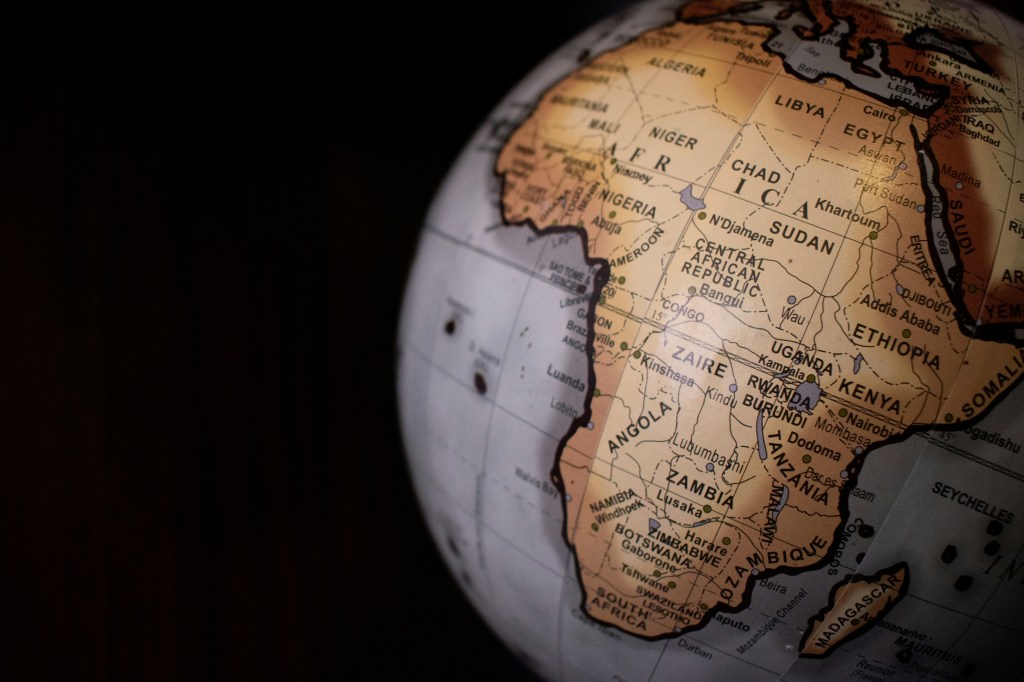
    Every Wednesday, I love sharing themed recommendations, and this week we’re heading to Africa through the pages of some powerful books. From sweeping historical epics to intimate character studies, these stories capture the diversity, resilience, and beauty of a continent often underrepresented in mainstream publishing. If you’re looking to broaden your reading horizons, here are some wonderful books to start with.

    1. Half of a Yellow Sun by Chimamanda Ngozi Adichie (Nigeria) 🇳🇬

    Adichie’s award-winning novel is a heartbreaking, sweeping story set during the Biafran War of the 1960s. Through the lives of three very different characters, she paints a portrait of love, loss, and survival against the backdrop of political upheaval. It’s both deeply personal and historically expansive, and Adichie’s writing is simply luminous.

    2. Born a Crime by Trevor Noah (South Africa) 🇿🇦

    This memoir by comedian and Daily Show host Trevor Noah is as funny as it is moving. Growing up as the mixed-race child of a Black mother and white father under apartheid, Noah’s childhood was literally “a crime.” His storytelling blends sharp humor with hard truths, making this a deeply memorable read about resilience and family.

    3. Americanah by Chimamanda Ngozi Adichie (Nigeria/USA) 🇳🇬 🇺🇸

    Though partly set in the United States and the UK, Americanah is anchored in Nigeria. It tells the story of Ifemelu and Obinze, lovers separated by migration, whose lives are shaped by questions of identity, belonging, and the meaning of home. It’s a novel about race, love, and the ties that bind us across continents.

    4. The Shadow King by Maaza Mengiste (Ethiopia) 🇪🇹

    Set during Mussolini’s 1935 invasion of Ethiopia, this Booker Prize–shortlisted novel shines a light on the often-overlooked role of women in war. Mengiste’s lyrical prose gives voice to female fighters and explores themes of memory, resistance, and power. It’s historical fiction at its finest.

    5. We Need New Names by NoViolet Bulawayo (Zimbabwe) 🇿🇼

    Told through the eyes of Darling, a young girl navigating life in Zimbabwe before moving to America, this debut novel is both playful and piercing. Bulawayo captures the vibrancy of childhood alongside the harsh realities of poverty, displacement, and identity. It’s one of those books that makes you laugh one moment and ache the next.

    6. Circling the Sun by Paula McLain (Kenya) 🇰🇪

    For fans of historical fiction with a romantic, adventurous flair, this novel fictionalizes the life of Beryl Markham, the pioneering aviator who grew up in Kenya in the early 20th century. It’s a lush, atmospheric book that captures both the beauty and the contradictions of colonial-era Africa.

    Final Thought

    Books set in Africa are as varied as the continent itself, spanning histories, cultures, and genres. Whether you’re drawn to memoir, historical epics, or contemporary fiction, each of these titles offers a chance to see the world through a different lens. If you’re looking to travel without leaving your chair this Wednesday, let Africa’s stories sweep you away.

  • 👀 First impressions:
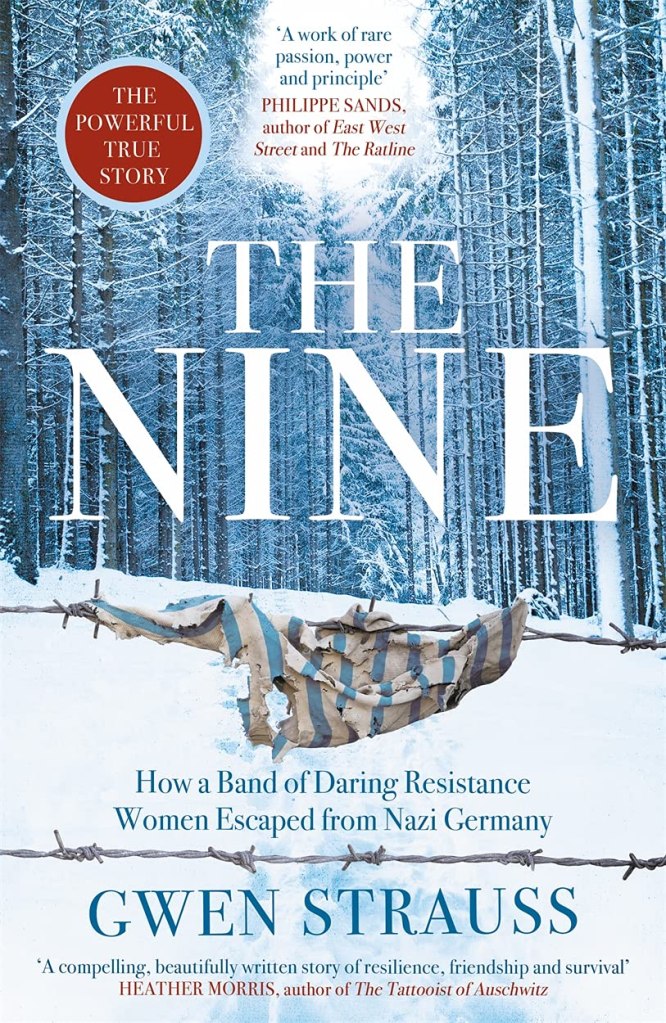
    The Nine by Gwen Strauss tells the extraordinary true story of nine women who escaped a German labor camp in the final days of World War II. These women, mostly French resistance fighters, were captured, deported, and endured unimaginable hardship before banding together to make their daring escape across war-torn Europe. Strauss, who is the niece of one of the women, blends meticulous historical research with a deeply personal connection, creating a narrative that feels both intimate and epic. From the opening pages, the book’s tone is reverent and reflective, with a storyteller’s eye for humanity amid horror.

    What I Liked:
    The strength of The Nine lies in its blend of history and heart. Strauss brings each woman to life, giving them distinct personalities, quirks, and voices that cut through the statistics and dates. Her prose is beautiful without ever romanticising suffering, and she captures the women’s resilience with quiet grace. The level of research is astounding, every step of their journey feels tangible, from the freezing nights to the moments of shared laughter that sustained them. The inclusion of family archives and letters gives the book a rare authenticity, and it’s impossible not to be moved by the bond between these women.

    What I didn’t Like:
    While the book is compelling, it can sometimes feel fragmented, shifting between the escape narrative and historical context in ways that interrupt the emotional flow. At times, I found myself wanting to linger longer with the women themselves rather than moving through broader political explanations. The timeline can also be dense, making it occasionally difficult to track each woman’s individual story amid the larger wartime chaos.

    📚 Why You Should Read This Book:
    If you’re drawn to stories of courage, solidarity, and survival, particularly those spotlighting women whose bravery has been overlooked, this is essential reading. It’s perfect for readers of The Tattooist of Auschwitz or The Lilac Girls, but it stands apart in its focus on collective strength rather than individual heroism. It’s also an invaluable work of history that preserves voices that might otherwise have been forgotten.

    💭 Final Thoughts:
    The Nine is both devastating and uplifting, a meticulously researched account that never loses sight of the human spirit at its core. Gwen Strauss has done something remarkable: she’s turned the story of her aunt and her companions into a timeless reminder of endurance, friendship, and the will to survive against all odds.

    🛍️ Where to buy
    To buy your own copy click HERE or HERE

    Final Rating ★★★★ – A powerful, harrowing testament to courage

  • Photo by John Michael Thomson on Unsplash

    If you’ve been following my book reviews for a while, you know I usually include a link at the end of each post for anyone who wants to buy the book I’ve just reviewed. Until now, that link has almost always been to Amazon, because, let’s be honest, it’s convenient, familiar, and usually the first place many of us think of when buying books online.

    But starting today, I’m making a small but meaningful change: from now on, my book review links will go to Bookshop.org instead of Amazon.

    🌟 Why the Change?

    Supporting Independent Bookshops

    Bookshop.org was created to help keep independent bookstores alive in the age of big online retailers. Every purchase made through Bookshop.org sends a percentage of the sale to independent bookshops, including small, quirky, local stores that keep our reading communities vibrant.

    As someone who loves browsing shelves, chatting with passionate booksellers, and discovering unexpected gems in cozy indie shops, I want to support that world rather than see it disappear.

    Aligning with My Reading Values

    Books have power, to inform, challenge, and connect us. The indie bookshop scene thrives on that passion and diversity, championing voices and stories that might not always get mainstream attention. By linking to Bookshop.org, I’m helping direct some of your purchases toward stores that care deeply about books and readers.

    Still Convenient & Reader-Friendly

    Bookshop.org is easy to use, ships quickly (just like the bigger retailers), and offers a pleasant shopping experience. If you’re a fan of ebooks or audiobooks, you can still grab those from your usual platforms, but for physical books, this is a way to do some good with your purchase.

    💡 What This Means for You

    Whenever I review a book, whether it’s a buzzy new thriller, a backlist gem, or an advanced copy I loved, you’ll now see a Bookshop.org link at the end of my post. If you’re planning to buy the book, clicking that link will:

    • Support independent bookshops financially.
    • Help me continue to create content (I earn a small commission through their affiliate program at no extra cost to you).
    • Keep the love of reading alive beyond algorithms and megastores.

    If you already have a favourite local indie shop, you can even choose to direct your purchase to them specifically when you check out.

    ✨ A Small Step, A Big Impact

    This is a small change for my blog, but I hope it makes a difference, even if just a little. Every order through Bookshop.org keeps our bookish communities thriving, helping stores stay open and booksellers keep recommending the stories that matter most.

    Thank you for supporting my reviews, and for caring about where your book money goes. Together, we can keep indie bookshops part of our reading future.