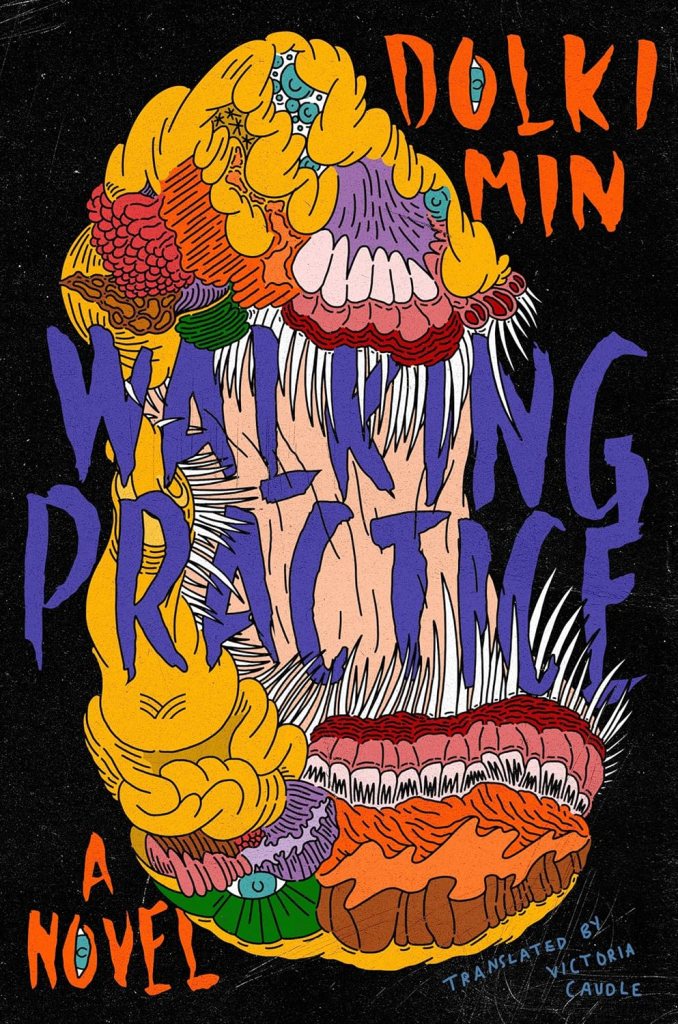
👀 First impressions: Walking Practice is unlike anything I’ve ever read before, a strange, surreal, and confronting novella that blends body horror, satire, and social commentary. Originally published in Korean in 2013 and recently translated into English, it tells the story of a shapeshifting alien who takes on different human forms to lure men, seduce them, and consume them. Beneath the grotesque premise lies a sharp critique of gender, identity, and the way society polices bodies and desires.
✅ What I Liked: I loved how sharp and unsettling the prose was, pulling me deep into the alien’s fragmented thoughts and perceptions. The way Dolki Min blends science fiction, horror, and satire makes the book feel both bizarre and brilliant, offering something completely fresh. I also found the alien’s perspective fascinating because it challenges so many assumptions about gender, conformity, and identity. Even in its darkest moments, there were flashes of strange humour that cut through the horror, making the story even more compelling.
❎ What I didn’t Like: That said, the violence and body horror are extremely graphic, which will be a major barrier for many readers. At times, the narrative felt disjointed and repetitive, pulling me out of the rhythm of the story. This isn’t a book for someone seeking a straightforward plot or clean resolution—it leans into the unsettling and the abstract.
📚 Why You Should Read This Book: If you want a short, provocative, and disturbing read that lingers long after you close the final page, Walking Practice is worth your time. It is a book for those who enjoy experimental fiction and translated literature, or for readers who relish the challenge of a story that pushes at the boundaries of genre and comfort zones.
💭 Final Thoughts: Walking Practice is visceral, haunting, and wildly original. It unsettles, disturbs, and provokes thought in equal measure. Dolki Min has created something grotesque yet strangely beautiful. a work that forces readers to confront uncomfortable truths about identity and the human condition.
There’s something about autumn that calls for a good book — the crisp air, the crunch of leaves, and the perfect excuse to curl up with a blanket, a hot drink, and a story that fits the season. This week’s What to Read Wednesday is all about Autumnal Escapes — books that capture the atmosphere of fall, whether that’s through gothic chills, cozy magic, or that irresistible sense of change in the air.
🍁 The Once and Future Witches by Alix E. Harrow
Set in an alternative 1893 where suffragists are witches, this book oozes autumnal vibes with magic, folklore, and sisterhood. Perfect for readers who want their seasonal escape tinged with spells, shadows, and whispers of history.
🔮 The Thirteenth Tale by Diane Setterfield
A gothic mystery about a reclusive author and her hidden past, this one is drenched in atmosphere: crumbling mansions, family secrets, and candlelit nights. It’s a classic for good reason, and ideal for long evenings as the nights draw in.
🦉 The Secret History by Donna Tartt
Dark academia and autumn go hand in hand. This is the quintessential campus novel: murder, obsession, and a group of classics students whose lives spiral out of control. Tartt’s lush prose practically smells of old books and fallen leaves.
🔥 Practical Magic by Alice Hoffman
For those who prefer a lighter, cozier touch, Hoffman’s beloved novel about the Owens sisters is a staple autumn read. Love, magic, and family drama — with that bittersweet edge that makes it perfect for the season.
🕯️ Small Angels by Lauren Owen
Set in a haunted wood where folklore and ghost stories come to life, this modern gothic novel captures that in-between feeling of autumn: beautiful but eerie. It’s lyrical, immersive, and slightly spooky, just right for September evenings.
Post-WWII Scotland, autumn fog, and folklore collide in this haunting novel about a small island plagued by visions of the mythical Wild Hunt. Atmospheric and chilling, it’s the kind of book that feels like walking into mist.
🕯️ A Lesson in Darkness by Emma Denny
A gothic queer historical romance filled with towers, forbidden magic, and flickering candlelight. Perfect if you want your autumn reads dark, dramatic, and tinged with romance.
🍂 The Deathless Girls by Kiran Millwood Hargrave
A feminist gothic YA retelling that explores the untold story of Dracula’s brides. Full of forests, folklore, and sisterhood, it’s moody and made for October nights.
🦉 Ghost Lake by Nathan Niigan Noodin Adler
A collection of interconnected Indigenous horror stories set around a fictional lake. Rooted in Anishinaabe traditions, it’s eerie, original, and a refreshing departure from the usual gothic canon.
🐺 Thornhedge by T. Kingfisher
A novella that flips the Sleeping Beauty tale on its head — whimsical, eerie, and deeply atmospheric. At under 150 pages, it’s the perfect one-sitting autumnal escape.
Why These Books?
They’re atmospheric, immersive, and seasonal. Some lean toward the spooky, others the cozy, but all are perfect companions for this time of year. Autumn is about transition, and these stories let you step into worlds where change is at the heart — whether that’s magical awakenings, secrets uncovered, or lives reshaped.
✨ That’s it for this week’s What to Read Wednesday! Tell me — what’s your favourite autumnal read? Do you prefer your fall books cozy and comforting, or eerie and gothic?
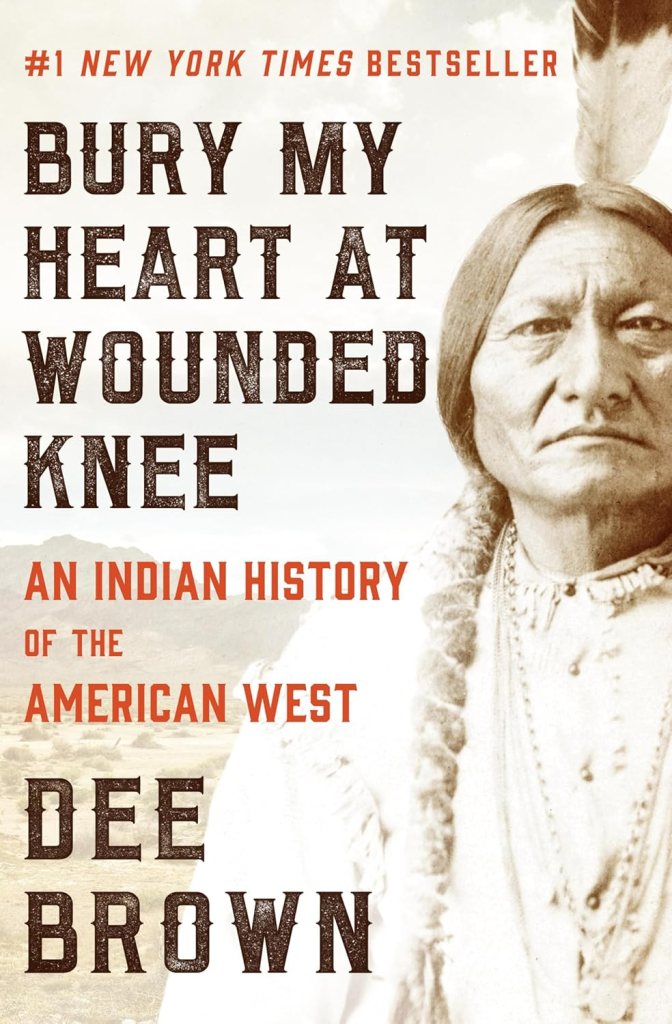
👀 First impressions: This has been one of those books sitting on my “to read” list for years, and I was lucky enough to stumble across a copy in a charity shop. First published in 1970, Bury My Heart at Wounded Knee quickly became one of the most significant works of American history ever written. Dee Brown, a librarian and historian, set out to tell the story of westward expansion from the perspective of Native Americans, using government documents, council records, and eyewitness testimony. Instead of a triumphant narrative of settlers, pioneers, and “manifest destiny,” Brown uncovers the broken treaties, massacres, and cultural devastation inflicted upon Native peoples from the 1860s through to the 1890 Wounded Knee Massacre. It’s a heavy, detailed, and unflinching account that changed how history was written and remembered.
✅ What I Liked: What struck me most was the way Brown shifted the perspective. By writing from Native viewpoints, he highlighted chiefs, warriors, and communities often erased from mainstream history, giving them back their voices. The depth of research is also impressive, with primary sources woven into the narrative in a way that feels authentic, immediate, and painfully real. I also appreciated the structure, which moves tribe by tribe and incident by incident, slowly building a devastating cumulative picture rather than presenting isolated tragedies. Although it is nonfiction, the prose often carries the weight of a tragic epic, which makes it engaging while still rooted firmly in fact.
❎ What I didn’t Like: This is not light reading, and the sheer repetition of betrayal, broken treaties, and massacres can feel overwhelming and emotionally exhausting. At times, the detail becomes dense, with names, dates, and places that may be difficult to follow if you are not already familiar with U.S. geography or the histories of different Native tribes. Since the book was first published in 1970, the language does not always reflect the sensitivity of more modern writing on Indigenous issues, though Brown’s intent is clearly one of respect.
📚 Why You Should Read This Book: If you want to understand U.S. history beyond the simplified version often taught in schools, this book is essential. It reframes westward expansion not as progress but as conquest and colonisation, forcing us to reckon with the cost of that “progress.” It also influenced generations of historians and activists, becoming a landmark in Native American history writing.
💭 Final Thoughts: Bury My Heart at Wounded Knee is not a comfortable book, nor should it be. It compels readers to face the violent displacement and attempted erasure of Native Americans in the nineteenth century. While emotionally heavy and sometimes academically dense, its historical importance and the power of its narrative make it unforgettable.
✨ Unflinching, unsettling, and unforgettable, Ottessa Moshfegh is the queen of writing women who are gloriously weird, difficult, and disturbingly real.
⚠️ Content Note: Moshfegh’s works frequently contain depictions of depression, substance abuse, violence, disturbing imagery, and morally complex characters. Reader discretion advised.
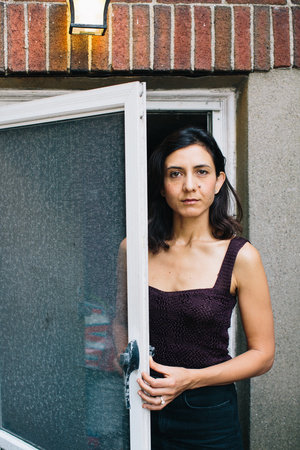
Ottessa Moshfegh has carved out a space in contemporary literature where the grotesque and the tender sit side by side. Known for her razor-sharp prose and her unapologetically unlikable heroines, she challenges the reader to look at what is ugly, awkward, or uncomfortable, and to stay there. Her books aren’t about being likable; they’re about being honest.
Who is Ottessa Moshfegh?
Born in 1981 in Boston, Massachusetts, Moshfegh is the daughter of a Croatian mother and an Iranian father of Jewish descent, both musicians. This multicultural heritage brings a unique perspective to her work, blending different cultural sensibilities with her sharp literary voice. She studied English at Barnard College and later earned her MFA from Brown University. Her mixed cultural background, along with her training in music and literature, deeply informs the rhythm and sharpness of her writing.
Her rise in the literary world was quick: with her novella McGlue (2014) she won both the Fence Modern Prize in Prose and the Believer Book Award, and she’s since become one of the most distinctive voices in contemporary fiction.
Literary Influences & Style
Moshfegh draws inspiration from masters of psychological realism like Clarice Lispector and Jean Rhys, crafting prose that’s both brutally honest and unexpectedly lyrical. Her writing shares DNA with contemporary authors like Rachel Kushner and Hanya Yanagihara in its unflinching examination of difficult characters.
Essential Reads: Moshfegh Difficulty Scale
🌟 Best Starting Point: My Year of Rest and Relaxation (2018)
Intensity Level: 3/5 | Publication: 2018
Perhaps her most famous work, this cult classic follows an unnamed narrator who attempts to sleep away her life in the pursuit of renewal. Equal parts bleak and hilarious, it cemented Moshfegh as the voice of the millennial “weird girl.” Perfect entry point for new readers – darkly funny without being overwhelming.
🏆 Award Winner: Eileen (2015)
Intensity Level: 4/5 | Publication: 2015
Moshfegh’s debut novel won the Hemingway Foundation/PEN Award and was shortlisted for the Booker Prize. Set in 1960s Massachusetts, it follows Eileen, a deeply disturbed young woman working in a prison, whose life takes a dark turn after meeting a magnetic stranger. More psychologically complex than My Year.
📚 For Experienced Readers: Death in Her Hands (2020)
Intensity Level: 4/5 | Publication: 2020
A surreal and haunting novel about an elderly woman who discovers a mysterious note in the woods. Part murder mystery, part meditation on loneliness, it’s as strange and slippery as its narrator. Requires patience with unreliable narration.
⚔️ Most Challenging: Lapvona (2022)
Intensity Level: 5/5 | Publication: 2022
A medieval fable drenched in grotesque imagery, Lapvona shocked readers with its brutality, but beneath the gore lies a meditation on faith, power, and human cruelty. It shows Moshfegh’s range beyond the modern weird girl narrative. Not for the squeamish.
🚢 The Foundation: McGlue (2014)
Intensity Level: 3/5 | Publication: 2014
Her first novella, the drunken and violent tale of a sailor accused of murder, showcases her early fascination with unreliable narrators and moral decay. This work established her literary reputation by winning both the Fence Modern Prize in Prose and the Believer Book Award. Short but impactful.
If You Like These Authors, Try Moshfegh
Fans of Gillian Flynn → Start with Eileen
Lovers of Elena Ferrante → Try My Year of Rest and Relaxation
Readers of Sylvia Plath → Begin with Death in Her Hands
Devotees of Angela Carter → Jump to Lapvona
Why Read Moshfegh? (My Take)
Her work isn’t for the faint of heart, it’s dark, visceral, and often deliberately off-putting. But that’s the beauty of it. She writes about people who feel left out of society’s neat categories: the ugly, the depressed, the morally compromised, the socially awkward. In a world obsessed with polish and likability, Moshfegh makes the case for the strange, the grotesque, and the painfully real.
What draws me to her writing is how she makes the uncomfortable feel universal. Her characters are deeply flawed, yet somehow relatable in their messiness and contradictions.
Controversial Take
Moshfegh’s protagonists aren’t “empowered” in any traditional sense, and that’s precisely what makes them powerful. They reject the pressure to be likable or aspirational, choosing instead to be authentically difficult.
Book Club Discussion Starters
How do Moshfegh’s unreliable narrators affect your reading experience?
What role does class consciousness play across her works?
Are her protagonists victims, villains, or something more complex?
How does Moshfegh use physical descriptions to reveal character psychology?
Reading Order Recommendations
For Dark Comedy Lovers:My Year → Eileen → McGlue → Death in Her Hands → Lapvona
For Literary Fiction Readers:Eileen → Death in Her Hands → My Year → Lapvona → McGlue
For Horror/Gothic Fans:McGlue → Lapvona → Eileen → Death in Her Hands → My Year
Have you read Ottessa Moshfegh? Which book was your entry point? Share your thoughts in the comments below!
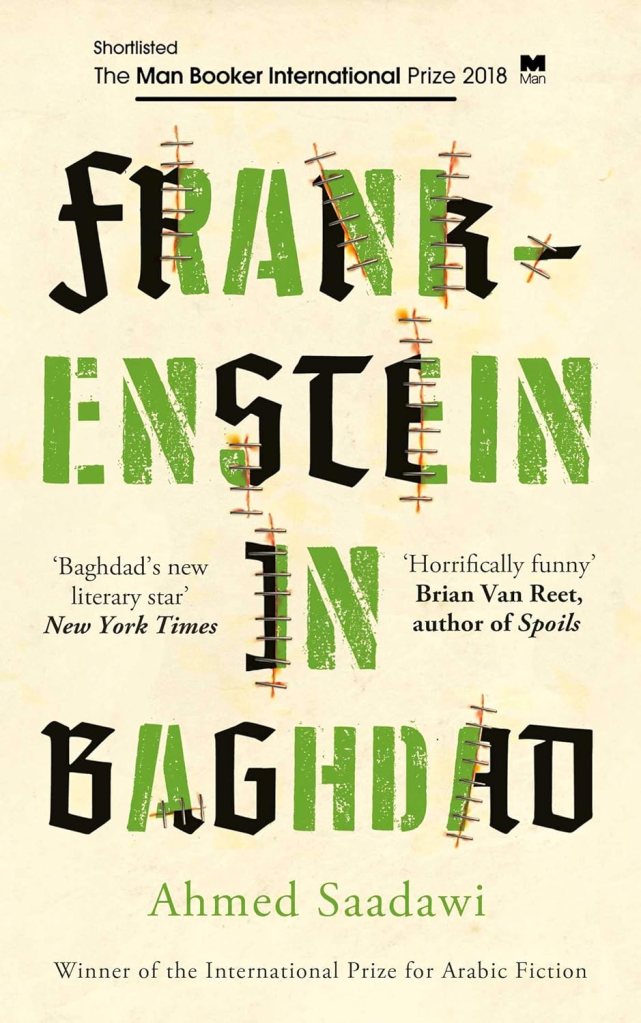
👀 First impressions: Ahmed Saadawi’s Frankenstein in Baghdad is a startling reimagining of Mary Shelley’s monster, relocated to the chaotic streets of post-invasion Iraq. Winner of the International Prize for Arabic Fiction, it follows Hadi, a junk dealer who collects body parts from bombing sites and stitches them together, hoping to give the victims a dignified burial. Instead, the corpse comes to life as the “Whatsitsname”, a creature bent on delivering justice to the killers of those it’s composed of. What unfolds is a surreal, satirical, and deeply unsettling allegory that fuses folklore, horror, and political commentary.
✅ What I Liked: verything about this novel brims with originality. The monster isn’t just a figure of horror, it’s a living embodiment of collective grief, rage, and injustice. Saadawi balances bleak violence with biting humour, giving the book a sharp satirical edge. The atmosphere of Baghdad. claustrophobic, dangerous, and yet alive with resilience, seeps into every page. Most striking of all is the way the novel forces readers to wrestle with moral ambiguity: is the creature an avenger, a murderer, or something in between? This tension makes the story unforgettable.
❎ What I didn’t Like: Honestly, very little. Some passages dip into reports and testimonies that slow the pace, but rather than feeling distracting, they ultimately add to the surreal documentary style of the novel.
📚 Why You Should Read This Book: Because it does what the very best novels do: it makes you think, it unsettles you, and it lingers long after you’ve finished. It’s a perfect choice if you enjoy literary fiction that crosses into horror and fantasy while staying firmly rooted in political and social reality. Frankenstein in Baghdad will appeal to readers of speculative fiction, lovers of Gothic classics, and anyone looking for a novel that captures the human cost of conflict in an utterly unique way.
💭 Final Thoughts: Saadawi has created a modern classic: a novel that is brutal yet tender, surreal yet grounded, horrifying yet full of empathy. It’s one of those rare books that manages to be both a gripping story and a profound social commentary.
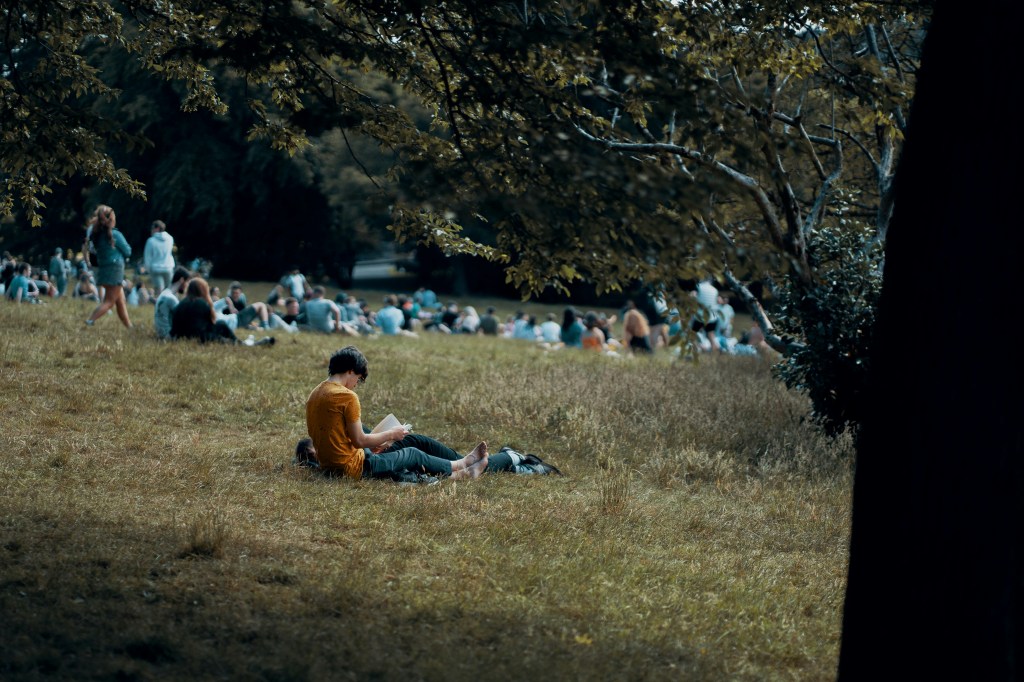
Welcome to the jungle, fellow bookworms. No, not the actual jungle, though that would make for an interesting reading spot, but the wild, unpredictable terrain of reading books in public. It’s a dangerous world out there for those of us who dare to crack open a spine in the presence of other humans. But fear not! With the right preparation and a few survival tactics, you too can navigate the treacherous waters of public reading.
The Curious Case of the Book Inspector
You know the type. You’re three chapters deep into a gripping thriller, completely absorbed in whether Detective Johnson will catch the serial killer, when suddenly a shadow falls across your page. You look up to find a stranger peering at your book cover with the intensity of a museum curator examining a rare artifact.
“What’s that book about?” they ask, as if your bookmark wasn’t clearly marking page 127 of what is obviously a work in progress.
Survival Tip #1: Develop your elevator pitch. Keep it short, sweet, and vague enough to discourage follow-up questions. “Oh, it’s about people doing things” works surprisingly well. If they persist, try the classic redirect: “Have you read anything good lately?” This either starts a lovely book conversation or sends them scurrying back to their phone.
The Emotional Minefield
Public reading becomes particularly hazardous when your book decides to get all emotional on you. One minute you’re casually sipping your coffee at a café, the next you’re ugly-crying over the death of a beloved character while strangers pretend not to notice your sniffling.
Survival Tip #2: Know your book’s emotional terrain before venturing into public. That dog memoir you’ve been meaning to read? Maybe save it for home unless you’re comfortable explaining to your seatmate on the bus why you’re sobbing into your sleeve. For public consumption, stick to books that won’t turn you into a human sprinkler system.
The Airplane Armrest Wars
Flying with a book presents unique challenges. There’s the passenger who feels compelled to read over your shoulder (personal space is apparently optional at 30,000 feet), the chatty neighbor who mistakes your book as a conversation starter rather than a “please don’t talk to me” signal, and the dreaded turbulence that turns page-turning into an extreme sport.
Survival Tip #3: Master the art of the strategic book angle. A slight tilt away from your neighbor protects your privacy while maintaining readability. For the overly chatty, invest in a book with a particularly academic or intimidating title. Nothing kills small talk quite like “Quantum Mechanics and the Philosophy of Time” (even if it’s actually a romance novel in a clever dust jacket).
The Beach Reading Paradox
Beach reading sounds idyllic until you factor in wind, sand, sun glare, and the physics of trying to hold down pages while applying sunscreen. Not to mention the inevitable moment when a rogue wave decides your paperback looks thirsty.
Survival Tip #4: Embrace the e-reader for sandy situations, or invest in book weights that don’t look like you’re conducting a scientific experiment. A large beach towel strategically placed can create a reading fortress. And always, ALWAYS bring a backup book. Sand and saltwater are natural enemies of literature.
The Commuter’s Dilemma
Rush hour reading is like playing literary Frogger. You’re trying to follow a complex plot while navigating human obstacles, fighting for precious inches of space, and praying your stop doesn’t arrive mid-paragraph. There’s also the delicate dance of bookmark placement when you need to grab a pole during sudden stops.
Survival Tip #5: Perfect the one-handed reading grip and develop peripheral vision for your stop. Keep bookmarks thin (no chunky tassels) and easily accessible. And remember, missing your stop because you were engrossed in a good book is a badge of honor in the reading community.
The Library Lurkers
You’d think libraries would be safe havens, but even these literary sanctuaries have their hazards. There’s the aggressive shusher (usually shushing people who are already silent), the person who treats study tables like their personal office, and the mysterious individual who always seems to need the exact book you’re reading.
Survival Tip #6: Scout your territory before settling in. Find spots with good natural light, minimal foot traffic, and escape routes in case of library drama. A friendly nod to regular patrons establishes you as part of the ecosystem rather than an intruder.
The Art of the Awkward Scene
Nothing tests your poker face quite like reading a steamy romance novel in public when things suddenly get… descriptive. Or finding yourself in the middle of a violent thriller scene while sitting next to someone’s grandmother on the train.
Survival Tip #7: Master the neutral expression. Practice in a mirror if necessary. Your face should reveal nothing about whether you’re reading about quantum physics or Fabio-covered passion. When in doubt, strategic coffee sips or pretend coughing can buy you time to compose yourself.
Emergency Protocols
Sometimes, despite your best preparation, public reading goes sideways. Your book falls apart (literally), you forget where you are and miss three bus stops, or you accidentally laugh out loud at a particularly funny passage in a very serious location.
Survival Tip #8: Have an exit strategy. Know where the nearest bathroom is for emergency compose-yourself breaks. Keep a backup book in case of catastrophic book failure. And remember, confidence is key. Own your reading choices and your emotional responses to them.
The Final Word
Reading in public is not for the faint of heart, but with proper preparation and the right mindset, it can be done successfully. Remember, you’re not just reading, you’re representing the entire reading community. Be proud, be prepared, and be ready for adventure.
After all, some of the best reading experiences happen in the wild. Where else can you discover a new favorite author while eavesdropping on fascinating conversations, people-watch during boring chapters, or feel the satisfaction of being the most interesting person in a waiting room simply because you brought a book?
So go forth, brave readers. The world is your reading nook, and with these survival tips in your back pocket, you’re ready for whatever literary adventures await you in the wild.
Just maybe leave the tear-jerkers at home until you’ve built up your public crying immunity.
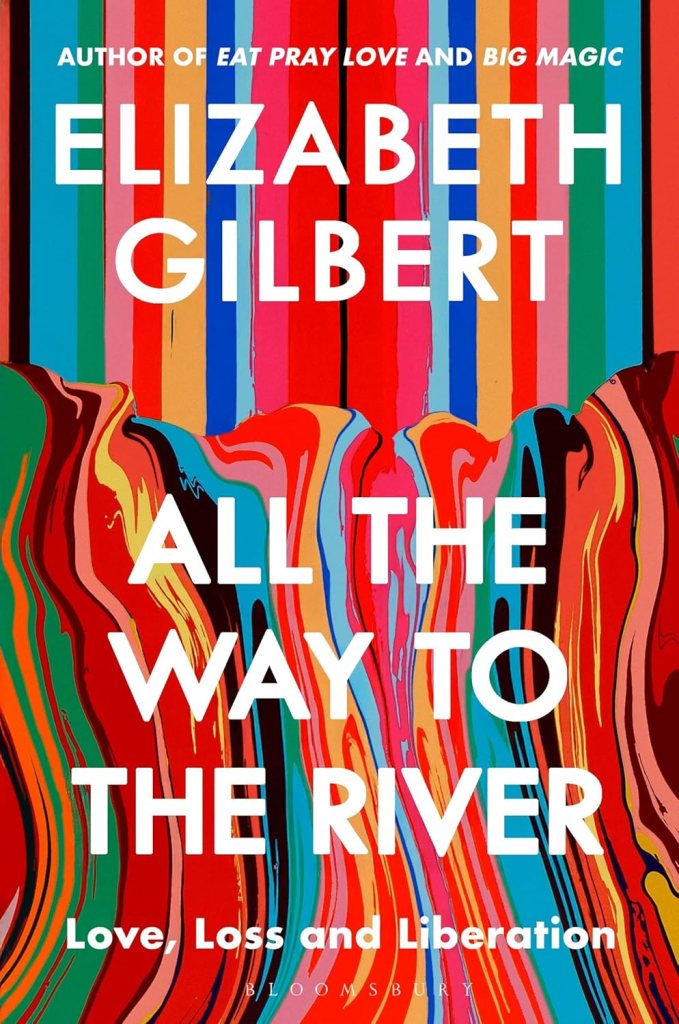
👀 First impressions: Elizabeth Gilbert, acclaimed for Eat, Pray, Love, offers another intimate exploration of life, love, and resilience in All the Way to the River: Love, Loss and Liberation. Here she uses the image of a river as both metaphor and guide, attempting to chart her way through heartbreak and personal liberation. The premise promises depth and healing, but the execution wavers between luminous insight and repetitious meandering.
✅ What I Liked: Gilbert’s lyrical style is at its best in moments of clarity—her ability to turn raw emotion into prose is unmatched. Certain passages shimmer with honesty and beauty, making the reader stop, reread, and reflect. The symbolism of water, surrender, and movement ties the memoir’s themes together in a way that feels organic and relatable.
❎ What I didn’t Like: Despite these shining moments, the narrative often drifts without a strong current. Themes of grief and release are revisited repeatedly, sometimes without fresh perspective, leaving sections feeling circular. The book lacks the momentum of her earlier works, and at times reads more like fragments of a journal than a fully realised memoir.
📚 Why You Should Read This Book: If you enjoy meditative, stream-of-consciousness writing, or if Gilbert’s voice has carried you through in the past, this book may still offer comfort. It’s for readers who don’t mind a slower, looser structure and who are looking for resonance rather than resolution.
💭 Final Thoughts: All the Way to the River is heartfelt and often moving, but it doesn’t fully deliver on its promise of transformation. Instead, it sits somewhere between personal reflection and universal truth, occasionally powerful but just as often unfocused.
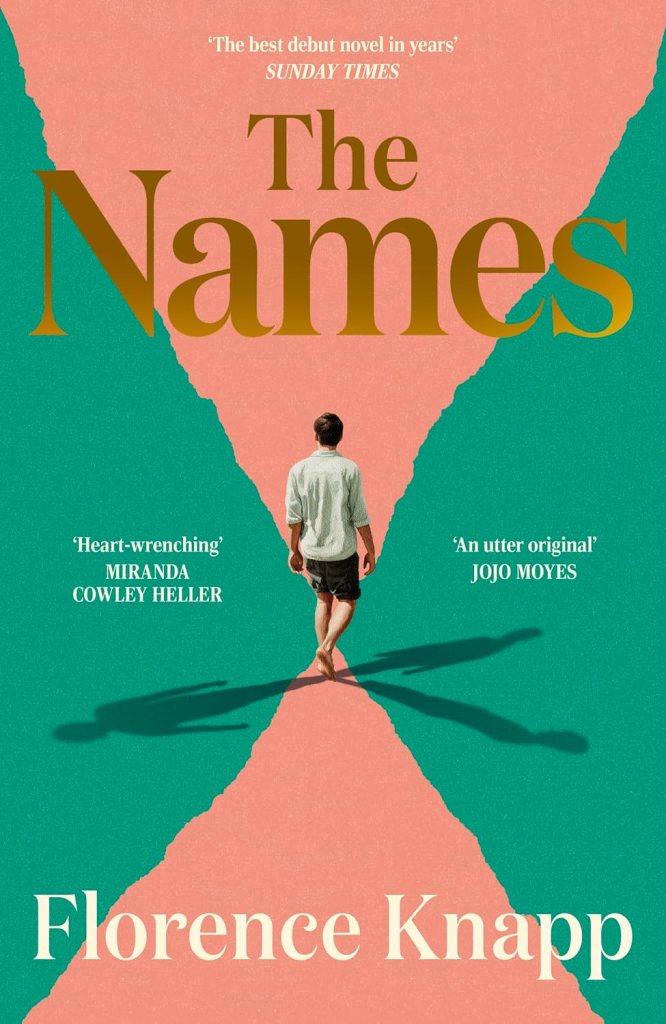
👀 First impressions: I loved the ambition of the structure. Sliding-doors style narratives can often feel confusing, but Knapp manages to weave the three timelines with clarity and precision. I found myself swept along by each version of the boy’s life and invested in the small details that made them unique. The emotional weight of the novel is another strength. Scenes of abuse are difficult to read, but they are rendered with unflinching honesty, and because of this the moments of tenderness and hope shine even more brightly. What struck me most was how the novel explores not just names, but also legacy, identity, and resilience. The writing itself is powerful and lyrical, lifting the story beyond its heavy themes and giving the reader moments of beauty amidst the hardship.
✅ What I Liked: There were times when Gordon felt more like a looming symbol of abuse than a fully developed character. His presence drives much of the tension, but I wished he had been explored in greater depth. I also noticed that some of the timelines felt stronger than others. Inevitably, I became more attached to one version of the boy’s life, which made the others seem slightly less compelling in comparison. Finally, because the subject matter is emotionally heavy, I couldn’t read the book quickly. It demanded to be taken in stages, which worked for me but might frustrate someone wanting a more accessible, lighter read.
❎ What I didn’t Like: There were times when Gordon felt more like a looming symbol of abuse than a fully developed character. His presence drives much of the tension, but I wished he had been explored in greater depth. I also noticed that some of the timelines felt stronger than others. Inevitably, I became more attached to one version of the boy’s life, which made the others seem slightly less compelling in comparison. Finally, because the subject matter is emotionally heavy, I couldn’t read the book quickly. It demanded to be taken in stages, which worked for me but might frustrate someone wanting a more accessible, lighter read.the reader moments of beauty amidst the hardship.
📚 Why You Should Read This Book: This is a novel for readers who enjoy literary fiction that is both structurally inventive and emotionally gripping. It asks big questions about who we are and who we might have been if just one detail had changed. It’s a book that lingers after you finish, and it would make an excellent choice for a book club because it invites so much discussion about fate, choice, and identity.
💭 Final Thoughts: Florence Knapp has written an original and confident debut. The Names is not always an easy read, but it is a rewarding one. It balances despair with hope, trauma with resilience, and leaves the reader reflecting long after the final page has been turned.
This week’s theme is all about the Bard—but with a twist. Shakespeare’s plays have inspired countless retellings, from contemporary YA romances to chilling dark academia thrillers. If you love his themes but struggle with the Elizabethan language, these adaptations are the perfect way to enjoy the drama, tragedy, and wit in a fresh way.
Part of the Hogarth Shakespeare project, Atwood reimagines The Tempest in a world of theatre, prisons, and grudges that won’t die. Felix, a disgraced artistic director, stages a production of The Tempest with inmates as his cast, weaving his own revenge into the play. Atwood balances sly humour with sharp commentary on power, forgiveness, and art’s ability to reshape lives.
More a Shakespearean mood than a strict retelling, this novel follows seven acting students at an elite conservatory. Their lives revolve around Shakespeare’s tragedies—until one role begins to blur dangerously with reality, leading to obsession, betrayal, and a death that leaves the group forever scarred. It’s part dark academia, part murder mystery, and dripping in Shakespearean references that fans will adore.
A modern, witty spin on The Taming of the Shrew. Kate, a socially awkward preschool assistant, is suddenly asked to marry her father’s brilliant but hapless research assistant—mainly to keep him from being deported. Tyler’s retelling is light, quirky, and pokes fun at outdated gender politics while still delivering a charming romantic comedy.
Shakespeare’s Romeo and Juliet gets a blood-soaked makeover in 1920s Shanghai. Juliette Cai, heir to the Scarlet Gang, and Roma Montagov, heir to the White Flowers, must set aside their blood feud to face an even greater threat: a monster lurking in the river and madness spreading through the city. It’s lush, fast-paced, and blends gang rivalry with supernatural horror and swoon-worthy romance.
Not a retelling of a single play, but a reimagining of the life and death of Shakespeare’s young son, Hamnet, and how that grief may have inspired Hamlet. O’Farrell paints a vivid picture of family life in Elizabethan England, especially focusing on Agnes (Shakespeare’s wife), her mysticism, and her raw grief. It’s lyrical, heart-breaking, and feels like stepping directly into the emotional core of Shakespeare’s tragedies.
Why Read Shakespeare Retellings?
They breathe new life into stories we think we know. By shifting the setting, perspective, or even genre, retellings make Shakespeare’s timeless themes—love, power, betrayal, ambition—feel instantly fresh and relevant.
So whether you’re in the mood for star-crossed lovers, political intrigue, or a touch of magic, there’s a Shakespeare-inspired book out there for you.
✨ That’s it for this week’s What to Read Wednesday! Have you read a Shakespeare retelling you loved?
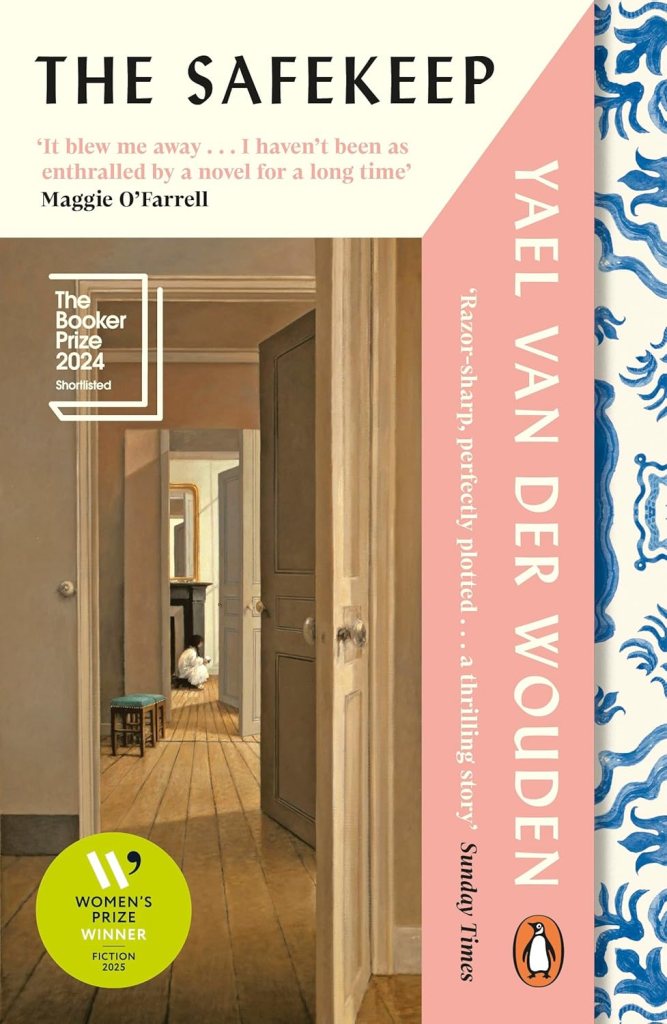
👀 First impressions: Set in 1961 in the Dutch countryside, The Safekeep follows Isabel, a young woman who has dedicated herself to maintaining her late mother’s house with almost obsessive care. Her routines and sense of order are disrupted when her brother Louis arrives with his girlfriend Eva, leaving the two women to share the space in his absence. What begins as irritation and suspicion gradually shifts into something more complicated, as Isabel finds herself both unsettled by Eva’s presence and unable to look away from her. Beneath this domestic drama lies a deeper history: the house itself carries echoes of wartime displacement and forgotten lives, and Isabel’s attempts to preserve it mirror the country’s uneasy relationship with its past. From the outset, I expected a slow, atmospheric story rooted in character and place, and I was not disappointed.
✅ What I Liked: The atmosphere is the strongest part of this novel. Van der Wouden’s writing draws the reader into a world of sensory detail, where rooms, furniture, and household objects carry both comfort and unease. The house becomes a character in its own right, holding memory within its walls. I also appreciated the complexity of the two women at the heart of the novel. Isabel is prickly, guarded, and far from conventionally likable, but her repression and longing make her a fascinating protagonist. Eva, with her boldness and unpredictability, provides the spark that sets Isabel’s carefully managed life alight. Their dynamic, full of tension and unspoken desire, is as unsettling as it is compelling. The way the novel interweaves queer awakening with the weight of history gives the story depth, making it more than just a tale of attraction, it becomes a meditation on what we keep, what we forget, and what we can no longer hide.
❎ What I didn’t Like: The pacing will not be for everyone. Much of the early section lingers on Isabel’s routines and observations, which can feel slow if you are waiting for the story to accelerate. While I found the gradual build added to the atmosphere, I can see how it might lose readers who prefer a faster narrative. Isabel herself is also difficult to warm to at first. Her critical eye and controlling nature make her hard to connect with, though the payoff comes as her inner world is slowly revealed. Finally, there are ambiguities left unresolved, which adds to the sense of haunting but may frustrate those who prefer clarity and neat conclusions.
📚 Why You Should Read This Book: If you are drawn to literary fiction that favours atmosphere over action and character exploration over plot twists, The Safekeep is worth your time. It is a story that thrives on subtlety, on unspoken tensions and repressed desires, and on the lingering ghosts of history. Readers who enjoyed the quiet intimacy of novels like Sarah Waters’ The Night Watch or the layered historical resonances of Alison MacLeod’s Tenderness will likely find a similar richness here. It is not a book that rushes you along, but one that asks you to dwell in its silences and shadows.
💭 Final Thoughts: The Safekeep is a powerful and unsettling debut that combines the intimacy of domestic life with the broader weight of post-war memory. Its atmosphere is haunting, its characters are flawed but fascinating, and its themes of desire, guilt, and remembrance linger long after the final page. While its pacing and ambiguity may not suit every reader, those who are willing to surrender to its quiet intensity will find it a deeply rewarding read.



 Minnie's Fiction Addiction