• Photo by Ross Sneddon on Unsplash

    Welcome to the jungle, fellow bookworms. No, not the actual jungle, though that would make for an interesting reading spot, but the wild, unpredictable terrain of reading books in public. It’s a dangerous world out there for those of us who dare to crack open a spine in the presence of other humans. But fear not! With the right preparation and a few survival tactics, you too can navigate the treacherous waters of public reading.

    The Curious Case of the Book Inspector

    You know the type. You’re three chapters deep into a gripping thriller, completely absorbed in whether Detective Johnson will catch the serial killer, when suddenly a shadow falls across your page. You look up to find a stranger peering at your book cover with the intensity of a museum curator examining a rare artifact.

    “What’s that book about?” they ask, as if your bookmark wasn’t clearly marking page 127 of what is obviously a work in progress.

    Survival Tip #1: Develop your elevator pitch. Keep it short, sweet, and vague enough to discourage follow-up questions. “Oh, it’s about people doing things” works surprisingly well. If they persist, try the classic redirect: “Have you read anything good lately?” This either starts a lovely book conversation or sends them scurrying back to their phone.

    The Emotional Minefield

    Public reading becomes particularly hazardous when your book decides to get all emotional on you. One minute you’re casually sipping your coffee at a café, the next you’re ugly-crying over the death of a beloved character while strangers pretend not to notice your sniffling.

    Survival Tip #2: Know your book’s emotional terrain before venturing into public. That dog memoir you’ve been meaning to read? Maybe save it for home unless you’re comfortable explaining to your seatmate on the bus why you’re sobbing into your sleeve. For public consumption, stick to books that won’t turn you into a human sprinkler system.

    The Airplane Armrest Wars

    Flying with a book presents unique challenges. There’s the passenger who feels compelled to read over your shoulder (personal space is apparently optional at 30,000 feet), the chatty neighbor who mistakes your book as a conversation starter rather than a “please don’t talk to me” signal, and the dreaded turbulence that turns page-turning into an extreme sport.

    Survival Tip #3: Master the art of the strategic book angle. A slight tilt away from your neighbor protects your privacy while maintaining readability. For the overly chatty, invest in a book with a particularly academic or intimidating title. Nothing kills small talk quite like “Quantum Mechanics and the Philosophy of Time” (even if it’s actually a romance novel in a clever dust jacket).

    The Beach Reading Paradox

    Beach reading sounds idyllic until you factor in wind, sand, sun glare, and the physics of trying to hold down pages while applying sunscreen. Not to mention the inevitable moment when a rogue wave decides your paperback looks thirsty.

    Survival Tip #4: Embrace the e-reader for sandy situations, or invest in book weights that don’t look like you’re conducting a scientific experiment. A large beach towel strategically placed can create a reading fortress. And always, ALWAYS bring a backup book. Sand and saltwater are natural enemies of literature.

    The Commuter’s Dilemma

    Rush hour reading is like playing literary Frogger. You’re trying to follow a complex plot while navigating human obstacles, fighting for precious inches of space, and praying your stop doesn’t arrive mid-paragraph. There’s also the delicate dance of bookmark placement when you need to grab a pole during sudden stops.

    Survival Tip #5: Perfect the one-handed reading grip and develop peripheral vision for your stop. Keep bookmarks thin (no chunky tassels) and easily accessible. And remember, missing your stop because you were engrossed in a good book is a badge of honor in the reading community.

    The Library Lurkers

    You’d think libraries would be safe havens, but even these literary sanctuaries have their hazards. There’s the aggressive shusher (usually shushing people who are already silent), the person who treats study tables like their personal office, and the mysterious individual who always seems to need the exact book you’re reading.

    Survival Tip #6: Scout your territory before settling in. Find spots with good natural light, minimal foot traffic, and escape routes in case of library drama. A friendly nod to regular patrons establishes you as part of the ecosystem rather than an intruder.

    The Art of the Awkward Scene

    Nothing tests your poker face quite like reading a steamy romance novel in public when things suddenly get… descriptive. Or finding yourself in the middle of a violent thriller scene while sitting next to someone’s grandmother on the train.

    Survival Tip #7: Master the neutral expression. Practice in a mirror if necessary. Your face should reveal nothing about whether you’re reading about quantum physics or Fabio-covered passion. When in doubt, strategic coffee sips or pretend coughing can buy you time to compose yourself.

    Emergency Protocols

    Sometimes, despite your best preparation, public reading goes sideways. Your book falls apart (literally), you forget where you are and miss three bus stops, or you accidentally laugh out loud at a particularly funny passage in a very serious location.

    Survival Tip #8: Have an exit strategy. Know where the nearest bathroom is for emergency compose-yourself breaks. Keep a backup book in case of catastrophic book failure. And remember, confidence is key. Own your reading choices and your emotional responses to them.

    The Final Word

    Reading in public is not for the faint of heart, but with proper preparation and the right mindset, it can be done successfully. Remember, you’re not just reading, you’re representing the entire reading community. Be proud, be prepared, and be ready for adventure.

    After all, some of the best reading experiences happen in the wild. Where else can you discover a new favorite author while eavesdropping on fascinating conversations, people-watch during boring chapters, or feel the satisfaction of being the most interesting person in a waiting room simply because you brought a book?

    So go forth, brave readers. The world is your reading nook, and with these survival tips in your back pocket, you’re ready for whatever literary adventures await you in the wild.

    Just maybe leave the tear-jerkers at home until you’ve built up your public crying immunity.

    Happy reading (wherever you are)!
  • 👀 First impressions:
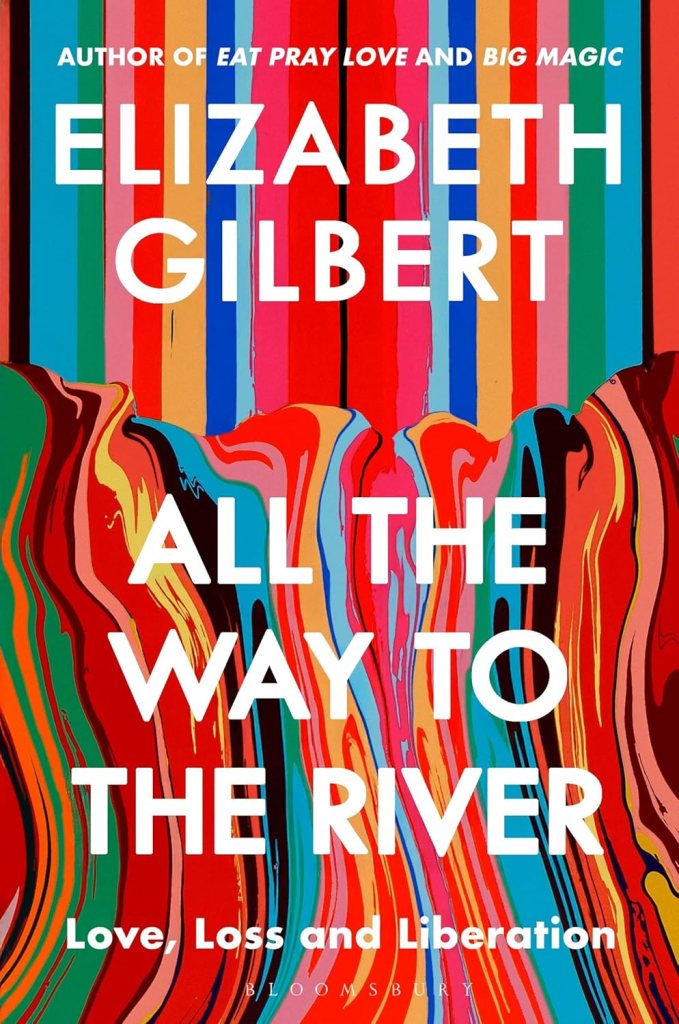
    Elizabeth Gilbert, acclaimed for Eat, Pray, Love, offers another intimate exploration of life, love, and resilience in All the Way to the River: Love, Loss and Liberation. Here she uses the image of a river as both metaphor and guide, attempting to chart her way through heartbreak and personal liberation. The premise promises depth and healing, but the execution wavers between luminous insight and repetitious meandering.

    What I Liked:
    Gilbert’s lyrical style is at its best in moments of clarity—her ability to turn raw emotion into prose is unmatched. Certain passages shimmer with honesty and beauty, making the reader stop, reread, and reflect. The symbolism of water, surrender, and movement ties the memoir’s themes together in a way that feels organic and relatable.

    What I didn’t Like:
    Despite these shining moments, the narrative often drifts without a strong current. Themes of grief and release are revisited repeatedly, sometimes without fresh perspective, leaving sections feeling circular. The book lacks the momentum of her earlier works, and at times reads more like fragments of a journal than a fully realised memoir.

    📚 Why You Should Read This Book:
    If you enjoy meditative, stream-of-consciousness writing, or if Gilbert’s voice has carried you through in the past, this book may still offer comfort. It’s for readers who don’t mind a slower, looser structure and who are looking for resonance rather than resolution.

    💭 Final Thoughts:
    All the Way to the River is heartfelt and often moving, but it doesn’t fully deliver on its promise of transformation. Instead, it sits somewhere between personal reflection and universal truth, occasionally powerful but just as often unfocused.

    🛍️ Where to buy
    To buy your own copy click HERE

    Final Rating ★★★ – Poetic but uneven reflections on grief

  • 👀 First impressions:
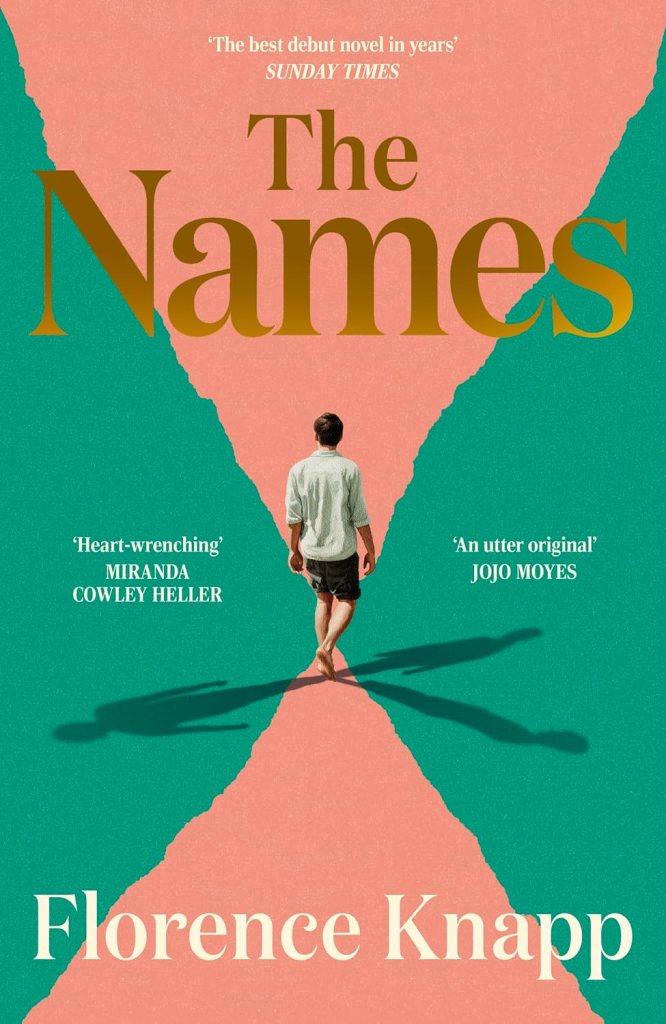
    I loved the ambition of the structure. Sliding-doors style narratives can often feel confusing, but Knapp manages to weave the three timelines with clarity and precision. I found myself swept along by each version of the boy’s life and invested in the small details that made them unique. The emotional weight of the novel is another strength. Scenes of abuse are difficult to read, but they are rendered with unflinching honesty, and because of this the moments of tenderness and hope shine even more brightly. What struck me most was how the novel explores not just names, but also legacy, identity, and resilience. The writing itself is powerful and lyrical, lifting the story beyond its heavy themes and giving the reader moments of beauty amidst the hardship.

    What I Liked:
    There were times when Gordon felt more like a looming symbol of abuse than a fully developed character. His presence drives much of the tension, but I wished he had been explored in greater depth. I also noticed that some of the timelines felt stronger than others. Inevitably, I became more attached to one version of the boy’s life, which made the others seem slightly less compelling in comparison. Finally, because the subject matter is emotionally heavy, I couldn’t read the book quickly. It demanded to be taken in stages, which worked for me but might frustrate someone wanting a more accessible, lighter read.

    What I didn’t Like:
    There were times when Gordon felt more like a looming symbol of abuse than a fully developed character. His presence drives much of the tension, but I wished he had been explored in greater depth. I also noticed that some of the timelines felt stronger than others. Inevitably, I became more attached to one version of the boy’s life, which made the others seem slightly less compelling in comparison. Finally, because the subject matter is emotionally heavy, I couldn’t read the book quickly. It demanded to be taken in stages, which worked for me but might frustrate someone wanting a more accessible, lighter read.the reader moments of beauty amidst the hardship.

    📚 Why You Should Read This Book:
    This is a novel for readers who enjoy literary fiction that is both structurally inventive and emotionally gripping. It asks big questions about who we are and who we might have been if just one detail had changed. It’s a book that lingers after you finish, and it would make an excellent choice for a book club because it invites so much discussion about fate, choice, and identity.

    💭 Final Thoughts:
    Florence Knapp has written an original and confident debut. The Names is not always an easy read, but it is a rewarding one. It balances despair with hope, trauma with resilience, and leaves the reader reflecting long after the final page has been turned.

    🛍️ Where to buy
    To buy your own copy click HERE

    Final Rating ★★★★ – An inventive, emotionally charged debut that shows how one name can shape an entire life

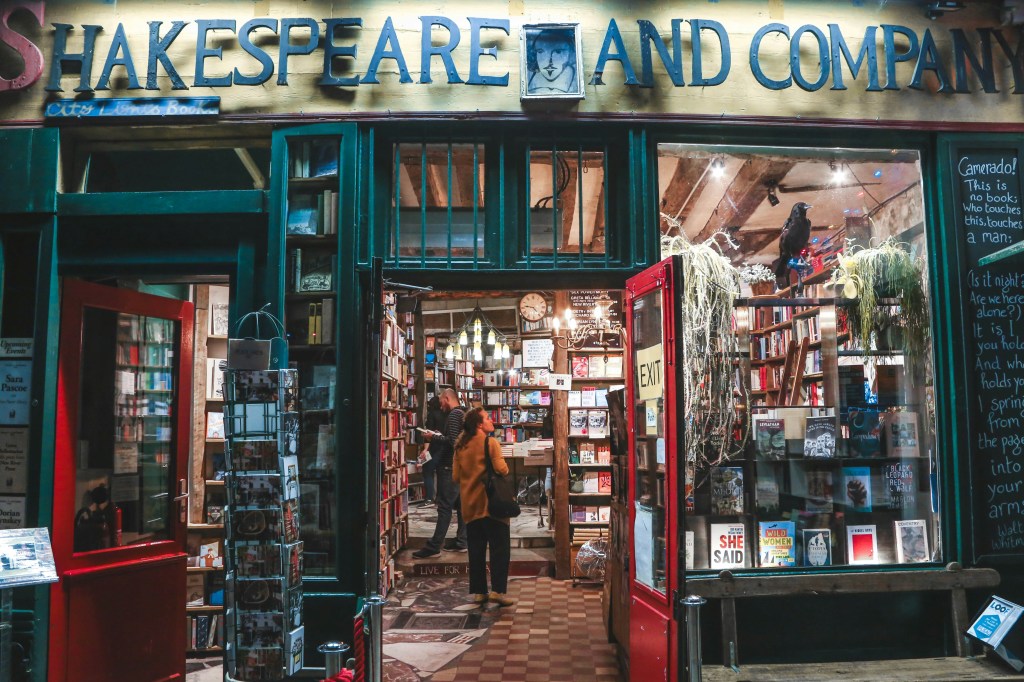
  • Photo by Mike Cox on Unsplash

    This week’s theme is all about the Bard—but with a twist. Shakespeare’s plays have inspired countless retellings, from contemporary YA romances to chilling dark academia thrillers. If you love his themes but struggle with the Elizabethan language, these adaptations are the perfect way to enjoy the drama, tragedy, and wit in a fresh way.

    Here are some retellings to add to your TBR:

    🗡 Hag-Seed by Margaret Atwood

    Part of the Hogarth Shakespeare project, Atwood reimagines The Tempest in a world of theatre, prisons, and grudges that won’t die. Felix, a disgraced artistic director, stages a production of The Tempest with inmates as his cast, weaving his own revenge into the play. Atwood balances sly humour with sharp commentary on power, forgiveness, and art’s ability to reshape lives.

    💔 If We Were Villains by M.L. Rio

    More a Shakespearean mood than a strict retelling, this novel follows seven acting students at an elite conservatory. Their lives revolve around Shakespeare’s tragedies—until one role begins to blur dangerously with reality, leading to obsession, betrayal, and a death that leaves the group forever scarred. It’s part dark academia, part murder mystery, and dripping in Shakespearean references that fans will adore.

    🧪 Vinegar Girl by Anne Tyler

    A modern, witty spin on The Taming of the Shrew. Kate, a socially awkward preschool assistant, is suddenly asked to marry her father’s brilliant but hapless research assistant—mainly to keep him from being deported. Tyler’s retelling is light, quirky, and pokes fun at outdated gender politics while still delivering a charming romantic comedy.

    🔮 These Violent Delights by Chloe Gong

    Shakespeare’s Romeo and Juliet gets a blood-soaked makeover in 1920s Shanghai. Juliette Cai, heir to the Scarlet Gang, and Roma Montagov, heir to the White Flowers, must set aside their blood feud to face an even greater threat: a monster lurking in the river and madness spreading through the city. It’s lush, fast-paced, and blends gang rivalry with supernatural horror and swoon-worthy romance.

    👑 Hamnet by Maggie O’Farrell

    Not a retelling of a single play, but a reimagining of the life and death of Shakespeare’s young son, Hamnet, and how that grief may have inspired Hamlet. O’Farrell paints a vivid picture of family life in Elizabethan England, especially focusing on Agnes (Shakespeare’s wife), her mysticism, and her raw grief. It’s lyrical, heart-breaking, and feels like stepping directly into the emotional core of Shakespeare’s tragedies.

    Why Read Shakespeare Retellings?

    They breathe new life into stories we think we know. By shifting the setting, perspective, or even genre, retellings make Shakespeare’s timeless themes—love, power, betrayal, ambition—feel instantly fresh and relevant.

    So whether you’re in the mood for star-crossed lovers, political intrigue, or a touch of magic, there’s a Shakespeare-inspired book out there for you.

    ✨ That’s it for this week’s What to Read Wednesday! Have you read a Shakespeare retelling you loved?

  • 👀 First impressions:
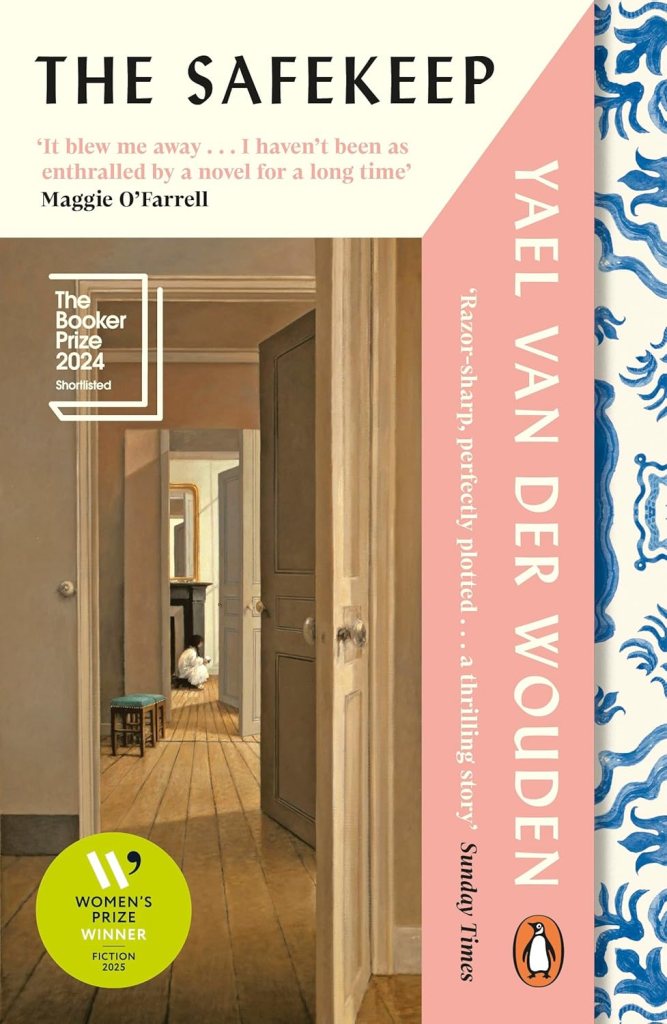
    Set in 1961 in the Dutch countryside, The Safekeep follows Isabel, a young woman who has dedicated herself to maintaining her late mother’s house with almost obsessive care. Her routines and sense of order are disrupted when her brother Louis arrives with his girlfriend Eva, leaving the two women to share the space in his absence. What begins as irritation and suspicion gradually shifts into something more complicated, as Isabel finds herself both unsettled by Eva’s presence and unable to look away from her. Beneath this domestic drama lies a deeper history: the house itself carries echoes of wartime displacement and forgotten lives, and Isabel’s attempts to preserve it mirror the country’s uneasy relationship with its past. From the outset, I expected a slow, atmospheric story rooted in character and place, and I was not disappointed.

    What I Liked:
    The atmosphere is the strongest part of this novel. Van der Wouden’s writing draws the reader into a world of sensory detail, where rooms, furniture, and household objects carry both comfort and unease. The house becomes a character in its own right, holding memory within its walls. I also appreciated the complexity of the two women at the heart of the novel. Isabel is prickly, guarded, and far from conventionally likable, but her repression and longing make her a fascinating protagonist. Eva, with her boldness and unpredictability, provides the spark that sets Isabel’s carefully managed life alight. Their dynamic, full of tension and unspoken desire, is as unsettling as it is compelling. The way the novel interweaves queer awakening with the weight of history gives the story depth, making it more than just a tale of attraction, it becomes a meditation on what we keep, what we forget, and what we can no longer hide.

    What I didn’t Like:
    The pacing will not be for everyone. Much of the early section lingers on Isabel’s routines and observations, which can feel slow if you are waiting for the story to accelerate. While I found the gradual build added to the atmosphere, I can see how it might lose readers who prefer a faster narrative. Isabel herself is also difficult to warm to at first. Her critical eye and controlling nature make her hard to connect with, though the payoff comes as her inner world is slowly revealed. Finally, there are ambiguities left unresolved, which adds to the sense of haunting but may frustrate those who prefer clarity and neat conclusions.

    📚 Why You Should Read This Book:
    If you are drawn to literary fiction that favours atmosphere over action and character exploration over plot twists, The Safekeep is worth your time. It is a story that thrives on subtlety, on unspoken tensions and repressed desires, and on the lingering ghosts of history. Readers who enjoyed the quiet intimacy of novels like Sarah Waters’ The Night Watch or the layered historical resonances of Alison MacLeod’s Tenderness will likely find a similar richness here. It is not a book that rushes you along, but one that asks you to dwell in its silences and shadows.

    💭 Final Thoughts:
    The Safekeep is a powerful and unsettling debut that combines the intimacy of domestic life with the broader weight of post-war memory. Its atmosphere is haunting, its characters are flawed but fascinating, and its themes of desire, guilt, and remembrance linger long after the final page. While its pacing and ambiguity may not suit every reader, those who are willing to surrender to its quiet intensity will find it a deeply rewarding read.

    🛍️ Where to buy
    To buy your own copy click HERE

    Final Rating ★★★★ – a beautifully written and atmospheric debut with rich themes and complex characters.

  • 👀 First impressions:
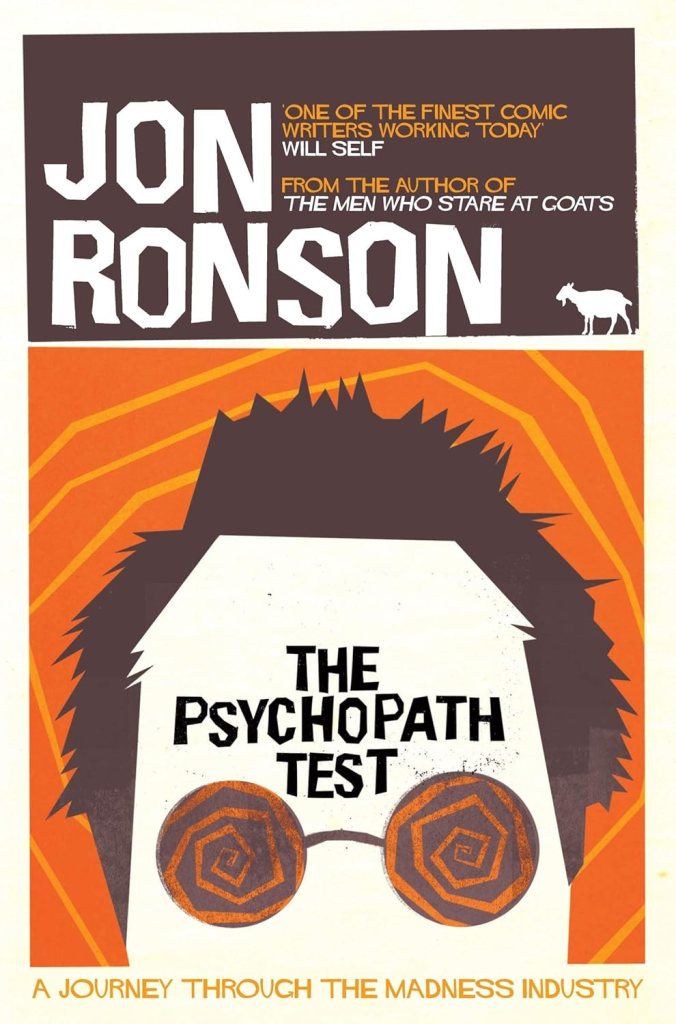
    Published in 2011, The Psychopath Test: A Journey Through the Madness Industry is Jon Ronson’s trademark blend of investigative journalism, dark humour, and curiosity about human behaviour. The book begins with an odd mystery surrounding a strange manuscript, which leads Ronson into the world of psychology, psychiatry, and the people who claim to diagnose, and sometimes exploit, mental illness. At its core, the book explores the question: What makes a psychopath? and more disturbingly, how many are walking among us?

    What I Liked:
    I found Ronson’s writing style immediately engaging. He has a way of taking complex psychological concepts and making them both accessible and entertaining without ever losing sight of the seriousness of his subject. His interviews are particularly compelling: from Scientologists to CEOs, from prisoners to psychiatrists, the conversations he recounts are surreal, funny, and unsettling in equal measure. I also appreciated the critical edge he brings, particularly his willingness to question the reliability of tools such as the Hare Psychopathy Checklist and his exploration of whether the psychiatric industry sometimes profits by pathologizing people.

    What I didn’t Like:
    That said, there were moments where I wished Ronson had delved deeper. The book raises big questions about mental illness, power, and justice, but occasionally skirts around them instead of digging in fully. At times the balance between humour and seriousness felt uneven too; while the levity often works, there are moments when the tone feels uncomfortable given the gravity of what’s being discussed.

    📚 Why You Should Read This Book:
    This is a book that will appeal to anyone interested in psychology, true crime, or quirky investigative journalism. It’s not a dry academic text but a curious, witty, and sometimes unsettling journey through the world of mental health diagnoses. If you’re a fan of Louis Theroux or enjoy nonfiction that makes you laugh even as it leaves you uneasy, this book will be right up your street.

    💭 Final Thoughts:
    The Psychopath Test doesn’t try to be a definitive guide to psychopathy, and in truth, that’s part of its charm. Instead, it shines a light on the strange and often troubling ways we define and diagnose mental health, and how those definitions ripple through society. It is a book that entertains, provokes thought, and lingers in your mind long after you’ve turned the final page.

    🛍️ Where to buy
    To buy your own copy click HERE

    Final Rating ★★★★ – A sharp, funny, and unsettling read that entertains while leaving you with more questions than answers.

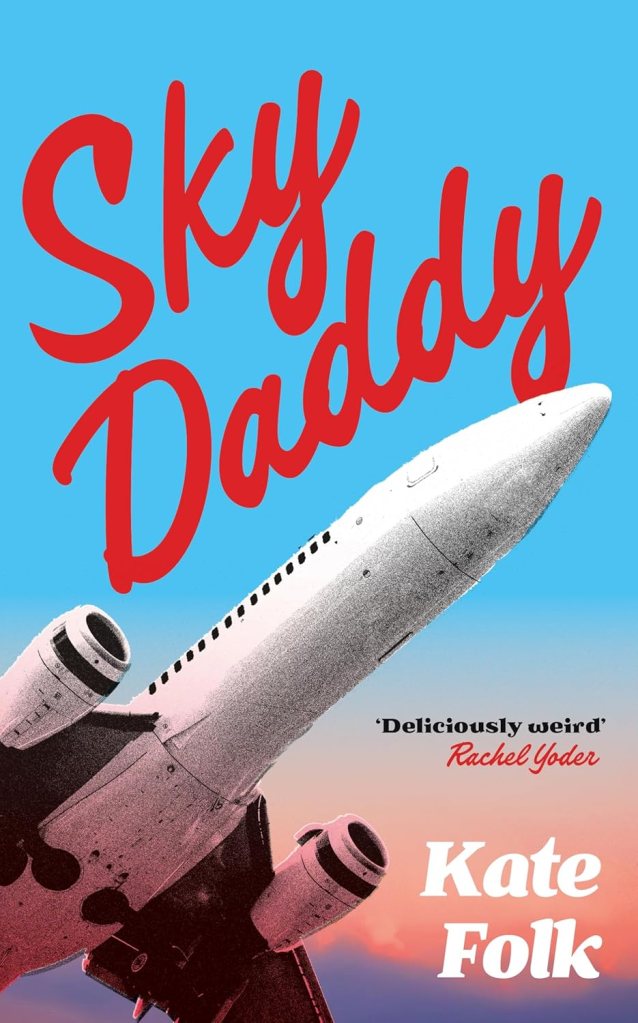
  • 👀 First impressions:
    I picked up Sky Daddy after seeing it featured on best-of lists and across literary discussions online—people couldn’t stop talking about the bizarre appeal of loving a plane. And what a premise it is. Linda, our narrator, is utterly and erotically obsessed with airplanes, dreaming of being reunited mid-flight, merging into a catastrophic crash that would bind her eternally to the machine. It sounds wild (and it is), but Folk’s dark humour and humanity make it both strangely moving and hard to forget. 

    What I Liked:
    Linda’s voice is deadpan, earnest, and so disarmingly humane that I couldn’t help but root for her, even as she quietly travels toward her own destruction. Folk balances absurdity and empathy expertly; she never mocks Linda, but paints her longing as radical honesty in a world built for cautious dreaming.

    The novel also lands as a sharp commentary on modern life: the numb drone of content moderation, isolating jobs, the idea that surrender, embodied in flying, can be both terrifying and transcendent. Folk immerses us in Linda’s world so that even the most surreal moments feel grounded in emotional truth.

    What I didn’t Like:
    The premise is undeniably unusual, which is part of the appeal, but the novelty can wear thin if you’re not settled in by Linda’s voice early on. Some may find the humor too dark or the obsession too extreme to connect with. But if Linda grabs you, the rest becomes strangely meaningful.

    📚 Why You Should Read This Book:
    Sky Daddy is perfect for readers craving something outlandishly original yet deeply reflective, think Moby-Dick meets surreal romance meets millennial ennui. If you’re a fan of Kate Folk’s voice or intrigued by stories that turn obsession into empathy, this one’s a standout.

    💭 Final Thoughts:
    This book is an audacious debut that takes you on a flight, sometimes literal, often existential, in the skies between longing and absurdity. It’s weird, yes, but also tender in its honesty. Linda’s love for planes is more than erotic fixation; it’s a radical reclaiming of desire in a world that often sneers at what we can’t easily explain.

    🛍️ Where to buy
    To buy your own copy click HERE

    Final Rating ★★★★ – A bizarre, moving ride that leaves you thinking about desire, despair, and the strange ways we seek connection

  • I’ve always believed that reading has its own seasons. Not just the publishing calendar of summer blockbusters and autumn prize-winners, but the way my own habits ebb and flow with the year. Just as I swap sandals for scarves, my TBR seems to change its flavour with the weather.

    Winter 🥶 ❄️☃️ Long Nights, Long Books

    In the depths of winter, I gravitate towards big, immersive stories. There’s something about dark evenings and frosty mornings that calls for equally weighty novels. I don’t mind if they take me weeks to finish—sometimes that’s part of the comfort. Historical sagas, multi-book crime series, or epic fantasies feel like the perfect companions when I’m tucked under a blanket, candle flickering nearby, mug of tea permanently within reach. There’s no rush; the slower pace of winter reading matches the hush of the world outside.

    Spring 🌹🌱🌼 Stories of Renewal

    , When spring arrives, so does a change in my reading mood. As the first flowers push through and the days stretch a little longer, I find myself reaching for books that feel fresh and full of possibility. Romance novels, light-hearted contemporaries, or stories about reinvention and second chances sit at the top of my list. I also spend more time outdoors, so audiobooks sneak into my routine keeping me company on walks, turning even the school run or a stroll to the shops into a mini reading session. Spring feels like a literary fresh start.

    Summer ☀️👙🕶️ Fast, Fun, and Portable

    By the time summer rolls around, my reading has fully embraced wanderlust. Whether I’m travelling in Morag (my campervan) or stretched out in the garden, I lean toward fast-paced thrillers, easy rom-coms, or fantasy adventures that keep me hooked without demanding too much concentration. Summer books have to be portable and bingeable, the kind of stories you can devour in one sitting between sightseeing stops, or pick up and put down between dips in the sea. Paperbacks in my backpack become as essential as sunscreen.

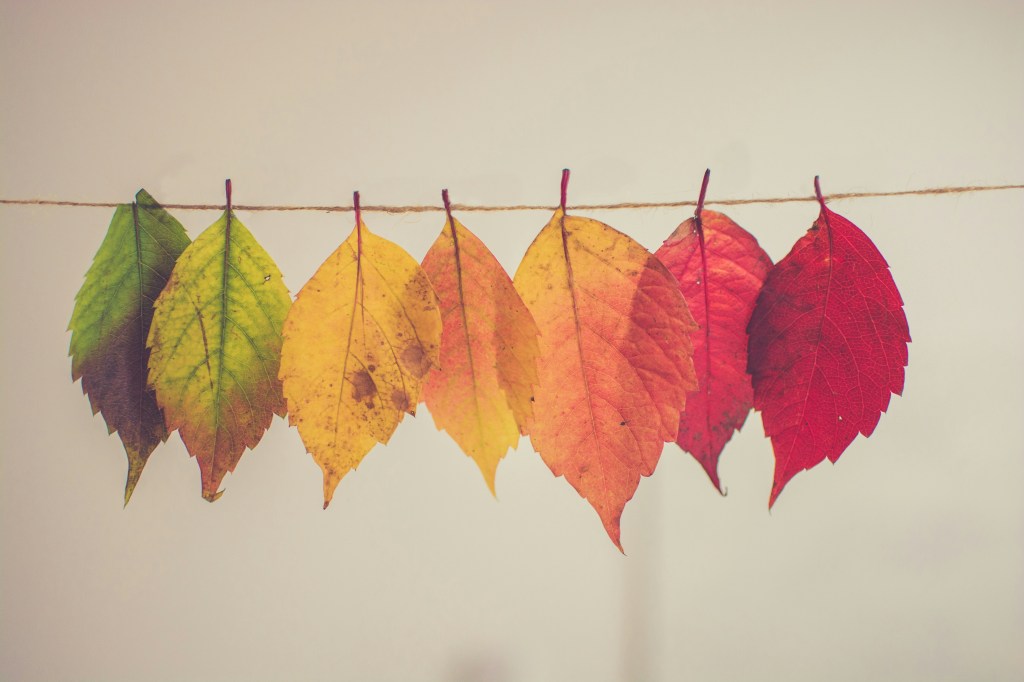
    Autumn 🍁🍂🍃 Where the Magic Happens

    And then there’s autumn. For me, this is the golden season of reading. The air turns crisp, leaves scatter the pavements, and suddenly I want books with atmosphere. Gothic novels, dark academia, eerie thrillers, and whimsical fantasies with a touch of magic all find their way into my hands. Autumn evenings are made for candles, blankets, and pages that blur the line between comfort and unease. I love stories that feel just a little dangerous, just a little enchanted, like walking through the woods at dusk and half-believing the shadows might move.

    A Year in Reading

    Over time, I’ve realised that these shifts aren’t just about genres, but about the emotions I’m chasing. In winter, I want to be absorbed. In spring, I want to feel hopeful. In summer, I want adventure and entertainment. And in autumn, I want to be enchanted.

    That’s the beauty of reading, it adapts to us. It reflects the rhythm of the world outside, and the mood we bring to the page.

    👉 What about you? Do your reading habits change with the seasons, or are you a year-round devotee of one genre? I’d love to hear which books you reach for when the weather turns.

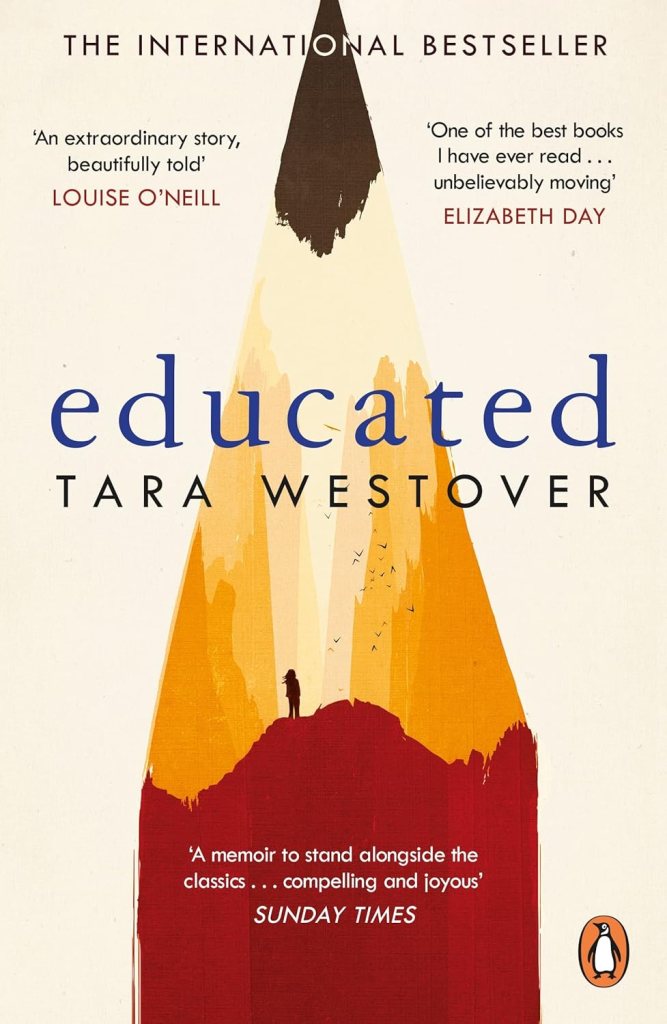
  • 👀 First impressions:
    Educated is one of those books I kept seeing everywhere, on BookTok, on Bookstagram, in “must-read memoir” lists. It felt like everyone was saying the same thing: this is worth your time. It tells the story of her childhood in a strict, survivalist family in rural Idaho, where formal education was forbidden, and her journey of self-discovery that eventually led her to earn a PhD from Cambridge University.

    I picked this one up because it’s one of those modern memoirs that everyone seems to talk about, and with good reason. From the first chapter, it’s clear this isn’t just a story about education, it’s about identity, family, faith, and the courage it takes to break away from the only world you’ve ever known.

    What I Liked:
    Westover’s writing is both stark and lyrical. She doesn’t sensationalize her experiences, but she conveys them with raw honesty and striking clarity. The memoir grapples with big themes, abuse, isolation, resilience, but always through the lens of Tara’s deeply personal perspective.

    What stood out most to me was the tension between loyalty to family and the pursuit of freedom. Watching Tara navigate the painful process of reconciling those two forces was heartbreaking and inspiring in equal measure. I also admired her ability to reflect on her story with compassion, even for those who hurt her most.

    What I didn’t Like:
    Honestly, very little. There are moments where the narrative feels repetitive, especially in the cycle of family conflict and reconciliation, but that repetition also mirrors the lived reality of trauma. Some readers might wish for more resolution with certain family members, but the lack of tidy closure makes the story feel all the more real.

    📚 Why You Should Read This Book:
    If you enjoy memoirs that challenge, inspire, and stay with you long after the final page, Educated is essential reading. It’s a story about more than one woman’s education—it’s about the transformative power of knowledge, the resilience of the human spirit, and the painful, complicated ties of family.

    💭 Final Thoughts:
    Educated is one of those rare memoirs that feels both deeply personal and universally relevant. It’s about the cost of freedom, the power of learning, and the courage it takes to rewrite your own story. Unflinching and beautifully written, it’s a book I’ll be thinking about for a long time.

    🛍️ Where to buy
    To buy your own copy click HERE

    Final Rating ★★★★★ –

  • 👀 First impressions:
    Caraval is the first book in Stephanie Garber’s fantasy trilogy, where magic and illusion blur the line between performance and reality. Sisters Scarlett and Donatella finally get the chance to attend Caraval, a mysterious game where the audience becomes part of the show. But when Tella is kidnapped, Scarlett must navigate a world of dazzling enchantments, dangerous bargains, and shifting truths to win her sister back.

    I picked this one up because my bestie absolutely loves it and has been encouraging me to read it for ages. With all the hype and the comparisons to The Night Circus, I was curious to see what all the fuss was about.

    What I Liked:
    The atmosphere is definitely the novel’s strongest point. Garber paints Caraval as a place dripping with colour, mystery, and temptation, you can practically taste the magic. The relationship between Scarlett and Tella also stood out; even when the romance and illusions take over the narrative, that sisterly bond remains the book’s emotional anchor.

    I also liked the constant uncertainty, never being quite sure what was real and what was performance kept me engaged.

    What I didn’t Like:
    While I could appreciate the imagery, at times the prose felt overly flowery, pulling me out of the story instead of immersing me further. The pacing also wavered: some parts raced along with high tension, while others dragged under the weight of description.

    Scarlett, as the protagonist, frustrated me a little. Her hesitancy made sense for her character arc, but it often slowed the momentum and left me wishing for more spark in her decisions.

    📚 Why You Should Read This Book:
    If you love immersive worldbuilding, lush descriptions, and whimsical-yet-dark magical settings, Caraval could easily be your next favourite. It thrives on atmosphere and escapism, and with two sequels (Legendary and Finale), the series offers plenty more to explore.

    💭 Final Thoughts:
    While I didn’t love Caraval as much as my bestie did, I can see the appeal. It’s imaginative, dramatic, and filled with twists, but the style and pacing just didn’t click with me. That said, it’s one of those books where if the premise and aesthetic draw you in, you’ll probably fall hard for it.

    🛍️ Where to buy
    To buy your own copy click HERE

    Final Rating ★★★ – An imaginative fantasy that didn’t quite live up to the hype for me