
• πŸ‘€Β First impressions:
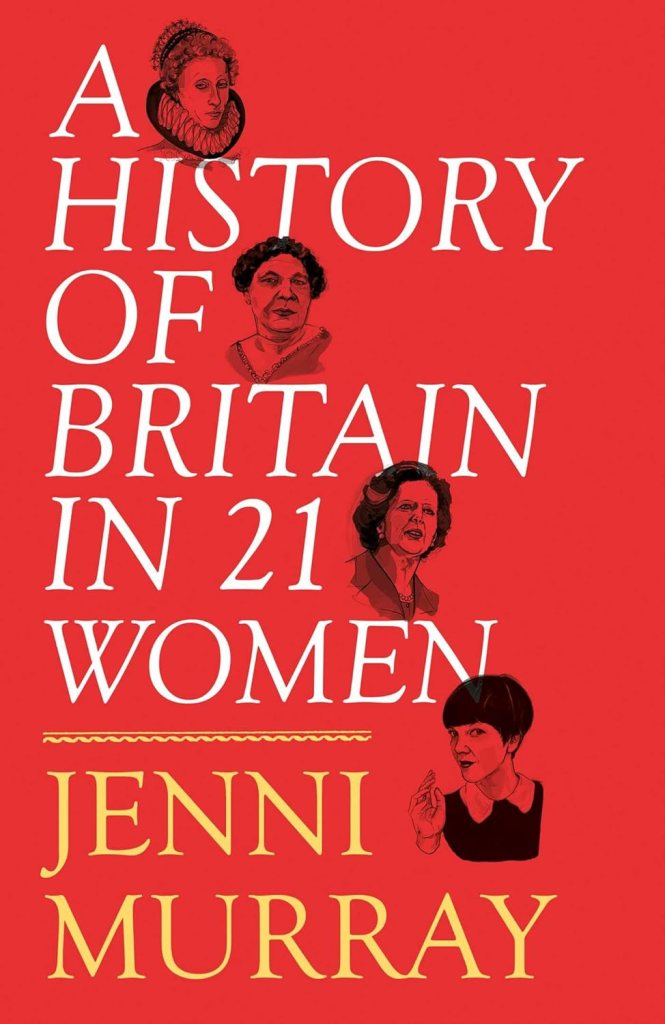
    A History of Britain in 21 WomenΒ sets out with a clear and purposeful aim to reclaim space for women who have shaped British history but are too often sidelined or forgotten. Jenni Murray brings together a diverse group of women from different eras, backgrounds and walks of life, ranging from well known figures to those whose contributions deserve far more recognition. The tone is accessible and conversational, making this feel less like a traditional history book and more like a guided tour through overlooked stories.

    βœ… What I Liked:
    One of the book’s greatest strengths is its range. The women featured span centuries and social classes, showing how influence can take many forms, from political power and activism to cultural and social change. Murray’s writing is warm and engaging, clearly driven by admiration and curiosity rather than dry academic detachment. Each chapter feels distinct, allowing the reader to dip in and out while still gaining a broader understanding of how women’s roles have shaped Britain over time.

    ❎ What I didn’t Like:
    At times the book feels more introductory than in depth. Some chapters end just as they become most interesting, leaving you wanting more detail or deeper analysis. Readers already familiar with certain figures may find parts a little surface level, and the selection of twenty one women, while strong, inevitably means notable omissions.

    πŸ“š Why You Should Read This Book:
    This is an excellent starting point for anyone looking to explore British history through a more inclusive lens. It is particularly well suited to readers who enjoy narrative history and personal stories rather than dense academic texts. The book also works well as a gift, offering both education and inspiration without feeling intimidating or overly scholarly.

    πŸ’­ Final Thoughts:
    A History of Britain in 21 WomenΒ succeeds in challenging the traditional historical narrative by placing women firmly at its centre. Jenni Murray highlights how much richer and more complex history becomes when different voices are acknowledged. While it may not satisfy readers looking for exhaustive detail, it excels as an engaging and thoughtful celebration of women who helped shape the nation.

    πŸ›οΈ Where to buy
    To buy your own copy click HERE and HERE

    Final Rating β˜…β˜…β˜…β˜… – A compelling and accessible reimagining of British history through women’s stories
  • πŸ‘€Β First impressions:
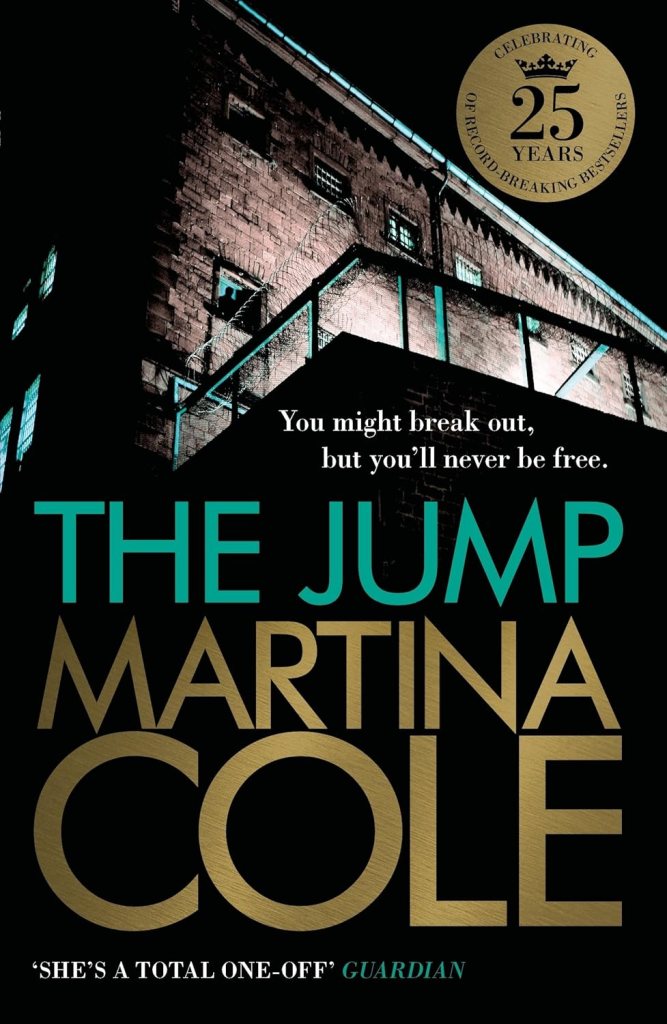
    The JumpΒ opens with a chilling promise that freedom is never quite what it seems. At the heart of the story is Donna Brunos, a woman whose love for her imprisoned husband borders on obsession. Convinced that Georgio has been framed for armed robbery, Donna commits to an extraordinary and dangerous plan to break him out of prison. As the plot unfolds, the novel shifts from a story of marital loyalty to something far darker, revealing the brutal reality of the criminal world Donna is stepping into and the unsettling truth about the man she married.

    βœ… What I Liked:
    Martina Cole excels at portraying emotional manipulation and blind devotion. Donna is a compelling protagonist, not because she is admirable, but because she is painfully believable. Her determination, denial and gradual awakening are handled with real psychological weight. The tension builds steadily as the escape plan develops, with plenty of shocking twists that keep the story gripping. Cole’s depiction of crime is raw and unsentimental, and the atmosphere is thick with menace from start to finish.

    ❎ What I didn’t Like:
    The bleakness is relentless, and there is very little light to offset the darkness of the narrative. Some readers may find Donna’s repeated justifications frustrating, especially as the truth about Georgio becomes clearer. The violence and emotional cruelty are intense, and the novel does not shy away from uncomfortable territory, which will not suit every reader.

    πŸ“š Why You Should Read This Book:
    If you enjoy gritty British crime fiction that focuses as much on psychology as it does on plot,Β The JumpΒ is well worth picking up. It explores how love can be weaponised and how easily trust can become a trap. Fans of high tension thrillers with morally complex characters will find this a compelling and disturbing read.

    πŸ’­ Final Thoughts:
    The JumpΒ is a stark reminder that breaking out does not guarantee freedom. Martina Cole delivers a powerful story about control, deception and the price of misplaced loyalty. It is unsettling, gripping and emotionally draining in the way only the best crime fiction can be, leaving you questioning how far love should ever be allowed to go.

    πŸ›οΈ Where to buy
    To buy your own copy click HERE and HERE

    Final Rating β˜…β˜…β˜… – Dark, disturbing and driven by devastating emotional truths

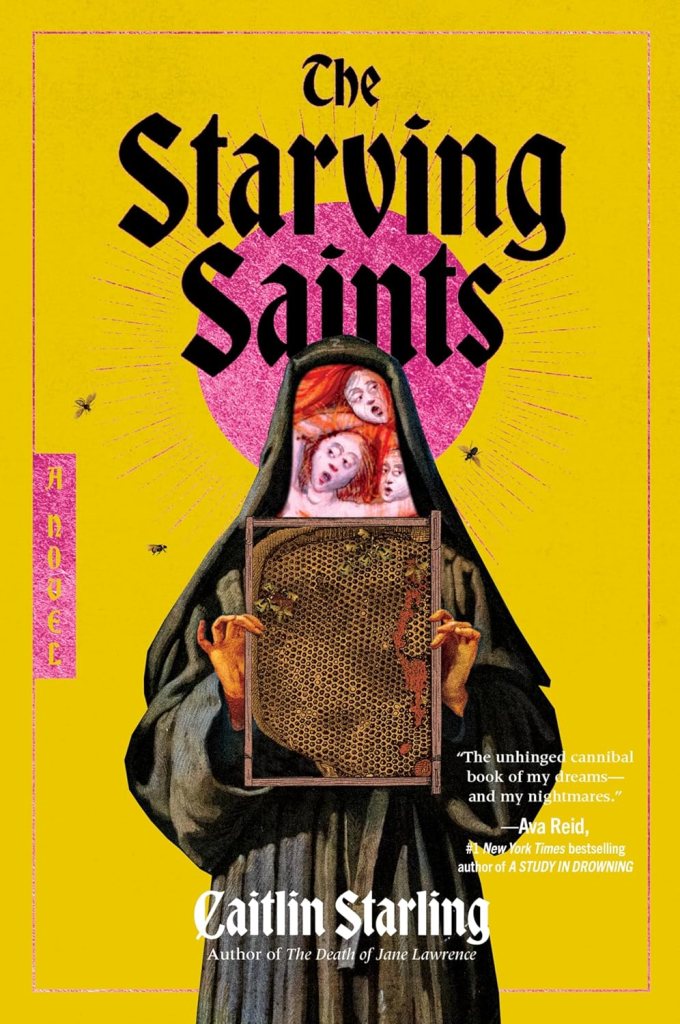
  • πŸ‘€Β First impressions:
    The Starving SaintsΒ opens in desperation. Aymar Castle has been under siege for six months, food is almost gone, and survival itself has become a moral question. When divine figures arrive offering miracles, healing, and endless feasts in exchange for devotion, hope curdles into something far more disturbing. The premise immediately promises religious horror rooted in hunger, power, and belief, and it does not hold back.

    βœ… What I Liked:
    The atmosphere is intoxicating and grotesque in equal measure. Starling excels at blending sacred imagery with bodily horror, making every miracle feel wrong in a way that is impossible to ignore. The three central women are sharply drawn and compelling, each responding differently to temptation and terror. Voyne’s devotion, Phosyne’s frantic need for rational explanation, and Treila’s quiet, simmering rage create a tense emotional triangle that drives the story forward. The descent into bacchanalian madness is handled with confidence, showing how easily survival instincts can be manipulated into worship and excess.

    ❎ What I didn’t Like:
    The novel is deliberately dense, both thematically and stylistically. The pacing is slow and heavy, particularly in the middle, and the sensory detail can feel overwhelming rather than immersive at times. Readers who prefer clean answers or restrained symbolism may find the ambiguity frustrating.

    πŸ“š Why You Should Read This Book:
    This is a perfect pick for readers who enjoy literary horror that interrogates faith, power, and desire. If you like stories where miracles feel like threats and salvation comes at an unbearable cost, this book delivers something bold and unforgettable.

    πŸ’­ Final Thoughts:
    The Starving Saints is a fever dream of devotion and decay. It explores how belief can rot into control, how hunger reshapes morality, and how survival can demand reinvention of both self and world. It is unsettling, ambitious, and unapologetically strange, the kind of book that lingers long after the final page.

    πŸ›οΈ Where to buy
    To buy your own copy click HERE and HERE

    Final Rating β˜…β˜…β˜…β˜… – Lush, horrifying, and dangerously seductive

  • πŸ‘€Β First impressions:
    Under the EagleΒ is the opening book in the Eagles of the Empire series and wastes no time throwing the reader into the grit and discipline of the Roman army. Set during the invasion of Britain, the story follows young aristocrat Cato and hardened veteran Macro as they are forced to work together in a world ruled by hierarchy, violence, and loyalty to Rome. From the first chapters, it is clear this will be a character driven military adventure rather than a sweeping political epic.

    βœ… What I Liked:
    The dynamic between Cato and Macro is the heart of the novel. Their clash of backgrounds, values, and experience creates both tension and humour, making their partnership compelling to follow. Scarrow excels at action scenes, particularly battle sequences, which feel chaotic, brutal, and vividly real. The depiction of Roman military life is immersive without becoming overwhelming, striking a strong balance between historical detail and narrative momentum

    ❎ What I didn’t Like:
    Some of the secondary characters feel underdeveloped, largely existing to move the plot forward. There are also moments where the prose is functional rather than stylish, prioritising pace over depth. If you are looking for lush language or deep psychological exploration, this may feel a little straightforward.

    πŸ“š Why You Should Read This Book:
    If you enjoy historical fiction with strong action, camaraderie, and a clear sense of setting, this is an excellent choice. It is especially appealing for readers interested in Roman Britain or military history who want a gripping story rather than a dry lesson.

    πŸ’­ Final Thoughts:
    Under the Eagle is a confident and energetic series opener that knows exactly what it wants to be. It delivers compelling characters, relentless pacing, and a vivid sense of danger, setting the stage for a long and addictive saga. It is the kind of book that makes you want to immediately pick up the sequel.

    πŸ›οΈ Where to buy
    To buy your own copy click HERE and HERE

    Final Rating β˜…β˜…β˜…β˜… – Brutal, fast paced, and hugely entertaining

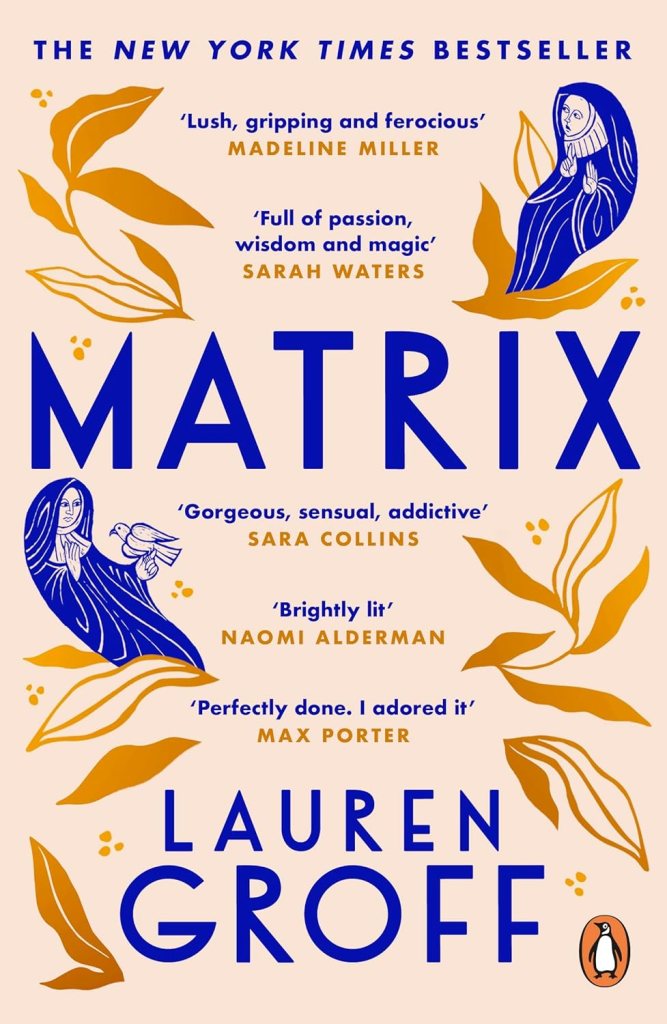
  • πŸ‘€Β First impressions:
    MatrixΒ opens with exile and rejection. Born from a long line of female warriors and crusaders but deemed too coarse for courtly life, Marie de France is cast out of the royal court and sent to Angleterre to become prioress of a failing abbey. What initially feels like punishment soon becomes opportunity, as Marie begins to reshape the convent into something radical. From the outset, the novel signals that this is not a traditional historical story, but a reimagining of power, faith, and female autonomy.

    βœ… What I Liked:
    The strength of this book lies in its voice. Groff’s prose is commanding and immersive, pulling the reader deep into Marie’s inner world. The transformation of the abbey into a female utopia is both brutal and beautiful, grounded in hard labour, discipline, and vision rather than idealism. Marie herself is complex, often harsh, deeply flawed, and utterly compelling. I also loved how the novel reframes medieval womanhood, presenting women not as passive figures but as builders, leaders, and architects of their own survival.

    ❎ What I didn’t Like:
    This is a dense and demanding read. The pacing is slow and introspective, with long stretches focused on internal thought rather than action or dialogue. If you prefer plot driven historical fiction or character interaction, this may feel distant or heavy at times. It is a book that requires patience and attention.

    πŸ“š Why You Should Read This Book:
    Matrix is perfect for readers who enjoy literary historical fiction with big ideas. If you are drawn to stories about women creating alternative systems of power, challenging patriarchal structures, and redefining faith and leadership, this book offers something bold and memorable.

    πŸ’­ Final Thoughts:
    Matrix feels like a myth carved out of history rather than a straightforward retelling. It is fierce, strange, and quietly revolutionary, asking what might happen if women were given the space to rule, create, and endure on their own terms. It is not always comfortable, but it is deeply rewarding.

    πŸ›οΈ Where to buy
    To buy your own copy click HERE and HERE

    Final Rating β˜…β˜…β˜…β˜…- Fierce, immersive, and unapologetically female

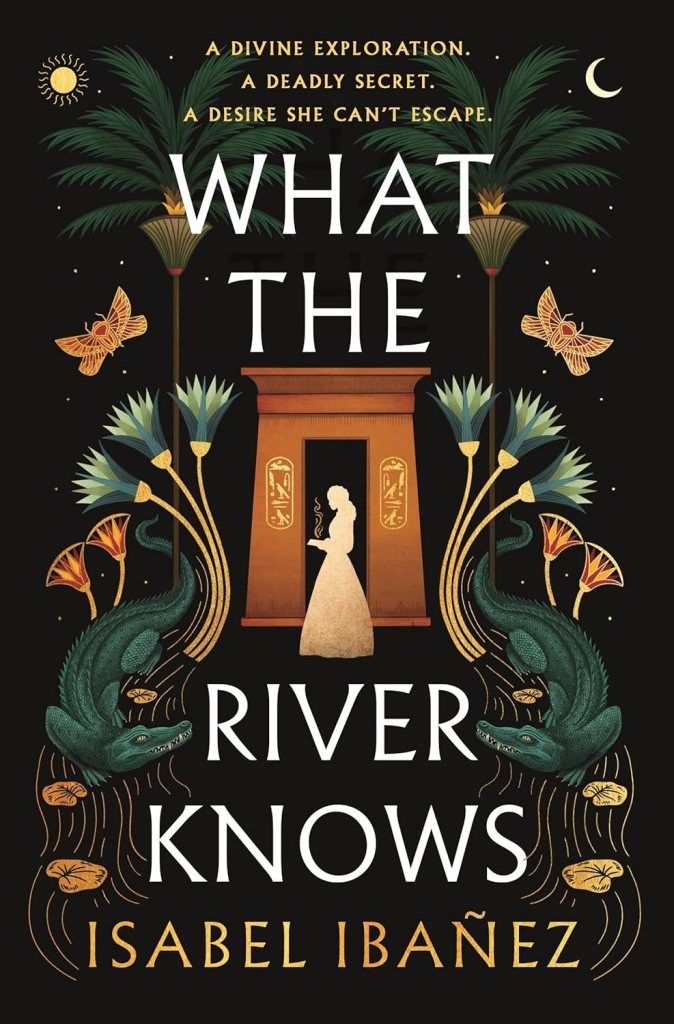
  • πŸ‘€Β First impressions:
    What the River KnowsΒ byΒ Isabel IbaΓ±ezΒ opens in the glittering world of nineteenth century Buenos Aires, where Inez Olivera appears to have everything except the parents she longs for. When news arrives that they have died in mysterious circumstances, Inez’s carefully ordered life fractures. Determined to uncover the truth, she travels alone to Cairo, armed with her sketchbooks and an ancient ring her father entrusted to her. From the moment the ring awakens with strange magic, the story shifts into something far more dangerous and thrilling, blending historical intrigue with fantasy and romance.

    βœ… What I Liked:
    The setting is vividly imagined and immersive. IbaΓ±ez brings Cairo to life with colour, heat and tension, capturing both the wonder of archaeology and the unease of colonial power structures. Inez is a strong and engaging protagonist, driven by curiosity and grief rather than passive circumstance. Her determination to uncover the truth about her parents gives the story emotional weight, while the magical elements add intrigue without overpowering the historical grounding. The slow burn romantic tension is sharp and entertaining, adding friction and humour alongside the danger.

    ❎ What I didn’t Like:
    The middle section occasionally slows, particularly where romantic dynamics take centre stage over plot progression. Some twists are predictable for seasoned readers of historical fantasy, but the execution remains enjoyable and polished.

    πŸ“š Why You Should Read This Book:
    If you enjoy historical fantasy with adventurous stakes, a determined heroine and a touch of magic, this book is an excellent choice. What the River Knows combines mystery, romance and history in a way that feels both escapist and emotionally grounded.

    πŸ’­ Final Thoughts:
    What the River Knows is an atmospheric and engaging novel about uncovering truth and claiming independence in a world that underestimates young women. It balances grief with adventure and magic with history, creating a story that is immersive, romantic and compelling.

    πŸ›οΈ Where to buy
    To buy your own copy click HERE and HERE

    Final Rating β˜…β˜…β˜…β˜… – A richly imagined and magical adventure filled with secrets, danger and heart

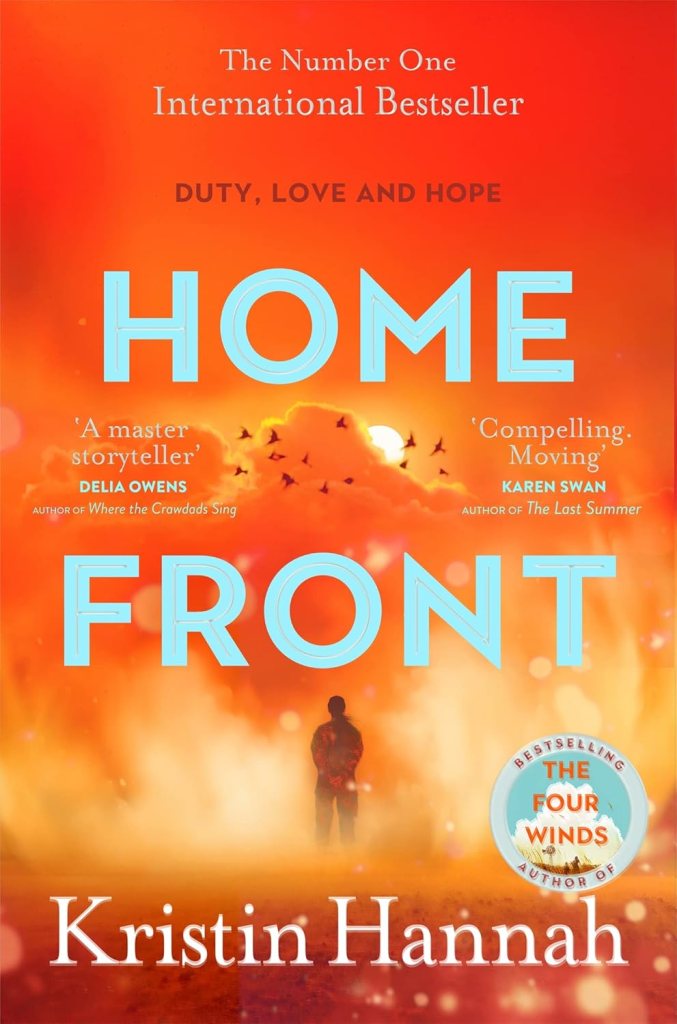
  • πŸ‘€Β First impressions:
    The Home FrontΒ byΒ Kristin HannahΒ is an intimate and often painful examination of a marriage on the brink. Michael and Jolene Zarkades appear to have built a stable and successful life together, but beneath the surface their relationship has begun to fracture. When an unexpected military deployment forces them apart, the novel shifts from domestic strain to the wider emotional cost of war. From the opening chapters, Hannah makes it clear that this is not a romanticised story of sacrifice, but a deeply human one about choices, consequences and emotional distance.

    βœ… What I Liked:
    The emotional honesty of this novel is striking. Hannah captures the slow erosion of a marriage with uncomfortable realism, showing how neglect, unspoken resentment and imbalance can quietly hollow out a relationship. Jolene in particular is a compelling character, navigating motherhood, military service and personal identity under immense pressure. The portrayal of the psychological impact of war is handled with sensitivity and gravity, especially when the story confronts trauma and its ripple effects on family life. The novel’s focus on actions rather than intentions gives it real moral weight.

    ❎ What I didn’t Like:
    Some emotional beats are heavy, and at times the intensity borders on overwhelming. A few moments feel heightened for dramatic effect, particularly later in the story, but this will likely resonate with readers who appreciate emotionally driven narratives.

    πŸ“š Why You Should Read This Book:
    If you enjoy contemporary fiction that explores marriage, parenthood and the unseen costs of military service, The Home Front is a powerful choice. It offers a perspective on war that centres not just on those deployed, but on the families who must endure the waiting, fear and aftermath.

    πŸ’­ Final Thoughts:
    The Home Front is a moving and often heartbreaking novel about love tested under extreme circumstances. It asks difficult questions about responsibility, forgiveness and what it truly means to show up for the people you love. Honest, compassionate and emotionally charged, it lingers long after the final page.

    πŸ›οΈ Where to buy
    To buy your own copy click HERE and HERE

    Final Rating β˜…β˜…β˜…β˜… – A poignant and unflinching look at marriage and the personal cost of war

  • πŸ‘€Β First impressions:
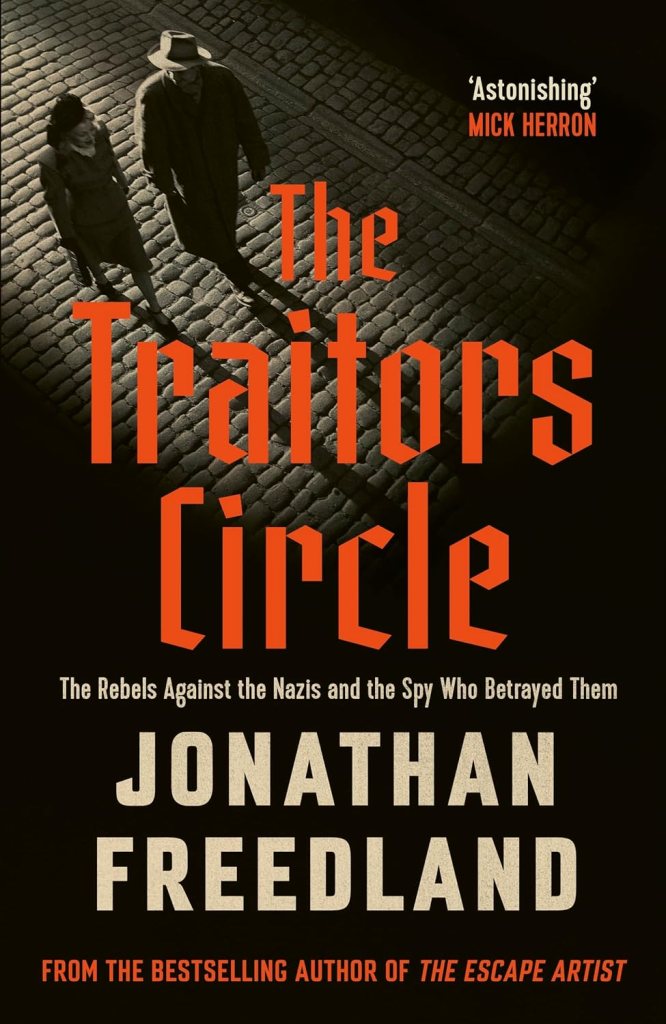
    The Traitors CircleΒ byΒ Jonathan FreedlandΒ opens in Berlin in 1943 with an apparently civilised tea party that masks extraordinary danger. Around the table sit aristocrats, intellectuals and social leaders, united by their hatred of Nazism and their quiet acts of resistance. What they do not realise is that one of them is about to betray the entire group to the Gestapo. From the outset, Freedland frames this not only as a historical investigation into who betrayed whom, but as a broader examination of resistance, fear and moral courage under tyranny.

    βœ… What I Liked:
    The narrative is gripping and emotionally charged, reading with the tension of a thriller while remaining grounded in meticulous research. Freedland brings each member of the circle vividly to life, particularly the women whose bravery and defiance have so often been sidelined in traditional histories of resistance. The social contradictions are fascinating, with privilege and peril existing side by side, and the gradual tightening of the Nazi net is rendered with devastating clarity. The exploration of betrayal is handled with nuance and restraint, avoiding sensationalism while forcing the reader to confront uncomfortable truths about survival, fear and compromise.

    ❎ What I didn’t Like:
    The number of real historical figures and overlapping timelines can occasionally feel dense, especially in the early chapters. However, this complexity ultimately strengthens the book, reinforcing how tangled and precarious resistance networks were in practice.

    πŸ“š Why You Should Read This Book:
    If you enjoy narrative history that combines human stories with sharp political insight, this book is essential reading. The Traitors Circle sheds light on lesser known acts of resistance and asks urgent questions about courage, integrity and the cost of standing up to authoritarianism. Its themes feel disturbingly relevant in the modern world.

    πŸ’­ Final Thoughts:
    The Traitors Circle is haunting, thought provoking and deeply moving. It honours the bravery of those who risked everything to oppose Hitler while refusing to simplify the moral realities they faced. Freedland succeeds not only in uncovering a tragic betrayal but in reminding us how rare and necessary moral courage truly is.

    πŸ›οΈ Where to buy
    To buy your own copy click HERE and HERE

    Final Rating β˜…β˜…β˜…β˜…β˜… – A gripping work of history that asks timeless questions about truth, fear and resistance

  • πŸ‘€Β First impressions:
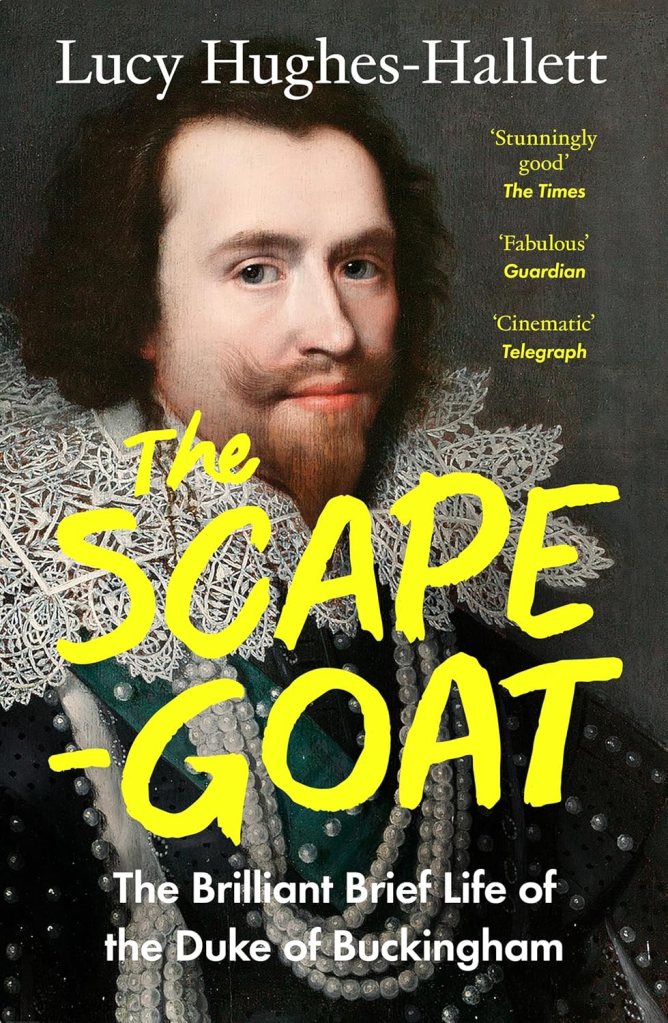
    The ScapegoatΒ byΒ Lucy Hughes-HallettΒ plunges the reader into the volatile heart of seventeenth century England through the life of George Villiers, Duke of Buckingham. Favourite and lover to King James I and later closest companion and mentor to Charles I, Buckingham rose with astonishing speed from relative obscurity to immense wealth and political power. Hughes Hallett frames his life not just as biography but as a lens through which to view a society teetering on the edge of transformation, where beauty, ambition and charisma could be as potent as policy or bloodline.

    βœ… What I Liked:
    The writing is sumptuous and immersive, with a novelistic quality that brings the Jacobean and Caroline courts vividly to life. Hughes Hallett excels at capturing contradiction. This is a world of artistic brilliance and intellectual curiosity existing alongside witch hunts, brutal medicine and deep political paranoia. Buckingham himself is rendered as dazzling, manipulative, insecure and deeply human, never flattened into hero or villain. The exploration of gender fluidity, same sex desire and the performative nature of court life feels remarkably modern, while remaining firmly rooted in historical context. The wider political backdrop, including the rise of public opinion and growing unrest, is woven seamlessly into the personal narrative.

    ❎ What I didn’t Like:
    The density of historical detail may feel overwhelming at times, particularly for readers less familiar with the period. There are moments where the sheer scale of political manoeuvring slows the pace, but this feels more like an inevitable consequence of the subject matter than an actual flaw.

    πŸ“š Why You Should Read This Book:
    If you enjoy history that reads with the pace and richness of a novel, The Scapegoat is an outstanding choice. It offers insight not only into one of the most controversial figures of the seventeenth century but also into a society grappling with power, identity and change. This is narrative history at its finest, intellectually rigorous yet emotionally engaging.

    πŸ’­ Final Thoughts:
    The Scapegoat is a compelling, intelligent and deeply atmospheric biography that brings an entire era into sharp focus. Hughes Hallett shows how Buckingham came to embody everything that was wrong with his country, and how his spectacular rise and fall mirrored a nation heading towards upheaval. It is immersive, unsettling and surprisingly resonant.

    πŸ›οΈ Where to buy
    To buy your own copy click HERE and HERE

    Final Rating β˜…β˜…β˜…β˜…β˜… – A masterful blend of biography and storytelling that makes history feel urgently alive

  • πŸ‘€Β First impressions:
    Beloved, written byΒ Toni Morrison, is one of those books that carries its reputation heavily and deservedly. Inspired by the true story of Margaret Garner, the novel is set after the American Civil War and follows Sethe, a formerly enslaved woman living in Ohio with her daughter. When a mysterious young woman calling herself Beloved arrives, long buried memories of trauma, love and loss begin to surface. From the very first pages, the novel establishes an atmosphere that is unsettling, lyrical and deeply emotional, asking the reader to sit with pain rather than look away from it.

    βœ… What I Liked:
    Morrison’s prose is extraordinary. It is poetic without being indulgent and brutal without ever feeling exploitative. The way she captures the psychological scars of slavery feels both intimate and immense, showing how trauma lingers not just in individuals but across generations. Sethe is one of the most complex and heartbreaking characters I have ever read, and the novel’s exploration of motherhood, guilt and love pushed to its limits is unforgettable. The use of the supernatural adds a layer of unease that perfectly mirrors the emotional horror at the centre of the story.

    ❎ What I didn’t Like:
    This is not an easy or comfortable read. The fragmented structure and shifting perspectives demand patience and attention, and there were moments where the emotional intensity felt overwhelming. That said, these challenges feel intentional and necessary rather than flaws, reinforcing the novel’s themes and emotional weight.

    πŸ“š Why You Should Read This Book:
    If you are looking for a novel that challenges you, stays with you long after you finish it and rewards careful reading, Beloved is essential. It is a landmark work of literature that confronts history head on while offering a deeply human story about love, identity and survival. This is a book that expands your understanding of what fiction can do.

    πŸ’­ Final Thoughts:
    Beloved is devastating, beautiful and profoundly important. It does not offer easy answers or comfort, but instead demands empathy, reflection and emotional honesty from its reader. This is a novel that feels alive, speaking across time with urgency and grace.

    πŸ›οΈ Where to buy
    To buy your own copy click HERE and HERE

    Final Rating β˜…β˜…β˜…β˜…β˜… – A timeless and devastating work of literary genius