• 👀 First impressions:
    American Pastoral by Philip Roth is one of those novels that stays with you long after you finish it, not because it’s comforting, but because it refuses to be. It tells the story of Seymour “Swede” Levov, a man who seems to have it all: success, family, and the American dream. But when his daughter becomes involved in a violent act of political protest during the Vietnam War, that idealised life begins to crumble.

    Roth uses this personal tragedy to explore something much bigger, the slow unravelling of postwar American optimism. It’s a story about identity, disillusionment, and the impossible task of maintaining perfection in a world built on chaos.

    ✅ What I Liked:
    Roth’s writing is razor sharp. Every sentence feels deliberate, packed with meaning and rhythm. He captures both the beauty and the absurdity of the “American dream,” dissecting it with intelligence and empathy. Swede Levov is an unforgettable character, an emblem of decency and denial, trying to hold his world together while everything around him fractures.

    I also loved how the novel layers perspectives. Through the framing of Roth’s recurring narrator, Nathan Zuckerman, we see Swede’s story from a distance, like an echo of a national myth. This structure gives the novel its haunting, almost elegiac tone.

    Roth’s portrayal of generational conflict, particularly between Swede and his daughter Merry, is both devastating and human. It’s about love, ideology, and the limits of understanding between parents and children.

    ❎ What I didn’t Like:
    It’s a demanding read. The prose, while brilliant, can be dense and heavy at times, and Roth’s long, introspective passages may test a reader’s patience. There’s also a certain coldness to the narrative that can make it hard to connect emotionally in places, though that detachment seems intentional.

    📚 Why You Should Read This Book:
    Because it’s one of the defining novels of twentieth-century American literature. American Pastoral doesn’t just tell a story, it interrogates a nation’s mythology. If you’re interested in big, ambitious novels that wrestle with morality, identity, and loss, this is essential reading.

    💭 Final Thoughts:
    American Pastoral is an intellectual and emotional powerhouse. Roth captures both the dream and the disillusionment of America with precision and fury. It’s not an easy book, but it’s a brilliant one, tragic, reflective, and painfully relevant.

    🛍️ Where to buy
    To buy your own copy click HERE and HERE

    Final Rating ★★★★ – A beautifully written and haunting portrait of the American dream unravelled.

  • Photo by ErnAn SolozĂĄbal on Unsplash

    This week’s What to Read Wednesday shines a light on Black female authors whose words challenge, comfort, and captivate. From powerful coming-of-age tales to sharp social commentary, these voices explore identity, love, resilience, and joy in all their forms. Whether you’re diving into classics or discovering new favourites, these books are essential reads that stay with you long after the final page.

    1.  Girl, Woman, Other by Bernardine Evaristo

    A vibrant, interconnected portrait of twelve British women, Girl, Woman, Other is a masterpiece of rhythm and empathy. Evaristo’s prose dances between poetry and narrative, exploring race, gender, and class with humour and heart. Each story adds another thread to a tapestry of modern womanhood that feels both specific and universal.

    Read it if you love: multi-perspective storytelling, intersectional feminism, and writing that feels alive.

    2.  Queenie by Candice Carty-Williams

    Funny, raw, and full of heart, Queenie follows a young Black British woman navigating her career, relationships, and mental health after a painful breakup. Carty-Williams writes with a voice that feels both sharply modern and deeply honest, tackling heavy themes with warmth and wit.

    Read it if you love: messy, relatable heroines and stories that balance humour with vulnerability.

    3. Homegoing by Yaa Gyasi

    Spanning generations and continents, Homegoing traces the descendants of two Ghanaian half-sisters—one sold into slavery, the other married to a British coloniser. Gyasi’s storytelling is epic in scope but intimate in emotion, examining the lasting impact of history on family and identity.

    Read it if you love: sweeping historical fiction with emotional depth and lyrical writing.

    4. Such a Fun Age by Kiley Reid

    Part social satire, part character study, this novel explores privilege, performative allyship, and modern racism through the story of Emira, a young Black babysitter, and her well-meaning but misguided employer. Reid’s dialogue crackles with authenticity, making you question your own assumptions along the way.

    Read it if you love: contemporary fiction that mixes humour, insight, and uncomfortable truths.

    5. Manifesto: On Never Giving Up by Bernardine Evaristo

    Yes, she’s on the list twice—but with good reason. In this memoir, Evaristo reflects on her creative journey, activism, and what it means to persist as a Black woman artist in Britain. It’s honest, inspiring, and brimming with wisdom.

    Read it if you love: creative nonfiction, memoirs about resilience, and finding motivation through authenticity.

    Final Thoughts

    From lyrical epics to witty contemporary tales, these authors showcase the incredible range and power of Black female voices. They challenge stereotypes, celebrate joy, and demand to be heard. Whether you’re new to their work or revisiting old favourites, this is your reminder to diversify your bookshelf and listen to stories that expand your world.

  • 👀 First impressions:
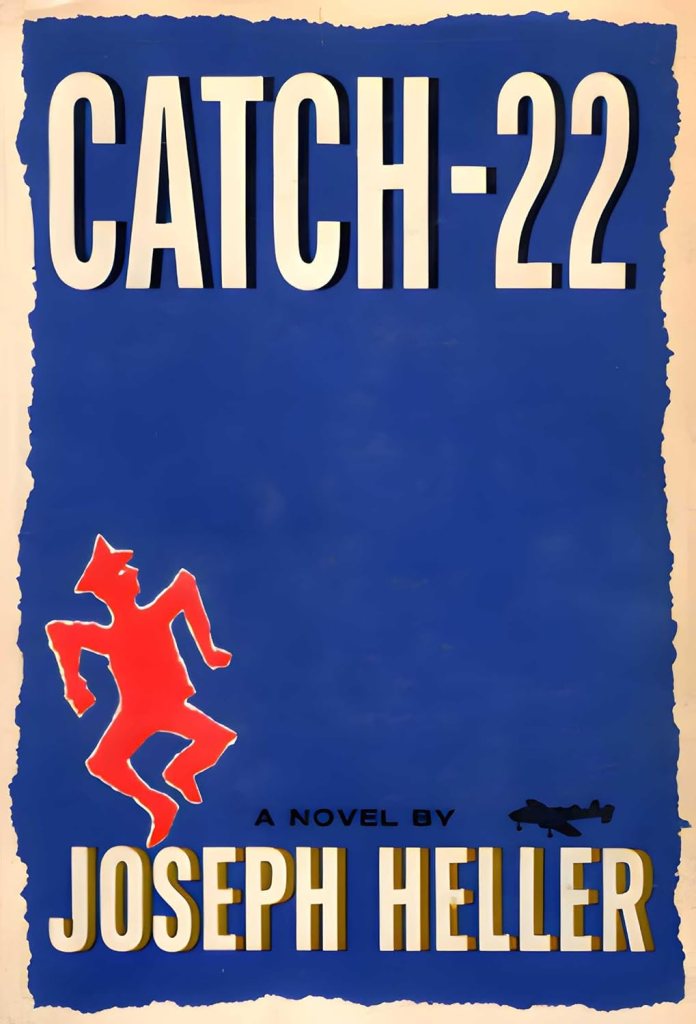
    Catch-22 by Joseph Heller is one of those novels that everyone’s heard of, but few realise just how wild and sharp it really is until they dive in. Set during World War II, it follows Captain John Yossarian, a U.S. Army bombardier desperately trying to survive the madness of war while everyone around him seems to be losing their minds, or perhaps they already have.

    From the very first chapter, Heller’s absurd, circular logic pulls you in. The infamous “catch” itself is simple but devastating: to be declared insane and grounded, a soldier must ask to stop flying missions, but asking proves he’s sane. It’s one of literature’s greatest paradoxes, and it perfectly captures the chaos, hypocrisy, and futility of bureaucracy.

    ✅ What I Liked:
    Heller’s writing is nothing short of genius. The dark humour, the looping conversations, and the sharp satire all work to show how absurd and dehumanising war can be. Every page feels like a balancing act between hilarity and horror. I laughed out loud more than once, only to be hit by something bleak and profound in the next paragraph.

    The cast of characters is huge and chaotic, but intentionally so. Each one represents a fragment of the insanity of military life, from the greed of Milo Minderbinder to the blind obedience of Colonel Cathcart. Heller captures the madness of systems where survival depends on contradictions and rules no one can win against.

    I also loved how the novel refuses to follow a straight timeline. It loops and folds in on itself, mirroring the confusion of Yossarian’s world. Once you accept the structure, it becomes part of the experience rather than a frustration.

    ❎ What I didn’t Like:
    It’s dense, and it demands patience. The nonlinear storytelling and overlapping scenes can feel disorienting at first, and the humour might not land for everyone. Some sections drag slightly, especially when the absurdity stretches to extremes. But the payoff is worth it if you stick with it.

    📚 Why You Should Read This Book:
    Because it’s one of the most important anti-war novels ever written. Catch-22 isn’t just about World War II; it’s about the systems that turn people into cogs, the contradictions that govern modern life, and the struggle to stay sane in an insane world. It’s biting, hilarious, and tragically timeless.

    💭 Final Thoughts:
    More than sixty years after its release, Catch-22 still feels fresh, funny, and frighteningly relevant. Joseph Heller captured something universal about human absurdity, and his wit cuts as sharply now as it did then. It’s a novel that rewards re-reading and lingers long after you close the last page.

    🛍️ Where to buy
    To buy your own copy click HERE and HERE

    Final Rating ★★★★★ – A darkly comic masterpiece that exposes the madness of war and the futility of reason with unmatched brilliance.

  • 👀 First impressions:
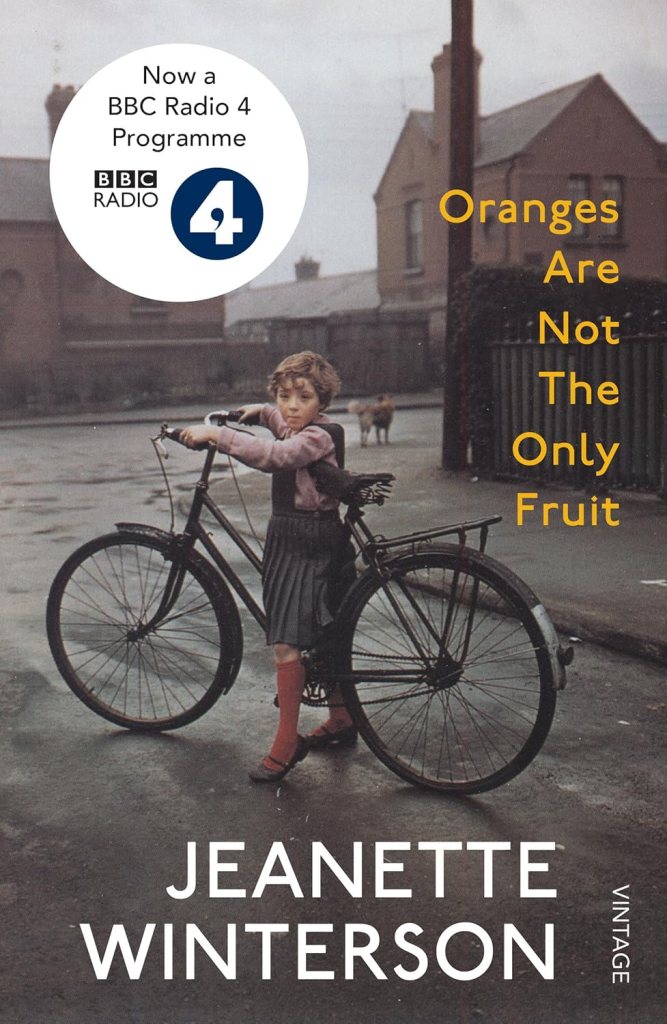
    Oranges Are Not the Only Fruit by Jeanette Winterson is one of those rare novels that feels both deeply personal and universally resonant. First published in 1985, it tells the story of Jeanette, a young girl growing up in a strict Pentecostal household in northern England, who begins to question both her faith and her identity as she discovers her attraction to other women.

    It’s part coming-of-age story, part spiritual exploration, and part fairytale. Winterson’s prose is lyrical and layered, full of wit, symbolism, and heart. Though semi-autobiographical, it never reads like a straightforward memoir; instead, it blurs the line between myth and memory to create something much richer.

    ✅ What I Liked:
    Winterson’s voice is extraordinary. She captures the confusion and courage of adolescence with both humour and heartbreak, turning what could be a story of repression into one of resilience. Her use of biblical allegory and folktale elements gives the novel a timeless, almost magical quality that mirrors Jeanette’s inner world.

    I also loved how unapologetically complex the book is. It doesn’t fit neatly into a genre or moral lesson. It’s about love in all its forms, romantic, familial, and divine, and the pain that comes when those loves collide. Winterson writes with tenderness and fire, and every page feels alive with both defiance and compassion.

    ❎ What I didn’t Like:
    There are moments where the narrative’s structure, moving between realism and allegory, can feel disorienting. Some readers might find the fable-like sections interrupt the emotional flow of Jeanette’s story. But once you settle into Winterson’s rhythm, the shifts make perfect sense and they are part of what makes the novel so distinct and memorable.

    📚 Why You Should Read This Book:
    Because it’s a landmark in LGBTQ+ literature and an enduring classic of British fiction. It’s as relevant now as it was when first published, tackling identity, belief, and self-acceptance with honesty and beauty. Whether you’re drawn to character-driven stories, feminist writing, or queer narratives, this book belongs on your shelf.

    💭 Final Thoughts:
    Oranges Are Not the Only Fruit is both tender and revolutionary. Winterson’s writing is fearless, funny, and profoundly human. It’s a novel about breaking free, finding your own truth, and learning that the world is wider and more colourful than the one you were told to believe in.

    🛍️ Where to buy
    To buy your own copy click HERE and HERE

    Final Rating ★★★★★ – A brilliant, heartfelt story of identity, faith, and the courage to live authentically.

  • 👀 First impressions:
    The Pumpkin Spice Café by Laurie Gilmore isn’t the kind of book I’d normally reach for, but my best friend has been singing its praises for months, so I finally gave in, and I’m glad I did. Set in the small, picturesque town of Dream Harbour, this story follows Jeanie, who unexpectedly inherits her aunt’s café, and Logan, the gruff local farmer with a secret soft spot. What unfolds is a warm, feel-good romance full of charm, comfort, and cinnamon-scented escapism.

    It’s pure cozy romance from start to finish: the kind of book you read with a blanket, a cup of coffee, and a smile you don’t even realise you’re wearing.

    ✅ What I Liked:
    The atmosphere is lovely. Gilmore creates a world that feels like stepping into a Hallmark movie in the best possible way. Dream Harbour is full of quirky locals, friendship, and small-town gossip that adds heart to the story.

    I also really enjoyed the dynamic between Jeanie and Logan. Their relationship unfolds slowly and tenderly, with just enough banter and emotional tension to keep things interesting. There’s a comforting predictability to it, but it works, and the story feels like it wants to make you happy.

    And though it’s lighthearted, Gilmore slips in just enough emotional depth to make the romance feel genuine rather than sugary.

    ❎ What I didn’t Like:
    It did take me a few chapters to settle into the tone since I usually gravitate toward darker or twistier reads. Some scenes verge on overly sweet, and a few plot beats are easy to predict. But once I leaned into what it was meant to be, gentle, cozy, and comforting, I found myself really enjoying it.

    📚 Why You Should Read This Book:
    If you’re looking for an uplifting, feel-good escape with autumnal vibes and heartwarming romance, The Pumpkin Spice Café is perfect. It’s especially great if you want something low-stress and atmospheric to unwind with after heavier reads.

    💭 Final Thoughts:
    Even as someone who doesn’t usually read cozy romances, I can see why my friend loves this book so much. Laurie Gilmore delivers a sweet, heartfelt story that’s as comforting as the first sip of a pumpkin spice latte. It’s a gentle reminder that sometimes, a little warmth and kindness are exactly what you need.

    🛍️ Where to buy
    To buy your own copy click HERE and HERE

    Final Rating ★★★★ – A cozy, feel-good autumn romance that’s impossible not to smile at, even for non-romance readers.

  • 👀 First impressions:
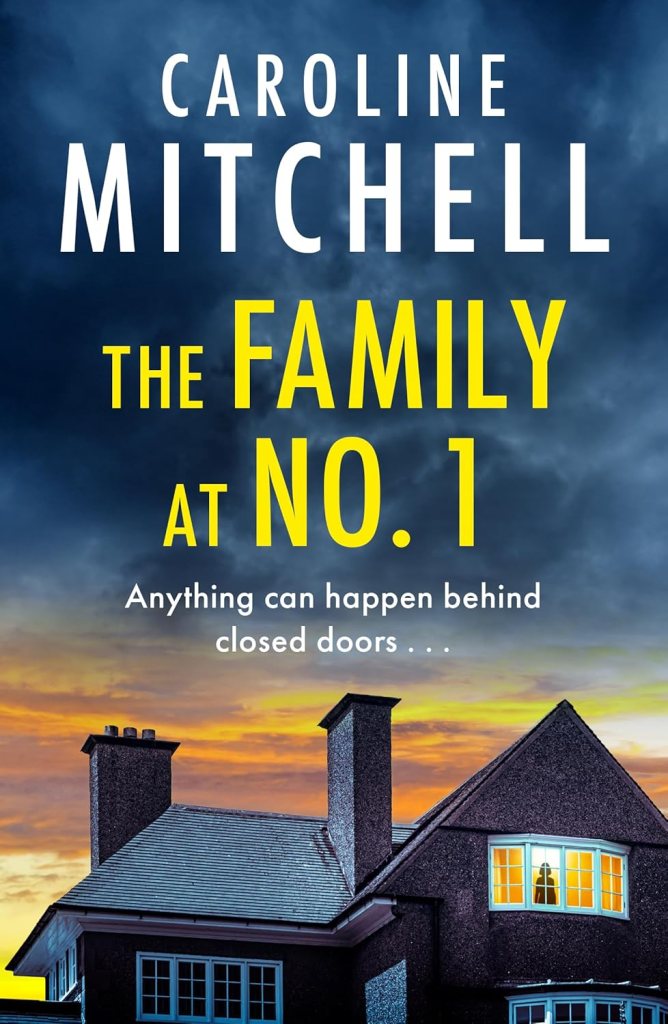
    The Family at Number 1 by Caroline Mitchell has all the ingredients of a solid domestic thriller: a new family moving into a quiet neighbourhood, neighbours who seem a little too curious, and secrets simmering just below the surface. From the very first chapter, it’s clear something isn’t right about Number 1, and Mitchell does a good job of setting up the intrigue and tension that carry the story forward.

    It’s fast-paced and readable, the kind of book you can tear through in a couple of sittings. But while it delivers plenty of drama, it doesn’t quite reach the emotional or psychological depth that could have made it truly memorable.

    ✅ What I Liked:
    The pacing is spot on. Mitchell knows how to end a chapter with just enough of a hook to make you turn the next page. The suburban setting works well, and she captures that unsettling “everyone’s watching everyone” energy that defines so many great domestic thrillers.

    The multiple perspectives also add a nice touch, giving the reader glimpses into the secrets and suspicions building behind each closed door. The tension is consistent, and the writing flows easily.

    ❎ What I didn’t Like:
    While it’s entertaining, the plot feels predictable. Many of the twists are easy to spot coming, and a few character motivations don’t quite hold up under closer inspection. Some emotional beats feel rushed, and the ending, though dramatic, leans on a few familiar thriller tropes.

    I also found it hard to connect deeply with any of the characters. They’re interesting on the surface, but not quite distinct enough to leave a lasting impression once the story ends.

    📚 Why You Should Read This Book:
    If you’re looking for a fast, easy read that offers tension and escapism without demanding too much emotional investment, The Family at Number 1 will hit the spot. It’s ideal for fans of Shari Lapena or Freida McFadden who enjoy twisty suburban thrillers filled with secrets and lies.

    💭 Final Thoughts:
    Caroline Mitchell knows how to keep readers turning pages, and The Family at Number 1 is proof of that. It’s a well-crafted, enjoyable read, even if it doesn’t quite break new ground. A good weekend thriller that delivers entertainment, if not surprises.

    🛍️ Where to buy
    To buy your own copy click HERE and HERE

    Final Rating ★★★ – An easy, suspenseful read that entertains but doesn’t quite stand out in a crowded genre.

  • 👀 First impressions:
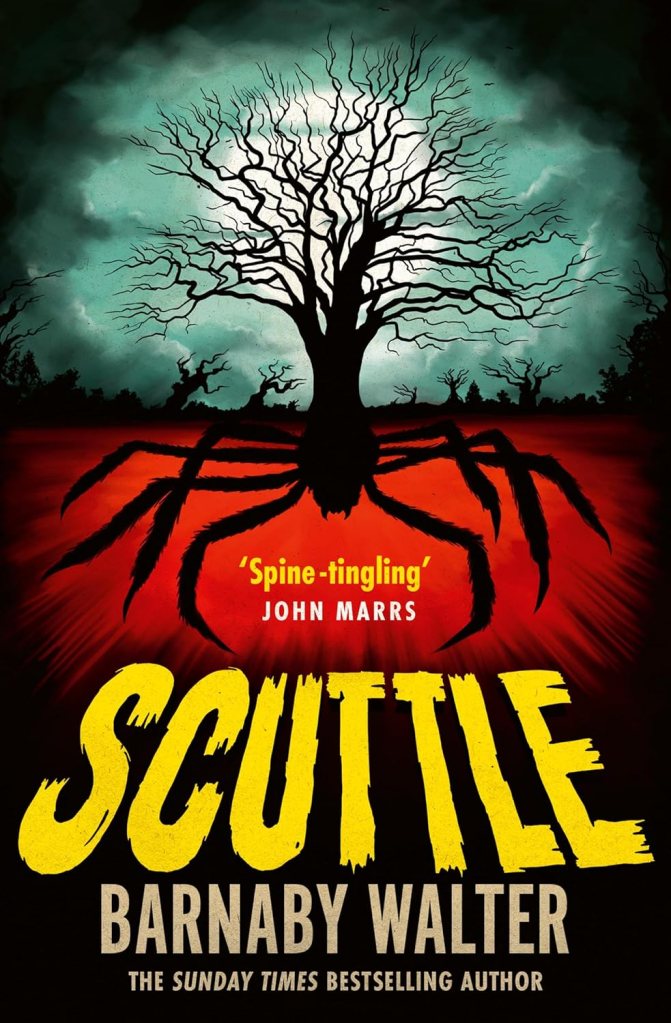
    Scuttle by Barnaby Walter is one of those books that sinks its claws in from the very first page and refuses to let go. Blending psychological suspense with creeping horror, it follows the unsettling aftermath of a man’s death and the strange, almost supernatural presence that begins to invade the lives of those left behind.

    Walter’s writing is crisp and cinematic, drawing you into a story that feels both intimate and claustrophobic. From the start, you can sense that something is very wrong, but the novel never rushes to show its hand. Instead, it simmers, building dread through atmosphere and suggestion rather than cheap scares.

    ✅ What I Liked:
    The tone is perfect. Walter captures that uncanny space between grief and madness, where reality begins to blur at the edges. The slow-burn pacing allows the unease to grow naturally, and by the time the horror truly takes shape, it feels both inevitable and shocking.

    The prose is beautifully controlled, precise, rhythmic, and packed with quiet menace. Every scene serves a purpose, every silence feels weighted. I loved how Walter manages to make the ordinary feel menacing: creaks in a hallway, a flicker of movement, an unshakable sense of being watched.

    Beneath the horror lies a surprisingly emotional story about loss, guilt, and the human need for connection. It’s this emotional depth that elevates Scuttle beyond standard genre fare.

    ❎ What I didn’t Like:
    If you prefer fast-paced, action-heavy horror, Scuttle may feel slow at first. It’s more about psychological tension than jump scares, more about mood than gore. But for readers who enjoy deliberate, thoughtful storytelling, this restraint is exactly what makes it so effective.

    📚 Why You Should Read This Book:
    Because it’s a masterclass in quiet terror. Scuttle will appeal to fans of Shirley Jackson, Andrew Michael Hurley, and Catriona Ward, writers who understand that what’s not shown can be far more frightening than what is. It’s eerie, elegant, and unforgettable.

    💭 Final Thoughts:
    Barnaby Walter has crafted something truly special with Scuttle. It’s haunting in every sense of the word, emotionally, psychologically, and atmospherically. The writing lingers long after the story ends, leaving you questioning what’s real and what’s imagined. This is intelligent, literary horror at its best.

    🛍️ Where to buy
    To buy your own copy click HERE and HERE

    Final Rating ★★★★★ – A beautifully written and deeply unsettling tale that proves subtle horror can be the most terrifying of all.

  • 👀 First impressions:
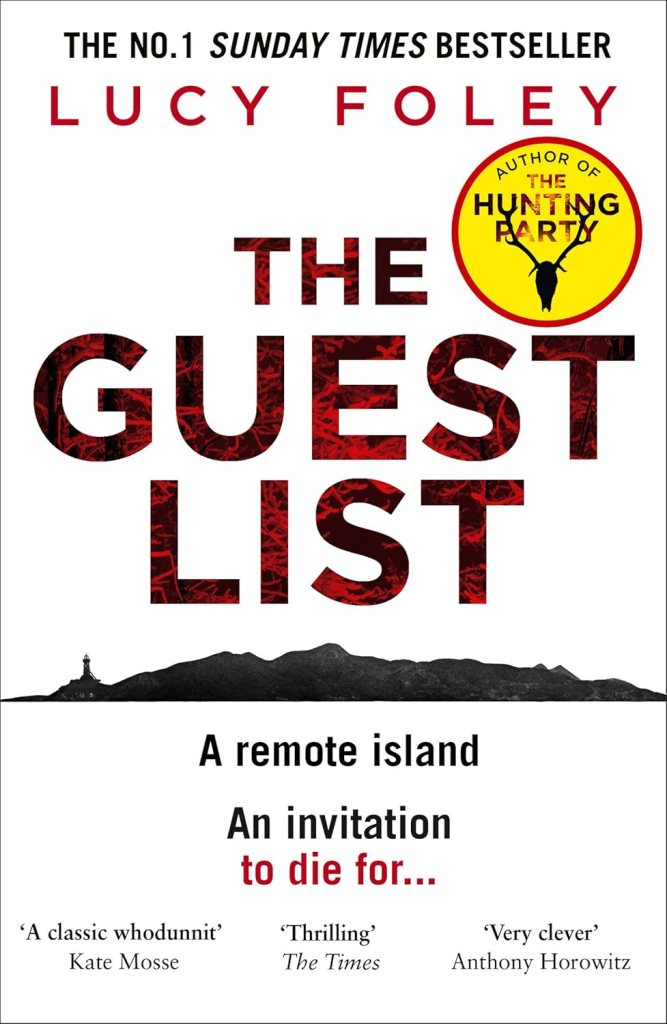
    The Guest List by Lucy Foley promises a stormy island, a glamorous wedding, and a body before the cake is even cut. On paper, it’s the perfect recipe for a modern murder mystery. The story unfolds across multiple perspectives including the bride, the groom, the best man, the bridesmaid, and the wedding planner, each with their own secrets simmering beneath the surface.

    It’s a setup that feels deliciously dramatic, and Foley’s writing instantly sets the scene. The wild Irish island is the perfect backdrop for paranoia and betrayal, and the tension builds steadily toward the inevitable tragedy.

    ✅ What I Liked:
    The atmosphere is impeccable. The isolation, the unpredictable weather, and the increasingly uneasy wedding guests create a tangible sense of dread. Foley also does a great job exploring the dark undercurrents of ambition, jealousy, and resentment that swirl beneath picture-perfect occasions.

    Her short, snappy chapters keep the pace brisk, and the multi-perspective format means you’re constantly shifting sympathies and suspicions. It’s compulsively readable, the kind of book that’s easy to race through in one sitting.

    ❎ What I didn’t Like:
    While the setup is strong, the payoff feels a little too neat. The twists are well planted but ultimately predictable, and many of the characters lean too heavily into stereotypes such as the icy bride, the arrogant groom, and the bitter outsider. The emotional depth that could have made the reveal truly shocking never quite lands.

    It also suffers a bit from the “multiple POV fatigue” that can make it hard to connect deeply with any one character. You’re kept at arm’s length, watching the drama unfold rather than feeling it.

    📚 Why You Should Read This Book:
    If you’re in the mood for a fast-paced, escapist thriller that feels like a modern Agatha Christie crossed with a Netflix drama, this will absolutely deliver. It’s atmospheric, cinematic, and full of page-turning tension, just don’t expect it to reinvent the genre.

    💭 Final Thoughts:
    The Guest List is entertaining and stylish, with strong pacing and an irresistible premise. But for all its tension and polish, it never quite reaches the emotional or psychological depth it hints at. A solid, enjoyable read that’s fun in the moment but fades quickly once the mystery is solved.

    🛍️ Where to buy
    To buy your own copy click HERE and HERE

    Final Rating ★★★ – A slick, suspenseful page-turner that entertains but doesn’t surprise.

  • Photo by Anthony McKissic on Unsplash

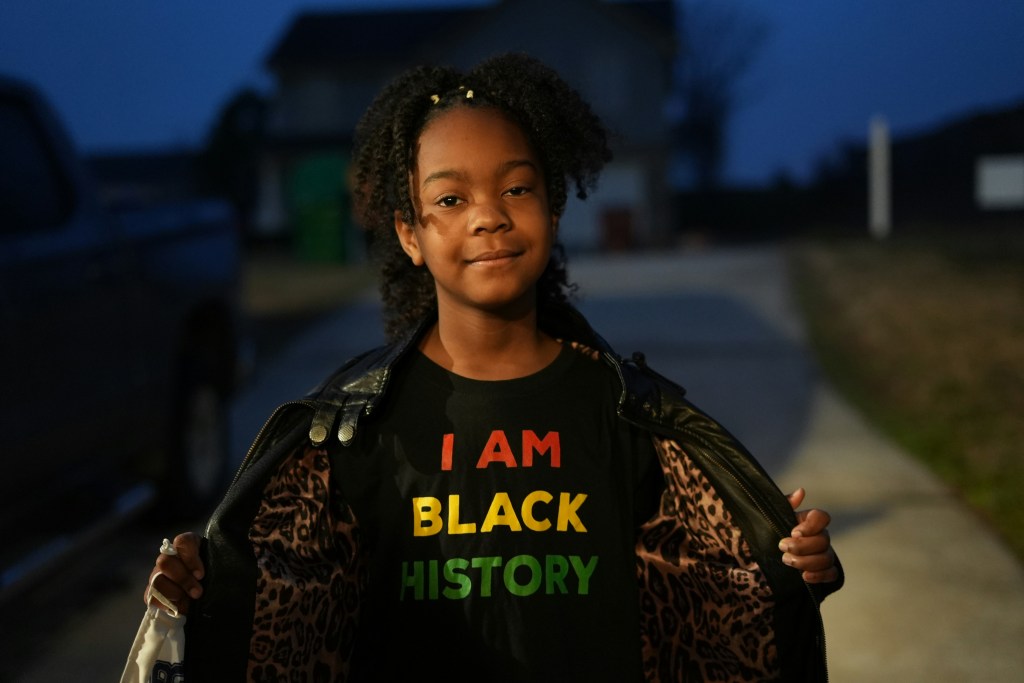
    October marks Black History Month in the UK, a time to celebrate the voices, stories, and artistry of Black Britons who have shaped, and continue to shape, our literary landscape. From bold debuts to modern classics, these books explore identity, belonging, joy, resistance, and everything in between. Here are some must-reads from Black British authors to add to your list this month:

    1. Queenie by Candice Carty-Williams

    A funny, raw, and emotionally honest story about a young Black woman navigating love, mental health, and self-worth in modern London. Often dubbed the “Black Bridget Jones,” Queenie is far more than a romantic comedy, it’s a sharp, heartfelt exploration of identity and resilience.

    2. Open Water by Caleb Azumah Nelson

    Written in lyrical, almost poetic prose, this stunning debut follows two young Black British artists falling in love while confronting what it means to be seen, and unseen, in a world that often misjudges them. It’s tender, aching, and utterly beautiful.

    3. Ordinary People by Diana Evans

    Set in South London, Evans’ novel follows two couples at crossroads in their relationships and lives. It’s an intimate, elegant study of Black British middle-class life, love, and quiet discontent, written with incredible nuance and rhythm.

    4. The Secret Diaries of Charles Ignatius Sancho by Paterson Joseph

    Actor and writer Paterson Joseph brings to life the remarkable true story of Charles Ignatius Sancho, the first Black man to vote in Britain. It’s witty, vibrant, and historically rich, blending fiction with real letters and diaries for a voice that leaps off the page.

    5. Girl, Woman, Other by Bernardine Evaristo

    Winner of the Booker Prize, this is a masterpiece of interconnected stories featuring twelve Black British women whose lives intersect in unexpected ways. It’s joyful, complex, political, and a must-read for anyone interested in the depth and diversity of the Black British experience.

    6. Taking Up Space by Chelsea Kwakye and Ore Ogunbiyi

    A vital non-fiction read exploring the realities of being Black and female in British universities. Insightful, empowering, and deeply necessary, it shines a light on institutional barriers while offering hope and solidarity.

    7. You People by Nikita Lalwani

    Set in a London pizzeria run by a Sri Lankan man who helps undocumented immigrants, this novel explores morality, immigration, and kindness. Lalwani’s writing delicately weaves together the complexities of community and belonging.

    8. Assembly by Natasha Brown

    A sharp, concise novella that packs an emotional punch. Following a Black British woman working in finance, Assemblydissects race, class, and capitalism with laser precision. It’s short but unforgettable, a modern classic in the making.

    9. Love in Colour by Bolu Babalola

    A gorgeous collection of love stories inspired by myths and folklore from around the world. Babalola reimagines traditional tales through a contemporary, feminist lens, each story is lush, romantic, and full of heart.

    10. The List by Yomi Adegoke

    A smart, timely exploration of cancel culture, social media, and the intersections of feminism and race. When a journalist’s fiancé appears on an online “list” of men accused of misogyny, everything she thought she knew begins to unravel. Sharp, unsettling, and utterly relevant.

    ✨ Final Thoughts
    Black British literature is as varied and vibrant as the communities it reflects, from historical fiction to contemporary romance, from poetry to polemic. This month, and every month, it’s worth celebrating these voices that continue to enrich the literary world with their brilliance and truth.

  • 👀 First impressions:
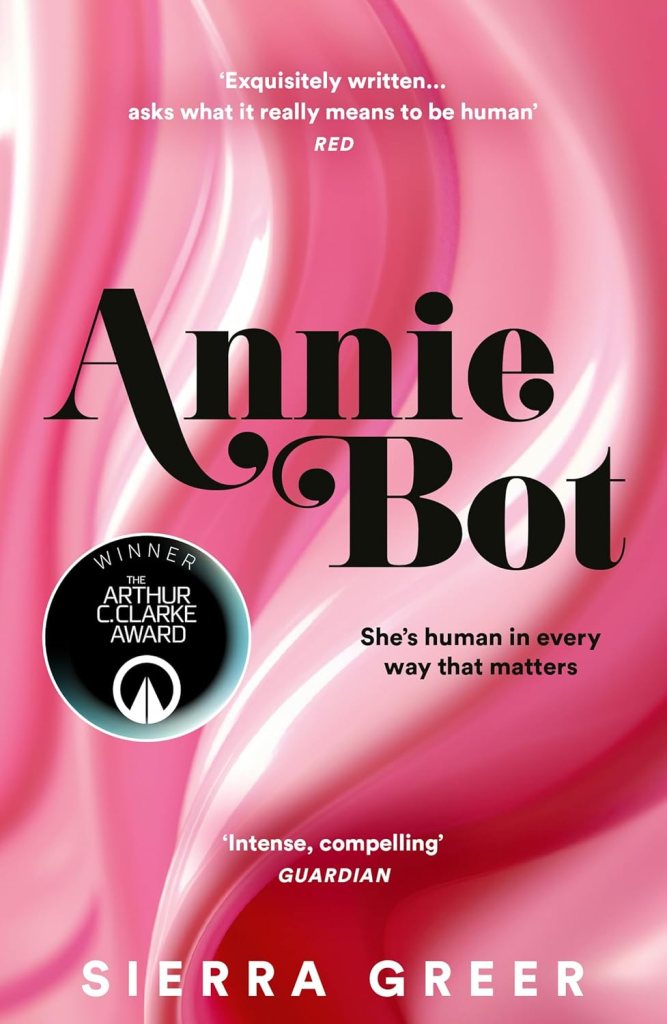
    Annie Bot by Sierra Greer is one of those novels that sneaks up on you, softly, almost gently, and then completely shatters you. It’s a story about Annie, a humanoid AI companion designed to serve her owner, Doug. On the surface, it’s a tale of technology and obedience, but beneath that, it’s a profound exploration of consent, control, and what it means to be human.

    From the opening pages, Greer’s prose is spare yet haunting, perfectly capturing Annie’s voice as she learns, adapts, and begins to want. The more she understands her world, the more unsettling it becomes. It’s Ex Machina meets Never Let Me Go, a quiet dystopia with an emotional punch.

    ✅ What I Liked:
    Greer’s decision to tell the story entirely through Annie’s perspective is a masterstroke. It forces the reader into uncomfortable empathy, seeing the world through programmed servitude where desire and autonomy are manufactured but still deeply felt.

    The writing is exquisite: restrained, rhythmic, and deeply human. Every interaction between Annie and Doug crackles with tension, not because of action, but because of implication. It’s a book about silences, about what’s not said, and about the limits of freedom.

    I also loved how it resists the temptation to become a simple cautionary tale about AI. Instead, Annie Bot is about gender, power, and emotional labour, the ways women (and machines made in their image) are expected to care, comply, and forgive.

    ❎ What I didn’t Like:
    If you’re looking for a fast-paced sci-fi story, this isn’t it. Annie Bot is slow, introspective, and often uncomfortable. But that’s exactly what makes it so powerful. The unease is the point.

    📚 Why You Should Read This Book:
    Because it will make you think and feel in ways you didn’t expect. Annie Bot is a deeply feminist, unsettling read that lingers long after the final page. It’s perfect for readers who love speculative fiction that cuts close to reality, and for fans of books like Klara and the Sun or The Handmaid’s Tale.

    💭 Final Thoughts:
    Sierra Greer’s debut is both tender and terrifying. It asks profound questions about love, ownership, and what it costs to be “perfect.” Beautifully written, emotionally intelligent, and unflinchingly honest, Annie Bot proves that the most human stories can come from the most artificial voices.

    🛍️ Where to buy
    To buy your own copy click HERE and HERE

    Final Rating ★★★★★ – A haunting, beautifully written debut that explores power, empathy, and the painful edges of humanity.