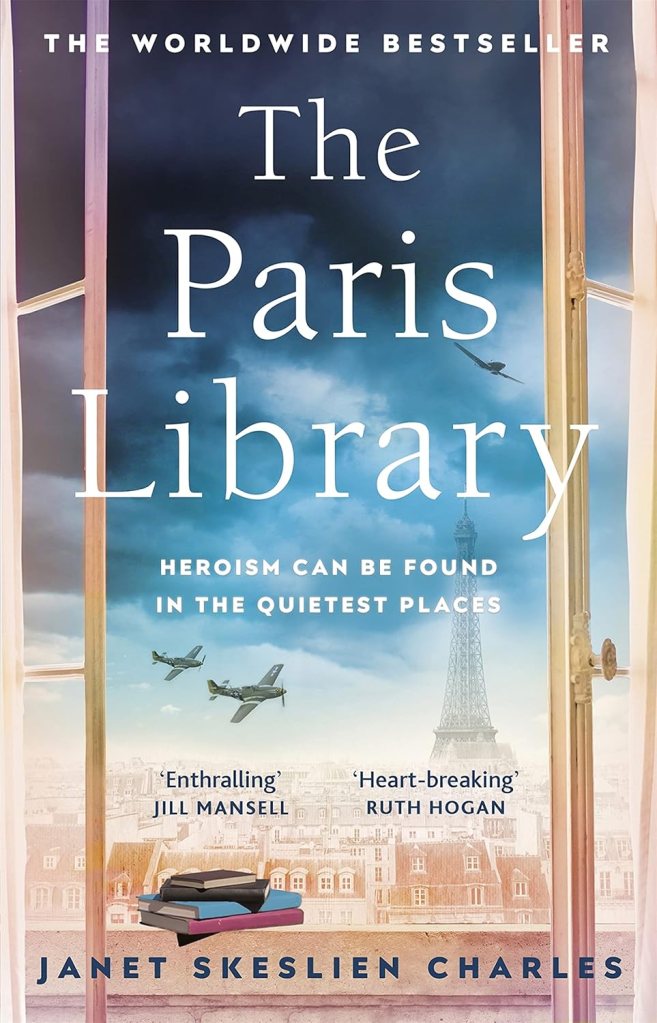
👀 First impressions: Set between World War II Paris and 1980s Montana, The Paris Library follows Odile, a young librarian at the American Library in Paris, whose life becomes entangled with war, love, and betrayal. Years later, a lonely teenager named Lily becomes her neighbor, and the two form an unlikely friendship. I was drawn in by the promise of books, history, and found family, all themes I usually adore.
✅ What I Liked: The library setting was easily my favorite part. The author’s research shines through, and I loved the real-life details about how librarians risked everything to deliver books to Jewish subscribers during the occupation. Odile’s passion for literature and her loyalty to her friends made her a compelling, if flawed, protagonist.
❎ What I didn’t Like: While the concept is wonderful, I struggled to feel emotionally connected to the characters. Their relationships often felt a little distant, as though I were watching from behind glass rather than being part of their world. There was so much potential for deep emotion, but it stayed just out of reach.
📚 Why You Should Read This Book: If you love historical fiction inspired by real events and you’re drawn to stories about books, libraries, and quiet acts of courage, this will likely appeal to you. Fans of The Book Thief or The Nightingale might find this a gentle, character-driven alternative.
💭 Final Thoughts: The Paris Library is beautifully written and clearly well-researched, but it didn’t completely capture my heart. I admired it more than I loved it. It is a thoughtful read that left me wishing for a bit more emotional spark.
🛍️ Where to buy To buy your own copy click HERE and HERE
Final Rating ★★★ – A quiet, beautifully researched story that lacked the emotional pull I hoped for.
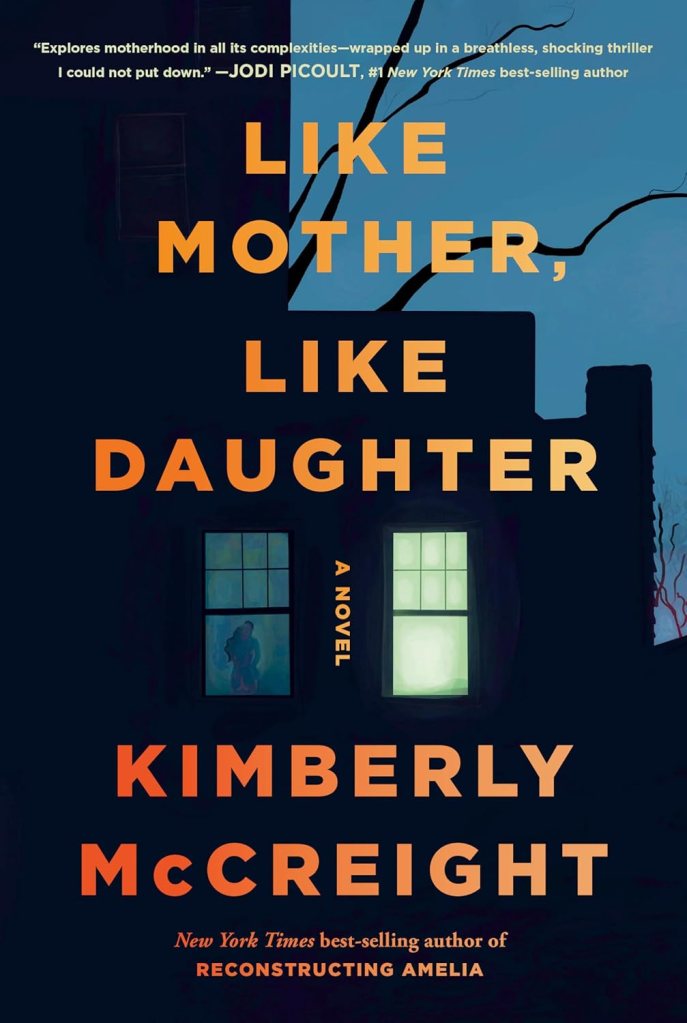
👀 First impressions: Like Mother, Like Daughter promises a compelling blend of family drama and psychological suspense. The story follows a mother and daughter whose relationship is tested when long-buried secrets begin to surface, blurring the line between truth and perception. Kimberly McCreight, known for her sharp, twisty thrillers, sets up an emotional and mysterious premise that immediately draws readers in with its themes of legacy, lies, and the things we inherit beyond genetics.
✅ What I Liked: The writing is polished and accessible, with McCreight’s usual knack for pacing and tension. The relationship between mother and daughter is the strongest element, capturing the mix of love, resentment, and misunderstanding that often defines family ties. The mystery threads are engaging enough to keep the pages turning, and there are moments of real emotional insight buried within the drama.
❎ What I didn’t Like: While the premise is strong, the plot sometimes feels overstuffed. There are multiple twists that do not always land, and a few feel forced or unnecessary. The pacing wobbles in places, racing through key moments that deserved more weight and lingering too long on scenes that slow the story down. Some character motivations are unclear, which makes it harder to stay invested in the outcome.
📚 Why You Should Read This Book: If you enjoy domestic thrillers with complicated family dynamics and secrets that slowly bubble to the surface, this is worth a read. It is a good choice for fans of Gillian Flynn or Shari Lapena who enjoy psychological tension grounded in everyday relationships.
💭 Final Thoughts: Like Mother, Like Daughter has flashes of brilliance but does not quite reach its full potential. It is readable, well-written, and at times deeply affecting, but the twists feel more mechanical than organic. Still, McCreight’s ability to explore the messy bonds between parents and children remains undeniable.
🛍️ Where to buy To buy your own copy click HERE and HERE
👀 First impressions: Before heading off on holiday, I set myself a few reading goals, and one of them was to finally read an Agatha Christie novel. And Then There Were None felt like the perfect choice. Ten strangers are invited to a remote island under mysterious circumstances, each hiding a dark secret. The setup was instantly intriguing, and from the first chapter I was completely drawn in. The atmosphere, the tension, and the sense of unease build beautifully. I can see exactly why Christie is still so widely read today.
✅ What I Liked: The plotting is genius. Every chapter tightens the suspense, and the way Christie reveals each character’s guilt and fear is so clever. I loved how the nursery rhyme acts as a chilling countdown to their fates. The story feels perfectly contained and expertly paced, with just the right amount of dread. The ending genuinely surprised me, and I can see why this story has influenced so many mysteries since.
❎ What I didn’t Like: There is very little to criticise. Some of the language and characterisation reflect the time it was written, and the pacing may feel a little slow if you are used to fast thrillers, but it all suits the tone of the story.
📚 Why You Should Read This Book: If you have ever wanted to read Agatha Christie but were not sure where to begin, start here. It is tightly written, brilliantly structured, and completely absorbing. You do not need to be a fan of classic mysteries to enjoy it.
💭 Final Thoughts: This book completely won me over. I am now an Agatha Christie convert, and even my mother loved it when she read it. We are both such fans that we are going to see The Mousetrap in London next year. And Then There Were None is a masterpiece of tension and storytelling that deserves every bit of its reputation.
🛍️ Where to buy To buy your own copy click HERE and HERE
Final Rating ★★★★★ – An impeccable and haunting mystery that stands the test of time.
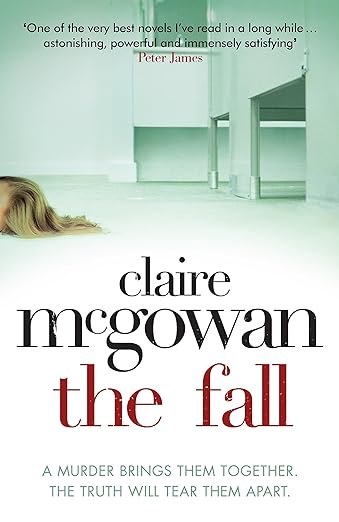
👀 First impressions: Claire McGowan’s The Fall introduces readers to Charlotte, a woman whose perfect life unravels overnight when her fiancé is accused of murder. The story alternates between Charlotte and another woman, Keisha, whose life could not be more different, yet the two women’s paths collide in unexpected ways. Set in London’s underbelly of crime and class disparity, McGowan’s debut explores how easily lives can fall apart when secrets surface. The premise immediately hooks you, and the dual perspectives promise a layered psychological thriller.
✅ What I Liked: McGowan’s writing shines in moments of emotional honesty. Charlotte’s confusion and denial feel painfully real, and Keisha’s tough, street-smart resilience gives the novel its heart. The contrast between their worlds of privilege and poverty adds a social depth that many thrillers overlook. The pacing starts strong, and the mystery itself, while not entirely original, is delivered with a good balance of tension and empathy.
❎ What I didn’t Like: The main issue with The Fall lies in its uneven rhythm. After a gripping start, the middle section drags with repetitive introspection and slower scenes. The dual narrative structure, though ambitious, sometimes weakens the tension instead of heightening it. The ending, while tidy, lacks the emotional weight it seems to build toward. A few sections of dialogue also feel unnatural, breaking the flow of the story.
📚 Why You Should Read This Book: If you enjoy domestic thrillers that combine mystery with social realism, The Fall is worth a look. It is an interesting study of how two very different women respond to crisis and how their choices intertwine. Readers new to McGowan will spot the early signs of the more confident storytelling she develops in her later work.
💭 Final Thoughts: The Fall contains all the right elements for a gripping psychological thriller: intrigue, complex characters, and emotional stakes. While it never quite reaches its full potential, it remains an engaging read with moments of genuine insight into human behaviour and vulnerability.
🛍️ Where to buy To buy your own copy click HERE and HERE
Final Rating ★★★ – An intriguing but uneven debut that hints at a writer with much more to come.
The night air smells like smoke, the sky flickers with gold and red, and somewhere, a sparkler is tracing bright shapes in the dark. Bonfire Night has always been about fire and memory — rebellion, secrecy, and the stories that survive the flames.
This week, we’re diving into books that carry that same energy: revolutions both quiet and loud, betrayals that smoulder beneath the surface, and the heat of change burning through every page.
1. V for Vendetta by Alan Moore and David Lloyd
Remember, remember the fifth of November.
This graphic novel is a cult classic for good reason. Set in a dystopian Britain ruled by a fascist regime, it follows a masked vigilante known only as V, who plots to bring down the government. The imagery of Guy Fawkes’ mask has since become an icon of rebellion across the world. Moore’s writing is razor-sharp, questioning power, identity, and the cost of freedom. For Bonfire Night, there’s no story that fits the mood better, a tale born from the flames of resistance.
2. Fingersmith by Sarah Waters
Victorian secrets and shocking twists, lit by gaslight and deceit.
Dark, seductive, and utterly enthralling, Fingersmith plunges readers into a Victorian world of thieves, orphans, and secret schemes. Sue Trinder, raised among pickpockets, agrees to con a wealthy heiress, only to find herself caught in a web of deception and desire. Waters’ prose crackles with tension, and her plot twists are explosive. Like a box of fireworks, this novel lures you in with beauty before everything bursts apart in dazzling chaos.
3. The Familiars by Stacey Halls
Witch trials, suspicion, and survival , history with a spark of magic.
Inspired by the real Pendle witch trials of 1612, The Familiars tells the story of Fleetwood Shuttleworth, a young noblewoman desperate to protect her unborn child. When she befriends a midwife accused of witchcraft, their fates intertwine against a backdrop of fear and superstition. Halls’ lush historical detail and feminist perspective make this novel a glowing ember of defiance. It’s a perfect pick for readers who love their history laced with danger and quiet rebellion.
4. His Bloody Project by Graeme Macrae Burnet
A crime. A confession. A community in flames.
Set in a remote Highland village in 1869, this Booker-shortlisted novel begins with a brutal triple murder, and the confession of the young man accused. But nothing is as simple as it seems. Told through police reports, witness statements, and diary entries, it’s a chilling puzzle about class, isolation, and truth. Like the flicker of a bonfire in the wind, Burnet’s narrative constantly shifts perspective, leaving you questioning who really struck the match.
5. The Shadow of the Wind by Carlos Ruiz Zafón
For those who love secrets hidden in smoke and ash.
In post–Civil War Barcelona, a boy named Daniel discovers a forgotten novel that changes his life — and leads him into a dangerous mystery surrounding the book’s vanished author. Zafón’s writing is both gothic and romantic, full of rain-slicked streets, candlelit libraries, and haunting memories. This is a love letter to books and storytelling itself, best enjoyed with a blanket, a cup of cocoa, and the faint pop of fireworks outside your window.
Final Thoughts
Bonfire Night reminds us how history is written, and rewritten, by those who dare to speak, fight, and dream. These stories, filled with rebellion and revelation, will warm your heart while stirring your mind. Whether you’re by a bonfire or wrapped up indoors, let these books spark your imagination long after the last ember fades.
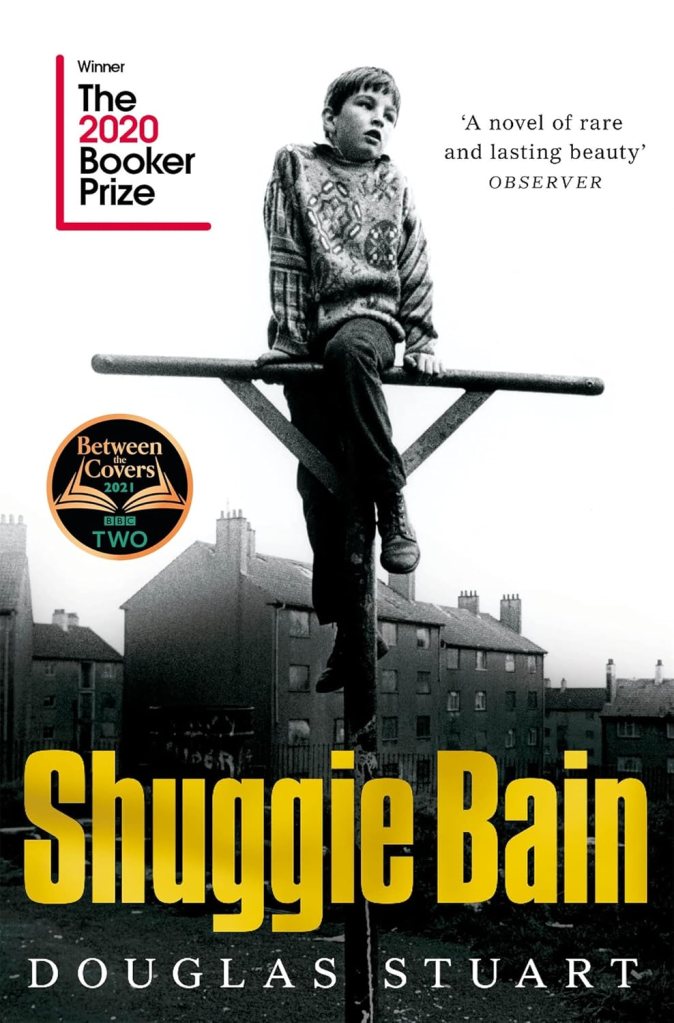
👀 First impressions: Shuggie Bain is a raw and deeply moving novel set in 1980s Glasgow, a city scarred by industrial decline and social decay. It follows young Hugh “Shuggie” Bain as he grows up in a working-class family struggling to survive. His mother, Agnes, is beautiful, proud, and addicted to drink. She dreams of a better life, one filled with glamour and dignity, but those dreams slowly crumble under the weight of poverty and isolation.
Douglas Stuart writes with a clarity and compassion that immediately draws you in. From the first pages, it is clear this is not just a story about addiction but a story about love and endurance. The relationship between Shuggie and Agnes is tender, painful, and unforgettable. The novel paints a vivid picture of a city and a family on the edge, yet it never loses sight of the human heart beating within it.
✅ What I Liked: The emotional honesty of Shuggie Bain is remarkable. Stuart captures the daily grind of poverty in Glasgow with precision, but he also finds moments of grace and humour in the bleakness. The world feels completely real, from the grey streets to the suffocating high-rise flats, and the characters live and breathe beyond the page.
Agnes is one of the most tragic yet magnetic figures I have read in years. Her pride and vulnerability make her both infuriating and deeply sympathetic. Shuggie, gentle and steadfast, becomes her caretaker long before he should have to be. Their bond, shaped by love and disappointment, is at the heart of everything.
The writing is lyrical without losing authenticity. Stuart balances dialect and rhythm beautifully, creating dialogue that feels natural while still carrying emotional weight. The novel also explores masculinity and identity with subtlety, as Shuggie, a sensitive boy often described as “not right,” navigates a world that demands toughness and conformity.
❎ What I didn’t Like: There is very little that feels misplaced in this novel, though it is undeniably heavy. The relentless suffering can be difficult to read, and some readers may find it emotionally draining. The pacing occasionally lingers in scenes that emphasise misery, which might feel repetitive to those who prefer lighter storytelling. However, that repetition mirrors the reality of the characters’ lives and reinforces the sense of entrapment that defines their world.
It is a book that requires emotional stamina, but the payoff is immense. The final chapters are devastating yet quietly hopeful, offering a sense of dignity that feels earned rather than imposed.
📚 Why You Should Read This Book: If you are drawn to stories that explore the strength of human connection amid hardship, Shuggie Bain is essential reading. It is beautifully written, deeply empathetic, and filled with emotional truth. Fans of writers such as Alan Hollinghurst, James Kelman, or Hanya Yanagihara will appreciate its blend of realism and lyricism.
It also stands as a love letter to working-class Glasgow, written with both affection and fury. Stuart captures not only the cruelty of poverty but also the tenderness of small acts of love that keep people going. It is easy to see why this debut won the Booker Prize. It is both specific and universal, a story about one boy and one mother that somehow speaks to the resilience of so many.
💭 Final Thoughts: Shuggie Bain is not an easy read, but it is an extraordinary one. It is a story of love that refuses to give up, even when the world seems determined to crush it. Douglas Stuart writes with empathy and precision, turning tragedy into something luminous. The novel exposes the harsh realities of addiction and deprivation while celebrating the endurance of hope.
It is a book that will stay with you long after you finish it. The pain of it lingers, but so does the beauty. Shuggie Bainreminds us that love, however imperfect, can still be the thing that saves us.
🛍️ Where to buy To buy your own copy click HERE and HERE
Final Rating ★★★★★ – A heartbreaking portrait of love, poverty, and resilience in Thatcher’s Glasgow.
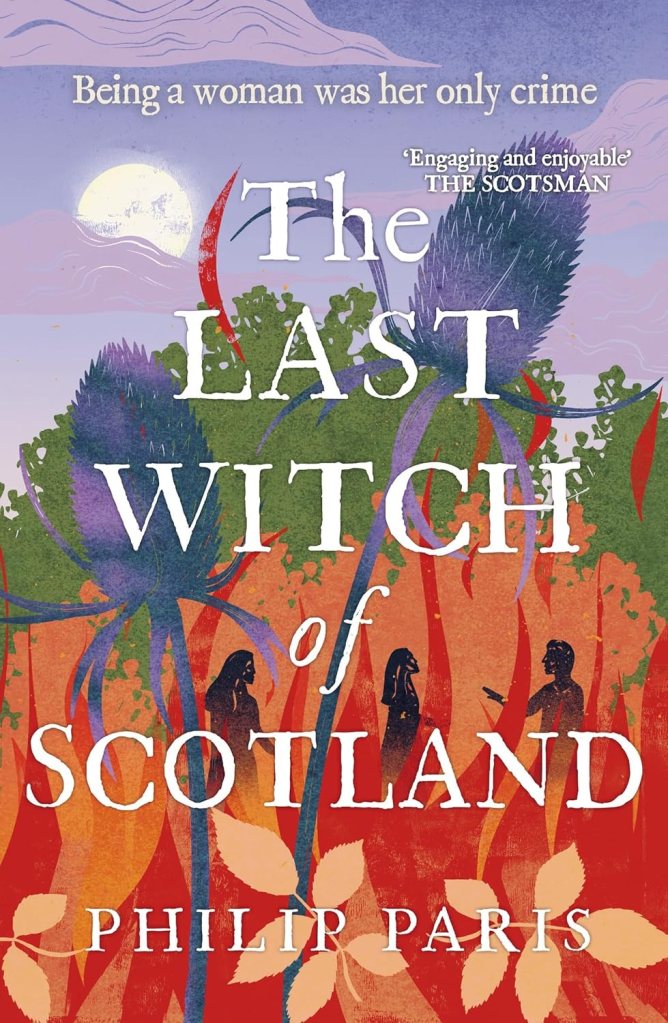
👀 First impressions: Set in the remote Scottish Highlands in 1727, The Last Witch of Scotland tells the story of Aila and her mother Janet as they try to rebuild their lives after a fire kills Aila’s father and leaves her permanently scarred. They move to the parish of Loth in search of a fresh start, but soon discover that isolation brings its own kind of danger. When a new minister arrives and a group of travelling performers pass through, the quiet village begins to unravel under the weight of gossip and suspicion.
The novel is inspired by the true story of Janet Horne, the final woman to be executed for witchcraft in Britain. From the first pages, Philip Paris captures the bleak beauty of the Highlands and the claustrophobia of small communities where faith and fear are inseparable. The sense of place is strong, the tension ever-present, and the historical foundation immediately compelling.
✅ What I Liked: The strongest aspect of the novel is its atmosphere. Paris creates a vivid picture of the 18th-century Highlands, full of cold winds, smoke-filled cottages, and unspoken judgment. The setting feels alive, both breathtaking and oppressive. Aila’s scars mark her as different, and her struggle for acceptance feels heartbreakingly real. The relationship between Aila and Janet is beautifully written, layered with guilt, love, and quiet endurance.
I also admired how the story handles the witch-trial theme. Rather than leaning into the supernatural, it explores how hysteria can grow from ordinary fears. The portrayal of faith, superstition, and control feels grounded and thought-provoking. The novel is full of moral complexity and restraint, allowing readers to feel the dread without the need for spectacle.
❎ What I didn’t Like: Although the writing is beautiful, parts of the story feel predictable. The pattern of an outsider being misunderstood and condemned by a fearful community is familiar, and this makes some events easier to anticipate. The pacing in the first half is quite slow, which suits the tone but may test readers who prefer more momentum.
A few supporting characters, including the minister and the travelling troupe, are less developed than Aila and Janet. Their roles serve the plot rather than adding much emotional depth, which occasionally weakens the tension in scenes that rely on them.
📚 Why You Should Read This Book: Readers who enjoy historical fiction with a strong sense of place will find much to love here. The book combines emotional storytelling with rich historical detail and a haunting atmosphere. It will appeal to anyone interested in stories about women who defy expectations, about the price of difference, and about the cruelty that can come from fear.
Fans of novels such as The Mercies by Kiran Millwood Hargrave or The Witchfinder’s Sister by Beth Underdown will find a similar blend of history, tragedy, and quiet strength. It is a thoughtful, slow-burning story that rewards patience and reflection.
💭 Final Thoughts: The Last Witch of Scotland is a powerful and deeply moving piece of historical fiction. Through Aila’s story, Philip Paris examines how superstition and fear can divide communities and destroy lives. The writing is evocative, the characters believable, and the emotion genuine. While it does not offer many surprises, it leaves a lasting impression through its compassion and honesty.
This is not a sensational tale of witchcraft but a quiet study of resilience, faith, and survival. It lingers in the mind long after the final page, like the echo of a prayer carried on the Highland wind.
🛍️ Where to buy To buy your own copy click HERE and HERE
Final Rating ★★★★ – A haunting Highland tale of faith, fear, and survival.
👀 First impressions: Two Old Women by Velma Wallis is a hauntingly beautiful retelling of an Athabascan legend from Alaska. The story begins with a tribe facing brutal winter starvation. In their desperation, they abandon two elderly women, Sa’ and Ch’idzigyaak, deemed too weak to contribute. Left to die in the frozen wilderness, the pair must decide whether to accept their fate or fight for survival. What follows is a powerful journey of endurance, courage, and the rediscovery of forgotten strength.
✅ What I Liked: Wallis’s storytelling feels elemental, simple, clean, and deeply evocative, much like the icy landscapes she describes. The bond between the two women develops naturally as they relearn old skills and find purpose in their struggle. There’s something deeply satisfying in watching them defy both nature and the tribe’s expectations. The author’s respect for oral storytelling traditions shines through, making the tale feel both intimate and universal.
❎ What I didn’t Like: There isn’t much to criticise here, though readers looking for complex plots or expansive world-building might find the story’s simplicity too bare. It’s a short novella, and I almost wished it lingered longer on the women’s later years or the tribe’s shifting attitudes.
📚 Why You Should Read This Book: If you love stories of resilience, indigenous folklore, or quiet character-driven narratives, Two Old Women is a must-read. It’s a perfect reminder that strength doesn’t fade with age, it deepens. This book would particularly appeal to fans of The Snow Child by Eowyn Ivey or Where the Crawdads Sing by Delia Owens, for its blend of wilderness survival and emotional depth.
💭 Final Thoughts: Velma Wallis has crafted more than a survival story; it’s a celebration of wisdom, independence, and the power of the human spirit. Rooted in cultural heritage and delivered with elegant simplicity, Two Old Women is a small book with a vast heart.
👀 First impressions: Victorian Psycho is a gothic thriller that fuses the eerie atmosphere of 19th-century London with the twisted psychology of a killer’s mind. Virginia Feito delivers an intoxicating blend of murder, repression, and moral decay, drawing clear inspiration from classics like Dr. Jekyll and Mr. Hyde and The Picture of Dorian Gray. The story follows a seemingly respectable gentleman whose polite façade hides an unspeakable darkness. Feito writes with lush, almost decadent prose, perfectly evoking the grime and grandeur of the era.
✅ What I Liked: The atmosphere is outstanding, so richly drawn that you can almost smell the fog and coal smoke. Feito’s use of language feels authentic to the period without ever becoming heavy or inaccessible. The psychological tension builds beautifully, and the slow unraveling of the protagonist’s sanity is both horrifying and hypnotic. There’s also a subtle feminist undercurrent that adds depth, challenging the patriarchal norms of Victorian society.
❎ What I didn’t Like: While the pacing suits the gothic tone, the middle section lingers a little too long in introspection, slowing the momentum. Some readers might also find the violence more disturbing than expected; it’s not gratuitous, but it’s vividly portrayed.
📚 Why You Should Read This Book: If you love gothic horror, morally complex characters, or the shadowy psychology of Victorian London, this is a must-read. It’s especially satisfying for fans of dark literary fiction who want something atmospheric yet emotionally charged.
💭 Final Thoughts: Victorian Psycho is a gorgeously written, macabre exploration of duality, desire, and the monsters that live behind polite society’s masks. Feito’s command of tone and setting makes this a standout among modern gothic thrillers, a chilling, elegant page-turner that lingers long after the final chapter.
🛍️ Where to buy To buy your own copy click HERE and HERE
Final Rating ★★★★ – Atmospheric, intelligent, and chillingly elegant
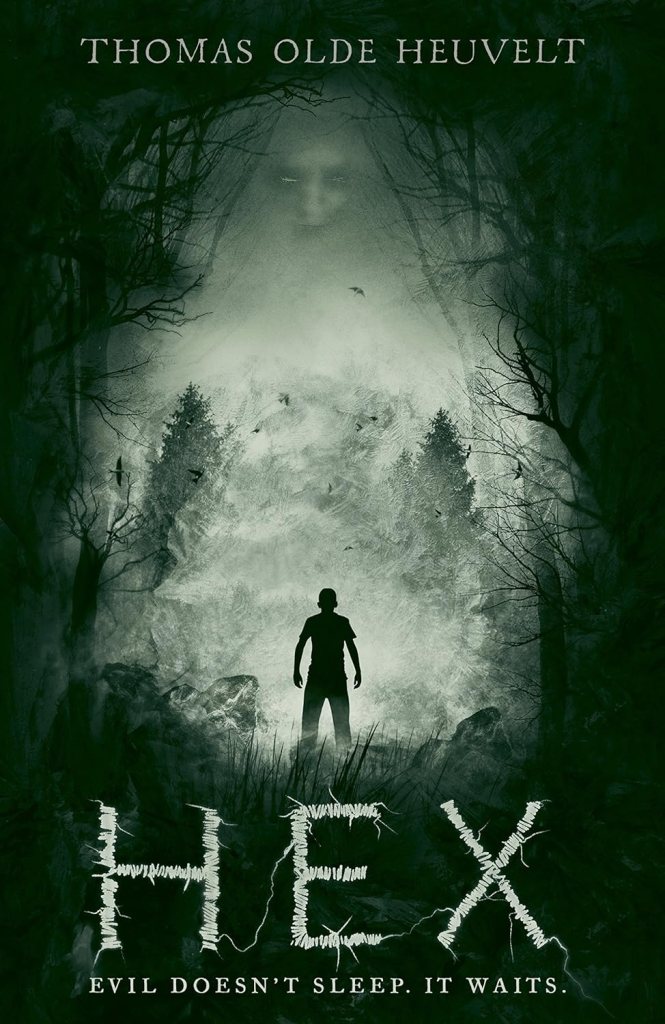
👀 First impressions: If you’re looking for a book that truly earns its place on your Halloween reading list, Hex by Thomas Olde Heuvelt is it. This haunting novel blends folklore and modern life in a way that feels both timeless and terrifying. Set in the seemingly peaceful town of Black Spring, it follows residents who live alongside the ghost of a seventeenth-century witch, Katherine van Wyler. Her eyes and mouth are sewn shut, and she roams freely through homes and streets, a silent, horrifying reminder that the town’s curse never sleeps.
But what makes Hex especially chilling is how Heuvelt modernises the ghost story. The townspeople use an app to monitor the witch’s movements, enforcing curfews and secrecy to protect their secret from outsiders. It’s a fascinating and eerie mix of old-world superstition and digital-age paranoia.
✅ What I Liked: The concept is absolutely brilliant. Heuvelt’s world-building feels disturbingly plausible, showing how fear can become part of daily life when people convince themselves it’s “normal.” The blend of ancient curse and modern surveillance hits hard, especially in an era when everything is recorded and shared.
The atmosphere is perfectly autumnal, claustrophobic, eerie, and full of creeping dread. The witch herself is unforgettable, more terrifying for her silence than any act of violence. I also loved how Heuvelt uses her as a mirror for the town’s moral decay. The real monster isn’t Katherine, it’s the community’s complicity and cruelty.
❎ What I didn’t Like: The final act veers sharply into chaos and violence, which might be too much for readers who prefer slow-burn tension. The tone becomes darker and more disturbing, but it fits the book’s descent into madness. Hex isn’t cosy horror; it’s the kind that leaves you unsettled long after you turn out the light.
📚 Why You Should Read This Book: Because it’s perfect Halloween reading, haunting, clever, and packed with atmosphere. Hex is what happens when The Crucible meets Black Mirror, a story that explores how easily fear and power can corrupt even the most ordinary places.
💭 Final Thoughts: Hex is a masterclass in modern horror. Thomas Olde Heuvelt redefines what it means to live with a curse, reminding us that evil doesn’t just haunt, it adapts. Read it by candlelight, on a stormy night, and don’t be surprised if you find yourself checking the corners of your room before bed.
🛍️ Where to buy To buy your own copy click HERE and HERE
Final Rating ★★★★ – A chilling and thought-provoking Halloween read that blends folklore and modern fear with unforgettable precision.





 Minnie's Fiction Addiction