
• 👀 First impressions:
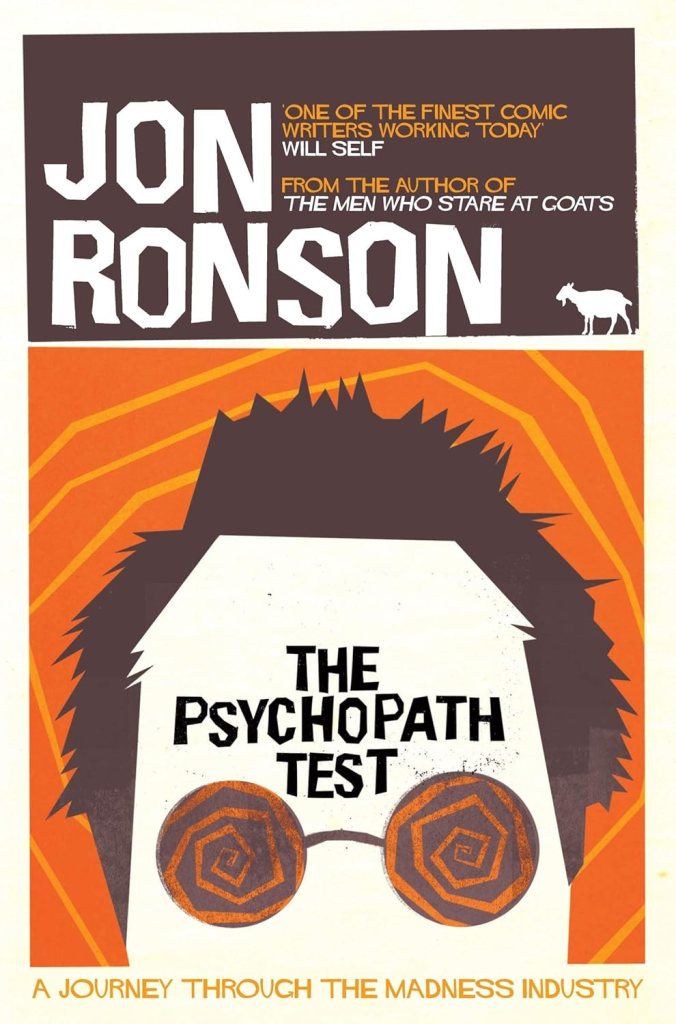
    Published in 2011, The Psychopath Test: A Journey Through the Madness Industry is Jon Ronson’s trademark blend of investigative journalism, dark humour, and curiosity about human behaviour. The book begins with an odd mystery surrounding a strange manuscript, which leads Ronson into the world of psychology, psychiatry, and the people who claim to diagnose, and sometimes exploit, mental illness. At its core, the book explores the question: What makes a psychopath? and more disturbingly, how many are walking among us?

    ✅ What I Liked:
    I found Ronson’s writing style immediately engaging. He has a way of taking complex psychological concepts and making them both accessible and entertaining without ever losing sight of the seriousness of his subject. His interviews are particularly compelling: from Scientologists to CEOs, from prisoners to psychiatrists, the conversations he recounts are surreal, funny, and unsettling in equal measure. I also appreciated the critical edge he brings, particularly his willingness to question the reliability of tools such as the Hare Psychopathy Checklist and his exploration of whether the psychiatric industry sometimes profits by pathologizing people.

    ❎ What I didn’t Like:
    That said, there were moments where I wished Ronson had delved deeper. The book raises big questions about mental illness, power, and justice, but occasionally skirts around them instead of digging in fully. At times the balance between humour and seriousness felt uneven too; while the levity often works, there are moments when the tone feels uncomfortable given the gravity of what’s being discussed.

    📚 Why You Should Read This Book:
    This is a book that will appeal to anyone interested in psychology, true crime, or quirky investigative journalism. It’s not a dry academic text but a curious, witty, and sometimes unsettling journey through the world of mental health diagnoses. If you’re a fan of Louis Theroux or enjoy nonfiction that makes you laugh even as it leaves you uneasy, this book will be right up your street.

    💭 Final Thoughts:
    The Psychopath Test doesn’t try to be a definitive guide to psychopathy, and in truth, that’s part of its charm. Instead, it shines a light on the strange and often troubling ways we define and diagnose mental health, and how those definitions ripple through society. It is a book that entertains, provokes thought, and lingers in your mind long after you’ve turned the final page.

    🛍️ Where to buy
    To buy your own copy click HERE

    Final Rating ★★★★ – A sharp, funny, and unsettling read that entertains while leaving you with more questions than answers.
  • 👀 First impressions:
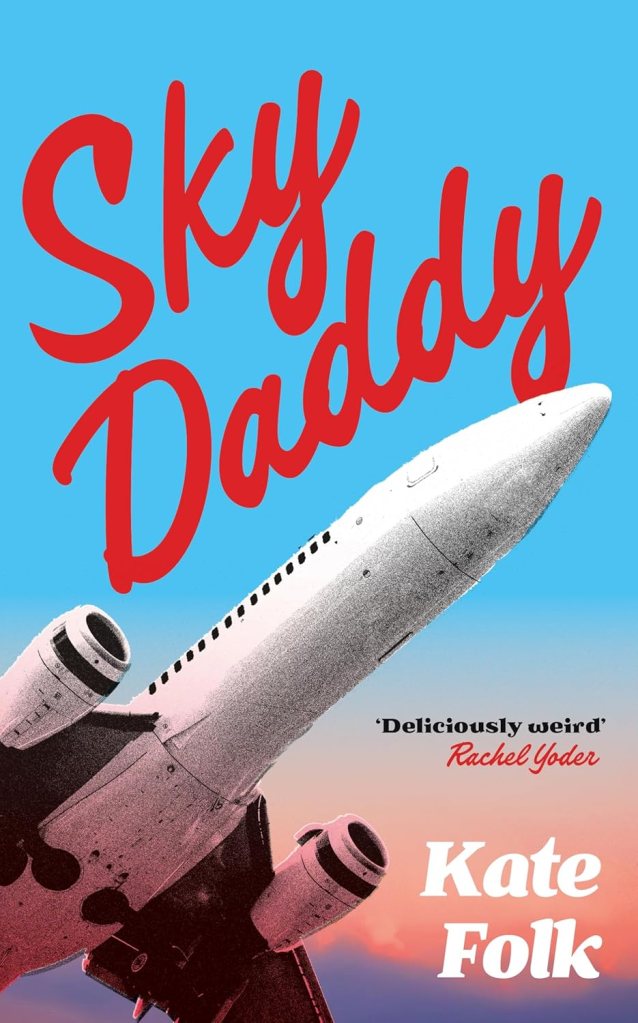
    I picked up Sky Daddy after seeing it featured on best-of lists and across literary discussions online—people couldn’t stop talking about the bizarre appeal of loving a plane. And what a premise it is. Linda, our narrator, is utterly and erotically obsessed with airplanes, dreaming of being reunited mid-flight, merging into a catastrophic crash that would bind her eternally to the machine. It sounds wild (and it is), but Folk’s dark humour and humanity make it both strangely moving and hard to forget. 

    ✅ What I Liked:
    Linda’s voice is deadpan, earnest, and so disarmingly humane that I couldn’t help but root for her, even as she quietly travels toward her own destruction. Folk balances absurdity and empathy expertly; she never mocks Linda, but paints her longing as radical honesty in a world built for cautious dreaming.

    The novel also lands as a sharp commentary on modern life: the numb drone of content moderation, isolating jobs, the idea that surrender, embodied in flying, can be both terrifying and transcendent. Folk immerses us in Linda’s world so that even the most surreal moments feel grounded in emotional truth.

    ❎ What I didn’t Like:
    The premise is undeniably unusual, which is part of the appeal, but the novelty can wear thin if you’re not settled in by Linda’s voice early on. Some may find the humor too dark or the obsession too extreme to connect with. But if Linda grabs you, the rest becomes strangely meaningful.

    📚 Why You Should Read This Book:
    Sky Daddy is perfect for readers craving something outlandishly original yet deeply reflective, think Moby-Dick meets surreal romance meets millennial ennui. If you’re a fan of Kate Folk’s voice or intrigued by stories that turn obsession into empathy, this one’s a standout.

    💭 Final Thoughts:
    This book is an audacious debut that takes you on a flight, sometimes literal, often existential, in the skies between longing and absurdity. It’s weird, yes, but also tender in its honesty. Linda’s love for planes is more than erotic fixation; it’s a radical reclaiming of desire in a world that often sneers at what we can’t easily explain.

    🛍️ Where to buy
    To buy your own copy click HERE

    Final Rating ★★★★ – A bizarre, moving ride that leaves you thinking about desire, despair, and the strange ways we seek connection

  • I’ve always believed that reading has its own seasons. Not just the publishing calendar of summer blockbusters and autumn prize-winners, but the way my own habits ebb and flow with the year. Just as I swap sandals for scarves, my TBR seems to change its flavour with the weather.

    Winter 🥶 ❄️☃️ Long Nights, Long Books

    In the depths of winter, I gravitate towards big, immersive stories. There’s something about dark evenings and frosty mornings that calls for equally weighty novels. I don’t mind if they take me weeks to finish—sometimes that’s part of the comfort. Historical sagas, multi-book crime series, or epic fantasies feel like the perfect companions when I’m tucked under a blanket, candle flickering nearby, mug of tea permanently within reach. There’s no rush; the slower pace of winter reading matches the hush of the world outside.

    Spring 🌹🌱🌼 Stories of Renewal

    , When spring arrives, so does a change in my reading mood. As the first flowers push through and the days stretch a little longer, I find myself reaching for books that feel fresh and full of possibility. Romance novels, light-hearted contemporaries, or stories about reinvention and second chances sit at the top of my list. I also spend more time outdoors, so audiobooks sneak into my routine keeping me company on walks, turning even the school run or a stroll to the shops into a mini reading session. Spring feels like a literary fresh start.

    Summer ☀️👙🕶️ Fast, Fun, and Portable

    By the time summer rolls around, my reading has fully embraced wanderlust. Whether I’m travelling in Morag (my campervan) or stretched out in the garden, I lean toward fast-paced thrillers, easy rom-coms, or fantasy adventures that keep me hooked without demanding too much concentration. Summer books have to be portable and bingeable, the kind of stories you can devour in one sitting between sightseeing stops, or pick up and put down between dips in the sea. Paperbacks in my backpack become as essential as sunscreen.

    Autumn 🍁🍂🍃 Where the Magic Happens

    And then there’s autumn. For me, this is the golden season of reading. The air turns crisp, leaves scatter the pavements, and suddenly I want books with atmosphere. Gothic novels, dark academia, eerie thrillers, and whimsical fantasies with a touch of magic all find their way into my hands. Autumn evenings are made for candles, blankets, and pages that blur the line between comfort and unease. I love stories that feel just a little dangerous, just a little enchanted, like walking through the woods at dusk and half-believing the shadows might move.

    A Year in Reading

    Over time, I’ve realised that these shifts aren’t just about genres, but about the emotions I’m chasing. In winter, I want to be absorbed. In spring, I want to feel hopeful. In summer, I want adventure and entertainment. And in autumn, I want to be enchanted.

    That’s the beauty of reading, it adapts to us. It reflects the rhythm of the world outside, and the mood we bring to the page.

    👉 What about you? Do your reading habits change with the seasons, or are you a year-round devotee of one genre? I’d love to hear which books you reach for when the weather turns.

  • 👀 First impressions:
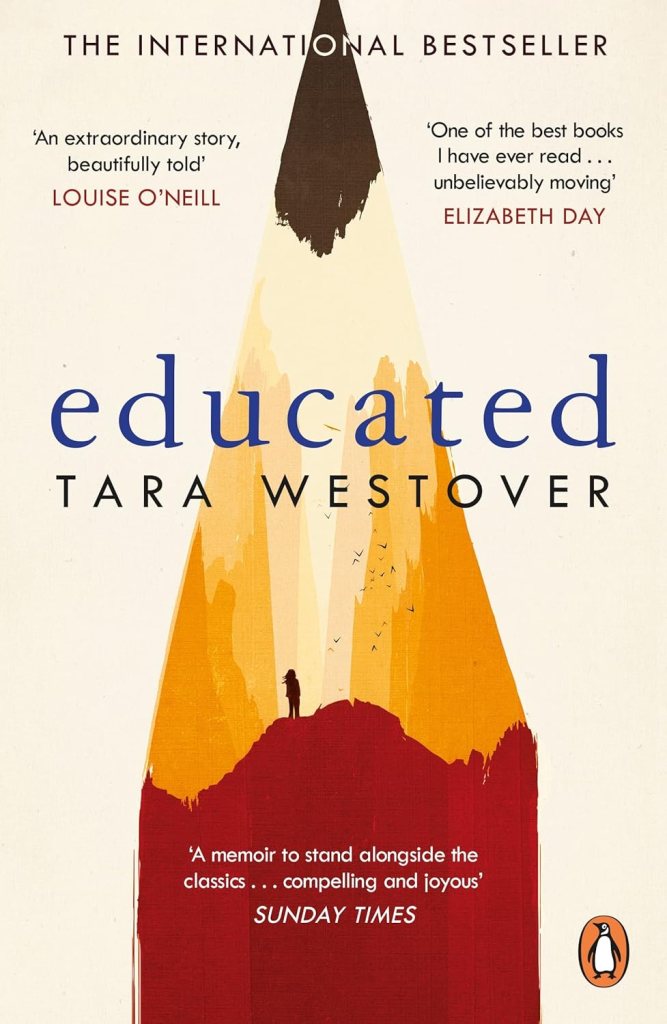
    Educated is one of those books I kept seeing everywhere, on BookTok, on Bookstagram, in “must-read memoir” lists. It felt like everyone was saying the same thing: this is worth your time. It tells the story of her childhood in a strict, survivalist family in rural Idaho, where formal education was forbidden, and her journey of self-discovery that eventually led her to earn a PhD from Cambridge University.

    I picked this one up because it’s one of those modern memoirs that everyone seems to talk about, and with good reason. From the first chapter, it’s clear this isn’t just a story about education, it’s about identity, family, faith, and the courage it takes to break away from the only world you’ve ever known.

    ✅ What I Liked:
    Westover’s writing is both stark and lyrical. She doesn’t sensationalize her experiences, but she conveys them with raw honesty and striking clarity. The memoir grapples with big themes, abuse, isolation, resilience, but always through the lens of Tara’s deeply personal perspective.

    What stood out most to me was the tension between loyalty to family and the pursuit of freedom. Watching Tara navigate the painful process of reconciling those two forces was heartbreaking and inspiring in equal measure. I also admired her ability to reflect on her story with compassion, even for those who hurt her most.

    ❎ What I didn’t Like:
    Honestly, very little. There are moments where the narrative feels repetitive, especially in the cycle of family conflict and reconciliation, but that repetition also mirrors the lived reality of trauma. Some readers might wish for more resolution with certain family members, but the lack of tidy closure makes the story feel all the more real.

    📚 Why You Should Read This Book:
    If you enjoy memoirs that challenge, inspire, and stay with you long after the final page, Educated is essential reading. It’s a story about more than one woman’s education—it’s about the transformative power of knowledge, the resilience of the human spirit, and the painful, complicated ties of family.

    💭 Final Thoughts:
    Educated is one of those rare memoirs that feels both deeply personal and universally relevant. It’s about the cost of freedom, the power of learning, and the courage it takes to rewrite your own story. Unflinching and beautifully written, it’s a book I’ll be thinking about for a long time.

    🛍️ Where to buy
    To buy your own copy click HERE

    Final Rating ★★★★★ –

  • 👀 First impressions:
    Caraval is the first book in Stephanie Garber’s fantasy trilogy, where magic and illusion blur the line between performance and reality. Sisters Scarlett and Donatella finally get the chance to attend Caraval, a mysterious game where the audience becomes part of the show. But when Tella is kidnapped, Scarlett must navigate a world of dazzling enchantments, dangerous bargains, and shifting truths to win her sister back.

    I picked this one up because my bestie absolutely loves it and has been encouraging me to read it for ages. With all the hype and the comparisons to The Night Circus, I was curious to see what all the fuss was about.

    ✅ What I Liked:
    The atmosphere is definitely the novel’s strongest point. Garber paints Caraval as a place dripping with colour, mystery, and temptation, you can practically taste the magic. The relationship between Scarlett and Tella also stood out; even when the romance and illusions take over the narrative, that sisterly bond remains the book’s emotional anchor.

    I also liked the constant uncertainty, never being quite sure what was real and what was performance kept me engaged.

    ❎ What I didn’t Like:
    While I could appreciate the imagery, at times the prose felt overly flowery, pulling me out of the story instead of immersing me further. The pacing also wavered: some parts raced along with high tension, while others dragged under the weight of description.

    Scarlett, as the protagonist, frustrated me a little. Her hesitancy made sense for her character arc, but it often slowed the momentum and left me wishing for more spark in her decisions.

    📚 Why You Should Read This Book:
    If you love immersive worldbuilding, lush descriptions, and whimsical-yet-dark magical settings, Caraval could easily be your next favourite. It thrives on atmosphere and escapism, and with two sequels (Legendary and Finale), the series offers plenty more to explore.

    💭 Final Thoughts:
    While I didn’t love Caraval as much as my bestie did, I can see the appeal. It’s imaginative, dramatic, and filled with twists, but the style and pacing just didn’t click with me. That said, it’s one of those books where if the premise and aesthetic draw you in, you’ll probably fall hard for it.

    🛍️ Where to buy
    To buy your own copy click HERE

    Final Rating ★★★ – An imaginative fantasy that didn’t quite live up to the hype for me

  • Photo by Kimson Doan on Unsplash

    Sometimes you don’t want high drama or heartache, you just want a romance that feels like a hug in book form. Cosy romances are the perfect antidote to a stressful week: comforting settings, gentle humour, and love stories that leave you smiling. Whether set in bookshops, small towns, or snowy cottages, these reads are guaranteed to warm your heart.

    The Flatshare by Beth O’Leary

    A modern rom-com classic, this novel tells the story of Tiffy and Leon, who share a flat — but never meet. Their quirky living arrangement soon blossoms into something much deeper, told through witty dialogue and a wonderfully cosy atmosphere.

    The Little Bookshop of Love Stories by Jaimie Admans

    For book lovers, this one’s irresistible. It combines the magic of a second-hand bookshop with a sweet slow-burn romance, full of charm, humour, and heart. Perfect if you want a romance that feels gentle and bookish.

    Rosie’s Travelling Tea Shop by Rebecca Raisin

    A romance with a side of wanderlust, this follows Rosie as she trades her old life for a campervan tea shop. It’s whimsical, warm, and celebrates both self-discovery and new love. Great for readers who love stories about finding happiness in unexpected places.

    Meet Me at the Cupcake CafĂŠ by Jenny Colgan

    Jenny Colgan is the queen of cosy romance, and this one is a delicious treat. With its bakery setting, a lovable heroine, and plenty of baked goods sprinkled throughout, it’s a guaranteed feel-good read.

    Before the Coffee Gets Cold by Toshikazu Kawaguchi (romantic twist)

    Though not a conventional romance, this Japanese bestseller captures the bittersweet beauty of love and connection through a café where customers can travel back in time. It’s gentle, heartwarming, and perfect if you want your cosy romance with a touch of magic.

    Bonus Pick – A Winter’s Kiss by Sue Moorcrof

    For readers already looking ahead to colder nights, this wintry romance is full of snowy charm and festive feels. Perfect with a hot chocolate and a blanket.

    Final Thoughts

    Cosy romances are about comfort as much as chemistry. They’re the books you read when you want to smile, relax, and believe in happy endings. Whether you prefer bookshops, bakeries, or campervans, these stories are guaranteed to leave you warm and fuzzy inside.

  • 👀 First impressions:
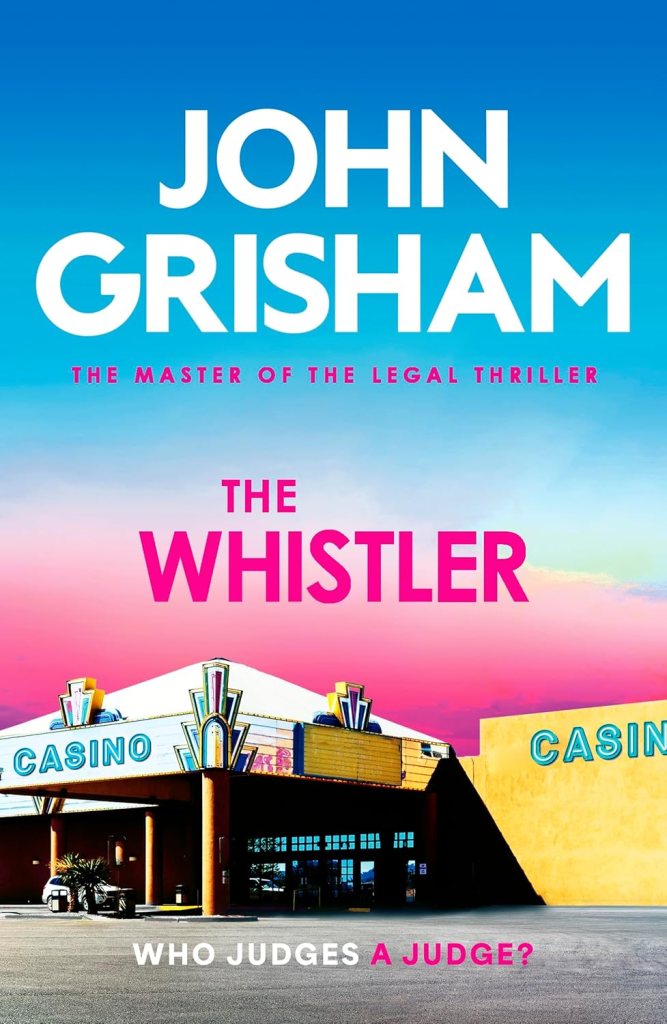
    John Grisham has long been the go-to author for legal thrillers, and The Whistler is no exception. This novel takes us into the world of judicial corruption, following investigator Lacy Stoltz as she uncovers one of the most shocking cases of her career. It’s a story about a judge who isn’t just bending the rules, but breaking them outright, profiting from organised crime, real estate scams, and shady deals that go far beyond the courtroom.

    What drew me to this one is Grisham’s reputation for tackling big issues in a way that still feels like a page-turner. From the first chapters, it’s clear we’re in for a ride full of moral dilemmas, dangerous secrets, and the high stakes of exposing powerful figures.

    ✅ What I Liked:
    I really enjoyed how Grisham peeled back the layers of corruption. Instead of focusing on a single courtroom drama, The Whistler takes us into the investigative side, where the tension lies in gathering evidence and piecing together a case against someone who seems untouchable. Lacy Stoltz is a strong lead, determined, smart, and far more resilient than she first appears.

    The pacing works well too. While it starts with a careful build-up, once the pieces are in play, the book becomes hard to put down. I especially liked the way Grisham portrayed the whistleblower angle, the idea that one voice can expose a system rotten to its core feels both timely and compelling.

    ❎ What I didn’t Like:
    At times, the narrative feels a little heavy with detail. Grisham’s legal knowledge is impressive, but some passages slow the momentum by explaining procedures and politics in depth. I also found that while Lacy is well-drawn, some of the supporting characters fade into the background when they could have been fleshed out more.

    📚 Why You Should Read This Book:
    If you like your thrillers with a mix of legal drama, corruption, and high-stakes danger, The Whistler is a solid pick. It’s classic Grisham in tone and execution, smart, tense, and relevant. Fans of investigative and legal thrillers will find plenty here to sink their teeth into, and it’s a great reminder of why Grisham remains a household name in the genre.

    💭 Final Thoughts:
    The Whistler may not reinvent the legal thriller, but it delivers exactly what Grisham is best at: a gripping, intelligent story that shines a light on the darker corners of the justice system. It’s both a cautionary tale and a suspenseful read, striking the balance between entertainment and social commentary.

    🛍️ Where to buy
    To buy your own copy click HERE

    Final Rating ★★★★ – A sharp and timely legal thriller

  • 👀 First impressions:
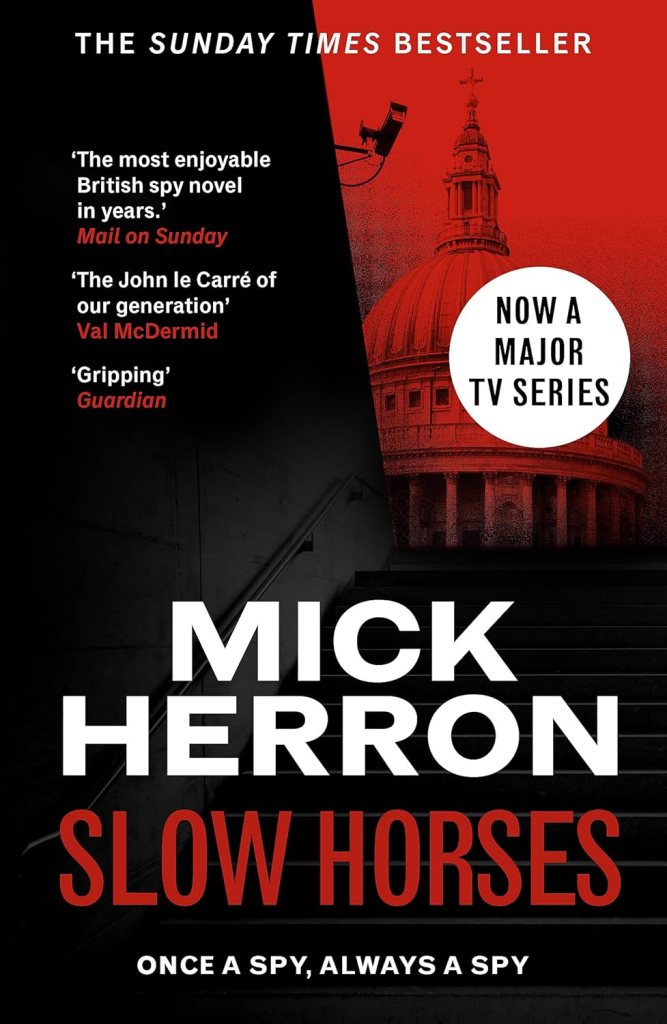
    Slow Horses is the first novel in Mick Herron’s acclaimed Slough House series, which has now grown to nine books and shows no sign of slowing down. On the surface, this is a spy thriller, but it’s not your typical sleek Bond-style escapade. Instead, Herron shines a light on the rejects of MI5, the “slow horses” banished to Slough House after career-ending blunders. Leading them is Jackson Lamb, a foul-mouthed, chain-smoking, deceptively brilliant boss who makes for one of the most unforgettable anti-heroes in modern fiction.

    I first picked this up because I wanted something that wasn’t a traditional espionage tale. What I got was a razor-sharp blend of wit, grit, and clever plotting that makes it very clear why readers keep returning to Herron’s world.

    ✅ What I Liked:
    What struck me most was Herron’s ability to balance suspense with biting satire. The plot, centring on a kidnapped young man and a looming national scandal—unfolds with steady tension, but it’s the characters that really sell it. Each “slow horse” has a backstory filled with mistakes and regrets, yet Herron writes them with such humanity that you can’t help but root for them.

    Jackson Lamb steals every scene. He’s grotesque, abrasive, and seemingly indifferent—but beneath the grime and insults lies a cunning intelligence that makes you constantly reassess him. I also loved how Herron skewers bureaucracy and office politics, proving that in espionage, the battles behind a desk can be as deadly as those on the streets.

    ❎ What I didn’t Like:
    It’s not a criticism so much as a heads-up: this is a slow burn. Herron takes his time building the world and establishing the cast, so readers expecting wall-to-wall action might find the pacing a little deliberate at first. But once you settle into the rhythm, it’s immensely rewarding.

    📚 Why You Should Read This Book:
    If you enjoy spy fiction but want something fresher, darker, and funnier than the standard fare, Slow Horses is essential reading. It lays the groundwork for a series that only grows richer with each instalment, and it introduces one of the most brilliantly unconventional casts in modern thrillers. With nine books now out, you won’t run out of material anytime soon.

    💭 Final Thoughts:
    Slow Horses is proof that the espionage genre doesn’t need to be slick and glamorous to be compelling. Herron gives us spies who are battered, bitter, and deeply flawed, but utterly fascinating. This first book is both an excellent standalone and a perfect springboard into the rest of the series.

    🛍️ Where to buy
    To buy your own copy click HERE

    Final Rating ★★★★★ – A masterclass in character-driven spy fiction

  • 👀 First impressions:
    Blindsighted is the first book in Karin Slaughter’s Grant County series, and it sets the tone for what readers can expect from her work: dark, unflinching crime fiction that doesn’t shy away from the harshest realities. Published in 2001, this debut introduced the world to pediatrician and coroner Sara Linton, police chief Jeffrey Tolliver, and detective Lena Adams. What starts as an ordinary day in the small Georgia town of Heartsdale quickly spirals into something horrific when a brutal murder rocks the community.

    I actually picked this one up because Tiktoker @bethmorvant has mentioned it several times as one of her favourites. I trust her recommendations, and I was curious to see why this particular thriller stood out so much. From page one, I understood, it’s unsettling, intense, and refuses to look away from the darkest corners of human nature.

    ✅ What I Liked:
    The pacing is relentless. Every chapter seems to end with a revelation or a moment that forces you to turn the page. Sara is a fantastic lead, strong yet vulnerable, professional but deeply human. The complicated, layered history between her and Jeffrey adds emotional depth, especially as they’re forced to confront both their past and the darkness in front of them.

    I also appreciated Slaughter’s ability to balance police procedural detail with raw emotional impact. She makes you feel the weight of loss and trauma, not just witness it from the outside. The character of Lena, in particular, is heartbreaking and complex, her arc in this book was one of the most powerful threads.

    ❎ What I didn’t Like:
    The violence and graphic descriptions may be too much for some readers. This isn’t a book you can dip into casually, Slaughter demands that you sit with the ugliness of what’s happening. While I understand why she takes that approach, there were moments I had to pause and catch my breath.

    There are also places where the dialogue feels a little dated, especially since it’s an early-2000s novel, but that didn’t pull me out of the story too much.

    📚 Why You Should Read This Book:
    If you enjoy crime thrillers that are unapologetically raw, emotionally intense, and character-driven, Blindsighted is absolutely worth your time. It’s not just a whodunit, it’s about how violence shatters lives and how people fight to piece themselves back together. Fans of gritty, realistic crime fiction will find Karin Slaughter’s debut a powerful entry point into her wider body of work.

    💭 Final Thoughts:
    Blindsighted is not an easy read, but it is an unforgettable one. Slaughter doesn’t flinch from the brutality of her subject matter, and because of that, the emotional beats land all the harder. I can see why @bethmorvant rates this so highly, it’s the kind of thriller that grabs hold of you and doesn’t let go. It’s a book that will stay with me for a while, and it’s left me eager to continue with the Grant County series.

    🛍️ Where to buy
    To buy your own copy click HERE

    Final Rating ★★★★ – Gritty, gripping, and not for the faint of heart

  • Photo by Markus Spiske on Unsplash

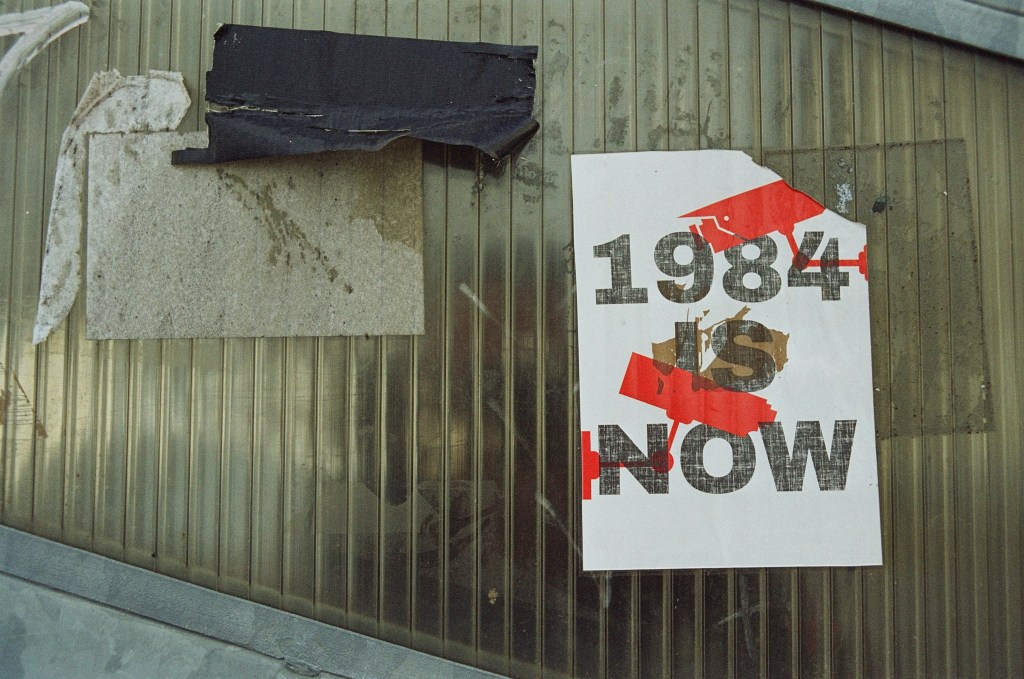
    George Orwell’s 1984 is one of those rare novels that never loses its bite. First published in 1949, its vision of totalitarian control, constant surveillance, and the crushing of individuality feels unnervingly relevant no matter what decade you read it in. For many, it’s the book that sparked a love of dystopian fiction, or at least left them side-eyeing their smart speakers.

    If you closed the final page of 1984 and found yourself hungry for more stories of resistance, manipulation, and futures that hit a little too close to home, here are some excellent reads to add to your list.

    Brave New World by Aldous Huxley

    Before Orwell imagined Big Brother, Huxley envisioned a world where control came not from fear, but from pleasure. Citizens are pacified with consumerism, shallow entertainment, and a drug called soma that keeps everyone docile. It’s a chilling counterpoint to 1984, a dystopia not of pain, but of distraction. A modern classic, it frequently appears on “Top 100 novels of all time” lists, cementing its status as one of the most influential works of the 20th century.

    Fahrenheit 451 by Ray Bradbury

    In Bradbury’s classic, books themselves are the enemy. Firemen don’t put out fires; they start them, burning any literature they find. What makes this one resonate with Orwell’s readers is the focus on censorship, propaganda, and the erasure of ideas. The protagonist’s awakening feels like a spark of hope in a smothered world. Fahrenheit 451 won the American Academy of Arts and Letters Award in Literature and the Commonwealth Club of California Gold Medal, and Bradbury himself later received a Pulitzer Prize Special Citation in 2007 for his distinguished career.

    The Handmaid’s Tale by Margaret Atwood

    Atwood’s dystopia is set in Gilead, a theocratic state where women are stripped of rights and reduced to their reproductive roles. Like Orwell, Atwood explores how authoritarian systems weaponize language, fear, and ideology to maintain control. It’s equally unsettling and unmissable. The novel won the Governor General’s Award in Canada, the first-ever Arthur C. Clarke Award, and has become a modern feminist classic, still sparking debate decades after publication.

    The Power by Naomi Alderman

    If you want something more contemporary, Alderman imagines a world where women develop the ability to generate electrical power, flipping the balance of society. While not a mirror of 1984, it plays with similar questions of power, corruption, and how easily structures of oppression can shift—but not disappear. The Power won the 2017 Baileys Women’s Prize for Fiction and was later adapted into an Amazon Prime series, confirming its place as one of the defining dystopias of the 21st century.

    The Marriage Act by John Marrs

    For a more recent dystopia with a distinctly Orwellian edge, Marrs envisions a future where the government monitors and regulates marriage to “stabilize” society. Technology, surveillance, and authoritarian overreach combine into a page-turner that feels scarily close to reality. While it hasn’t scooped major awards yet, Marrs is a Sunday Times bestselling author, and this novel has been praised for its chillingly plausible take on love, freedom, and control in a world not far removed from our own.

    Final Thoughts

    1984 might be the cornerstone of dystopian fiction, but it’s far from the only book exploring surveillance, censorship, and authoritarian power. Whether you’re drawn to classics like Fahrenheit 451 or want something more modern like The Marriage Act, these stories will scratch the same itch while offering fresh takes on timeless fears.

    Which of these have you read, and which dystopian classics would you recommend to a fellow Orwell fan?