• Photo by Benjamin Raffetseder on Unsplash

    In an age where digital tools enhance every aspect of our lives, book tracking apps have emerged as game-changers for readers seeking to organize, analyze, and amplify their literary adventures. Whether you’re a casual reader hoping to remember what you’ve enjoyed or a voracious bibliophile managing hundreds of titles annually, the right book tracker can revolutionize how you engage with literature.

    Why Use a Book Tracker App?

    The benefits of digital book tracking extend far beyond simple record-keeping. These applications serve as personal reading assistants, helping you discover patterns in your preferences, maintain momentum during reading slumps, and build a comprehensive library of your literary journey. Many readers find that tracking their books increases their reading motivation and helps them set and achieve meaningful reading goals.

    Book tracker apps also excel at solving common reader frustrations. How many times have you stood in a bookstore, unable to remember whether you’ve already read a particular title? Or struggled to recall the name of that fantastic mystery novel you devoured last summer? A well-maintained digital reading log eliminates these moments of literary amnesia.

    Essential Features to Look For

    When evaluating book tracker apps, certain features distinguish the exceptional from the merely adequate. A robust search and cataloging system forms the foundation, allowing you to quickly add books through barcode scanning, manual entry, or database searches. The app should seamlessly handle various formats including physical books, ebooks, and audiobooks.

    Reading progress tracking has become increasingly sophisticated, with many apps offering page-based progress, percentage completion, and estimated reading time calculations. Social features add another dimension, enabling you to connect with fellow readers, share reviews, and discover recommendations from your network.

    Customization options matter significantly for long-term use. Look for apps that allow you to create custom shelves, add personal tags, and organize your library according to your unique system. Statistical insights and reading analytics can provide fascinating glimpses into your habits, showing you everything from your average reading speed to your most-read genres.

    Top Book Tracker Apps in 2025

    Goodreads remains the heavyweight champion of book tracking, boasting the largest database and most active community. Its strength lies in its comprehensive book information, extensive user reviews, and robust recommendation engine. The platform excels at helping readers discover new books through friend activity and curated lists. However, some users find the interface cluttered and desire more customization options.

    StoryGraph has gained significant traction as a more personalized alternative to Goodreads. This app shines in its sophisticated recommendation algorithm, which considers mood, pace, and content warnings alongside traditional genre preferences. The statistical insights are particularly impressive, offering detailed breakdowns of your reading patterns with beautiful visualizations.

    Bookly focuses on the quantified reading experience, offering detailed statistics and progress tracking. It’s perfect for readers who love data, providing insights into reading speed, time spent reading, and goal achievement. The app includes useful features like reading session timers and streak tracking to maintain reading momentum.

    Basmo combines tracking with reading enhancement tools, offering features like note-taking, quote saving, and reading schedule planning. It’s designed for readers who want to engage more deeply with their books, not just track them. The app includes mood tracking and color-coded organization systems.

    Bookshelf appeals to readers who prioritize visual organization. The app creates beautiful virtual bookshelves that mimic physical libraries, making it satisfying for those who miss the tactile experience of browsing physical collections. It offers solid basic tracking features wrapped in an aesthetically pleasing interface.

    Specialized Solutions for Unique Needs

    Different readers have different priorities, and niche apps serve specific communities well. LibraryThing attracts serious collectors and catalogers with its powerful organizational tools and detailed book information. Academic readers might prefer Zotero or Mendeley, which integrate reading tracking with research and citation management.

    For parents tracking children’s reading or teachers managing classroom libraries, apps like Epic! for kids or Beanstack for library reading programs offer age-appropriate interfaces and features designed for younger users or educational settings.

    Making the Most of Your Chosen App

    Success with book tracking apps requires consistent habits and realistic expectations. Start by importing or manually adding recent reads to establish your baseline. Many users find success in updating their progress regularly rather than attempting to log everything at once after finishing a book.

    Don’t feel pressured to rate and review every book if that doesn’t align with your reading style. Some readers prefer simple tracking, while others enjoy writing detailed reviews. Find the level of engagement that enhances rather than burdens your reading experience.

    Consider how the app integrates with your existing reading ecosystem. If you primarily read ebooks, ensure your tracker can import reading data from your e-reader or reading app. Physical book readers might prioritize barcode scanning features for quick entry.

    Privacy and Data Considerations

    As with any digital platform, consider the privacy implications of your book tracking app. Your reading history reveals intimate details about your interests, beliefs, and personal development. Review the app’s privacy policy and consider what information you’re comfortable sharing publicly versus keeping private.

    Some apps offer granular privacy controls, allowing you to share certain aspects of your reading while keeping others private. This flexibility can be important for readers who want community benefits without complete exposure of their literary preferences.

    The Future of Book Tracking

    Emerging technologies promise exciting developments in book tracking. Artificial intelligence is enabling more sophisticated recommendation engines that consider nuanced preferences beyond genre classifications. Integration with smart home devices allows for voice-activated book logging, while augmented reality features might soon let you point your phone at any book to instantly add it to your library.

    The line between book tracking and reading enhancement continues to blur, with apps increasingly offering features like integrated note-taking, discussion forums, and even AI-powered reading companions that can answer questions about books you’re reading.

    Finding Your Perfect Match

    The best book tracker app is the one you’ll actually use consistently. Consider your reading habits, technical comfort level, and what aspects of tracking matter most to you. Many successful readers start with a popular option like Goodreads or StoryGraph before potentially migrating to more specialized solutions as their needs evolve.

    Remember that you can always export your data and switch apps if your initial choice doesn’t prove satisfactory. The most important step is beginning to track your reading journey systematically, regardless of which digital tool you choose.

    Conclusion

    Book tracker apps represent more than simple digital catalogs; they’re windows into our reading souls and companions on our literary journeys. By choosing the right app and developing consistent tracking habits, you transform reading from a series of isolated experiences into a connected, analyzed, and optimized personal growth system.

    Whether you’re motivated by the satisfaction of checking books off a list, the insights gained from reading analytics, or the community connections formed through shared literary experiences, there’s a book tracking solution designed for your unique approach to reading. The key is taking that first step and beginning to document the incredible journey that is your reading life.

    Start today, and in a year, you’ll have a fascinating record of where books have taken you and invaluable insights into where they might lead you next.

  • 👀 First impressions:
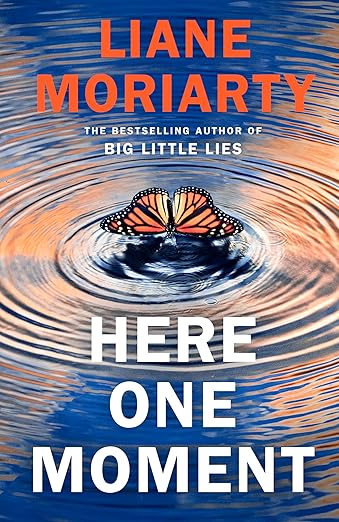
    Liane Moriarty always piques my interest with her knack for domestic drama and slow-burning suspense. The premise of Here One Moment, a reunion gone wrong and the secrets it dredges up, sounded like classic Moriarty, and I was eager to dive in.

    What I Liked:
    The initial setup is strong: a tight-knit group of lifelong friends, a shocking event during a seemingly harmless gathering, and the emotional aftershocks that ripple through their lives. Moriarty is excellent at capturing the intricacies of relationships, particularly the unspoken tensions, old wounds, and complex dynamics within long-term friendships.

    There are moments of sharp insight and flashes of humour that reminded me why she’s such a popular author. A few character moments felt genuinely moving, especially as hidden grief and long-standing regrets came to the surface.

    What I didn’t Like:
    Unfortunately, while the setup was gripping, the execution felt muddled. There were a lot of characters to juggle, and I struggled to connect with some of them. Certain perspectives felt underdeveloped, while others dominated too much of the narrative.

    The pacing was uneven, particularly in the middle, where the tension should have built, things meandered. The mystery element, while intriguing at first, ultimately felt underwhelming, and the resolution didn’t pack the emotional punch I’d hoped for.

    I also found myself craving more of Moriarty’s signature cleverness and bite. this one leaned heavier on introspection than drama, which might work for some readers, but left me a bit underwhelmed.

    📚 Why You Should Read This Book:
    If you’re already a fan of Moriarty’s slower, character-driven stories, you might enjoy the emotional depth and subtle unraveling here. It’s a reflective read about friendship, memory, and how a single moment can echo through years of shared history.

    💭 Final Thoughts:
    Here One Moment had flashes of what makes Moriarty great, but didn’t quite come together for me. It’s not a bad book by any means, just one that felt more forgettable than memorable. Worth a read if you’re loyal to the author, but maybe not the best place to start if you’re new to her work.

    🛍️ Where to buy
    To buy your own copy click HERE

    Final Rating ★★★ – Intriguing setup, but didn’t quite stick the landing

  • 👀 First impressions:
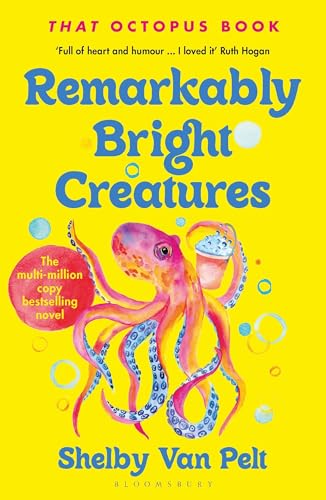
    The premise caught my eye immediately, an elderly woman forming a bond with a highly intelligent octopus at a small-town aquarium? I was intrigued. I expected something charming and offbeat, but I wasn’t prepared for just how emotionally layered this story would be.

    What I Liked:
    Tova is the heart of this novel. Her quiet resilience and deeply human grief were portrayed with such empathy. I was completely invested in her story from the start. And then there’s Marcellus, the scene-stealing octopus with a sharp mind and a sharper wit. His perspective added warmth, humour, and a dose of unexpected wisdom.

    I also appreciated the slow-burn pacing and how the lives of Tova, Marcellus, and Cameron gradually intertwined. The themes of loneliness, chosen family, and the slow rebuilding of hope felt authentic and well-earned. The Pacific Northwest setting, with its salty air and quiet melancholy, was a lovely backdrop.

    What I didn’t Like:
    Cameron took a while to grow on me. His early chapters felt a bit repetitive, and while his character arc ultimately paid off, it slowed the pacing in parts. Some of the plot developments were a touch predictable, especially if you’re an experienced reader of character-driven fiction.

    Also, while Marcellus was delightful, I found myself wishing for even more from his point of view—his chapters were so strong that I craved just a bit more of his insight.

    📚 Why You Should Read This Book:
    It’s perfect for readers who enjoy emotionally rich stories about unlikely friendships and second chances. If you liked The One Hundred Years of Lenni and Margot or A Man Called Ove, you’ll likely find something to love here. The blend of whimsy and melancholy makes it an ideal pick for a thoughtful, feel-good read.

    💭 Final Thoughts:
    Remarkably Bright Creatures is a quiet novel with a big heart. While a few pacing issues held it back from being a five-star read for me, it’s still a beautifully told story about grief, healing, and the surprising ways we connect. with each other, and with the world around us.

    🛍️ Where to buy
    To buy your own copy click HERE

    Final Rating ★★★★ – Tender, quirky, and unexpectedly moving

  • 👀 First impressions:
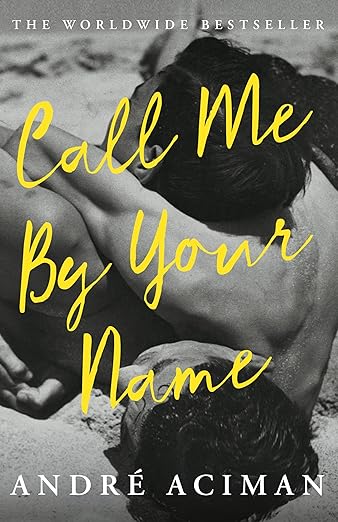
    I’d heard a lot about Call Me by Your Name, mostly framed as a beautiful, heart-wrenching love story set against an idyllic Italian summer. The premise, a coming-of-age romance between seventeen-year-old Elio and visiting scholar Oliver, promised intensity and introspection. I went in expecting rich prose and emotional depth.

    What I Liked:
    The writing is undeniably elegant. Aciman’s prose is lush and sensory, capturing the golden haze of summer and the obsessive inner world of first love. The setting, sun-soaked villas, fruit trees, the slow rhythm of life, is almost a character in itself. The novel shines when it lingers on small, quiet moments that feel intensely personal yet universal. Elio’s confusion, desire, and insecurity are portrayed with raw honesty.

    What I didn’t Like:
    While the writing is beautiful, it often veered into overwrought and self-indulgent territory. The stream-of-consciousness style, though intentional, made it hard to stay emotionally engaged. I struggled to connect with either Elio or Oliver on more than a surface level. Oliver, especially, felt distant and difficult to fully grasp, which weakened the impact of the romance for me. Their relationship, though intense, sometimes felt more cerebral than heartfelt.

    📚 Why You Should Read This Book:
    If you love literary fiction with a focus on introspection, atmosphere, and internal monologue, this could really resonate. Fans of slow-burn, bittersweet stories that explore identity, desire, and fleeting connections may find something deeply moving here.

    💭 Final Thoughts:
    Call Me by Your Name is a novel that’s more about mood than plot. It’s poetic and ambitious in its attempt to dissect longing and intimacy, but for me, it lacked emotional immediacy. I appreciated the craftsmanship, but I didn’t feel it the way I’d hoped to.

    🛍️ Where to buy
    To buy your own copy click HERE

    Final Rating ★★★ – Lyrical and longing, but emotionally distant.

  • Happy Wednesday, my fellow dreamers and reality-benders! Today we’re diving deep into the realm of speculative fiction – that glorious genre where “what if” becomes “what is” and the impossible feels inevitable. Whether you’re craving mind-bending sci-fi, dystopian thrills, or genre-blending weirdness, this week’s picks will transport you to worlds you never knew you needed to visit.

    🌌 The Mind-Melter: Klara and the Sun by Kazuo Ishiguro

    Ishiguro proves once again that literary fiction and sci-fi make the most beautiful babies. Told from the perspective of Klara, an artificial friend designed to prevent loneliness in children, this story will completely rewire how you think about consciousness, love, and what it means to be human. The prose is deceptively simple but devastatingly profound.

    Why it’s essential: This isn’t just sci-fi – it’s a meditation on mortality, sacrifice, and the nature of devotion wrapped in gorgeous, understated storytelling. You’ll finish it and immediately want to discuss it with everyone you know.

    ⚡ The Genre-Bender: The City & The City by China Miéville

    Prepare to have your brain deliciously twisted. This is a murder mystery set in two overlapping cities that exist in the same physical space but are completely separate politically and culturally. Citizens must actively “unsee” the other city, and crossing between them illegally invokes a mysterious force called Breach. It’s weird, it’s brilliant, and it’s unlike anything else you’ve ever read.

    Perfect for: Readers who love when books refuse to be categorized, fans of weird fiction, and anyone who enjoys having their assumptions about reality completely upended.

    🔬 The Hard Sci-Fi Masterpiece: The Left Hand of Darkness by Ursula K. Le Guin

    If you haven’t experienced Le Guin’s genius yet, this is your entry point to one of the greatest sci-fi minds ever. Set on a planet where inhabitants can change gender, this story follows an envoy trying to convince the planet to join an intergalactic civilization. But it’s really about gender, politics, loyalty, and what it means to be human in the most profound sense.

    Fair warning: This book will fundamentally change how you think about gender and society. Also, the relationship between Genly and Estraven will absolutely wreck you emotionally.

    🌊 The Climate Fiction Must-Read: The Water Will Come meets fiction in New York 2140 by Kim Stanley Robinson

    Robinson tackles rising sea levels by imagining New York City partially underwater, with people adapting to life in a half-drowned metropolis. It’s hopeful despite the dire premise, showing humanity’s incredible capacity for adaptation and innovation. The interconnected stories paint a vivid picture of resilience in the face of climate change.

    Why now: Climate fiction is more relevant than ever, and Robinson manages to be both realistic about our challenges and optimistic about our solutions.

    🤖 The AI Thriller: Machine Dynasty by Madeline Ashby

    This series starter follows Amy, a self-replicating android who accidentally kills her grandmother and must flee with her infant daughter. What follows is a complex exploration of AI consciousness, family dynamics, and what happens when artificial beings develop beyond their programming. It’s violent, beautiful, and deeply unsettling in the best way.

    Mood: When you want your robot stories complex, morally ambiguous, and emotionally devastating.

    🌙 The Space Opera Epic: A Memory Called Empire by Arkady Martine

    Byzantine politics meet gorgeous world-building in this story about Mahit, an ambassador from a small mining station who must navigate the deadly court of the Teixcalaanli Empire. The identity-sharing technology, the gorgeous prose, and the slow-burn romance make this impossible to put down. Plus, it won a Hugo Award for very good reasons.

    What sets it apart: Martine creates a truly alien culture that feels completely believable, and the exploration of identity and memory is chef’s kiss perfect.

    🌀 The Weird Wild Card: Annihilation by Jeff VanderMeer

    Area X is a mysterious region cut off from the rest of the world, and expeditions sent to explore it tend to end badly. The twelfth expedition consists of four women: a biologist, an anthropologist, a psychologist, and a surveyor. What they find (and what finds them) will haunt your dreams in the most delicious way possible.

    Be prepared for: Unreliable narrators, ecological horror that gets under your skin, and prose so atmospheric you’ll feel like you’re breathing the spores yourself.

    🚀 What I’m Currently Orbiting

    Just started The Goblin Emperor by Katherine Addison and I’m already completely charmed by this court intrigue fantasy. It’s like if Jane Austen wrote about goblins and elves, and I’m absolutely here for the gentle politics and found family vibes.

    🔮 Quick Hits for Different Moods

    Want dystopian chills? Station Eleven by Emily St. John Mandel
    Craving space adventure? The Long Way to a Small, Angry Planet by Becky Chambers
    Need time travel complexity? The 7½ Deaths of Evelyn Hardcastle by Stuart Turton
    Want magical realism? The Invisible Bridge by Julie Orringer

    💫 Let’s Speculate Together!

    What speculative fiction has been bending your reality lately? Are you team hard sci-fi or do you prefer your speculation with a fantasy twist? Drop your recommendations in the comments – I’m always hunting for my next mind-bending read!

    Remember: the future is unwritten, but these books give us some pretty incredible blueprints. Happy reading, fellow travelers! 🌟

    Follow my bookish adventures on Instagram [@minniesfictionaddiction] for more speculative fiction love and photos of my ever-expanding sci-fi shelf!

  • 👀 First impressions:
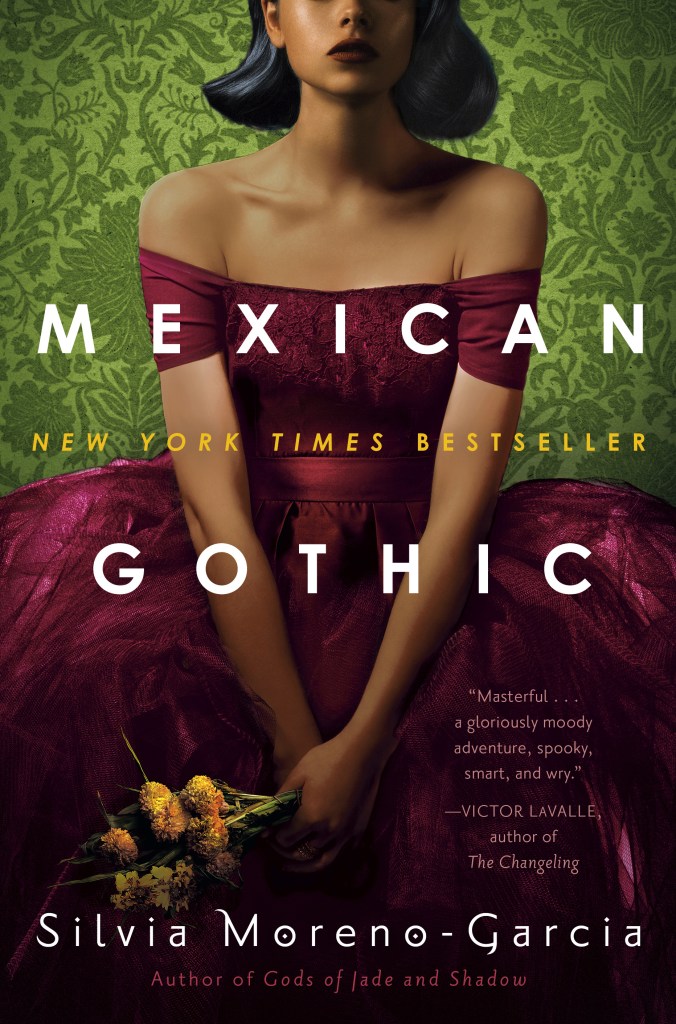
    From the moment I saw the cover of Mexican Gothic, I was intrigued. A woman in a vintage dress, clutching roses and secrets, it promised mystery and atmosphere, and it absolutely delivered. Set in 1950s Mexico, this book immediately stood out as something fresh in the gothic horror genre.

    What I Liked:
    The setting is a star in its own right. High Place, the decaying mansion nestled in the misty Mexican mountains, practically breathes, with its mouldering walls, locked doors, and sinister family. Silvia Moreno-Garcia does a masterful job of blending gothic tropes with Mexican folklore, creating something both familiar and strikingly new.
    Noemí, the socialite-turned-sleuth, is a compelling protagonist intelligent, fashionable, defiant and a breath of fresh air in a genre often dominated by passive heroines. The tension builds steadily, and the horror, when it arrives, is visceral, grotesque, and genuinely surprising.

    What I didn’t Like:
    The pacing in the first half is slow. While it effectively builds unease, it took a while before the true horror elements kicked in. Some readers might find the dialogue occasionally stilted or the final reveal a little over-the-top, but if you’re into classic gothic weirdness, it works.

    📚 Why You Should Read This Book:
    If you’re a fan of gothic horror and want something outside the traditional English manor setting, Mexican Gothic will haunt your imagination in the best way. It’s ideal for fans of RebeccaThe Haunting of Hill House, or The Silent Companions, but with a distinctly feminist and Latin American flavour.

    💭 Final Thoughts:
    Mexican Gothic is the kind of book that lingers, in your mind and under your skin. It’s a slow burn, but the payoff is dark, disturbing, and delightfully weird. A perfect blend of creepy atmosphere, social commentary, and otherworldly horror.

    🛍️ Where to buy
    To buy your own copy click HERE

    Final Rating ★★★★ – An intoxicatingly eerie gothic horror that twists tradition into something thrillingly fresh.

  • Because messy stories are often the most honest ones

    Some narrators guide you gently through a story, reliable and steady as a lighthouse beam. Others? They lie. They omit. They twist the truth, sometimes on purpose, sometimes not. And honestly? We need more of them.

    The unreliable narrator is one of fiction’s most fascinating tools, yet they often get boxed into psychological thrillers or labelled as “gimmicky.” That’s a shame, because when done well, they’re not just clever. They’re essential.

    Here’s why I think unreliable narrators deserve more space on our shelves:

    1. They Reflect the Real World

    Let’s be real: no one remembers things perfectly. We all see life through our own cracked little lens. Fiction with unreliable narrators mirrors that reality. Whether they’re lying to us, lying to themselves, or just don’t have the full picture, these narrators feel human. Flawed, biased, confused, just like the rest of us.

    2. They Make Reading More Fun

    There’s something addictive about peeling back the layers of a story when you know something’s off. It makes you question everything. You become part of the story, watching closely, rereading passages, picking up clues. It’s not just storytelling, it’s sleuthing.

    Books like The Secret HistoryGone Girl, or We Have Always Lived in the Castle aren’t just good because of what happens. They’re good because of how it’s told, and what’s held back.

    3. They Let Authors Take Bigger Risk

    Unreliable narration opens up space for bold storytelling choices. Want to pull the rug out from under your reader? Flip the timeline? Reveal a hidden identity? A wobbly narrator gives you permission to bend the rules, and when it works, it’s unforgettable.

    4. They Challenge Our Morals (In a Good Way)

    You don’t have to like them. That’s the point. Unreliable narrators push us into uncomfortable places making us empathise with characters who might otherwise repel us. They force us to sit with ambiguity, to ask uncomfortable questions. And honestly, I love a book that doesn’t let me off the hook.,

    5. Because “Truth” Isn’t Always the Most Interesting Thing

    Sometimes the most powerful part of a story isn’t what actually happened, but how someone believes it happened. That space between reality and perception? That’s where fiction gets juicy.

    Final Thoughts

    Give me the messy ones. The liars, the dreamers, the deluded narrators who can’t quite face themselves. The ones who make me reread chapters and question everything I thought I knew.

    We don’t need every book to be neat and trustworthy. Sometimes, the best stories are the ones told through cracked mirrors.

  • 👀 First impressions:
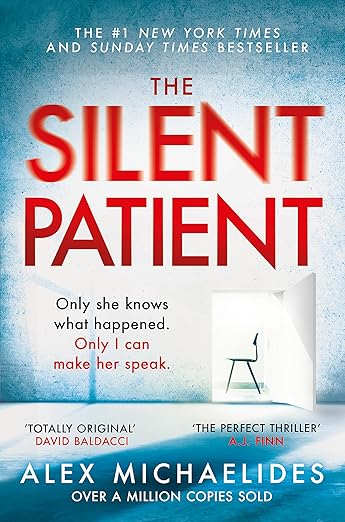
    With all the hype around this book, I went in expecting a twisty psychological thriller that would knock me sideways. The concept is undeniably intriguing, a famous painter shoots her husband and never speaks again, and a psychotherapist becomes obsessed with uncovering the truth. It’s the kind of premise that practically begs to be binge-read.

    What I Liked:
    The initial setup is genuinely compelling. Alicia Berenson is a fascinating figure, and her silence creates a palpable tension throughout. The snippets from her diary add an extra layer of mystery, and Michaelides does a great job of keeping you turning the pages. The final twist is unexpected and clever, definitely a jaw-dropper for many readers.

    I also appreciated the sleek, cinematic quality of the writing. It feels very much like reading a screenplay, which makes sense given the author’s background.

    What I didn’t Like:
    While the twist is good, the rest of the book didn’t quite live up to it. The characters felt flat, especially Theo, whose narration lacked depth and emotional resonance. Much of the middle dragged, with repetitive therapy scenes that didn’t seem to move the plot forward.

    Additionally, the twist, while clever, relied heavily on a reveal that felt a little forced and dependent on withholding too much from the reader. It made me question how reliable the structure had been all along, in a way that felt more like a trick than a payoff.

    📚 Why You Should Read This Book:
    If you’re a fan of fast-paced thrillers with an unreliable narrator and a big twist, The Silent Patient will scratch that itch. It’s a quick, entertaining read that’s easy to devour in one or two sittings, especially if you’re in the mood for something cinematic and dramatic.

    💭 Final Thoughts:
    The Silent Patient is a decent thriller with a killer hook and a memorable twist, but it doesn’t quite live up to its full potential. While I see why it has such broad appeal, I found myself wanting more complexity and psychological depth from both the characters and the plot.

    🛍️ Where to buy
    To buy your own copy click HERE

    Final Rating ★★★ – A gripping premise that doesn’t quite deliver on its promise

  • 👀 First impressions:
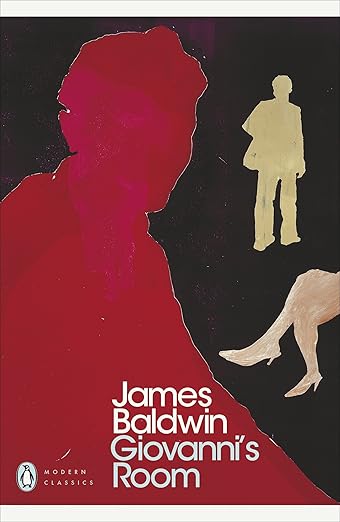
    I went into Giovanni’s Room knowing it was a classic, but I wasn’t prepared for how deeply it would cut. The spare beauty of the cover and Baldwin’s reputation led me to expect something introspective and bold, but this short novel far exceeded those expectations. From the first page, the prose shimmered with emotional precision and quiet tragedy.

    What I Liked:
    James Baldwin’s writing is simply masterful. Every line feels like it’s been chiseled into place with aching care. The story, set in 1950s Paris, follows David, an American man grappling with his identity, desire, and the consequences of fear. His relationship with Giovanni, a tender, intense, and ultimately doomed romance, is portrayed with such clarity and compassion that it feels timeless and immediate.

    Baldwin doesn’t just explore sexuality, he exposes shame, internalized homophobia, cultural expectations, and the loneliness of living a life untrue to oneself. And yet, there is such grace in the storytelling. Baldwin writes with empathy, even when his characters are at their most flawed. The atmosphere, Parisian bars, dusty rooms, train stations and cafés—enhances the sense of dislocation and longing.

    For a novel published in 1956, Giovanni’s Room is staggeringly bold in its honesty. Baldwin strips away pretence and speaks directly to the heart of identity, love, and loss.

    What I didn’t Like:
    Nothing. This book is a near-perfect work of literature. It’s heartbreaking, but in the most necessary way. It doesn’t offer comfort, it offers truth

    📚 Why You Should Read This Book:
    Because it’s one of the most important and beautiful books ever written about love, identity, and the cost of denial. Whether you’re drawn to LGBTQ+ classics, literary fiction, or character-driven novels that will stay with you forever, Giovanni’s Room is essential reading.

    💭 Final Thoughts:
    Giovanni’s Room isn’t just a story. it’s a wound, a confession, and a mirror. It’s a novel that lingers long after you’ve finished it, asking difficult questions and refusing easy answers. James Baldwin’s genius lies in his ability to say so much with such economy of language. It opened my heart, then quietly shattered it.

    🛍️ Where to buy
    To buy your own copy click HERE

    Final Rating ★★★★★ – Devastating, exquisite, and decades ahead of its time.

  • 👀 First impressions:
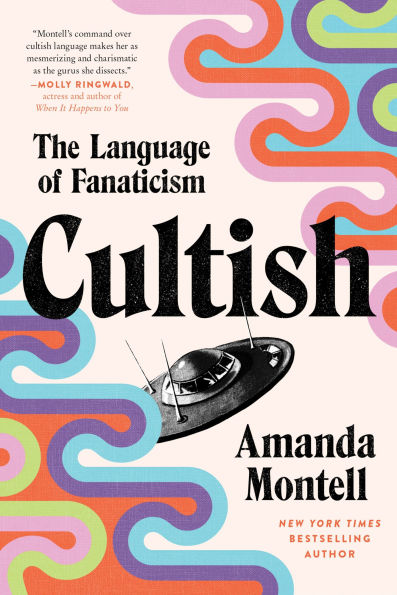
    The title alone, Cultish, had me hooked. As someone fascinated by language, psychology, and the thin line between self-help and manipulation, I was eager to dive into Amanda Montell’s exploration of how words can be used to recruit, convert, and control. I expected a sociolinguistic deep-dive with a pop-culture twist, and that’s exactly what I got.

    What I Liked:
    Montell’s voice is both intelligent and accessible, a hard balance to strike in nonfiction. She doesn’t just talk about Jonestown or Heaven’s Gate (though they’re here); she draws compelling parallels between those infamous cults and everyday institutions like SoulCycle, MLMs, and Instagram wellness influencers. Her thesis, that cultish language isn’t confined to fringe groups, is as thought-provoking as it is unsettling.

    The best part? Her focus on language. From “thought-terminating clichés” to jargon that builds in-group loyalty, Montell gives readers the tools to recognise when they’re being linguistically manipulated. You’ll never hear phrases like “live your truth” or “manifest your destiny” the same way again.

    What I didn’t Like:
    While the book is sharp and well-researched, the structure occasionally felt a little scattered. Some chapters leaned more heavily into anecdote than analysis, and I occasionally wished for a deeper dive into the more cult-adjacent mainstream phenomena (like political rhetoric or fandoms). Also, while Montell is very good at exposing the tools of persuasion, she doesn’t always give clear answers on how to resist them, though maybe that ambiguity is part of the point.

    📚 Why You Should Read This Book:
    If you’ve ever listened to a wellness podcast, watched a documentary on cults, or been weirded out by how intense a spin class instructor can be, this is for you. It’s an eye-opener for anyone interested in language, psychology, true crime, or the strange grey areas between community and control.

    💭 Final Thoughts:
    Cultish is insightful, funny, and deeply unnerving in the best way. Amanda Montell doesn’t just dissect the language of cults, she forces us to question how that same language seeps into everyday life. It’s the kind of book you’ll want to highlight, annotate, and talk about at dinner parties (but not in a culty way, promise).

    🛍️ Where to buy
    To buy your own copy click HERE

    Final Rating ★★★★ – Mind control never sounded so fascinating