• Photo by Giulia Bertelli on Unsplash

    In our fast-paced digital world, we’re constantly pressured to consume content quickly. We speed-read articles, binge-watch entire seasons in a weekend, and feel guilty when our to-read pile grows faster than we can tackle it. But what if I told you that slowing down your reading could actually enhance your literary journey in ways you never imagined?

    The Rush to Read More

    We’ve all been there. Goodreads challenges mock us with their annual reading goals, bookstagram accounts showcase towering TBR piles, and we find ourselves racing through pages just to hit arbitrary numbers. The pressure to read more, faster, has turned what should be a pleasurable experience into a competitive sport.

    This reading culture has created a peculiar anxiety among book lovers. We feel inadequate when we see someone who’s read 100 books this year while we’ve managed only 30. We skim through beautiful prose, missing the careful word choices and rhythmic sentences that authors spent months crafting. We rush past subtle character development, complex themes, and the intricate web of symbols that give literature its lasting power.

    What Slow Reading Actually Means

    Slow reading isn’t about being a sluggish reader or lacking comprehension skills. It’s an intentional approach to literature that prioritizes depth over speed, understanding over completion, and quality over quantity. When you read slowly, you’re not just processing words on a page, you’re engaging in a conversation with the author, allowing their ideas to marinate in your mind, and giving yourself permission to truly absorb what you’re reading.

    This doesn’t mean you need to spend six months on every novel. Slow reading is more about matching your reading pace to the demands of the text and your own needs as a reader. A gripping thriller might still be devoured in a single sitting, while a dense philosophical work deserves careful, contemplative attention.

    The Hidden Benefits of Taking Your Time

    When you embrace slow reading, something magical happens. Characters become more vivid and complex as you notice the subtle ways authors reveal their personalities through dialogue, actions, and internal thoughts. You start picking up on foreshadowing that would have been invisible at breakneck speed. The author’s style becomes more apparent, their unique voice, their particular way of constructing sentences, their preferred metaphors and imagery.

    Slow reading also improves retention dramatically. Instead of finishing a book and struggling to remember key plot points a week later, you’ll find that stories stick with you. The themes resonate longer, the characters feel like people you’ve actually spent time with, and the book’s impact on your thinking becomes more profound.

    Perhaps most importantly, slow reading reduces the anxiety that comes with reading culture. When you’re not worried about hitting a numerical goal, you can choose books based on genuine interest rather than page count. You can abandon books that aren’t serving you without guilt, and you can reread favorites without feeling like you’re “wasting time.”

    Practical Strategies for Slow Reading

    Making the shift to slow reading requires some intentional changes to your reading habits. Start by creating a dedicated reading environment free from distractions. Put your phone in another room, find comfortable lighting, and settle into a space that signals to your brain that it’s time to focus deeply.

    Consider keeping a reading journal where you jot down thoughts, questions, and reactions as you read. This practice naturally slows you down while deepening your engagement with the text. You don’t need to write lengthy analyses, even brief notes about a beautiful sentence or a confusing plot point can enhance your reading experience.

    Try reading aloud occasionally, especially with poetry or prose that has a strong rhythmic quality. Hearing the words engages different parts of your brain and can reveal layers of meaning that silent reading might miss. This is particularly effective with authors known for their distinctive voices or musical language.

    Set realistic reading goals that focus on experience rather than quantity. Instead of aiming to read 50 books this year, commit to reading one classic you’ve always avoided, or pledge to reread a childhood favorite with adult eyes. These experiential goals are more rewarding and less stressful than numerical targets.

    When to Speed Up (And When to Slow Down)

    Not every book deserves or requires slow reading, and recognizing this is part of becoming a more thoughtful reader. Light entertainment, books you’re reading purely for plot, or familiar genres might be perfectly enjoyable at a faster pace. The key is being intentional about your choice.

    Save slow reading for books that challenge you, whether intellectually, emotionally, or stylistically. Dense classics, experimental fiction, complex non-fiction, and poetry almost always benefit from a measured approach. Books dealing with trauma, philosophy, or intricate world-building also reward patience.

    Pay attention to your own energy levels and life circumstances too. During stressful periods, you might find comfort in faster, lighter reads, and that’s perfectly fine. Slow reading should enhance your life, not become another source of pressure.

    The Deeper Rewards

    When you give yourself permission to read slowly, you join a different kind of reading community—one that values depth over breadth, contemplation over consumption. You begin to understand why certain books have endured for centuries while others fade quickly. You develop a more sophisticated palate for language and storytelling.

    Slow reading also cultivates patience and mindfulness that extend beyond your reading life. In a world that demands constant stimulation and immediate gratification, the ability to sit quietly with a book, letting ideas unfold at their natural pace, becomes a form of meditation.

    Your relationship with books transforms from consumption to communion. Each book becomes a journey rather than a destination, and the journey itself becomes the reward. You’ll find yourself looking forward to your reading time not because you’re eager to finish another book, but because you’re excited to spend more time in the world an author has created.

    Embracing the Journey

    The slow reading movement isn’t about rejecting all aspects of contemporary reading culture or looking down on people who read quickly. It’s about reclaiming agency over your reading experience and remembering that books are meant to be savored, not conquered.

    In a culture obsessed with productivity and measurable outcomes, choosing to read slowly is almost radical. It’s a declaration that some experiences are valuable precisely because they can’t be rushed, optimized, or quantified. It’s an acknowledgment that the best parts of reading, the moments of recognition, the sudden insights, the emotional connections, often happen in the pauses between pages.

    So the next time you feel guilty about your modest reading pace or your growing TBR pile, remember that you’re not in a race. You’re on a journey, and the most beautiful destinations are worth taking your time to reach. Your books will wait for you, and they’ll reward your patience with riches that speed can never uncover.

  • 👀 First impressions:
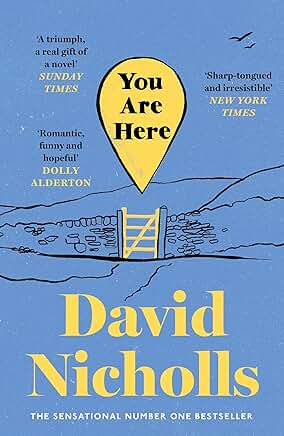
    As someone who adored One Day, I was intrigued to see how David Nicholls would handle a quieter, more mature love story in You Are Here. The cover promised a thoughtful tale of connection and the premise, two lonely people on a walking holiday, hinted at emotional depth wrapped in British humour.

    What I Liked:
    Nicholls excels at writing ordinary people with extraordinary emotional nuance. Marnie and Michael, both dealing with the ache of solitude and the weight of the past, felt incredibly real. Their slow, tentative connection built over miles of countryside was poignant and satisfying. The witty inner monologues, understated humour, and beautiful descriptions of the Lake District and Yorkshire Dales made it feel almost like a gentle rom-com with hiking boots.

    The dialogue sparkled with authenticity, and I appreciated how Nicholls allowed the story to breathe. There’s a maturity here, no melodrama, just two damaged people slowly letting each other in.

    What I didn’t Like:
    The pacing may frustrate some readers. It meanders, purposefully, yes. but still meanders. If you’re looking for big romantic gestures or dramatic conflict, you won’t find them here. Marnie’s inner world, while richly drawn, sometimes edged into over-analysis, and I occasionally wished for a bit more narrative momentum.

    📚 Why You Should Read This Book:
    If you’re in the mood for a grown-up romance, gentle, charming, introspective, You Are Here delivers. It’s perfect for fans of slow-burn love stories, long walks, and characters who find their way back to themselves before they find each other.

    💭 Final Thoughts:
    You Are Here is a book about second chances, quiet companionship, and the healing power of nature, and love. It won’t sweep you off your feet, but it might walk beside you for a while, and leave you feeling a little lighter by the end.

    🛍️ Where to buy
    To buy your own copy click HERE

    Final Rating ★★★★ – A tender, slow-burning journey of the heart.

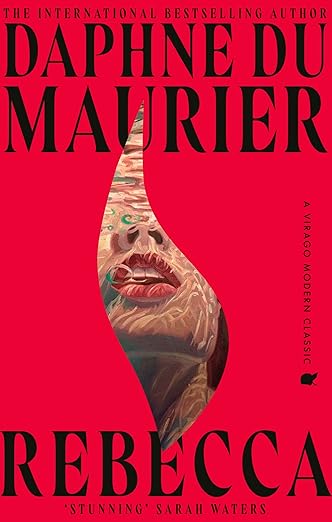
  • Daphne du Maurier might not be a household name for everyone today, but back in the mid-20th century, she was thequeen of suspenseful, moody fiction. She had this incredible ability to make beautiful places feel eerie and unsettling, and Rebecca is the perfect example. First published in 1938, it’s been adapted for film and TV multiple times (yes, even by Alfred Hitchcock), and it’s inspired generations of writers who love a good gothic slow-burn. So I went in expecting atmosphere and drama, and wow, did it deliver.

    👀 First impressions:
    From the famous opening line, “Last night I dreamt I went to Manderley again”, Rebecca immediately cast its eerie spell. I went into it expecting a moody romance, but what I found was a richly layered psychological thriller wrapped in gothic elegance. Daphne du Maurier’s writing is haunting, suspenseful, and utterly hypnotic.

    What I Liked:
    The atmosphere is second to none. Manderley is more than a setting; it’s a character in its own right, elegant, decaying, and filled with secrets. The unnamed narrator’s transformation from meek girl to a woman navigating a house full of shadows was brilliantly done. And Mrs Danvers! Possibly one of the most chilling characters in literature. The way du Maurier builds tension, without resorting to anything overtly dramatic, is pure artistry.

    I also loved the slow-burn pacing. Every chapter added a layer of unease and mystery. The ghost of Rebecca looms over everything, even though she’s never physically present. It’s a masterclass in psychological suspense.

    What I didn’t Like:
    Honestly? Very little. If you prefer fast-paced plots, this might feel slow at times, but I found the slow build only heightened the dread and suspense. It’s a novel that rewards patience.

    📚 Why You Should Read This Book:
    If you’re drawn to gothic fiction, psychological drama, or classic literature with strong female characters, Rebecca deserves a place on your shelf. It’s a perfect choice for fans of atmospheric mysteries or those who love a good “unreliable narrator” arc. It also makes for rich discussion, ideal for book clubs.

    💭 Final Thoughts:
    Rebecca is a darkly elegant, emotionally tense novel that explores identity, obsession, and the inescapable grip of the past. It’s gripping from start to finish and lingers in your mind long after the final page. It’s no surprise this has stood the test of time, it’s absolutely unforgettable.

    🛍️ Where to buy
    To buy your own copy click HERE

    Final Rating ★★★★★ – A timeless gothic masterpiece that haunts and mesmerises

  • Photo by Claudio Schwarz on Unsplash

    There was a time when BookTwitter felt like the literary world’s most vibrant coffee shop, a place where passionate readers gathered to dissect the latest releases, share dog-eared recommendations, and engage in spirited debates about whether The Seven Husbands of Evelyn Hugo deserved its cult status. Those days feel like a distant memory now, buried beneath an avalanche of promotional posts and paid partnership announcements.

    What was once a thriving ecosystem of genuine book lovers has transformed into something that resembles a digital marketplace more than a reading community. Scroll through the #BookTwitter hashtag today, and you’ll find yourself wading through an endless stream of authors hawking their latest releases, book promotion services advertising their rates, and influencers posting carefully curated flat lays of novels they may or may not have actually read.

    The Commercialization Creep

    The shift didn’t happen overnight. It began innocuously enough, authors sharing their work, readers posting aesthetically pleasing photos of their current reads, bookish accounts growing their followings. But as the platform became increasingly algorithm-driven and monetization opportunities emerged, the balance tipped dramatically toward commerce over community.

    Now, genuine book discussions are drowned out by promotional noise. For every thoughtful thread analyzing the unreliable narrator in Gone Girl, there are dozens of posts that read like back-cover copy: “My enemies-to-lovers fantasy romance will sweep you off your feet! Link in bio! #BookTwitter #Romance #MustRead.” The organic conversations that once made BookTwitter special have been replaced by marketing speak and engagement-farming tactics.

    The Promotion Economy

    Perhaps most concerning is the rise of paid promotion within the book community itself. BookTwitter has spawned an entire economy of book promotion services, where users with substantial followings offer to boost authors’ posts for a fee. These “bookfluencers” promise to get your novel in front of thousands of potential readers, for the right price.

    The result is a pay-to-play environment where visibility often correlates more with marketing budget than literary merit. Debut authors with limited resources find themselves competing against well-funded promotional campaigns, while readers struggle to distinguish between genuine recommendations and paid content. The authenticity that once defined BookTwitter has been commodified.

    Where Did the Readers Go?

    The most tragic casualty of this transformation is the disappearance of readers who simply wanted to talk about books. The users who once sparked passionate discussions about character development, narrative structure, and thematic elements have largely retreated from the platform, or stopped engaging with book-related content altogether.

    Many have migrated to smaller, more niche platforms like Goodreads groups, Discord servers, or private book clubs where commercial interests haven’t yet dominated the conversation. Others have simply given up on finding book community online, returning to offline book clubs and literary events where genuine discussion still thrives.

    The Algorithm’s Role

    Social media algorithms have accelerated this decline by prioritizing engagement over quality. Posts with high interaction rates, often promotional content designed to generate clicks and shares, are amplified, while thoughtful book discussions that might generate fewer but more meaningful responses get buried. The algorithm doesn’t distinguish between a heartfelt recommendation and a paid promotion; it only sees numbers.

    This creates a feedback loop where promotional content becomes more visible, encouraging more users to adopt promotional tactics, further diluting the quality of literary discourse on the platform.

    What We’ve Lost

    BookTwitter’s transformation represents more than just another social media platform falling victim to commercialization. We’ve lost a space where reading felt communal, where discovering your next favorite book happened through serendipitous encounters with passionate strangers, where literary criticism and casual book chat coexisted naturally.

    The platform once democratized book culture, giving voices to readers who might never have access to traditional literary spaces. Now, it’s increasingly dominated by those with the loudest megaphones and deepest pockets.

    Is There Hope for Recovery?

    Some corners of BookTwitter still maintain the spirit of genuine book community, but they’re increasingly rare and difficult to find. Small accounts dedicated to specific genres or literary movements continue to foster real discussion, though they often operate in the shadows of the promotional machinery.

    The future of online book culture may lie not in reclaiming BookTwitter from the marketers, but in building new spaces designed from the ground up to prioritize reader connection over commercial promotion. Until then, those seeking authentic book discussion might need to look beyond the endless scroll of advertisements to find the conversations that once made BookTwitter magical.

    The death of BookTwitter as we knew it serves as a cautionary tale about what happens when genuine community spaces become commercial battlegrounds. In our rush to monetize every interaction, we risk losing the very thing that made these spaces valuable in the first place: the simple joy of talking about books with fellow readers who share our passion for the written word.

  • 👀 First impressions:
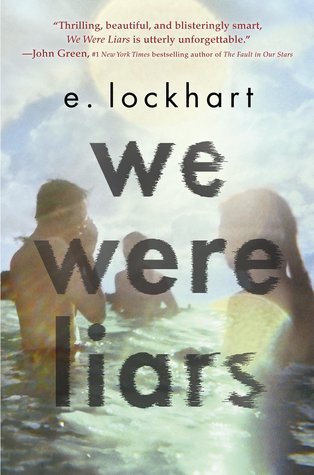
    I went into We Were Liars knowing it was a much-hyped YA mystery with a twist people either love or hate. The premise, a privileged family on a private island, secrets, and a main character with memory loss, was intriguing. I was ready for an emotional rollercoaster and a bit of a puzzle to solve.

    What I Liked:
    The writing style is lyrical and distinctive, almost poetic at times. It created an atmosphere of dreamy unreality that suited the theme of memory, trauma, and denial. I also appreciated the book’s commentary on wealth, entitlement, and family dysfunction. The short chapters and sparse prose made it a very fast read, and the twist (while divisive) did genuinely surprise me.

    What I didn’t Like:
    That same poetic style, while effective in places, sometimes felt overwrought or distracting. The metaphors could be a bit much, and at times it pulled me out of the story rather than deepening my connection to the characters, they felt more like symbols or ideas than real people. The plot felt slow in parts, and the big reveal, though shocking, left me with mixed feelings once the dust settled.

    📚 Why You Should Read This Book:
    If you enjoy twisty YA stories with unreliable narrators and a heavy dose of emotional ambiguity, We Were Liars might be your kind of book. It’s also a good pick if you like experimental prose and stories that deal with trauma in an unconventional way. It’s definitely a conversation starter.

    💭 Final Thoughts:
    We Were Liars is a polarising book, ambitious in its style and theme, but it didn’t fully land for me. I admire what E. Lockhart tried to do, and I think some readers will absolutely connect with it. For me, though, it was more of an interesting concept than a fully satisfying read.

    🛍️ Where to buy
    To buy your own copy click HERE

    Final Rating ★★★ – At times beautifully written, but emotionally distant, a haunting story that didn’t quite hit home.

  • 👀 First impressions:
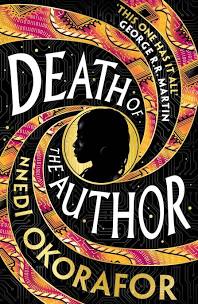
    I was instantly intrigued when I saw Nnedi Okorafor had released a story titled Death of the Author. The title alone promised something layered, potentially metafictional, and confrontational, and that’s exactly what I got. Knowing Okorafor’s sharp, genre-defying style, I expected a bold narrative and big questions packed into a short space. I wasn’t disappointed.

    What I Liked:
    This is a punchy, provocative short story that lives up to its title. Okorafor uses a surreal, near-future premise, a university professor debates AI, literature, and authorial identity with a sentient AI that’s read everything and thinks it knows better. It’s part philosophical argument, part speculative vignette, and it moves fast.

    What I loved most was the commentary on the limits of technology when it comes to interpreting art, intention, and identity, especially when it comes to authors from historically marginalised backgrounds. Okorafor’s voice is confident and unapologetic, and there’s real power in how she exposes the arrogance of assuming one can understand a work of fiction without understanding the person behind it.

    What I didn’t Like:
    This is very much a thought piece rather than a traditional story, so readers looking for plot or character development may find it lacking. The dialogue leans toward essay-like in places, which worked for me but might feel didactic to some. It’s more intellectual sparring match than narrative arc.

    📚 Why You Should Read This Book:
    Buy it if you’re a fan of speculative fiction that challenges norms, especially around literature, AI, authorship, and power. If you’ve ever debated whether “the author is dead” or wondered whether AI can truly create art, this story is a must-read. It’s short but deeply thought-provoking.

    💭 Final Thoughts:
    Death of the Author is a bold and intelligent commentary on who gets to interpret stories, who is seen as credible, and whether artificial intelligence can ever replace human experience in art. Okorafor uses her platform to push back against erasure in a brilliant, biting way. It’s more of a mic drop than a story—and it absolutely works.

    🛍️ Where to buy
    To buy your own copy click HERE

    Final Rating ★★★★★ – A sharp, fearless critique of AI, authorship, and literary arrogance, smart, and impossible to ignore.

  • Sometimes you need a book that will make you snort with laughter on public transport, earn you strange looks from strangers, and leave your cheeks hurting from smiling. Whether you’re dealing with stress, need a mood boost, or just want to remember that reading can be pure joy, these hilarious books deliver the goods. Fair warning: you might want to read these at home to avoid embarrassing yourself!

    Contemporary Comedy Gold

    “Anxious People” by Fredrik Backman What starts as a failed bank robbery that turns into an accidental hostage situation becomes a deeply funny meditation on human nature. Backman’s signature blend of humor and heart shines as he follows a group of apartment hunters trapped together during a viewing. The would-be robber is more anxious than dangerous, the hostages are an eclectic mix of Swedish stereotypes, and the bumbling police investigation is led by a father-son duo who couldn’t be more different. Backman finds comedy in the most unlikely places while crafting characters so real and flawed you’ll recognize yourself in all of them. The running gags about IKEA furniture and Swedish social awkwardness will have you chuckling for days.

    “The Unhoneymooners” by Christina Lauren When Olive’s twin sister’s entire wedding party gets food poisoning except for her and the best man (who she absolutely despises), they’re forced to use the non-refundable honeymoon in Maui. What could go wrong? Everything, hilariously. The enemies-to-lovers banter between Olive and Ethan crackles with wit, and their attempts to fake being newlyweds while secretly hating each other creates comedy gold. Lauren’s writing sparkles with perfect timing, from disastrous snorkeling attempts to awkward encounters with the resort staff. The tropical setting adds extra humor as these two city dwellers navigate paradise while trying not to kill each other.

    “Good Omens” by Terry Pratchett & Neil Gaiman The apocalypse has never been funnier. When the Antichrist is born, an angel and demon who’ve become unlikely friends over 6,000 years team up to prevent Armageddon – partly because they’ve grown rather fond of Earth. Pratchett’s satirical genius combines with Gaiman’s dark humor to create a masterpiece of comic fantasy. From the Four Horsemen of the Apocalypse (now Four Bikers) to the Antichrist being raised as a normal English boy who just wants to save the whales, every page delivers perfectly crafted absurdity. The footnotes alone are worth the price of admission, and the running commentary on human nature is both hilarious and surprisingly profound.

    Memoir Mayhem

    “Yes Please” by Amy Poehler The Parks and Recreation star delivers exactly what you’d expect: smart, self-deprecating humor mixed with genuine wisdom about navigating life as a woman in comedy. Poehler’s stories about her improv days, SNL adventures, and motherhood are filled with the kind of observational humor that makes ordinary moments hilarious. Her chapter on trying to be a “cool mom” while secretly having no idea what she’s doing will resonate with parents everywhere. The book feels like having coffee with your funniest friend who also happens to be incredibly successful and surprisingly wise about life’s absurdities.

    “Bossypants” by Tina Fey Fey’s memoir is a masterclass in self-deprecating humor and sharp wit. From her awkward childhood to her rise through the male-dominated world of comedy writing, Fey finds humor in every disaster and triumph. Her impressions of celebrities, insights into the SNL writers’ room, and stories about creating 30 Rock are filled with the kind of insider humor that makes you feel like you’re part of the joke. The chapter about her honeymoon disaster and her reflections on beauty standards are particularly hilarious, delivered with Fey’s trademark deadpan timing that translates perfectly to the page.

    “Born a Crime” by Trevor Noah While dealing with serious topics like apartheid, Noah’s storytelling is infused with humor that makes difficult subjects accessible without diminishing their importance. His stories about growing up mixed-race in South Africa, his relationship with his remarkable mother, and his adventures in petty crime are told with comedic timing that rivals his stand-up performances. Noah’s ability to find humor in hardship while respecting the gravity of his experiences creates a memoir that’s both deeply moving and genuinely funny. His impressions of his mother’s various personalities and his own awkward teenage years will have you laughing out loud.

    Classic Comedy

    “The Hitchhiker’s Guide to the Galaxy” by Douglas Adams When Earth is destroyed to make way for a hyperspace bypass, Arthur Dent’s bad day is just beginning. Armed with nothing but a towel and “The Hitchhiker’s Guide to the Galaxy,” he embarks on a cosmic adventure that satirizes everything from bureaucracy to the meaning of life (which is, of course, 42). Adams’ absurdist humor and clever wordplay create a universe where the impossible becomes mundane and the mundane becomes ridiculous. The Vogon poetry, the Infinite Improbability Drive, and the perpetually depressed robot Marvin provide endless entertainment while Adams sneaks in surprisingly deep philosophical questions about existence and our place in the universe.

    “Bridget Jones’s Diary” by Helen Fielding Bridget’s neurotic journey through modern dating, career disasters, and self-improvement attempts feels both timeless and painfully relatable. Fielding’s diary format captures the internal monologue of every woman who’s ever counted calories, analyzed text messages, or wondered if she’s fundamentally broken. Bridget’s romantic disasters with Daniel Cleaver and her complicated feelings about Mark Darcy are hilarious, but it’s her relationship with herself – complete with weight fluctuations, hangovers, and embarrassing family dinners – that provides the real comedy gold. The book’s influence on romantic comedy is undeniable, but it’s Bridget’s authentic voice that keeps readers laughing decades later.

    Satirical Brilliance

    “A Confederacy of Dunces” by John Kennedy Toole Ignatius J. Reilly is perhaps literature’s most magnificently awful protagonist. Pompous, lazy, and utterly convinced of his own superiority, Ignatius navigates New Orleans with a combination of intellectual arrogance and complete incompetence that creates comedy at every turn. His disastrous attempts at employment, his correspondence with a former girlfriend in New York, and his running commentary on modern society are both hilarious and cringeworthy. Toole’s satirical eye captures the absurdities of American culture through Ignatius’s warped perspective, creating a character so outrageous he almost feels real. The supporting cast of New Orleans characters adds layers of humor to this Pulitzer Prize-winning masterpiece.

    “Catch-22” by Joseph Heller Set during World War II, this dark comedy follows bombardier Yossarian’s increasingly desperate attempts to avoid flying dangerous missions. The “catch-22” of the title – that airmen can be excused from duty if they’re declared insane, but anyone who applies to be excused must be sane enough to recognize the danger – perfectly captures the absurd logic of military bureaucracy. Heller’s satirical genius finds humor in the darkest situations while delivering a powerful anti-war message. The circular conversations, impossible regulations, and parade of eccentric characters create a comedy that’s both hilarious and deeply unsettling.

    What Made You Laugh Until You Cried?

    Drop your favorite funny books in the comments! Whether it’s a witty rom-com, a satirical masterpiece, or a memoir that had you in stitches, I want to hear what made you laugh out loud. Bonus points if you share your most embarrassing public reading moment!

    Keep laughing! 😄


    What themes would you like to see for future What to Read Wednesday posts? Comedy sequels? Books that make you ugly cry? Let me know!

  • 👀 First impressions:
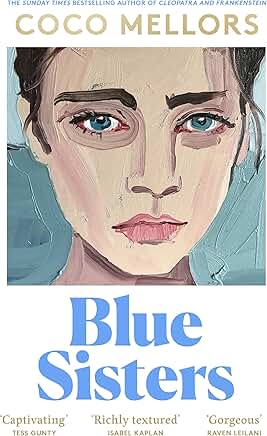
    I was hooked by the premise of Blue Sisters: three wildly different siblings navigating the grief of losing their fourth sister, Nicky. A character-driven family drama set between New York and London, with themes of identity, addiction, estrangement, and love? Say no more. Coco Mellors had already impressed me with Cleopatra and Frankenstein, and I was curious to see how she’d handle a broader emotional landscape.

    What I Liked:
    The emotional intensity of Blue Sisters is undeniable. Mellors writes with a kind of raw clarity that makes even the messiest of moments feel grounded and real. The three sisters, Avery, the ex-boxer turned recovering alcoholic; Bonnie, the uptight yet fragile academic; and Lucky, the rebellious fashion model, are richly drawn and incredibly distinct. Each of them grieves in a way that feels true to her character, and watching them collide, connect, and unravel was both painful and beautiful.

    Mellors has a talent for dialogue that cuts deep without trying too hard to be clever. Her writing feels cinematic in the best way, scenes unfold with such atmosphere and emotional weight that you can almost hear the silences. And her exploration of addiction, queerness, family trauma, and class is thoughtful without being preachy.

    Also: the prose. Mellors balances grit and elegance with ease, making the book compulsively readable while still delivering some knockout lines you’ll want to underline.

    What I didn’t Like:
    At times, the narrative teeters on the edge of melodrama. Some of the sisters’ emotional blowouts or dramatic choices felt a little heightened, not unbelievable, but definitely intense. If you’re looking for subtle, slow-burn storytelling, this might feel a bit much.

    Also, the shifts in POV and time can occasionally be disorienting. There were moments when I wished for a clearer sense of narrative grounding, especially as the sisters’ backstories unfurled in non-linear ways.

    📚 Why You Should Read This Book:
    If you’re a fan of family sagas with emotional depth, flawed but lovable characters, and stories about the messiness of grief and sisterhood, Blue Sisters is a must-read. Think The Virgin Suicides meets Little Women, but grown up, bruised, and buzzing with modern energy.

    💭 Final Thoughts:
    Blue Sisters is a bold, emotionally bruising novel that swings big, and mostly lands. Mellors proves she’s more than a one-hit wonder with this complex, messy, and ultimately hopeful story of sisters trying to find their way back to each other in the aftermath of heartbreak. It’s chaotic in the way that real families often are.

    🛍️ Where to buy
    To buy your own copy click HERE

    Final Rating ★★★★ – A gorgeous gut-punch of a novel about love, grief, and the impossible bond of sisters.

  • 👀 First impressions:
    I went into Intermezzo with a mix of anticipation and caution. After Normal People and Beautiful World, Where Are You, I expected Rooney’s signature blend of introspective characters, sparse prose, and emotional excavation. The title Intermezzo suggested something transitional or in-between — which turned out to be thematically spot on. From page one, I was drawn into a quietly turbulent space that felt emotionally immediate and undeniably Rooney-esque.

    What I Liked:
    Rooney once again proves she’s the master of depicting unspoken tension. The story follows two brothers, Peter and Ivan Koubek, dealing with grief and identity in the wake of their father’s death. Their relationship is the emotional core of the novel, and it’s explored with remarkable tenderness and nuance.

    Her prose, minimalist but emotionally piercing, works particularly well here. Every silence feels heavy. Every pause in conversation feels like it could detonate something buried deep. The chess motif (Ivan is a competitive player) is especially effective: a metaphor for control, detachment, and the impossibility of winning without risk.

    I also appreciated Rooney’s subtle evolution as a writer. While her earlier work often centred on romantic entanglements, Intermezzo focuses more on familial love, masculinity, and vulnerability, still deeply personal, but with a broader emotional range.

    What I didn’t Like:
    Rooney’s style isn’t for everyone, and Intermezzo won’t convert the skeptics. The emotional undercurrents are everything, but some readers might find the plot too quiet or introspective. There are moments where it feels like not much is happening, and in a way, that’s the point, but it can occasionally test your patience.

    Also, I would’ve liked a little more from Peter’s perspective. Ivan, with his unraveling emotional control and inner conflict, gets more of the spotlight, and Peter’s arc felt slightly underdeveloped in comparison.

    📚 Why You Should Read This Book:
    If you love character-driven stories with emotional depth, complicated family dynamics, and Rooney’s precise, meditative prose, Intermezzo is well worth your time. It’s a novel that lingers, quiet, mournful, and beautifully constructed. This is Sally Rooney at her most reflective.

    💭 Final Thoughts:
    Intermezzo doesn’t reinvent Rooney’s style, it refines it. It’s a soft-spoken novel about grief, connection, and identity, and it invites you to sit with discomfort rather than resolve it. Thoughtful, melancholic, and quietly moving, it’s the perfect novel for readers who want to feel something slowly unfurl.

    🛍️ Where to buy
    To buy your own copy click HERE

    Final Rating ★★★★ – A quietly devastating novel that lingers long after the final page.

  • Photo by Gabriela on Unsplash

    Let’s be real: we all judge books by their covers. Despite the age-old advice, it’s practically impossible not to. You walk into a bookshop, coffee in hand, and scan the shelves. What catches your eye? The moody gothic house surrounded by fog? The neon pink font screaming Enemies to Lovers? The pastel cottagecore scene that whispers slow burn romance with jam-making?

    Congratulations, you just judged a book by its cover. And honestly? Good for you.

    First Impressions Matter

    A book cover is like a dating profile photo, it’s designed to grab your attention and give you a glimpse of what’s inside, ideally without catfishing you. Publishers know this. Designers know this. Authors know this. The cover is the first handshake, the first impression, the literary “Hey, you up?” at 2 a.m. from the fiction section.

    Whether it’s the clean, minimalist cover of a literary novel or the technicolour chaos of a fantasy adventure, covers set the tone. They tell you what kind of journey you’re about to take—whether it’s tear-stained pages or high-octane dragon battles.

    Genre Cues and Reader Clues

    A good cover doesn’t just look pretty, it communicates genre at a glance. Cozy crime? Expect teapots, cats, and slightly sinister mansions. YA fantasy? Probably a sword, a crown, or a faceless girl looking emotionally complex. Contemporary romance? Look for flat illustration, punny titles, and pastel everything.

    Book covers are visual shorthand. They’re little genre-coded winks that say, This is the kind of story you’re getting. You in?

    The Red Flags

    Of course, not all covers are created equal. Some promise things they just can’t deliver. Ever picked up a book with a dark, mysterious cover only to discover it’s actually a romcom with a plot thinner than supermarket tissue paper? Or grabbed something that looked like fantasy, but was actually a memoir about mushroom farming?

    This is where the art of judging comes in. A seasoned reader learns to read between the lines (and fonts). Cover + blurb + vibes = your internal bookish algorithm deciding whether this one’s coming home with you.

    Cover Glows-Ups and Let-Downs

    Let’s not forget the rebranding game. Some books get a makeover mid-life, ditching their “serious literary” cloak for a romcom outfit (looking at you, Lessons in Chemistry). Others get downgraded, going from rich, moody hardbacks to bland supermarket paperbacks that make you question all your aesthetic choices.

    Cover design evolves with trends, and what worked ten years ago might not cut it now. Remember the Twilight-era black covers with one symbolic object? Or the Divergent-style floating emblems? Nostalgic? Maybe. Timeless? Not so much.

    Conclusion: Judge with Joy

    Judging books by their covers isn’t shallow, it’s intuitive. It’s part of the magic. A great cover is an invitation, a promise, and sometimes a brilliant piece of art in its own right.

    So go ahead. Judge freely. Snap those cover photos for your Instagram. Buy that book with the shiny foiling and the secret sprayed edges. You’re not being superficial—you’re curating your personal library like the work of art it is.

    And if you ever feel guilty, just remember: someone spent weeks designing that cover so you would judge it.