• Photo by Gabriela on Unsplash

    Let’s be real: we all judge books by their covers. Despite the age-old advice, it’s practically impossible not to. You walk into a bookshop, coffee in hand, and scan the shelves. What catches your eye? The moody gothic house surrounded by fog? The neon pink font screaming Enemies to Lovers? The pastel cottagecore scene that whispers slow burn romance with jam-making?

    Congratulations, you just judged a book by its cover. And honestly? Good for you.

    First Impressions Matter

    A book cover is like a dating profile photo, it’s designed to grab your attention and give you a glimpse of what’s inside, ideally without catfishing you. Publishers know this. Designers know this. Authors know this. The cover is the first handshake, the first impression, the literary “Hey, you up?” at 2 a.m. from the fiction section.

    Whether it’s the clean, minimalist cover of a literary novel or the technicolour chaos of a fantasy adventure, covers set the tone. They tell you what kind of journey you’re about to take—whether it’s tear-stained pages or high-octane dragon battles.

    Genre Cues and Reader Clues

    A good cover doesn’t just look pretty, it communicates genre at a glance. Cozy crime? Expect teapots, cats, and slightly sinister mansions. YA fantasy? Probably a sword, a crown, or a faceless girl looking emotionally complex. Contemporary romance? Look for flat illustration, punny titles, and pastel everything.

    Book covers are visual shorthand. They’re little genre-coded winks that say, This is the kind of story you’re getting. You in?

    The Red Flags

    Of course, not all covers are created equal. Some promise things they just can’t deliver. Ever picked up a book with a dark, mysterious cover only to discover it’s actually a romcom with a plot thinner than supermarket tissue paper? Or grabbed something that looked like fantasy, but was actually a memoir about mushroom farming?

    This is where the art of judging comes in. A seasoned reader learns to read between the lines (and fonts). Cover + blurb + vibes = your internal bookish algorithm deciding whether this one’s coming home with you.

    Cover Glows-Ups and Let-Downs

    Let’s not forget the rebranding game. Some books get a makeover mid-life, ditching their “serious literary” cloak for a romcom outfit (looking at you, Lessons in Chemistry). Others get downgraded, going from rich, moody hardbacks to bland supermarket paperbacks that make you question all your aesthetic choices.

    Cover design evolves with trends, and what worked ten years ago might not cut it now. Remember the Twilight-era black covers with one symbolic object? Or the Divergent-style floating emblems? Nostalgic? Maybe. Timeless? Not so much.

    Conclusion: Judge with Joy

    Judging books by their covers isn’t shallow, it’s intuitive. It’s part of the magic. A great cover is an invitation, a promise, and sometimes a brilliant piece of art in its own right.

    So go ahead. Judge freely. Snap those cover photos for your Instagram. Buy that book with the shiny foiling and the secret sprayed edges. You’re not being superficial—you’re curating your personal library like the work of art it is.

    And if you ever feel guilty, just remember: someone spent weeks designing that cover so you would judge it.
  • 👀 First impressions:
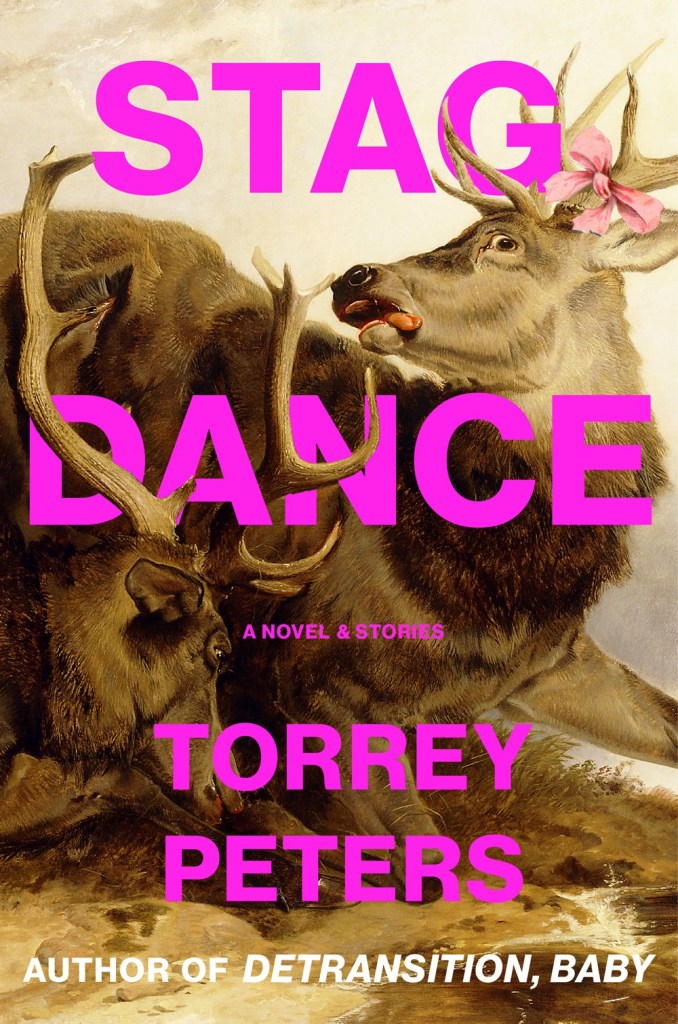
    Stag Dance arrives with a bold promise, and it delivers. Torrey Peters returns with a daring hybrid of a novella and three long stories, each genre-bending and boundary-shifting. From the moment I met Babe Bunyan, a rugged lumberjack in an illegal winter logging camp who astonishes his crew by volunteering to dance as a woman, the novel hooked me with its uncanny mix of frontier grit and hinted identity exploration. This titular “Stag Dance” set a tone that balances visceral tension with unexpected tenderness, and I was eager to discover what the next stories would reveal.

    What I Liked:
    Peters displays remarkable ambition and versatility. The centerpiece novella pulses with raw emotion: jealousy, desire, performance, and transformation amid biting cold and rustic rituals. Babe’s journey is gripping, with tension that converges in an almost operatic climax. Equally impressive are the surrounding stories, a dystopian hormone apocalypse, a Quaker-school romance, a Las Vegas cross-dresser’s reckoning, that expand the collection’s thematic richness. The writing is sharp and unapologetic, exploring gender fluidity, queer desire, and messy identity without sentimentality. Peters writes with mischief and courage, delving into transgressive and often uncomfortable spaces, yet these darker moments are balanced by compelling emotional stakes and moments of unexpected humor.

    What I didn’t Like:
    The ambition occasionally overwhelms. The core novella, for all its power, sometimes felt overly prolonged—especially in the middle, where the logging jargon and pacing tested my patience. A few of the shorter pieces felt uneven in impact, with some readers finding the genre leaps jarring. Nevertheless, even the collection’s uneven moments highlight Peters’ bold risk-taking.

    📚 Why You Should Read This Book:
    This is not just a follow-up to Detransition, Baby—it’s a fearless reimagining of what trans-centered literature can be. If you crave fiction that cuts deep, unsettling expectations while brimming with vitality and invention, Stag Dance is essential. It’s a collection that encourages conversation—about desire, performance, community, and the messy, beautiful process of self-discovery. It also makes a compelling pick for book clubs and literary discussions, especially as it resonates beyond its trans context to touch universal questions of identity.

    💭 Final Thoughts:
    Torrey Peters proves herself an fearless storyteller. Stag Dance is a thrilling, genre-defying journey that explores gender, transformation, and belonging through unforgettable characters and audacious settings. Yes, it demands more from its readers—through pacing and conceptual scope—but its rewards are plentiful. This is a work that challenges, provokes, and ultimately invites you to linger in its spaces long after the final page.

    🛍️ Where to buy
    To buy your own copy click HERE

    Final Rating ★★★★ – A brave and inventive collection that combines literary daring with emotional depth. A riveting exploration of gender’s many possibilities.

  • 👀 First impressions:
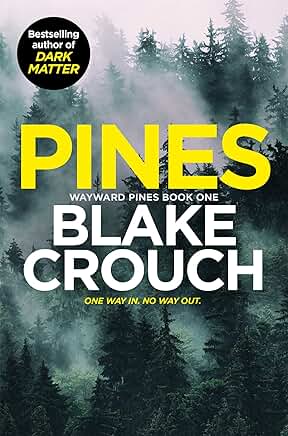
    I picked up Pines knowing it had inspired the Wayward Pines TV series and was often compared to Twin Peaks. From the opening chapter, it had that eerie, slightly off-kilter vibe I love in thrillers. It throws you right into the action with a sense of confusion and unease that doesn’t let up, exactly what I hoped for.

    What I Liked:
    This book is relentless in the best way. Every chapter ends with a hook, every clue leads to more questions, and the tension just keeps tightening. Blake Crouch excels at making you feel trapped right alongside Ethan Burke. The town of Wayward Pines is creepy and claustrophobic, and the mystery builds with every strange interaction and dead end.

    I also loved the genre blend, there’s psychological thriller, dystopia, sci-fi, and a touch of horror all woven together seamlessly. The final twist genuinely shocked me, and I had to sit for a moment after finishing it to process everything. It’s a book that messes with your head in all the right ways.

    What I didn’t Like:
    If I had to nitpick, I’d say a couple of the side characters could have been fleshed out more, but I flew through this book so fast that it hardly mattered. The pace, the stakes, and the atmosphere more than made up for it.

    📚 Why You Should Read This Book:
    If you enjoy psychological thrillers with a sci-fi edge and love feeling like you’re unraveling a big secret, Pines is for you. It’s perfect for fans of Black MirrorThe X-Files, or anything with a surreal, slightly dystopian vibe. The twists are clever, the mood is intense, and the concept will linger with you long after you finish.

    💭 Final Thoughts:
    Pines is the kind of book that gets under your skin. It’s gripping, atmospheric, and deeply unsettling, in the best possible way. I loved every moment of it and immediately added the rest of the trilogy to my TBR. Blake Crouch has crafted a masterclass in slow-burning suspense with a killer payoff.

    🛍️ Where to buy
    To buy your own copy click HERE

    Final Rating ★★★★★ – An intense, mind-bending thriller that delivers mystery, atmosphere, and unforgettable twists. Absolutely loved it.

  • 👀 First impressions:
    The title alone, Don’t Open Your Eyes, hooked me instantly. I was expecting a dark, suspenseful thriller, and this novel absolutely delivered. From the very first chapter, the blend of maternal fear, eerie dreams, and creeping dread created an addictive atmosphere. If you enjoy psychological thrillers that mess with your head in the best way, this one grabs hold and doesn’t let go.

    What I Liked:
    What truly stood out to me was how Liv Constantine weaved suspense with emotional depth. The main character, Annabelle, is a successful, seemingly put-together woman whose life begins to unravel when her nightmares start coming true. Her panic, fear, and desperation felt entirely believable, which made the stakes even higher as the story progressed. I also appreciated the dual (and at times, triple) perspectives, switching between Annabelle, her teenage daughter Scarlett, and another mysterious woman. This structure added layers to the plot, and it was fascinating to see events unfold through different lenses. The pacing, for the most part, was snappy, with just the right amount of tension and a few perfectly placed twists. As a reader, I was constantly guessing, which is exactly what I want in a thriller.

    What I didn’t Like:
    That said, the novel wasn’t without its flaws. While the beginning and end were razor-sharp, the middle portion of the book sagged slightly. Some chapters felt like they were circling the same revelations without much forward momentum, which briefly disrupted the otherwise taut pacing. I also found the supernatural elements a little underexplored. The idea of Annabelle’s dreams predicting real events is incredibly intriguing, but I would have liked a bit more explanation or even deeper exploration of how or why this was happening. Lastly, while I connected with Annabelle’s fear and urgency, her emotional distance at times made her a hard character to fully root for.

    📚 Why You Should Read This Book:
    Don’t Open Your Eyes is the kind of thriller that’s tailor-made for a weekend binge. It’s fast-paced, emotionally charged, and layered with just enough supernatural intrigue to give it an edge over other domestic thrillers. It’s also a perfect pick for readers who love psychological suspense that centres on motherhood, family tension, and buried secrets. If you’ve enjoyed books like The Silent Patient or The Last Mrs. Parrish, this one will absolutely be up your alley. There’s plenty to discuss, especially around the themes of intuition, trust, and how far a mother will go to protect her child.

    💭 Final Thoughts:
    Liv Constantine has crafted a sharp, chilling story about fear, perception, and the dangerous power of knowing too much. The novel combines the emotional depth of a domestic drama with the pace and thrills of a classic psychological mystery. While a few slow moments and unanswered questions kept it from being a full five-star read for me, it was still a gripping and satisfying ride. I finished the book in two sittings and found myself thinking about the ending long after I’d turned the final page.

    🛍️ Where to buy
    To buy your own copy click HERE

    Final Rating ★★★★ – A tightly-wound, atmospheric thriller with emotional depth and a compelling premise. Perfect for fans of page-turners that flirt with the supernatural while staying rooted in relatable, real-world fears.

  • 👀 First impressions:
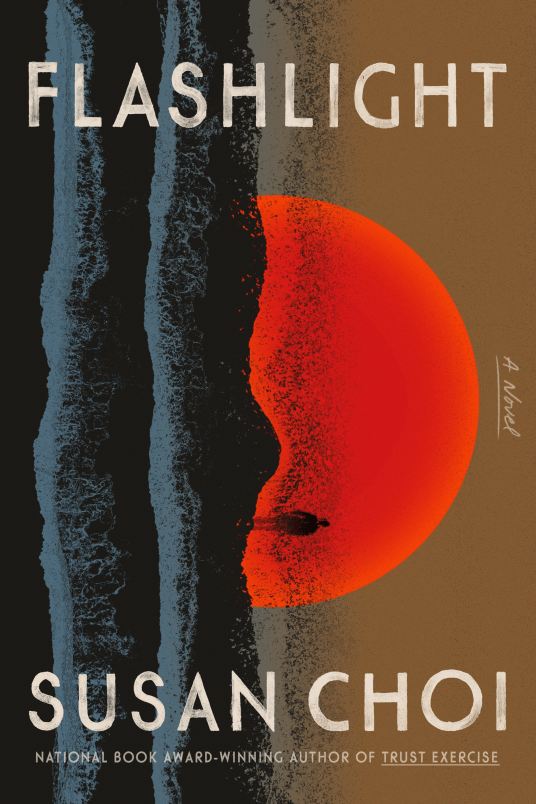
    From the first page, Flashlight pulled me into a haze of memory, trauma, and mystery. The novel opens with a ten-year-old girl named Louisa in a tense psychiatric session, and from there, it unravels a deeply layered story about family secrets, cultural displacement, and the blurred line between truth and perception. The title itself becomes a perfect metaphor for what this novel does, shining light into dark, tangled corners of personal and political histories.

    What I Liked:
    Susan Choi’s writing is phenomenal. Her prose is razor-sharp yet emotionally rich, moving between timelines and continents with elegance and purpose. I loved the ambition of this novel, it’s part family drama, part geopolitical thriller, and part coming-of-age tale. The emotional core is strong, especially in the way it explores how children process abandonment, identity, and secrecy. Louisa is a prickly but fascinating protagonist whose voice lingers long after the final page.

    The themes are wide-reaching: memory, legacy, cultural identity, and the way trauma echoes through generations. Choi handles all of this with subtlety and power. There are moments of raw vulnerability, but also scenes of surprising humour and warmth.

    What I didn’t Like:
    While I admired the scope of the novel, there were stretches that felt slower than necessary. The middle section, in particular, meandered a bit too long, and some of the international subplots, though thematically rich, didn’t always land with the same emotional punch as the more intimate moments.

    Louisa herself might be a sticking point for some readers. She’s not particularly warm or likable, and she keeps a lot hidden. I personally enjoyed her complexity, but I can see how her emotional distance might make it harder for others to connect with her.

    📚 Why You Should Read This Book:
    If you enjoy literary fiction that’s both ambitious and deeply personal, Flashlight will be right up your alley. It’s perfect for readers who appreciate character-driven stories with intricate structures and don’t mind a slower pace. This is a novel that asks you to sit with discomfort, to reflect, and to stay curious—just like the characters themselves must do.

    💭 Final Thoughts:
    Flashlight is an emotionally intelligent and thematically rich novel that explores how we carry the past, how we misremember it, and how we try to make sense of the shadows left behind. It’s not a quick or easy read, but it’s a rewarding one. Susan Choi continues to push the boundaries of what literary fiction can do, and this book proves why she’s a master of her craft.

    🛍️ Where to buy
    To buy your own copy click HERE

    Final Rating ★★★★ – A beautifully written and emotionally resonant novel with a few pacing issues but a lasting impact.

  • Whether you’re poolside, park-bound, or just chasing those warm-weather vibes, these reads will keep you hooked from the first page to the last.

    1. The Summer I Turned Pretty by Jenny Han
    🌸 YA Romance | Bittersweet, nostalgic, love triangle vibes
    Every summer, Belly visits the same beach house with her mum and two family friends. But this year, everything feels different. First love, growing pains, and the kind of summer that changes everything forever.
    Perfect for fans of quiet, emotional coming-of-age stories.

    2. People We Meet on Vacation by Emily Henry
    ✈️ Adult Rom-Com | Witty, feel-good, slow-burn
    Poppy and Alex are best friends who take a holiday together every year, until one trip ruins everything. Now they haven’t spoken in two years, but Poppy wants to fix things with one last getaway.
    Expect banter, emotional depth, and the kind of chemistry that builds slowly but really pays off.

    3. Malibu Rising by Taylor Jenkins Reid
    🌊 Historical Fiction | Glamorous, dramatic, layered
    In 1983, four famous siblings throw a legendary Malibu party. By the end of the night, their mansion is on fire, and nothing will be the same.
    Think sun-drenched beaches, 80s fame, complex family dynamics, and secrets that can’t stay buried.

    4. The Paper Palace by Miranda Cowley Heller
    🏕️ Literary Fiction | Haunting, atmospheric, emotional
    Set over 24 hours at a summer retreat, Elle must decide between the life she’s built with her husband and the one she could have had with her childhood love.
    This one’s moody, sexy, and full of emotional tension—best read with a cold drink and some alone time to process.

    5. Beach Read by Emily Henry
    📖 Contemporary Romance | Smart, flirty, a little angsty
    A romance writer who no longer believes in love meets a literary fiction author with writer’s block. They agree to swap genres for the summer—and maybe a little more.
    It’s charming, emotional, and actually deeper than the title suggests. A top-tier rom-com.

    ☀️ What’s your ultimate summer read? Any of these already on your list? Let’s talk book vibes in the comments!
    #WhatToReadWednesday #SummerReads #BeachReads #BookTokRecs #Bookstagram #ReadingList2

  • For the longest time, I had one rule when it came to reading: if I started a book, I had to finish it. No matter how bored I was, how much I disliked the characters, or how much I found myself rereading the same sentence without it sinking in — I’d grit my teeth and force myself through it. I thought abandoning a book was a kind of failure. It felt like cheating on the author or betraying the commitment I’d made when I turned the first page.

    “I used to think quitting a book meant failing as a reader — now I know it means respecting my time.”

    But over time, I noticed a pattern: I’d get stuck in a book I wasn’t enjoying, and instead of pushing through, I’d avoid reading altogether. Days would pass. Then weeks. Sometimes months. When I finally picked the book up again, I’d forgotten half of what had happened — and I still didn’t care enough to re-engage with it properly. The magic was gone. Reading had turned into a chore.

    “One book I didn’t like stole months of reading joy — all because I wouldn’t let it go.”

    Eventually, I had to ask myself: what’s the point of reading if I’m not enjoying it?

    Books are supposed to be a source of joy, escape, learning, and connection. Not a self-imposed punishment. So I gave myself permission to DNF — Did Not Finish — and it completely transformed my reading life.

    “DNF-ing isn’t giving up. It’s choosing joy over obligation.”

    Now, when a book just isn’t working for me, I don’t push through for the sake of it. I take a moment, ask myself why, and if it’s clear I’m not getting anything out of it — I move on. And you know what? That one choice has helped me read more, not less. I’m no longer stuck in a cycle of procrastination over a book I’m not enjoying. I’m always excited about what I’m reading because I only spend time on stories that actually speak to me.

    “You don’t owe every book your time — just the ones that light you up.”

    DNF-ing doesn’t mean the book is bad. It just means it wasn’t the right book for me, or it wasn’t the right time. Maybe I’ll come back to it. Maybe I won’t. But reading is personal — and life is too short to read books out of obligation.

    “Your TBR is too full and your time too precious to waste on books you’re not loving.”

    So if you’re stuck on a book that’s making you avoid reading, consider this your permission slip: it’s okay to DNF. Your TBR pile will thank you. So will your love of reading.

  • When Heart Lamp won the 2025 International Booker Prize, it made history, not only as the first Kannada-language book to be awarded, but also as the first short story collection to ever win the prize. Banu Mushtaq, an 80-year-old author and activist from Karnataka, began writing these stories over three decades ago, drawing from her experiences as a Muslim woman and an outspoken advocate for Dalit and women’s rights. The stories, translated with radical fidelity by Deepa Bhasthi, form a mosaic of everyday resistance, grief, humor, and resilience. This book is not just a literary milestone; it’s a political and cultural awakening.

    👀 First impressions:
    At first glance, Heart Lamp appeared deceptively quiet, short stories about rural and urban women in southern India. But by the second story, I realized I was holding something extraordinary: stories that burn softly, with slow intensity, but leave scorch marks behind. The cover, subtle and evocative, mirrors the emotional depth inside.

    What I Liked:
    The translation is stunning, retaining Kannada, Urdu, and Arabic terms that enrich the rhythm of the text without alienating the reader. I loved the multilingual voice that didn’t pander to English but invited it to sit alongside other ways of speaking and being. The characters, especially the women, are unforgettable: weary, funny, angry, brave. Stories like “A Decision of the Heart”, where a man tries to arrange a marriage for his widowed mother, and the heartbreaking “Stone Slabs for Shaista Mahal”, show how personal decisions reflect structural violence, but with such empathy and nuance.

    The feminist fire running through each story was subtle but ever-present. No grand declarations, just women finding their voice, even in defiance of their own homes, faith, and communities. The emotional honesty was refreshing. I laughed out loud in one paragraph, and in the next, I was gutted.

    What I didn’t Like:
    If I had to nitpick, a couple of the stories toward the end felt more like vignettes than fully realized arcs, but even these offered atmosphere and texture. Readers unfamiliar with South Indian social context might need to pause occasionally to digest caste dynamics or regional references, though I never found this a flaw, just a reminder that translation isn’t always about comfort.

    📚 Why You Should Read This Book:
    If you love storytelling rooted in place, culture, and struggleHeart Lamp will move you deeply. It’s for readers who crave voices from the margins, unpolished, unapologetic, and powerful. The stories transcend location, they are about women everywhere who carry unseen burdens and still keep the light on.

    It’s also a must-read for anyone interested in how translation can be radical, respectful, and inventive. Deepa Bhasthi’s work here is groundbreakin

    💭 Final Thoughts:
    This collection was a quiet revolution. Every story added another filament to the “heart lamp”, a fragile but enduring light in the dark. It’s the kind of book I’ll press into friends’ hands and say, you need to read this. Timeless yet timely, political yet deeply personal, Heart Lamp proves that literature from so-called ‘small languages’ can carry the biggest truths.

    🛍️ Where to buy
    To buy your own copy click HERE

    Final Rating ★★★★★ – Bold, beautiful, and burning with empathy. An unforgettable, history-making collection.

  • With Long Island, the long-awaited sequel to Brooklyn, now in my hands, I’m eager to dive back into Eilis Lacey’s world. But before I do, it only feels right to revisit and review the novel where her journey began.

    👀 First impressions:
    Brooklyn is a quiet, deliberate novel, one that doesn’t shout but lingers. From the very first pages, I was drawn into 1950s Enniscorthy, Ireland, and the stifling small-town atmosphere that pushes Eilis to emigrate. Colm Tóibín’s prose is restrained yet emotionally precise, and I had a strong feeling early on that this was a story that would stay with me.

    What I Liked:
    Tóibín’s writing is elegant and unshowy, yet brimming with emotional depth. I loved how he captures Eilis’s journey with such empathy and realism: her loneliness, her quiet strength, her confusion and yearning. The world of Brooklyn, the boarding house, the department store, the dances, the emerging romance with Tony, felt rich and authentic. The pull of Ireland, and the conflicting sense of guilt and belonging, added even more layers of complexity.

    What I didn’t Like:
    Truly nothing. The pacing, the prose, the characters, everything worked seamlessly for me.

    📚 Why You Should Read This Book:
    Because it’s an exquisitely told, deeply human story about leaving home, making difficult choices, and discovering who you are. If you’re drawn to quietly devastating literary fiction, this is essential reading.

    💭 Final Thoughts:
    A stunning novel that holds a mirror to the immigrant experience, showing the fragile yet unbreakable thread between past and present, old world and new. It’s a story that stayed with me long after I closed the final page.

    🛍️ Where to buy
    To buy your own copy click HERE

    Final Rating ★★★★★ – A quiet masterpiece that resonates long after the final page, an easy 5-star read.

  • 👀 First impressions:
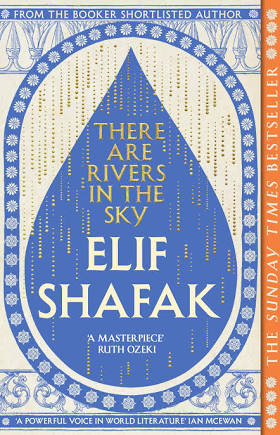
    From the first page, There Are Rivers in the Sky swept me away with its lyrical prose and hypnotic imagery. Elif Shark has a gift for weaving language into something that feels almost like poetry.

    What I Liked:
    I loved the dreamlike atmosphere, the richly drawn characters, and the way the novel balances beauty with heartbreak. Every chapter felt like an invitation to linger in its world just a little longer. The themes of memory, longing, and belonging resonated deeply with me.

    What I didn’t Like:
    Some scenes felt repetitive, but these were small issues that didn’t take away from how much I loved this book.

    📚 Why You Should Read This Book:
    Because it’s a breathtaking, evocative journey that immerses you completely. Fans of literary fiction, magical realism, and deeply emotional storytelling should not miss this one.

    💭 Final Thoughts:
    There Are Rivers in the Sky is a triumph of language and imagination, a novel that lingers in your heart and mind long after the final page.

    🛍️ Where to buy
    To buy your own copy click HERE

    Final Rating ★★★★★ – A gorgeously crafted river of words and feelings, an unforgettable 5-star read.