👀 First impressions: The Terror immediately gripped me with its chilling blend of historical fiction and horror. Dan Simmons brings the doomed Franklin expedition to life with vivid, brutal realism, while weaving an undercurrent of supernatural dread that makes the frozen Arctic feel truly haunted from the first page.
✅ What I Liked: The atmosphere is unmatched. Simmons captures the claustrophobic dread of being trapped in ice, the mounting paranoia among the crew, and the bone-deep cold that seems to seep through the pages. The characters are richly drawn, each struggling with fear, hunger, madness, and the vast emptiness pressing in on them. The supernatural element—an unknown terror stalking them from the ice—elevates the tension while never overshadowing the deeply human story at its core. The prose is beautiful, stark, and perfectly suited to the bleak, frozen setting.
❎ What I didn’t Like: Honestly, there was little that didn’t work. Some sections are slow, but the pacing reflects the grinding despair and isolation the characters endure, so it felt fitting rather than frustrating.
📚 Why You Should Read This Book: If you enjoy meticulously researched historical fiction with a masterful layer of horror, this is a must-read. The Terror is both a survival story and a meditation on fear, leadership, and the will to endure in the face of hopelessness. It’s one of the most immersive, unsettling books I’ve read in years.
💭 Final Thoughts: Dan Simmons has crafted a masterpiece that melds history and horror into a haunting, unforgettable epic. Equal parts terrifying and poignant, The Terror is a brilliant exploration of the human spirit under unimaginable pressure.
👀 First impressions: The House in the Pines by Ana Reyes immediately pulled me in with its eerie, atmospheric setting and the promise of a layered psychological mystery. The idea of memory, trauma, and the hidden past tied to a seemingly ordinary house was intriguing.
✅ What I Liked: Ana Reyes builds tension well, creating a sense of unease that runs through the entire novel. The shifting ground between what is real and imagined kept me invested, and the small-town setting felt vivid and claustrophobic in just the right way. The writing style is smooth and easy to sink into.
❎ What I didn’t Like: While the premise was compelling, the pacing lagged in places and some twists felt predictable. Without spoiling anything, the ending stretched believability a bit too far for me, making it hard to fully buy into the resolution. I also wanted more depth in the supporting characters and their motivations.
📚 Why You Should Read This Book: If you enjoy slow-burn psychological thrillers with a creepy, small-town vibe and themes of unreliable memory and past trauma, this might be a good fit. It’s atmospheric and engaging, even if the payoff doesn’t fully land.
💭 Final Thoughts: House in the Pines is a moody, unsettling read with some genuinely tense moments. While it didn’t quite stick the landing for me, it’s still worth picking up if you’re looking for an eerie psychological mystery.
To celebrate the 4th of July, here are six historical fiction novels set in the USA that bring the nation’s past to life with drama, heart, and unforgettable characters:
✨The Night Watchmanby Louise Erdrich — Based on Erdrich’s grandfather, this novel follows Thomas Wazhashk, a Chippewa Council member fighting against Native dispossession in 1950s North Dakota. It intertwines the struggles of Native communities with moments of quiet humor, love, and hope, capturing a rarely told piece of American history.
✨ My Dear Hamilton by Stephanie Dray & Laura Kamoie — Through Eliza Schuyler Hamilton’s eyes, this sweeping novel traces the chaos and triumph of America’s founding. From her marriage to Alexander Hamilton to her decades-long fight to preserve his legacy, Eliza emerges as a fierce, flawed, unforgettable woman at the heart of a revolution.
✨ March by Geraldine Brooks — Winner of the Pulitzer Prize, March reimagines the absent father from Little Women as he serves as a chaplain in the Union Army. His journey through the Civil War forces him to confront the gulf between his ideals and the brutal realities of war, slavery, and personal failings.
✨The Underground Railroad by Colson Whitehead — A daring, lyrical reimagining of history where the Underground Railroad is an actual subterranean train system. It follows Cora, a young woman fleeing slavery in Georgia, on a harrowing and surreal journey toward freedom, blending stark history with elements of magical realism.
✨ America’s First Daughterby Stephanie Dray & Laura Kamoie — Through the life of Patsy Jefferson, the devoted daughter and political confidante of Thomas Jefferson, this novel explores the personal sacrifices and complex choices behind the founding of the nation. Rich with historical detail, it portrays the cost of building—and keeping—a fragile new democracy.
✨The Indigo Girl by Natasha Boyd — Set in colonial South Carolina, this novel tells the true story of Eliza Lucas, a young woman who defied tradition and transformed the Southern economy by developing indigo as a cash crop. Eliza’s determination and keen intellect shine against the backdrop of colonial tensions and gender barriers.
Whether you want tales of revolution, resilience, or reinvention, these books are the perfect way to honour America’s history this Independence Day.
👀 First impressions: Before diving into Sunrise of the Reaping, it’s worth understanding where this book fits into the Hunger Games saga. Set just before the second Quarter Quell, the 50th Hunger Games, it explores a turbulent moment in Panem’s history when the Capitol’s power is both absolute and deeply insecure. This instalment expands on the twisted spectacle of the Games and gives us a deeper glimpse into the victors’ fractured psyches, the simmering tensions beneath the Capitol’s glittering facade, and the seeds of revolution that are beginning to sprout.
Sunrise of the Reaping bursts with tension and high stakes from the very first page. Returning us to the world of Panem, it plunges the reader back into the uneasy calm before the storm of rebellion. From the outset, there’s a sense of foreboding, a knowledge that things are about to spiral, and we’re compelled to watch.
✅ What I Liked: Suzanne Collins once again proves her mastery of dystopian storytelling. The worldbuilding is sharp and layered; we see not only the physical spaces of Panem but the emotional landscapes of its inhabitants—particularly the returning victors, who carry deep psychological scars. The exploration of survivor’s guilt, PTSD, and forced complicity in a cruel system is handled with nuance and empathy. I appreciated how this book gives more insight into the Capitol’s manipulation and propaganda tactics, making it painfully clear how the Games are used as tools of oppression.
The secondary characters, especially past victors, were fleshed out in fascinating ways. Their complex relationships, rivalries, and quiet acts of resistance added emotional weight to the plot. The political intrigue was another standout, subtle but powerful, and the rebellion’s early flickers were threaded through with just enough tension to keep you turning pages late into the night.
❎ What I didn’t Like: While the pacing is generally strong, a few scenes, particularly emotional confrontations, felt slightly rushed. Some character arcs, especially among the less prominent victors, could have used more time to develop. In a story so rich with trauma and rebellion, I occasionally wished for even more reflection and internal dialogue from the main characters to deepen our connection to their struggles.
📚 Why You Should Read This Book: If you’re a Hunger Games fan craving more insight into Panem’s inner workings, this is a must-read. Sunrise of the Reaping doesn’t just revisit the horrors of the Games, it complicates them. It’s a story about power, resistance, and how even those trapped inside a cruel system can find ways to fight back. With emotional depth, social commentary, and high-stakes drama, this book delivers on every front.
💭 Final Thoughts: An intense, emotionally resonant return to Panem that enriches the Hunger Games mythology. It deepens familiar themes—trauma, rebellion, media manipulation—while offering fresh perspective on the personal costs of survival. Heart-wrenching, thoughtful, and gripping.
👀 First impressions: George Eliot (Mary Ann Evans) published Silas Marner in 1861, and it remains a classic of English literature. I first read it as a teenager, not expecting to be so moved by its simple, heartfelt story. I remember being struck by how Silas’s loneliness mirrored some of my own adolescent feelings of being misunderstood or apart from the crowd. Reading it again as an adult, I was even more touched by Eliot’s nuanced depiction of community, faith, and the way love can heal even the deepest wounds.
✅ What I Liked: What stands out most is how Eliot handles Silas’s journey from despair to hope. The contrast between the dark, barren life Silas leads in Lantern Yard and the slow blossoming of his soul in Raveloe is beautifully rendered. Eliot does not offer easy answers; she makes us sit with Silas in his grief and isolation, and only slowly allows warmth to enter the narrative through Eppie. The character of Eppie herself is luminous, and I loved how her presence transforms not just Silas but the entire village.
I also appreciated Eliot’s careful depiction of the villagers. Their gossip and prejudices are laid bare, but so too are their moments of decency and community spirit. The themes of fate, the randomness of chance, and the quiet heroism of ordinary people felt even more powerful to me now.
❎ What I didn’t Like: On my first read, I struggled with the long passages of social commentary and the villagers’ dialect-heavy speech, which occasionally slowed the pace. As an adult reader, I see how these sections deepen the setting and thematic threads, though they can still feel meandering at times.
📚 Why You Should Read This Book: Because it’s a timeless story of second chances, hope, and the way love, even unexpected love, can change the course of a life. If you’ve ever felt lonely or lost, this book will resonate with you.
💭 Final Thoughts: Silas Marner remains one of the most moving books I have read. Each rereading brings something new, and I find myself returning to it in moments when I want to be reminded of the quiet, steady power of human goodness.
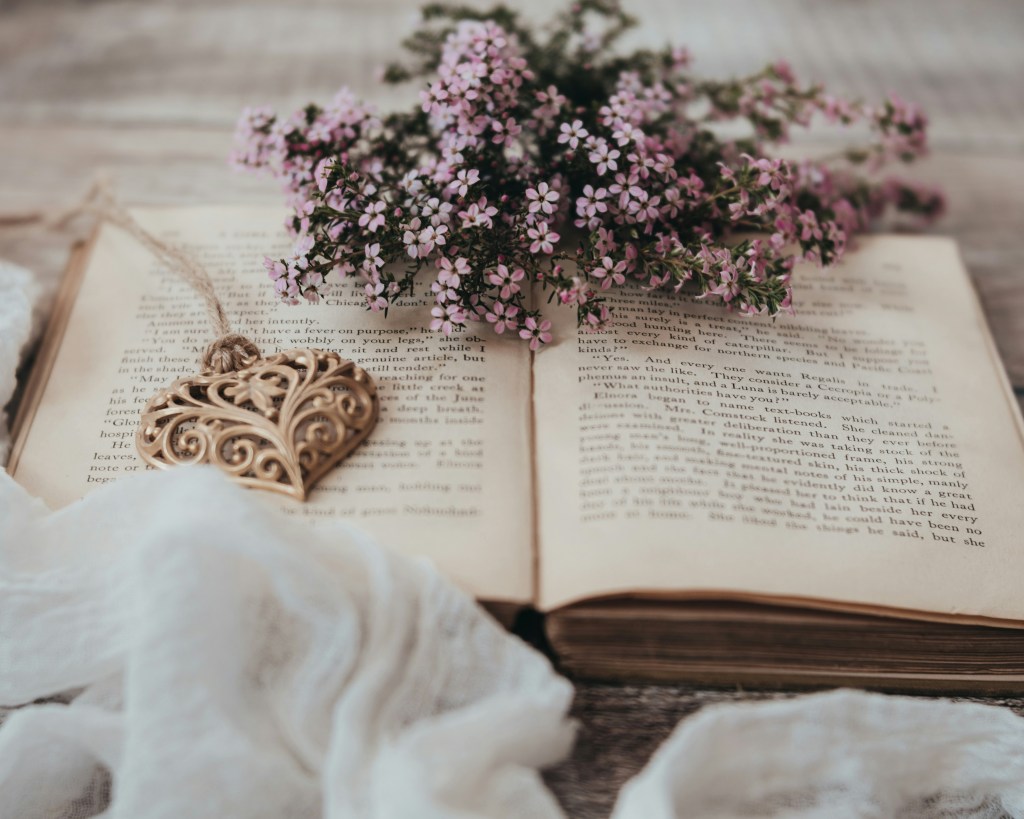
The term “book girly” has exploded across social media platforms, particularly BookTok and Bookstagram, where readers showcase their latest reads alongside carefully curated aesthetics of pastel covers, floral bookmarks, and cozy reading nooks. While I appreciate the enthusiasm for reading that this trend has sparked, I find myself increasingly uncomfortable with the label itself, and I think it’s worth examining why.
The Reduction of Reading to Aesthetic
When we talk about being a “book girly,” the emphasis often seems to land more heavily on the “girly” than the “book.” The term conjures images of specific genres (romance, fantasy with pretty covers), specific presentation styles (pink and pastel everything), and specific ways of engaging with literature (prioritizing visual appeal, emotional reactions, and social media shareability).
But reading is so much more expansive than any single aesthetic or approach. Some of my most transformative reading experiences have come from books with unremarkable covers, challenging narratives, or themes that don’t photograph well for Instagram. When we package reading into this particular brand of femininity, we risk suggesting that there’s a “right” way to be a reader, and that this way happens to align with traditionally feminine presentations and interests.
The Gender Binary Problem
The “girly” suffix inherently creates a division. If there are “book girlies,” what does that make everyone else? The term inadvertently suggests that enthusiasm for reading, particularly for certain genres or with certain aesthetic preferences, is inherently feminine. This doesn’t just potentially alienate male readers, it also excludes non-binary readers and anyone whose relationship with books doesn’t fit into this particular mold.
I’ve noticed that readers who don’t identify with the “book girly” aesthetic sometimes feel they need to justify their reading preferences or explain why they don’t participate in certain community rituals. That shouldn’t be necessary. Reading is universal; it doesn’t belong to any one gender expression or aesthetic preference.
The Infantilization Issue
Perhaps most troublingly, the term “book girly” carries undertones of infantilization that I find deeply problematic. The word “girly” inherently references childhood and immaturity, we don’t typically describe adult women’s interests as “girly” without implying something juvenile or trivial about them. When applied to reading, it suggests that women’s literary interests and engagement styles are somehow less serious or sophisticated than those of their adult counterparts.
This infantilization extends beyond just the terminology. The “book girly” aesthetic often emphasizes childlike elements: pastel colors, fairy tale imagery, whimsical accessories, and an overall presentation that echoes teenage bedroom decor more than adult intellectual engagement. While there’s nothing wrong with enjoying these aesthetic elements, the way they’ve become synonymous with women’s reading culture sends a subtle message that women’s relationship with books is fundamentally different—and lesser—than “serious” reading.
Adult women deserve to have their reading interests taken seriously, regardless of genre preferences or how they choose to engage with book communities. When we package women’s literary enthusiasm in diminutive, childlike language, we perpetuate broader cultural patterns that dismiss women’s intellectual contributions and interests.
Beyond the Surface-Level Engagement
While I don’t want to dismiss anyone’s genuine love of books, I worry that the “book girly” trend sometimes prioritizes the performance of reading over deep engagement with texts. When the focus shifts to how well a book photographs, how it fits into current popular trends, or how it aligns with a particular aesthetic brand, we might lose sight of what makes reading truly transformative: the ideas, the language, the way stories can challenge and change us.
This isn’t to say that enjoying beautiful book covers or creating reading-themed content is shallow, visual beauty and community building are valuable parts of reading culture. But when these elements become the primary lens through which we approach books, we might be missing opportunities for more meaningful literary encounters.
The Commodification Concern
The “book girly” trend also ties into broader patterns of commodification within reading communities. It encourages the purchase of specific types of books, bookish accessories, and lifestyle products that fit the aesthetic. While supporting authors and bookstores is wonderful, there’s something unsettling about the way reading, historically a relatively low-cost hobby accessible to anyone with a library card, has become associated with specific consumption patterns and financial investments in maintaining a particular image.
What I’d Prefer Instead
Rather than “book girly,” I’d love to see our community embrace terms that focus on the act of reading itself rather than the demographic or aesthetic associations. “Book lover,” “avid reader,” “literary enthusiast”, these terms center the relationship with books rather than packaging it within specific gender expressions or visual presentations.
I want reading communities where someone can love romance novels without needing to embrace pink aesthetics, where fantasy readers aren’t expected to own crystals and dried flowers, where literary fiction enthusiasts don’t feel superior to genre readers, and where everyone can engage with books in whatever way feels authentic to them.
The Bottom Line
Reading is transformative, challenging, comforting, and expansive. It’s been a part of human culture across all demographics, aesthetics, and time periods. When we narrow it down to fit into any single category, whether that’s “book girly” or any other limiting label, we diminish its power and potentially exclude people who might otherwise find joy in literary community.
I’m not asking anyone to abandon their pink bookshelves or stop posting aesthetic reading content. I’m simply suggesting that we might think more carefully about the language we use to describe readers and reading culture. Our words shape our communities, and I’d prefer ours to be as inclusive and expansive as the medium we all love.
Let’s celebrate reading in all its forms, by readers of all kinds, without requiring anyone to fit into a particular aesthetic or demographic box. After all, the best thing about books is that there’s truly something for everyone, and everyone’s reading journey is valid, regardless of how it looks on camera.
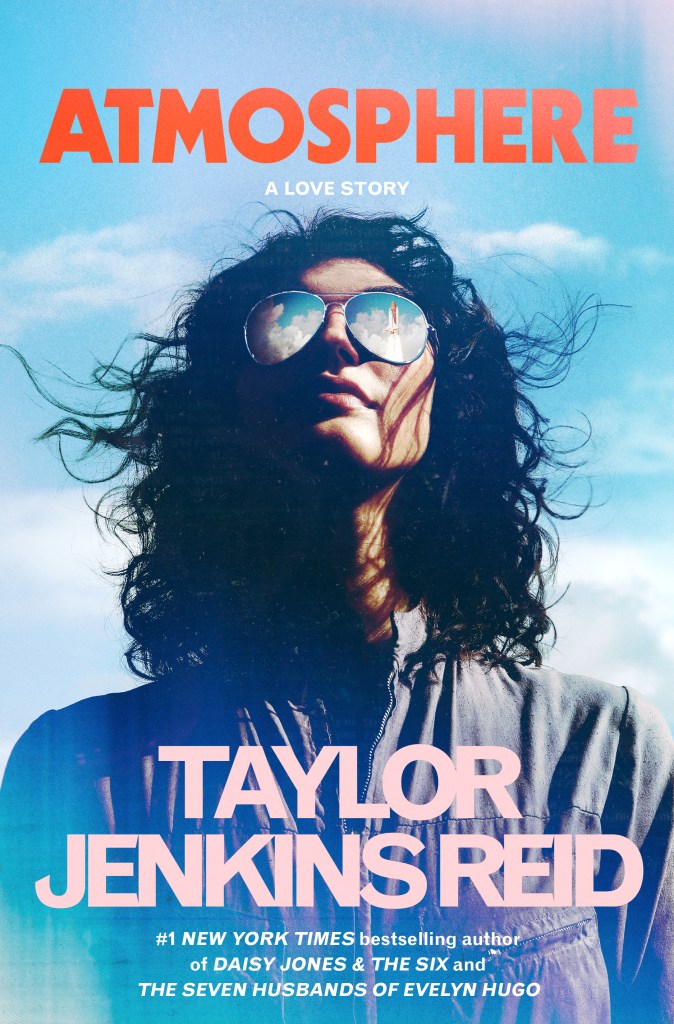
👀 First impressions: I was immediately intrigued by the premise of Atmosphere, which promised an epic story set during the heyday of the 1980s space shuttle program. Having recently read Orbital, I was eager to continue the space theme with Taylor Jenkins Reid’s unique perspective. Her talent for rich, emotionally resonant historical fiction made me excited to see how she would explore love, ambition, and sacrifice against the backdrop of the shuttle era.
✅ What I Liked: Reid masterfully sets Atmosphere against the backdrop of the 1980s space shuttle program, weaving real historical detail with deeply personal stories. The camaraderie among the astronaut candidates—especially Joan’s complex friendship with the driven and enigmatic Vanessa Ford, felt authentic and layered. Reid’s vivid descriptions of training at Johnson Space Center, from grueling simulations to weightless flights, make you feel like you’re right there with the crew. The scenes aboard the shuttle on mission STS-LR9 are tense, poignant, and devastating, showcasing Reid’s talent for combining intimate human drama with sweeping historical moments.
❎ What I didn’t Like: While I admired the ambition and themes, the pacing lagged in the middle third, with some subplots feeling slightly repetitive. A few characters, though interesting, didn’t get quite enough resolution for my taste. However, this is a minor gripe in an otherwise engrossing novel.
📚 Why You Should Read This Book: If you enjoy character-driven fiction that probes the choices we make and the secrets we keep, wrapped in a beautifully rendered setting, Atmosphere is for you. Reid fans will appreciate her continued evolution as a writer, while newcomers will find plenty to savor.
💭 Final Thoughts: Atmosphere might not hit the dizzying highs of Daisy Jones & The Six, but it’s a mature, thoughtful work that lingers long after the final page. Taylor Jenkins Reid once again proves she’s one of the best at mapping the complexities of the human heart.
Kristin Hannah is a bestselling American author known for her emotionally resonant historical and contemporary fiction. With hits like The Nightingale and Firefly Lane, she has a reputation for telling deeply human stories centered around resilient women. The Four Winds, published in 2021, is set during the Dust Bowl era of the Great Depression and highlights the strength and sacrifice of a woman fighting to keep her family alive through one of America’s darkest periods. Inspired by real historical events and stories of migrant workers, Hannah brings the era to life with her signature blend of historical detail and emotional depth.
👀 First impressions: From the opening pages, The Four Winds immediately feels immersive. The prose is rich but accessible, and the setting—1930s Texas—is vividly drawn. I was struck by the bleakness of the landscape and the hardship Elsa faces early in the novel. Hannah’s tone is unflinchingly honest, making it clear that this will be a harrowing but meaningful read.
✅ What I Liked: Elsa, the protagonist, is a complex and compelling character. Watching her transform from a sheltered, self-doubting woman into a tenacious and determined mother was powerful and deeply moving. Hannah doesn’t shy away from the brutal realities of the Dust Bowl or the economic collapse, and her portrayal of the migrant struggle in California is heartbreaking. The themes of motherhood, survival, and human dignity are handled with care and weight, making this story both personal and epic. The historical detail is impressive without overwhelming the narrative, and the emotional stakes are constantly high.
❎ What I didn’t Like: At times, the pacing dragged slightly, particularly in the middle section, where the unrelenting hardship became emotionally exhausting without much relief. Some secondary characters felt a bit underdeveloped or fell into archetypal roles. While the emotional impact is undeniable, the message occasionally feels a bit too on-the-nose.
📚 Why You Should Read This Book: If you enjoy historical fiction that immerses you in a time and place, The Four Winds delivers. It’s a story of quiet heroism, resilience, and the unbreakable bonds of family. Fans of Kristin Hannah’s earlier work, or of writers like Lisa Wingate or Barbara Kingsolver, will likely find a lot to admire here.
💭 Final Thoughts: The Four Winds is a poignant and often devastating story of a woman pushed to the brink by forces beyond her control, yet who continues to fight for her children and her dignity. Kristin Hannah shines a spotlight on a rarely explored chapter of American history, and while it’s not always an easy read, it’s a deeply rewarding one.
I love a good comfort read, cozy mysteries, fantasy worlds, the odd morally grey villain I probably shouldn’t root for. But in between the comfort zones and five-star favourites, there’s something that’s completely transformed how I read: choosing to read more diversely.
And no, I don’t mean forcing myself to read something “serious” or “worthy.” I mean deliberately reaching for books by authors with different lived experiences than mine, whether that’s in terms of race, gender, culture, sexuality, disability, or background. Basically: if they’re telling a story I couldn’t tell, I want to hear it.
So let’s chat. What does reading diversely actually mean, and why is it such a powerful (and honestly, joyful) thing to do?
🌈 Reading Outside the Bubble
Reading diversely isn’t about ticking boxes or meeting a quota. It’s about curiosity. It’s asking: Whose stories am I hearing most often? And who’s missing from the picture?
For me, reading widely has made my bookshelf feel richer. I’ve read magical realism from Latinx voices that felt like folklore on fire. I’ve discovered queer love stories that made me cry (in a good way). I’ve dived into memoirs and thrillers and family dramas that challenged how I see the world.
And every time I do, I come away with a little more perspective, and a bigger heart.
💬 But Why Does It Matter?
Here’s why I believe reading diversely is essential:
Empathy-builder. Fiction has this sneaky way of expanding your empathy. You walk beside characters you might never meet in real life, and you feel with them.
Breaks the echo chamber. So much of what we read is shaped by what gets the biggest publishing budgets. Reading outside the mainstream helps fight that imbalance.
Supports underrepresented authors. When we buy and review diverse books, we send a message to the industry: we want more of this.
It’s genuinely fun. Your next all-time favourite book might be from a country you’ve never been to, or a voice you’ve never heard before. That’s exciting.
✨ Tips for Reading More Diversely (Without the Pressure)
If you’re like me and enjoy mood reading, here’s how to make it feel natural, not like homework:
Make it part of your TBR. Each month, I try to include at least one book by a BIPOC or LGBTQ+ author, or one set outside the UK/US bubble.
Follow diverse bookish creators. Instagram, TikTok, and BookTube are goldmines for recommendations from people living experiences different from yours.
Read translated works. Some of the most beautiful books I’ve read weren’t originally written in English, and they opened up whole new literary worlds.
Track, but gently. I loosely track author identity, location, and themes, not to “score points,” but to reflect on where my reading habits are taking me.
💖 Final Thoughts
Reading diversely isn’t about being perfect or performative, it’s about being curious, compassionate, and intentional. If books are windows and mirrors, then diverse reads help us clean those windows and widen the view.
So, what’s the most eye-opening book you’ve read lately? Let’s chat in the comments, or better yet, drop me a rec. I’m always on the lookout for new voices to fall in love with.
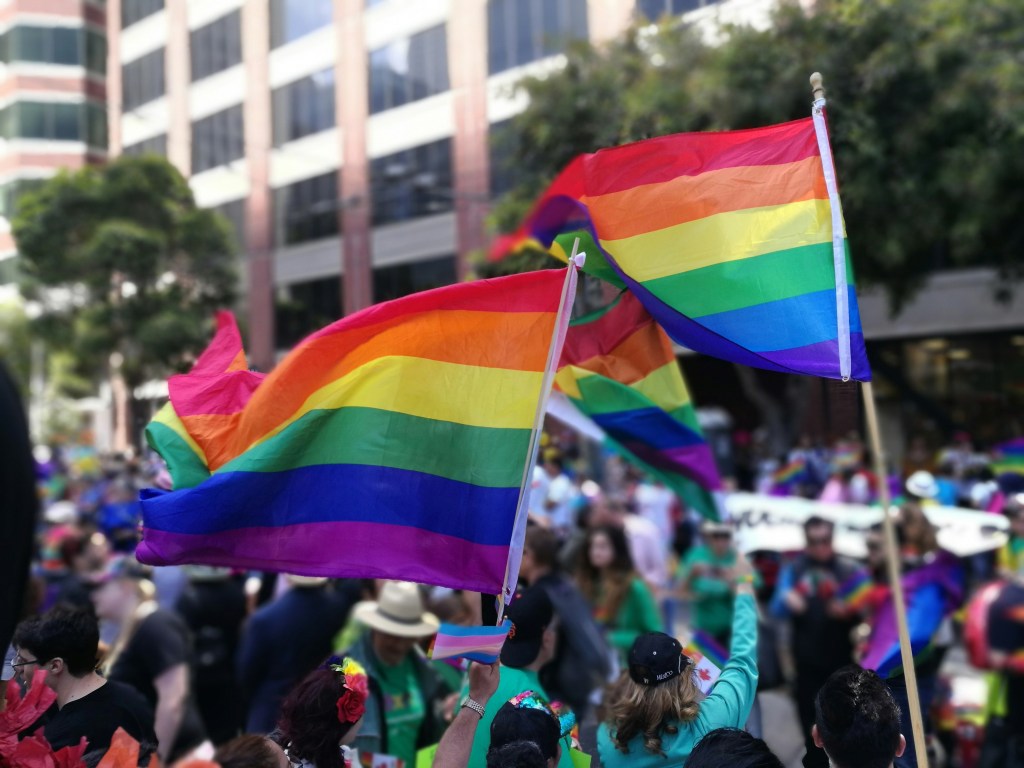
Looking for stories that are raw, powerful, and beautifully real? This week, we’re diving into LGBTQ+ memoirs , bold, honest, and often hilarious reflections on identity, love, struggle, and joy. Whether you’re in the mood for poetic prose or laugh-out-loud chaos, there’s something here to move you.
Here are a few must-reads:
🌈 Untamed by Glennon Doyle Part memoir, part manifesto, Untamed charts Glennon Doyle’s transformation from a “tamed” wife and mother into a fiercely authentic woman in love with soccer icon Abby Wambach. It’s about trusting your inner voice, breaking free from cultural expectations, and building a life that feels true. Inspiring, bold, and deeply personal.
🌈 The Argonauts by Maggie Nelson A stunning hybrid of memoir and theory, The Argonauts explores Nelson’s queer relationship with gender-fluid artist Harry Dodge while navigating pregnancy and family. It’s poetic, academic, and intimate, a mind-expanding read about love, identity, and language that challenges binaries at every turn.
🌈 Boy Erased by Garrard Conley In this moving memoir, Conley recounts his experience in a Christian conversion therapy program after being outed to his religious parents. It’s a haunting but ultimately redemptive look at shame, family, and the resilience of the human spirit. A must-read for understanding the real-life impacts of homophobia.
🌈 Sissy: A Coming-of-Gender Story by Jacob Tobia With humour, heart, and a whole lot of sass, Jacob Tobia shares their journey of embracing gender nonconformity. From Southern childhood to queer activism, Sissy dismantles gender norms with glitter and wit. It’s funny, fabulous, and unapologetically honest.
🌈 All Boys Aren’t Blue by George M. Johnson This powerful series of personal essays explores Johnson’s experiences growing up Black and queer in America. Covering everything from family and masculinity to sexual abuse and identity, it’s essential reading for teens and adults alike. Deeply moving and beautifully written.
These stories remind us that pride is about authenticity, and there’s nothing more powerful than living your truth.
📖 What LGBTQ+ memoir has stayed with you? Drop your recs below! 👇💬






 Minnie's Fiction Addiction