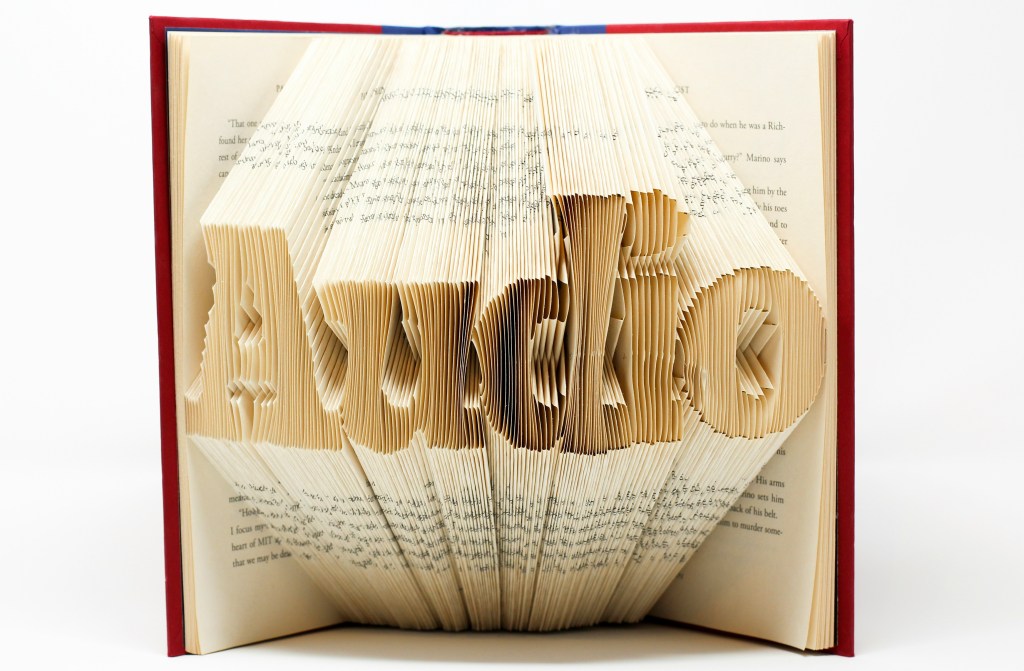
• As limited edition book culture thrives, a backlash over digital signatures reveals just how much readers romanticise the labour of writing, and how little we understand the cost of it.

    Photo by Docusign on Unsplash

    In the age of sprayed edges, holographic foils, and TikTok-viral “exclusive editions,” a book is no longer just something you read; it’s also something you own, display, and treasure. However, a new controversy has ignited debate across BookTok and Reddit, and it doesn’t revolve around a plot twist or a problematic trope. Instead, it concerns a signature, or, more specifically, the absence of a “real” one.

    An increasing number of publishers and book subscription boxes are utilizing digital signatures. These are high-quality reproductions of an author’s handwritten autograph, printed directly into the book. For some readers, this approach seems like a sensible compromise. For others, it feels like a betrayal of authenticity.

    The reactions have been loud, emotional, and, in some instances, surprisingly harsh.

    “If It’s Not Hand-Signed, It’s Not Worth It”

    Across social media, opinions are clear and sharp:  

    “It’s not real.”  

    “I paid for a signature, not a print.”  

    “I feel scammed.”  

    However, beneath these complaints lies a more uncomfortable truth that addresses not only the publishing industry but also how we treat creators in general. Authors are people, not machines. For many of them, hand-signing thousands of books isn’t just a charming personal touch; it’s physically exhausting and can even be harmful.

    The Hidden Labour Behind the Page

    It’s easy to picture an author warmly signing books in a cozy corner, sipping tea, and using a felt-tip pen. However, in reality, signing sessions can stretch on for hours. Authors often experience hand cramps, flare-ups of tendonitis, and even nerve damage after marathon signings. 

    For disabled writers or those living with chronic illnesses or fatigue, signing 5,000 bookplates can be not just challenging, but impossible. An alternative to this is digital signatures, which allow authors to contribute to special editions without compromising their health, time, or ability to write. 

    Digital signatures are not shortcuts; they are essential survival tools.

    Ableism in Aesthetic Culture

    The conversation shifts here. When readers claim that only physically signed books are “real,” they are making a value judgment not only about the object itself but also about the body that created it. This attitude is a form of ableism, even if it’s unintentional.

    Such a purity standard suggests that authors must engage in physical labor to earn legitimacy. This mentality reinforces an industry that quietly expects creators to sacrifice their health and comfort for the sake of collectible culture. It also implies that authors who are unable to participate physically are somehow less worthy.

    BookTok is filled with calls to support marginalized voices, but that support must go deeper than surface-level gestures. If we truly care about inclusivity, we need to be mindful of how we treat the individuals behind the books.

    A Personal Realisation

    I’ll admit it: I used to chase signed copies like they were treasures. That signature on the title page felt like a little whisper from the author, a sign that the book had passed through their hands.

    However, when I saw an author post about icing their wrist between batches of 500 signatures, something shifted for me. What I had always viewed as a bonus suddenly appeared to be a burden.

    That moment changed my perspective. I realized that my desire for authenticity shouldn’t come at someone else’s expense, especially not for someone whose job is already more demanding than most people understand.

    Collector Culture and Capitalism

    This backlash isn’t really about ink; it’s about value and who gets to determine it. 

    In today’s book market, collector culture is driven by scarcity. Special editions are hyped months in advance, sell out in minutes, and are resold for hundreds of dollars. In this context, a signature isn’t just sentimental, it’s a form of currency. A signed book is perceived as more “valuable” than an unsigned one, while digital signatures occupy a strange middle ground: they are approved and personal but not rare enough.

    This issue isn’t about readers being greedy; it’s about how capitalism gamifies our love for books, transforming appreciation into acquisition. We need to ask ourselves: if our enthusiasm fuels a system that exploits creators, what exactly are we collecting?

    So What Is a Signature Really Worth?

    It’s time to rethink what a signature really means. Is it about the physical act of writing with a pen, or is it about the intent behind it?

    Most digital signatures originate from a hand-drawn version that is scanned and formatted for use, with the author’s approval. It is still their mark and represents a moment of connection, facilitated by technology and accessibility rather than by physical stress.

    The signature is real; it’s our expectations that we need to question.

    Let’s Be Honest With Each Other

    Clarity is essential. If a publisher offers a “signed” edition without specifying that the signature is digital, readers have every right to be frustrated. Transparency should be the standard.

    However, that transparency should foster empathy rather than entitlement. Digital signatures do not diminish the value of books; rather, unreasonable demands undermine the value of authors.

    Final Thoughts

    A digital signature is not a lesser form of signing; it is a genuine solution to a significant problem. Rather than holding on to outdated ideas about authenticity, we should embrace a more compassionate publishing culture, one that values both the minds and bodies of its authors as much as their work.

    If we truly love books, we must also love the people who write them. This means supporting solutions that protect their well-being, even if it involves moving away from traditional methods like using ink on a page.


  • Stephen King’s Salem’s Lot, first published in 1975, was only his second novel — following the breakout success of Carrie. Inspired by Bram Stoker’s Dracula, King reimagined the vampire legend in a quiet New England town, turning everyday Americana into something sinister. It’s widely considered one of his foundational horror novels and remains a fan favorite for its blend of gothic atmosphere, small-town dread, and slow-building terror.

    Salem’s Lot was the very first Stephen King book I ever read, over 15 years ago. It terrified me at the time, and I recently decided to revisit it — older, braver (maybe), and curious to see if it still packed the same punch. Spoiler: it absolutely did.

    👀 First impressions:
    Coming back to Salem’s Lot after all these years felt like returning to a town you used to live in — familiar streets, familiar faces, but everything slightly off. From the opening pages, King’s writing pulled me straight back into the oppressive, eerie atmosphere of the Lot. It’s slower-paced than many of his later works, but that slow burn works in its favor — tension builds with every page.

    What I Liked:
    King’s real talent lies in building character and place, and Salem’s Lot is a masterclass in both. The town itself becomes a living, breathing character — flawed, secretive, and disturbingly real. The wide cast of townspeople adds depth and texture, and Ben Mears (the writer returning home) makes for a surprisingly grounded protagonist.

    Of course, the horror is what people come for — and it holds up. The scenes involving Danny Glick, the scratching at the window, and the slow takeover of the town are chilling. What makes it effective isn’t just the vampires, but the sense of isolation, decay, and inevitability. Evil doesn’t arrive with fireworks — it seeps in like rot.

    What I didn’t Like:
    There are moments where the pacing dips — especially in the first third, as King lays out the town’s many characters. If you’re not into slow-burn horror, you might find it a bit meandering. And while the ending delivers, it also wraps up a little more neatly than I remembered, considering the build-up. Some character arcs also feel underdeveloped by the conclusion.

    📚 Why You Should Read This Book:
    If you’ve never read Stephen King before, Salem’s Lot is a perfect entry point. It’s got all the hallmarks of classic King — rich world-building, deeply human characters, supernatural dread, and that uniquely American brand of horror. It’s especially satisfying for fans of vampire lore who want something darker and less romanticized. Rereading it reminded me why I fell in love with King’s storytelling in the first place. It’s creepy, clever, and classic.

    💭 Final Thoughts:
    Salem’s Lot is more than just a vampire novel — it’s a story about the rot underneath the surface of small-town life, and what happens when that rot is given fangs. Reading it again after 15 years, I was surprised by how fresh it still felt, and how King’s careful, character-driven approach makes the horror hit even harder. It’s not his flashiest book, but it’s one of his most haunting.

    🛍️ Where to buy
    To buy your own copy click HERE

    Final Rating: ★★★★☆ Salem’s Lot earned 4 stars for its masterful blend of small-town realism and creeping horror.

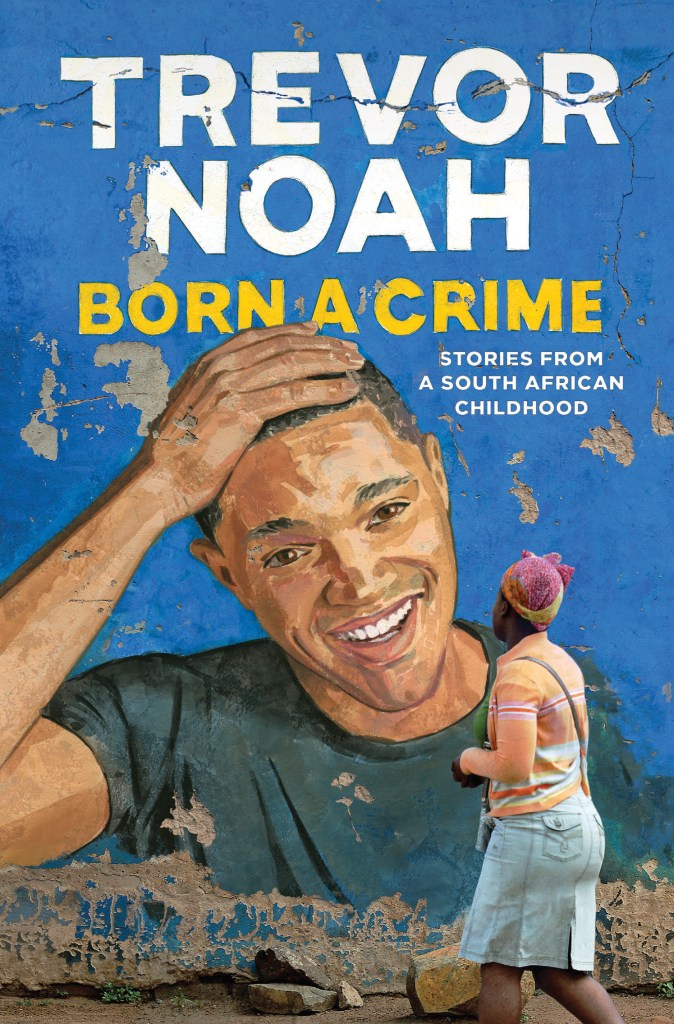
  • 👀 First impressions:
    I picked up Born a Crime expecting a funny memoir from a comedian, but what I found was so much more layered. Trevor Noah blends humour with history, and his personal stories offer a powerful glimpse into the complexities of apartheid-era South Africa. The title alone, Born a Crime, hits hard, a reminder that his very existence as a mixed-race child was illegal under apartheid laws.

    What I Liked:
    Noah’s storytelling is incredibly engaging. Each chapter reads like a standalone short story, yet together they paint a vivid, often harrowing portrait of life under systemic racism. His relationship with his mother, Patricia, is the emotional core of the book, fierce, funny, and deeply inspiring. Her strength and unshakeable faith anchor him, and their bond adds real heart to the memoir.

    His wit shines throughout, even when recounting serious or traumatic events. One moment you’re laughing at his misadventures in dating or hustling CDs, and the next you’re stunned into silence by the brutality of the world he grew up in. This balance , humour without minimising the pain, is rare and expertly handled.

    What I didn’t Like:
    If I had to nitpick, the timeline can be a little disjointed at times. Because the book is structured thematically rather than chronologically, it occasionally jumps around, which might be slightly confusing if you’re looking for a linear narrative. But honestly, this doesn’t detract much from the overall impact.

    📚 Why You Should Read This Book:
    If you want to understand the human impact of apartheid from someone who lived through it — and laugh along the way, this is the book for you. It’s equal parts history lesson, survival story, and tribute to an extraordinary mother. Whether you’re into memoirs, social justice, or just appreciate great storytelling, Born a Crime will move you, challenge you, and stay with you.

    💭 Final Thoughts:
    Born a Crime is a brilliant, moving, and sharply insightful memoir. It’s not just about Trevor Noah’s rise to fame, it’s about survival, identity, injustice, and the unbreakable bond between a mother and son. Whether you’re a fan of his comedy or completely new to his work, this book is absolutely worth reading. It educates as much as it entertains, and it stays with you long after the last page.

    🛍️ Where to buy
    To buy your own copy click HERE

    Final Rating ★★★★★ – Born a Crime earns 5 stars for Trevor Noah’s sharp wit, heartfelt storytelling, and powerful insight into life under apartheid.

  • Photo by Steve Johnson on Unsplash

    Happy Pride Month, dear readers! This What to Read Wednesday is extra special as we shine a spotlight on the incredible indie and self-published LGBTQ+ authors who are creating diverse, authentic stories across every genre. These authors are the heart of our community, crafting tales that represent the full spectrum of queer experiences with passion and authenticity.

    Fantasy & Paranormal Romance

    The Crack at the Heart of Everything by Fiona Fenn
    This book has readers absolutely raving! One enthusiastic reader couldn’t contain their excitement, calling it a must-read. Fiona Fenn is creating waves in the indie fantasy scene.

    Deal with the Devil Duet by G.E. Masters
    A sapphic paranormal/fantasy romance featuring witches, demons, and old gods. This grumpy x sunshine story promises dual POV, forced proximity, and healing from trauma with plenty of spice to plot ratio.

    Indecent by Gwin Savage
    A dark fantasy featuring mortal vampires in an f/f/f polyamory romance. Set at a reform academy, this story includes strangers to lovers, forbidden feeding, and forced proximity with a spicy edge.

    Contemporary & Diverse Romance

    On Silver Shores by V.T. Hoàng
    Features a Black intersex MC who’s a siren needing intimacy to survive, paired with a Sino-Vietnamese love interest who’s a widower finding love again. This grumpy x grumpy romance includes forced workplace proximity and hurt/comfort elements.

    Books by Lizzie B. Brown
    Readers are loving the characters Nix and Poppy from this author’s work. The enthusiasm from fellow authors speaks volumes about the quality of these stories.

    Books by Rochelle Wolf
    Multiple readers are championing this author’s work with genuine excitement. When fellow authors are this enthusiastic about someone’s writing, you know it’s special.

    Romance with Representation

    Elizabeth Lyon’s Collection
    This queer author writes both romance and fantasy, featuring stories with ADHD representation, Down syndrome representation, healing from trauma, and found family themes. Her Hyperion series includes engineered hearts, forbidden love, age-gap romance, and fated mates with mythical creatures.

    Not Good Enough for You & Brewed with Love – Standalones featuring anxiety and depression representation, mother/daughter bonds, small town romance, and happily ever afters.

    Vanessa Kramer’s Multi-Genre Works
    This bisexual author ensures at least one LGBTQ+ character appears in each of her books across multiple genres, providing consistent representation throughout her catalog.

    Dark Romance & Emerging Voices

    Finally Theirs by Arsyn Quinn
    A trans author bringing dark romance with an MFMM plus-size FMC in a why-choose format. This pitch-black book comes with extensive trigger warnings and explores themes of stalkers and serial killers. Perfect for readers who love their romance on the darker side.

    Why Indie LGBTQ+ Authors Matter

    Indie and self-published authors are often the pioneers of authentic LGBTQ+ representation. They’re not bound by traditional publishing constraints and can tell the stories that major publishers might consider “too niche” or “too specific.” These authors are writing from lived experience, creating characters that reflect the true diversity of our community.

    From intersex sirens to trans dark romance authors, from sapphic witches to grumpy x grumpy pairings, these indie authors are expanding what’s possible in queer literature. They’re also building supportive communities—notice how many authors in that thread were enthusiastically recommending each other’s work.

    Supporting Indie Authors

    When you buy from indie authors, you’re directly supporting creators who are often marginalized voices in traditional publishing. Your purchase, review, and word-of-mouth recommendations can make a real difference in an author’s career.

    Many of these authors are active on social media platforms where you can connect with them directly, learn about their writing process, and discover new releases. The queer indie author community is incredibly welcoming and supportive.

    Finding More Indie Gems

    The original thread mentioned an Indie Author Directory where authors can self-identify as LGBTQ+, making it easier to discover new voices. Local events like the KC Book Beat’s Queer Ink gathering (featuring authors like Jonathan Pongratz, A.L. Davidson, Madison Chase, Dan B. Fierce, Hazel Krebs, Sophie Stern, Elle Sparrow, and Joel Barrett) show how vibrant the indie queer author community really is.

    Your Next Indie Discovery

    Ready to support indie LGBTQ+ authors? Start with whichever genre calls to you most. Whether you’re drawn to the fantasy elements in Fiona Fenn’s work, the diverse representation in V.T. Hoàng’s contemporary romance, or the community feel of authors supporting each other, there’s something here for every reader.

    Remember, behind every indie book is an author who chose to tell authentic LGBTQ+ stories, often drawing from their own experiences and community. When you read their work, you’re not just enjoying a great story—you’re supporting artistic freedom and diverse voices.

    Have you discovered any amazing indie LGBTQ+ authors lately? Share your finds in the comments and help build our community reading list!


    Happy Reading and Happy Pride! 🏳️‍🌈

    #PrideMonth #IndieAuthors #LGBTQBooks #WhatToReadWednesday #QueerBooks #IndieBookLove

  • Photo by Xiangkun ZHU on Unsplash

    Imagine waking up after a wild night out, not with a pounding headache and fuzzy memories, but with a lingering ache in your chest, a sense of loss, and an inability to connect with the real world. This isn’t the aftermath of too much alcohol; it’s the signature sensation of a book hangover.

    The Book Hangover: More Than Just Finishing a Story

    For dedicated readers, a book is more than just a collection of words on a page. It’s a portal, a journey, an entire world that we inhabit alongside its characters. We invest our emotions, our time, and a piece of our very selves into the narrative. And when that journey abruptly ends, the landing back into reality can be jarring, disorienting, and sometimes, genuinely painful.

    A book hangover isn’t simply feeling a bit sad that a good story is over. It’s a profound sense of displacement and longing, characterized by several distinct symptoms:

    • The “What Now?” Syndrome: You’ve just spent hours, days, or even weeks immersed in a particular story. Now it’s done. What do you do with yourself? The prospect of starting a new book feels like an act of betrayal, and everyday tasks seem dull and uninteresting.
    • Lingering Emotional Resonance: The emotions evoked by the book – joy, sorrow, anger, fear, love – don’t simply vanish with the turning of the last page. They linger, sometimes for days, making it difficult to fully engage with your current emotional state.
    • Character Withdrawal: You’ve lived alongside these characters, witnessed their triumphs and failures, celebrated their loves, and mourned their losses. Now, they’re gone. It feels like saying goodbye to dear friends, leaving a void in your imaginative landscape.
    • Disorientation with Reality: The real world can feel dull, flat, and less vibrant than the vivid landscapes and compelling dramas you’ve just left behind. Conversations might seem mundane, and your own life might momentarily pale in comparison to the epic tales you’ve just consumed.
    • The Urge to Re-read (But You Can’t): There’s a strong pull to immediately dive back into the book, to recapture that feeling, to spend more time with those characters. However, you know the magic of the first read is irreplaceable.
    • Difficulty Starting a New Book: The thought of embarking on another literary adventure, especially one that might not measure up, can be daunting. You need time to process and grieve before you’re ready to open your heart to a new fictional universe.

    Why Do We Get Them?

    The intensity of a book hangover often correlates with several factors:

    • Emotional Investment: The more deeply you connected with the characters and their plight, the more potent the hangover will be.
    • World-Building: Richly detailed and immersive fictional worlds are harder to leave behind.
    • Thematic Resonance: Books that explore profound themes or challenge your perspectives tend to have a longer-lasting impact.
    • Unexpected Endings: A particularly shocking or poignant ending can amplify the feeling of loss.

    Cures and Coping Mechanisms

    While there’s no instant cure for a book hangover, there are ways to navigate this unique form of literary grief:

    • Acknowledge and Validate: Don’t dismiss your feelings. It’s perfectly normal to feel a sense of loss after finishing a powerful book.
    • Discuss with Fellow Readers: Sharing your experience with others who have read the same book can be incredibly cathartic. Online forums, book clubs, or even just a chat with a friend can help process your emotions.
    • Journal Your Thoughts: Writing down your feelings about the book, its characters, and its impact on you can be a powerful way to process the experience.
    • Seek Out Fan Theories and Discussions: Delving into the broader community surrounding the book can extend the experience and offer new perspectives.
    • Engage in “Transitional” Media: Sometimes, a light TV show, a podcast, or even a different genre of book (like a short story collection) can act as a gentle bridge back to reality without demanding too much emotional investment.
    • Embrace the “Book Hangover Read”: Some readers find comfort in re-reading a beloved comfort book – one that offers familiarity and warmth without the emotional demands of a new story.
    • Take a Break: It’s okay to not pick up another book immediately. Give yourself time to decompress and allow the fictional world to recede.
    • Look for the Next Great Read (When You’re Ready): Eventually, the desire to explore new stories will return. When it does, take your time choosing your next adventure.

    A book hangover, though sometimes uncomfortable, is a testament to the profound power of storytelling. It signifies that a book has truly moved you, stretched your imagination, and left an indelible mark on your soul. So, the next time you find yourself in the throes of one, take a moment to appreciate the journey you’ve just completed – and know that you’re in excellent company.

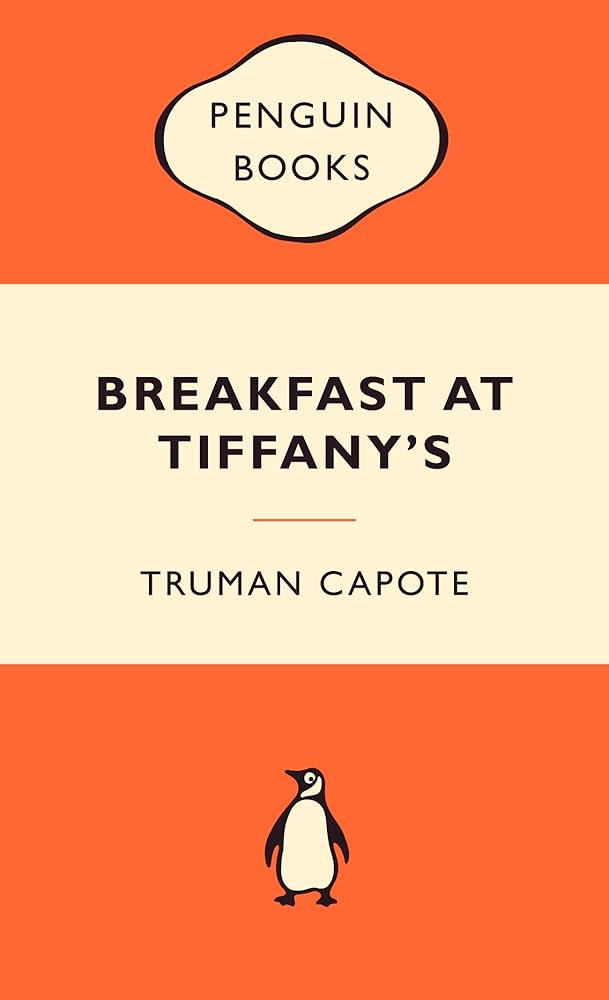
  • Before reading Breakfast at Tiffany’s, my only experience with Truman Capote had been In Cold Blood , a gripping, chilling true crime masterpiece that I absolutely loved. I was curious to see how his style would translate to fiction, especially in something so iconic yet completely different in tone. Originally published in 1958, Breakfast at Tiffany’s is a novella set in 1940s New York, following a young writer’s fleeting friendship with Holly Golightly, a glamorous, elusive party girl with a mysterious past. Through his eyes, we see her world unfold, filled with high-society suitors, smoky bars, and quiet moments of vulnerability behind her polished facade.

    👀 First impressions:
    I expected a charming, light-hearted story (likely influenced by the Audrey Hepburn film), but the book surprised me. Capote’s writing is elegant and emotionally restrained, and the story carries a quiet sadness I hadn’t anticipated. From the opening pages, I was struck by how atmospheric and nostalgic the tone was — more literary character study than romantic caper.

    What I Liked:
    Holly Golightly is endlessly fascinating. Capote creates her as both a symbol and a person, someone who lives untethered by convention but is quietly haunted by her past. I loved how the narrator could never quite pin her down, which made her feel real and complex. The writing is absolutely gorgeous, clean and precise, yet full of warmth and melancholy. Capote manages to say so much with so little, and the themes of identity, longing, and impermanence really resonated with me.

    What I didn’t Like:
    The novella’s brevity left me wanting more, especially in terms of character development and plot. Holly is supposed to be unknowable, but I found myself wishing for just a bit more backstory or resolution. Some of the language and depictions, especially of side characters like Mr. Yunioshi, haven’t aged well and may be uncomfortable for modern readers.

    📚 Why You Should Read This Book:
    If you’ve only ever seen the film, reading the novella will completely reshape your understanding of the story. Capote’s version of Holly Golightly is sharper, sadder, and far more complex than her silver-screen counterpart. This is a story about fleeting connections and the masks we wear, beautifully written and rich with quiet emotion. At under 100 pages, it’s a quick read, but one that lingers. Whether you’re a fan of classic literature, character-driven narratives, or simply appreciate elegant prose, this novella deserves a spot on your shelf.

    💭 Final Thoughts:
    Breakfast at Tiffany’s isn’t a love story, it’s a wistful snapshot of a singular woman and the impression she leaves behind. It’s about longing, loneliness, and the impossibility of truly knowing another person. Though it’s vastly different in tone and subject matter from In Cold Blood, Capote’s sharp observational eye and lyrical prose shine just as brightly here. I didn’t fall in love with Holly, but I was definitely haunted by her.

    🛍️ Where to buy
    To buy your own copy click HERE

    Final Rating ★★★★☆ – Breakfast at Tiffany’s gets 4 stars for its dreamy charm and enigmatic characters, though its emotional core feels just out of reach.

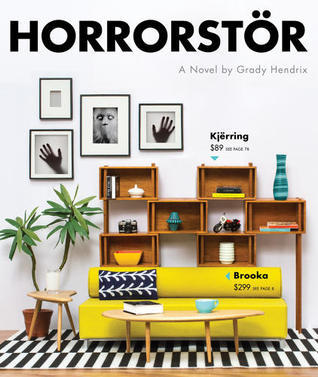
  • Horrorstör by Grady Hendrix, published by Quirk Book

    👀 First impressions:
    I was immediately intrigued by the concept, an IKEA-style furniture store haunted by something sinister? Yes, please. The book’s design also grabbed my attention, formatted like a catalog, it was clever, unsettling, and weirdly immersive. Going in, I expected a quirky horror comedy, and Horrorstör definitely delivered, but it also went much darker than I anticipated.

    What I Liked:
    The setting is easily the star of the show. ORSK, the fictional flat-pack furniture store, is a pitch-perfect parody of IKEA, complete with bizarre product names and cheery corporate jargon. Hendrix does a great job of building a sterile, fluorescent-lit world that slowly warps into something terrifying. The characters, particularly Amy and Basil, develop in interesting and sometimes unexpected ways, and there’s a surprising emotional arc woven into the absurdity.

    The blend of horror and satire is clever. Hendrix takes aim at capitalism, soul-sucking retail jobs, and consumerism without ever becoming too heavy-handed. The horror itself escalates well, from eerie, to grotesque, to full-on psychological torment, and I genuinely didn’t expect some of the imagery to hit as hard as it did.

    What I didn’t Like:
    While the book nails its tone for the most part, the shift from quirky satire to intense horror felt a bit jarring. The middle third in particular dives deep into grim territory, and it was a bit more disturbing than I was ready for, given the humorous setup. Some of the character development feels slightly rushed, especially with the supporting cast, who are more caricatures than fully fleshed-out people.

    Also, if you’re not into horror tropes like body horror or ghost as torturer, there may be parts that feel over the top or uncomfortable.

    📚 Why You Should Read This Book:
    If you’re tired of predictable haunted house stories, Horrorstör offers something fresh and imaginative. It’s a fast-paced read with a memorable setting, a biting critique of retail culture, and a healthy dose of horror that doesn’t hold back. Perfect for fans of genre mash-ups, readers who love books with unique formats, or anyone who has ever worked a soul-crushing retail job and thought, “This place is cursed.” Spoiler alert: maybe it is.

    💭 Final Thoughts:
    Horrorstör is a unique, weird, and surprisingly bleak horror novel with a sharp satirical edge. It’s a love letter to haunted house stories, wrapped in the soul-crushing reality of retail work. While the tonal shift might catch some readers off guard, it’s a bold and original entry in the horror genre that sticks with you long after the last catalog page turns.

    If you like your horror with a side of social commentary and a dollop of absurdity, this one’s worth checking out, just maybe don’t read it after a long shift at work.

    🛍️ Where to buy
    To buy your own copy click HERE

    Final Rating ★★★★☆ – Horrorstör gets 4 stars for its clever concept and creepy retail satire, though the horror leans more fun than truly frightening.

  • Photo by Findaway Voices on Unsplash

    There’s a special kind of person who, unprompted, will crawl out of the woodwork to declare: “Audiobooks don’t count as real reading.”
    Ah yes, the literary gatekeepers. The people who apparently believe that unless your eyeballs are physically dragging themselves across lines of Times New Roman, you’re not actually absorbing a story, you’re just, I don’t know, vibing with noise?

    Let’s break it down.

    The Origin of This Nonsense

    Somewhere between the invention of podcasts and TikTok BookTokers quoting “it starts with a kiss but ends with a knife,” a certain brand of Book Purist™ decided that listening to a story wasn’t pure enough. That it was cheating. That unless you’re highlighting passages and flipping pages like you’re cramming for your A-levels, it just doesn’t “count.”

    Newsflash: this is not the academic decathlon. This is reading for pleasure. And whether I’m devouring a hardcover, swiping through an ebook, or listening to a British narrator voice twelve different characters with Oscar-worthy emotion, guess what? I’m still experiencing the story. I’m still engaging with plot, character development, theme, and emotional destruction. All the good stuff. I’m just doing it while folding laundry. Or walking the dog. Or lying face down on the floor because life is a lot.

    Reading Is Reading. Full Stop.

    If we’re being technical, the human brain doesn’t actually care if you read with your eyes or ears. Processing language through listening activates the same neural networks involved in comprehension and retention as reading text.
    📚 Reference: Daniel Willingham, professor of psychology at the University of Virginia, explains that “listening to an audiobook is not cheating,” because comprehension is similar unless the material is very complex or abstract.

    There are studies that back this up. One study from the University of California, Berkeley, found minimal differences between comprehension via listening and reading when the content was the same.
    📚 Reference: Rogowsky, B.A., Calhoun, B.M., & Tallal, P. (2016). “Does modality matter? The effects of reading, listening, and dual modality on comprehension.” The Journal of Educational Psychology.

    And let’s not even start on how ableist the “audiobooks don’t count” crowd tends to be. For visually impaired readers, people with dyslexia, ADHD, or anyone whose life just doesn’t allow for an hour of silent page-turning a day, audiobooks are a lifeline.
    📚 Reference: The Royal National Institute of Blind People (RNIB) promotes audiobooks as a crucial accessibility tool, and the British Dyslexia Association supports audiobooks as a valid form of literacy engagement.

    Dismissing that isn’t just snobby, it’s exclusionary.

    The Irony? These People Probably Listen to True Crime Podcasts

    The same people who throw a fit about audiobooks “not being real reading” are also ten episodes deep into a podcast about a murder in small-town Ohio. But sure, that’s educational. That’s fine. That’s “different.” 🙄

    What’s the Real Issue?

    Is it jealousy? Maybe they’re mad they didn’t think of syncing an audiobook with their commute and now they’re stuck rereading The Great Gatsby in the bath for the twelfth time. Maybe they secretly enjoy audiobooks but hate that it doesn’t involve annotated margins and a tote bag that says “I’d rather be reading.”

    Or maybe they just enjoy telling people what they can’t do, and audiobooks are their latest victim.

    Let People Enjoy Books

    At the end of the day, the goal is to engage with stories. To learn, to escape, to be moved. How you do that is nobody else’s business. Whether you’re turning pages or pressing play, if you’re immersed in a book, you’re reading. And anyone who says otherwise deserves to be trapped in an endless loop of “How to Win Friends and Influence People” narrated by a sentient robot.

    So next time someone tries to hit you with that “audiobooks aren’t real reading” energy?
    Just smile, press play, and let them live in their paper-only purgatory.

    Sources & Further Reading:

  • Cover of The List by Yomi Adegoke, published by Fourth Estate.

    👀 First impressions:
    I went into The List intrigued by the premise, a couple at the height of their power and popularity brought down by an anonymous online allegation. It promised a collision of cancel culture, feminism, and media, and it definitely delivered a lot to unpack. From the first chapter, I could feel the tension simmering under the surface.

    What I liked:
    The writing is sharp and modern, perfectly capturing the world of influencers, journalists, and social media discourse. Ola and her fiancé Michael are both well-drawn and painfully believable, the kind of characters you want to shake and comfort at the same time. Ola in particular felt complex and nuanced, struggling to hold her values and relationship together as everything crumbles.

    I loved how The List plays with ambiguity, it’s not interested in easy answers, and that’s its strength. It explores how truth, perception, and public opinion can clash in a world where everything is content. The themes of online morality, hypocrisy, and the exhausting performativity of modern relationships were so well handled.

    Also, the structure, with its timeline countdown and shifting perspectives, kept me hooked the whole way through.

    What I didn’t like:
    While the ambiguity was thought-provoking, it may frustrate readers looking for clear resolutions. The pacing dragged slightly in the middle, and there were a few side characters I wanted more from, especially those affected by the titular list. Some sections felt like they could have gone deeper, particularly the long-term implications of the scandal.

    💭 Overall thoughts:
    The List is a gripping and timely novel that brilliantly captures the messiness of modern morality in the digital age. It’s a book that lingers, not because it ties everything up, but because it doesn’t. It raises uncomfortable questions and leaves them echoing. Thoughtful, frustrating, compelling, in all the right ways.

    📚 Why you should read ‘Night Sweats’ by Beau Savage
    If you’re interested in the intersections of media, relationships, activism, and power, this is a must-read. The List feels like a mirror held up to our cultural moment, especially if you live online. Perfect for book clubs, readers who love moral grey areas, or anyone who couldn’t look away from My Dark Vanessa or Such a Fun Age.

    Final Rating  ★★★ 1/2 A sharp and timely read that raises big questions, though the ambiguity and pacing may not work for everyone.

    🛍️ Where to buy – To buy a copy of Night Sweats by Beau Savage visit HERE

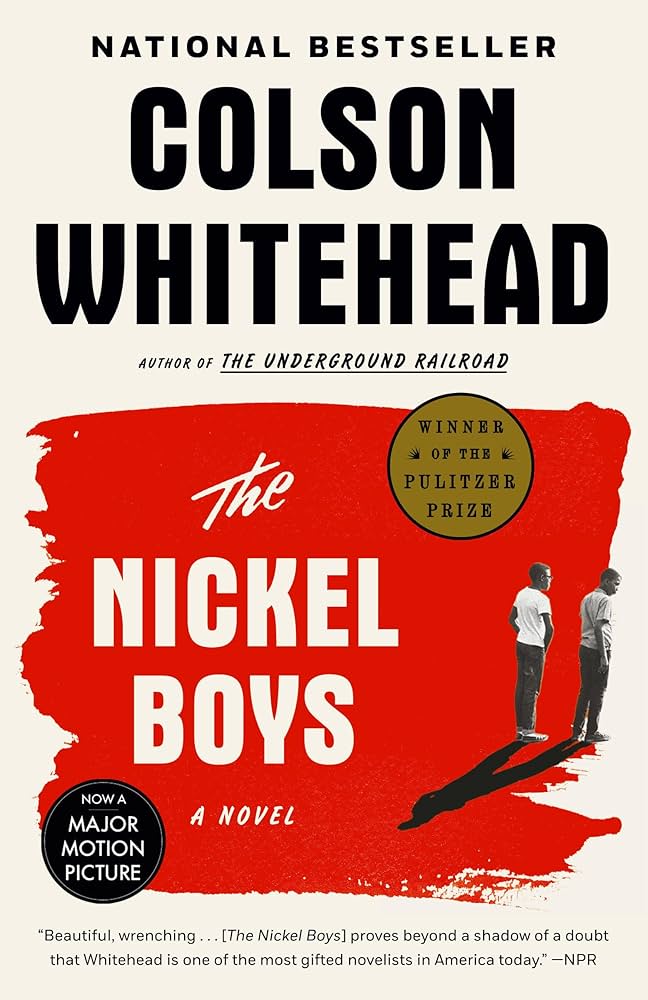
  • Cover of ‘The Nickel Boys’ by Colson Whitehead, published by Anchor

    👀 First impressions:
    I’d heard of The Nickel Boys as one of those modern must-reads, the kind of book that gets mentioned in the same breath as “important” and “unforgettable.” I wasn’t sure what to expect going in, but from the very first chapter, I was hooked by Colson Whitehead’s sharp prose and the quiet tension that runs through every page.

    What I Liked:
    Whitehead’s storytelling is hauntingly elegant. The story of Elwood Curtis, an idealistic Black teenager sent to a brutal reform school in Jim Crow-era Florida, is both deeply personal and powerfully political. The contrast between Elwood’s belief in justice and the grim reality of the Nickel Academy is heartbreaking.

    The novel’s strength lies in its restraint. There’s no sensationalism here, just a slow, devastating unraveling of a system built on cruelty and indifference. Turner, the cynical foil to Elwood’s idealism, is a standout character, and their dynamic is quietly profound. The ending, no spoilers, genuinely took my breath away. It recontextualised the whole novel and made me want to read it again with fresh eyes.

    What I didn’t Like:
    Honestly, very little. The pacing might feel measured to some readers, especially in the first half, but I found it deliberate and purposeful. The horror of Nickel is in its normalisation, and Whitehead captures that with chilling clarity. If you’re looking for fast plot twists, this might not be your kind of book, but if you’re drawn to character-driven stories with emotional weight, it’s exceptional.

    📚 Why You Should Read This Book:
    If you’re looking for a book that will stay with you, this is it. It’s thought-provoking without being overwhelming, emotionally powerful without being sentimental, and it shines a spotlight on a real piece of history that deserves to be known. It’s also incredibly accessible: short in length, but huge in impact. Perfect for readers who appreciate character-driven fiction, real-life inspired stories, and writing that lingers long after the final page.

    💭 Final Thoughts:
    The Nickel Boys is a harrowing but necessary read. It sheds light on a dark chapter of American history while telling a deeply human story of hope, resistance, and the cost of surviving injustice. Colson Whitehead is a master of tone and subtlety, and this book confirms his place as one of the most important voices in contemporary fiction.
    Highly recommended for fans of historical fiction, literary fiction, or anyone ready to be moved and challenged by a powerful story.

    🛍️ Where to buy
    To buy your own copy click HERE

    Final Rating ★★★★☆ – A powerful and heartbreaking story, The Nickel Boys earned 4 stars for its emotional impact and historical significance, though the pacing felt uneven at times.