• Photo by Eleonora Albasi on Unsplash

    A month ago, I hit “publish” on my first blog post with shaking hands and a racing heart. Today, as Minnie’s Fiction Addiction turns one month old, I want to share the real reason I started this blog, and it’s messier and more personal than I ever planned to admit.

    The Books That Saved Me

    I’ve always been a reader, but there was a period in my life when books became something more than entertainment. They became lifelines. Whether I was dealing with personal struggles, feeling isolated, or simply trying to figure out who I was supposed to be, I could disappear into someone else’s story and find pieces of myself I didn’t even know were missing.

    But here’s the thing about loving books the way I do—it can be incredibly lonely. You finish an amazing novel at 2 AM, your heart still pounding from the plot twist, tears on your cheeks from that devastating ending, and there’s no one to call. No one to grab by the shoulders and shake while shouting, “Did you READ that part? How are we supposed to sleep after THAT?”

    The Silence After the Last Page

    I started keeping a reading journal years ago, scribbling down quotes and reactions, but it felt like shouting into the void. I’d discover an author who completely rewrote my understanding of what fiction could do, and I’d have nowhere to put all that excitement, that gratitude, that desperate need to discuss every single detail with someone who understood.

    Social media felt too fleeting, a quick star rating, a photo of a book cover, maybe a sentence or two before the algorithm buried it forever. I wanted space to really dig into why a book mattered, to explore the way certain characters lived in my head for weeks after I closed the cover, to examine why some stories hit differently at different stages of life.

    The Fear of Not Being Enough

    I’ll be honest, I almost didn’t start this blog a dozen times. Who was I to think my opinions mattered? There are already so many brilliant book bloggers out there, people with literature degrees and decades of reading experience. What could I possibly add to the conversation?

    But then I realized I was asking the wrong question. It wasn’t about whether I was qualified enough or smart enough or well-read enough. It was about whether I could find my people, the readers who stay up too late because they “just need to finish this chapter,” who have strong opinions about book-to-movie adaptations, who understand that fictional characters can feel as real as family.

    Building Something Real

    Every time I write a review now, I imagine I’m talking to a friend who asked, “So, what did you think?” I try to be honest about what worked for me and what didn’t, about the books that changed me and the ones that left me cold. I want to create the kind of space I was looking for when I finished those life-changing novels with no one to call.

    Some days I wonder if anyone is really reading, if these words are making their way to people who need them. But then I remember that even if this blog only ever connects me with one other person who feels the same way about books, who understands that reading isn’t just a hobby but a way of being alive in the world, then it’s worth every vulnerable word.

    What Comes Next

    This blog is my attempt to build community around the thing I love most. It’s my way of saying: here are the stories that matter to me, here’s why they matter, and I hope they might matter to you too. It’s my invitation to anyone who has ever felt changed by a book to come sit with me and talk about it.

    So thank you for being here, for reading along, for caring about stories the way I do. Whether you’ve been here since day one or you’re just discovering this little corner of the internet, you’re part of what makes this space feel less like shouting into the void and more like having the best kind of conversation, the kind that goes on for hours and leaves you feeling less alone in the world.

    Here’s to month two, and to all the books still waiting to be discovered.

    What’s the book that made you feel less alone? I’d love to hear about it in the comments.

  • This What to Read Wednesday we’re spotlighting powerhouse women from across Australia, authors who are shaping fiction, challenging norms, and crafting unforgettable stories in every genre. From outback thrillers to speculative allegories, here’s your essential reading list featuring one incredible Aussie woman per category.

    Big thanks to @madisonrosebooks for the inspiration for this week’s post!

    🔪 Crime/Thriller: Jane Harper

    Read: The Dry
    Jane Harper writes rural noir like no one else. The Dry is a slow-burn mystery set in a drought-stricken town where past and present collide. Her vivid sense of place, and restrained suspense, make her a go-to for fans of intelligent, atmospheric thrillers.

    💕 Romance: Sally Thorne

    Read: The Hating Game
    Canberra-born Sally Thorne broke the internet with her sparkling enemies-to-lovers debut. The Hating Game is funny, sexy, and endlessly quotable, a must-read for rom-com lovers.

    🌍 Literary Fiction: Melissa Lucashenko

    Read: Too Much Lip
    A Goorie woman of Bundjalung heritage, Lucashenko writes with humour, grit, and rage about injustice, identity, and survival. Too Much Lip is fierce, funny, and deeply political, and it won the 2019 Miles Franklin Award for good reason.

    🌿 Indigenous Literature: Tara June Winch

    Read: The Yield
    Tara June Winch’s The Yield is a luminous novel about language, culture, and reclamation. It follows the story of a Wiradjuri man who leaves behind a dictionary of his language, and the granddaughter who must piece together what’s been lost. Essential reading that’s as beautiful as it is important

    🧙 Fantasy: CS Pacat

    Read: Dark Rise
    From the bestselling author of the Captive Prince trilogy comes a queer YA fantasy packed with hidden powers, ancient battles, and morally grey characters. CS Pacat, born in Melbourne, crafts fantasy that’s lush, sharp, and full of twists.

    🚀 Sci-Fi/Speculative: Claire G. Coleman

    Read: Terra Nullius
    A Noongar author, Coleman reimagines Australia’s colonial past through the lens of speculative fiction. Terra Nulliusstarts out feeling like dystopian sci-fi, only to shift into something far more profound, a must-read for fans of allegory and activism.

    👻 Gothic/Horror: Kirsten McDougall (honourable Kiwi-Aussie mention)

    Read: She’s a Killer
    Although from Aotearoa, McDougall’s eerie eco-fiction is widely read in Australia. She’s a Killer blends horror, black comedy, and climate crisis commentary into one genre-defying ride.s

    📌 Bonus: Where to Find More

  • Photo by Igor Omilaev on Unsplash

    Artificial intelligence is no longer confined to the realm of tech, it’s increasingly embedded in the world of books. From writing assistants to AI-generated cover art and machine-narrated audiobooks, the influence of AI in publishing is impossible to ignore. But as this trend accelerates, so too does the criticism. While some hail AI as a tool for creative empowerment, others see it as a shortcut that dilutes authenticity, exploits artists, and poses serious ethical and environmental questions.

    Writing with Machines: A Creative Shortcut?

    Tools like ChatGPT, Sudowrite, and Jasper are now commonplace among indie authors. Some use them to overcome writer’s block or quickly produce outlines and blurbs. A smaller but growing number rely on these tools for bulk content generation, sometimes pushing out entire novels in a matter of weeks.

    But this convenience comes with a cost. Stories written, or co-written, by AI often lack emotional nuance and thematic depth. Readers can spot the difference. “It just feels empty,” one popular Threads user wrote about a Kindle-published novella they suspected was AI-generated. The prose may be grammatically perfect, but it’s missing the spark that makes writing feel human.

    AI Cover Art: Judging a Book Before the First Page

    One of the first signs that a book might have been created with AI? The cover. AI-generated book covers have flooded self-publishing platforms, often featuring uncanny facial expressions, distorted hands, or oddly generic landscapes. While some look polished at a glance, readers are increasingly trained to spot the tell-tale signs, and it’s putting them off.

    For many readers, an AI-generated cover signals that the book inside might be equally synthetic. This perception creates a credibility gap that can hurt genuine authors who use AI minimally or ethically. Meanwhile, artists and designers are losing commissions as publishers and authors turn to cheap, instant solutions.

    The Environmental Cost of “Effortless” Creation

    Behind the illusion of AI’s speed and simplicity lies an inconvenient truth: training and operating large language models like GPT consumes vast amounts of energy. A study from the University of Massachusetts Amherst estimated that training a single AI model can emit more than 626,000 pounds of CO₂ equivalent, roughly the same as five cars over their lifetimes (Strubell et al., 2019).

    This environmental impact rarely enters the conversation in the writing community, but it should, especially when AI is being used to mass-produce content that may never be meaningfully read. Are we creating more stories than the world has time to absorb, at the cost of the planet?

    Authenticity, Ethics, and the Reader’s Trust

    The heart of the criticism is this: AI disrupts the emotional contract between writer and reader. Readers invest time and money in the promise that someone has laboured over a story with care and intention. When that connection is broken, when the words feel algorithmically assembled, trust erodes.

    Additionally, AI-generated content often relies on data scraped from human-created works, raising serious questions about originality and copyright. Laws are still catching up, but organisations like the Authors Guild and Society of Authors have issued statements urging creators to disclose AI use and calling for legislative protection (Authors Guild).

    Conclusion: Useful Tool, Not a Creative Replacement

    There’s no denying that AI has some valuable use cases in publishing. It can assist with brainstorming, accessibility (especially via audiobook narration), and even help neurodivergent writers organise their ideas. But it should not, and cannot, replace the soul of storytelling.

    The challenge moving forward is not to banish AI entirely, but to use it responsibly. That means crediting it, limiting its scope, and staying honest with readers. In an age where books can be generated at the click of a button, perhaps the greatest act of creativity is slowing down, and writing something only a human could write.

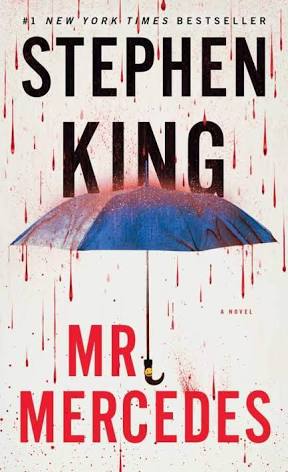
  • Cover of Mr Mercedes by Stephen King, published by Simon & Schuster

    Mr. Mercedes kicks off Stephen King’s Bill Hodges trilogy with a gripping blend of crime, suspense, and psychological tension. The story begins with a horrific act: a stolen Mercedes ploughs into a crowd of jobseekers, killing eight. The case goes cold, until retired detective Bill Hodges receives a cryptic letter from someone claiming to be the killer. Suddenly pulled out of his post-retirement slump, Hodges finds himself in a deadly game of cat and mouse with a disturbed and brilliant killer. As the chase escalates, so do the stakes, and Hodges isn’t the only one in danger.

    👀 First Impressions:
    I’ve been meaning to dive deeper into Stephen King’s work beyond the classic horror, and Mr. Mercedes felt like the perfect entry point, and it absolutely delivered. This book had me hooked from the chilling prologue to the explosive finale. I wasn’t expecting it to feel so grounded, and I loved the shift into crime thriller territory while still carrying King’s signature tension and depth.

    What I Liked:
    The plot is tight and incredibly satisfying. It’s more of a slow burn than some of King’s other work, but it builds with purpose and delivers some brilliant moments of dread and suspense. The chapters from the killer’s perspective are especially chilling, King gets into the mind of a psychopath with terrifying clarity.

    I also really enjoyed the characters. Bill Hodges is instantly likeable, a flawed, retired cop who finds new purpose in the case. The supporting cast, especially Holly and Jerome, add colour, humour, and humanity. Their dynamic brings a nice balance to the darker themes, and I can already tell I’ll love following them through the rest of the trilogy.

    What Didn’t Work for Me:
    It’s a solid read with far more highs than lows.

    💭 Overall Thoughts:
    Mr. Mercedes is a clever, character-driven thriller that proves Stephen King is just as masterful outside of the horror genre. It’s tense, thoughtful, and surprisingly heartfelt in places. If you’re new to King or looking for a gripping series to dive into, this is a fantastic place to start. I can’t wait to pick up the next book in the trilogy.

    🛍️ Where to buy:
    To grab your own copy of Mr Mercedes visit HERE

    Final Rating ★★★★☆ – Mr. Mercedes gets 4 stars for its gripping cat-and-mouse tension and compelling characters, though it leans more thriller than classic King horror.

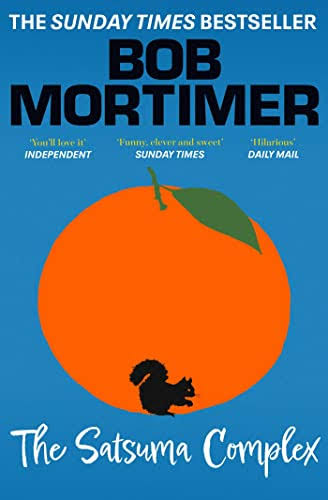
  • Gary Thorn, a disenchanted legal assistant living a quiet, unremarkable life in London, finds his routine disrupted after a drink at the pub with a work acquaintance turns into something much stranger. When he meets a mysterious woman (over a shared satsuma, no less) and she disappears shortly afterward, Gary is drawn into an offbeat mystery that takes him well outside his comfort zone. What follows is a quirky, meandering mix of investigation, introspection, and awkward encounters — all told through Mortimer’s unmistakably oddball lens.

    👀 First Impressions:
    I was really curious to read this one — I love Bob Mortimer’s humour and surreal storytelling from his TV appearances, and the idea of a mystery novel with his signature voice was too intriguing to resist. The cover and blurb promised something unusual, and the title alone had me smiling. I expected eccentricity and laughs, which the book definitely delivers in parts.

    What I Liked:
    Bob Mortimer’s unique voice shines through — it’s charmingly bizarre and oddly poetic at times. There are some genuinely funny moments, and the inner voice of Gary (and his imaginary conversations with a squirrel) adds a surreal, whimsical edge. The dialogue often has a dry, British wit that made me chuckle, and the observational humour about modern life and loneliness is well done.

    There’s also a warmth beneath the quirk — Gary is a likeable, slightly lost character, and you can sense Mortimer’s affection or him. Fans of his comedy will likely enjoy the familiar tone and pacing.

    What Didn’t Work for Me:
    The plot was, frankly, a bit thin and uneven. It meanders quite a lot, and the central mystery felt secondary to the oddball tangents and musings. That’s fine if you’re in it for character and vibe, but I found myself wanting a bit more narrative drive. The pacing slows down significantly in the middle, and some parts felt like they were trying to be more profound than they really were.

    Also, if you’re not already on board with Mortimer’s surreal humour, the book may feel more baffling than charming. It often reads more like a collection of thoughts than a structured novel.

    💭 Overall Thoughts:
    The Satsuma Complex is a quirky, gentle read with a lot of personality — but it won’t be for everyone. It’s more of a character piece than a mystery, and its oddball charm wears a little thin if you’re hoping for a strong plot. That said, if you enjoy Bob Mortimer’s unique brand of humour and don’t mind a meandering story, it’s a pleasant, occasionally hilarious ride.

    🛍️ Where to buy:
    To buy your own copy of The Satsuma Complex visit HERE

    Final Rating ★★★ 1/2 – The Satsuma Complex gets 3.5 stars for its offbeat charm and dry humour, though the plot meanders and lacks real urgency.

  • Barter Books, Alnwick
    photo by Ian Campbell

    Step inside a bookshop where time slows, stories hum through the walls, and the gentle clatter of a model railway overhead brings unexpected delight. Welcome to Barter Books, one of the UK’s most treasured independent bookstores, housed in a converted Victorian railway station in the heart of Alnwick, Northumberland.

    More than just a shop, Barter Books is an experience.

    The Soul of a Railway Station, the Heart of a Reader

    Founded in 1991 by Mary and Stuart Manley, Barter Books lives in the old Alnwick station, a grand yet inviting building complete with original architecture, high arched windows, and iron pillars. Where once passengers bustled for trains, readers now roam aisles of well-loved paperbacks, vintage hardbacks, and rare editions.

    The shelves stretch endlessly, broken up by comfy chairs, roaring fireplaces, and even a small toy train that whirrs overhead along suspended tracks.

    “You come in for one book and leave with six, and you don’t regret it,” says longtime customer Jane M., who’s been bartering here since the 90s. “It’s book heaven.”

    Books for Books: The Barter System

    What makes Barter Books truly stand out is its still-active barter system. Bring in your used books and receive store credit to put toward future purchases. It’s a fair, flexible way to keep books circulating—and customers love it.

    “I cleaned out my dad’s attic and brought in three boxes of old books,” said one visitor. “Not only did I get credit, but I found a first-edition Agatha Christie while browsing. That’s the kind of magic this place has.”

    Even if you’re not bartering, the selection is vast and affordably priced, with genres from sci-fi and fantasy to biographies, cookbooks, and local history.

    The Writers’ Mural: A Literary Masterpiece

    One of the most iconic and beloved features of Barter Books is the Writers’ Mural, painted by artist Peter Dodd. Spanning a wall near the café, this striking mural features life-sized portraits of 33 of the world’s most influential writers, ranging from Shakespeare and Austen to Tolkien and Orwell, gathered as if in conversation.

    Each figure is painted with careful detail, and literary fans can easily lose track of time admiring the mural, trying to spot their favourites or discover someone new. The mural acts like a literary Mount Rushmore, an homage to the greats, gazing over the bookshop like guardians of the craft.

    “It gave me goosebumps the first time I saw it,” said one visitor. “You can feel the reverence for literature in every brushstroke.”

    Barter Books has even provided guides to help visitors identify each figure, because this mural isn’t just beautiful, it’s deeply educational and inspiring.

    Where ‘Keep Calm and Carry On’ Was (Re)Born

    One of Barter Books’ most famous stories is its rediscovery of the “Keep Calm and Carry On” poster. In 2000, the owners found an original copy tucked in a box of books they’d purchased. They framed it and hung it near the till, where it caught customers’ eyes, and then caught the world’s imagination. The now-iconic design has since become a global symbol of resilience, all starting from this quiet corner of Northumberland.

    Not Just a Bookshop

    Barter Books is more than a place to buy books—it’s a destination. The in-store café, The Station Buffet, serves hearty soups, baked goods, and tea in generous mugs. There’s a dedicated children’s room, a toy corner, and plenty of space to linger. Dogs are welcome, Wi-Fi is not, and that’s part of the charm.

    Poetry lines the walls. Literary quotes decorate the arches. In every corner, there’s a sense that this is a place where books matter, and where people matter, too.

    “We arrived on a rainy afternoon with no plans. We ended up spending three hours here,” recalled a travelling couple. “It was the highlight of our trip.”

    Why It Matters

    In a world of big-box retailers and algorithm-driven recommendations, Barter Books stands for something different. It values human connection, the thrill of discovery, and the quiet joy of finding a book you didn’t know you needed.

    It’s independent in spirit and local in soul, but its reach is global, with visitors travelling from around the world to experience it.

    If you find yourself in Northumberland, or even if you don’t, it’s worth the trip

    📍 Barter Books
    The Station, Alnwick, Northumberland NE66 2NP
    Open seven days a week
    www.barterbooks.co.uk

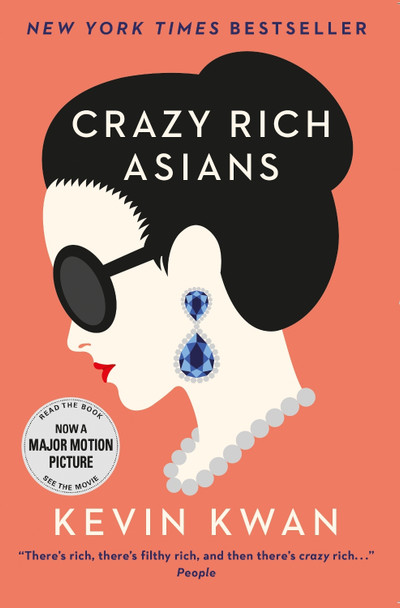
  • cover of ‘Crazy Rich Asians’ by Kevin Kwan, published by Corvus


    When Rachel Chu agrees to spend the summer in Singapore with her boyfriend, Nicholas Young, she expects a humble family visit. What she doesn’t know is that Nick is the heir to one of Asia’s richest and most secretive dynasties — and that she’s about to be thrust into a glittering world of private jets, couture wardrobes, and high-stakes gossip. As Rachel tries to navigate the whirlwind of old money, family expectations, and jealous rivals, she discovers that love doesn’t always come without a price tag.

    👀 First Impressions:
    I picked this up expecting a light, glossy romcom — and while it is wildly entertaining and full of outrageous wealth, it’s also sharper and more layered than I anticipated. From the first few chapters, I was swept up in the opulence, drama, and deliciously over-the-top characters. It’s like Gossip Girl meets Pride and Prejudice, set in a world most of us can only dream (or gawk) at.

    What I Liked:
    The satire is pitch-perfect. Kevin Kwan doesn’t just show us the world of the ultra-wealthy — he skewers it with wit and precision. The descriptions are vivid and hilarious, and the footnotes sprinkled throughout add a fun, snarky commentary on Asian culture, fashion, and food. Rachel is a relatable anchor amid the chaos, and I loved how her quiet strength contrasted with the high-drama antics around her.

    The supporting cast is also a highlight — especially Astrid, who adds elegance and emotional depth to the story. Her subplot could be a novel in itself. And then there’s Eleanor, Nick’s mother — a formidable figure who could give Lady Catherine de Bourgh a run for her money.

    What Didn’t Work for Me:
    The sheer number of characters and family branches can be overwhelming at first. A family tree at the beginning would have been helpful (and thankfully, it’s included in later editions). At times, the sheer extravagance does threaten to overshadow the emotional core — but then Kwan pulls it back with just the right touch of heart or humor.

    💭 Overall Thoughts:
    Crazy Rich Asians is a fabulously fun, fast-paced novel that blends soap opera drama with biting social commentary. It’s smart, stylish, and surprisingly insightful about love, class, and identity. Whether you’re in it for the fashion, the romance, or the family feuds, there’s something here to enjoy. I’ll definitely be continuing the series.

    🛍️ Where to buy:
    To buy your own copy of Crazy Rich Asians visit HERE

    Final Rating ★★★★☆ – Crazy Rich Asians earns 4 stars for its dazzling extravagance, sharp social satire, and addictive drama, though some characters feel more style than substance.

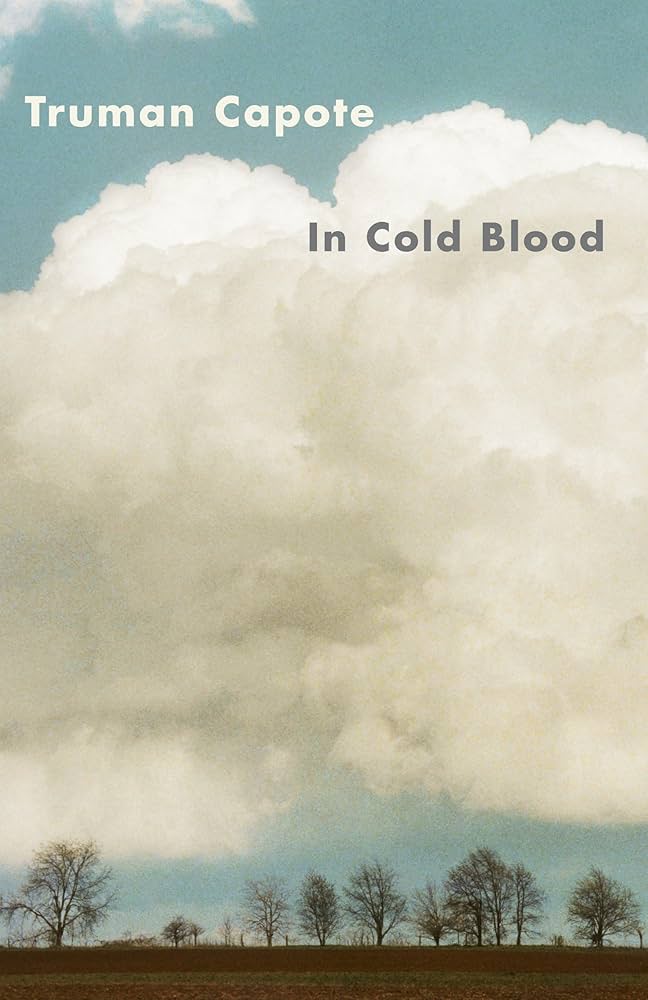
  • In Cold Blood by Truman Capote, published by Vintage

    First published in 1966, In Cold Blood is Truman Capote’s groundbreaking “nonfiction novel” that reconstructs the brutal 1959 murder of the Clutter family in rural Kansas. Through meticulous research, Capote pieces together the events leading up to the crime, the aftermath, the manhunt for the killers , Perry Smith and Dick Hickock, and their eventual trial and execution. What sets the book apart is Capote’s literary style, which reads with the suspense of a thriller but remains grounded in fact, blurring the line between journalism and storytelling.

    👀 First Impressions:
    This book has been on my to-read list for years, and I finally picked it up while on holiday, and I couldn’t have chosen a better time. From the opening pages, I was hooked. The quiet dread Capote builds is masterful. I knew what the book was about, but I wasn’t prepared for how immersive and unsettling it would feel. It’s a slow burn in the best way, and reading it while away from home somehow made the story even more haunting.

    What I Liked:
    Everything. Capote’s writing is razor-sharp and atmospheric, he captures both the stillness of rural Kansas and the psychological complexity of the people involved. His portrayal of the killers, especially Perry Smith, is chilling and strangely empathetic without ever excusing the horror of their actions. The level of detail is astonishing, yet it never drags; each layer adds to the tension.

    What really impressed me was how Capote managed to create such a compelling narrative while sticking to the facts. The emotional weight of the book comes not from melodrama, but from the starkness of reality and the humanity he reveals in both the victims and the perpetrators.

    What Didn’t Work for Me:
    Honestly, very little. If anything, some parts are deeply uncomfortable, but they’re meant to be. This isn’t an easy read, and nor should it be. It’s not just a true crime story; it’s a reflection on violence, justice, and the fragility of ordinary life.

    Overall Thoughts:
    In Cold Blood deserves its reputation as a classic. It’s disturbing, elegantly written, and endlessly thought-provoking. I can see why it changed the landscape of true crime writing, and why it still resonates decades later. I’m glad I finally made time for it. It’s a book that lingers long after you’ve finished, and one I know I’ll return to again.

    🛍️ Where to buy:To buy your own copy of In Cold Blood visit HERE

    Final Rating ★★★★★ – In Cold Blood gets 5 stars for its haunting prose, meticulous detail, and masterful blend of journalism and storytelling.

  • What to Read Wednesday: Mental Health Awareness Month Edition

    May is National Mental Health Awareness Month, a time to shine a light on the importance of mental well-being and to celebrate stories that explore the highs, lows, and everything in between. This week, we’re recommending books across a range of genres that sensitively (and sometimes humorously) tackle mental health themes. Whether you love romance, thrillers, memoirs, or YA, there’s something here to make you feel seen, or simply to open your eyes.

    📚 1. Contemporary Fiction: Eleanor Oliphant Is Completely Fine by Gail Honeyman

    Meet Eleanor: quirky, regimented, socially awkward, and deeply lonely. Honeyman’s debut is a masterclass in portraying isolation and trauma with compassion and gentle humour. It’s a hopeful, tender journey of healing that doesn’t shy away from the hard stuff.

    🔍 2. Thriller: The Silent Patient by Alex Michaelides

    Alicia Berenson hasn’t spoken since the night she shot her husband. As a psychotherapist digs into her past, the story explores themes of trauma, repression, and the complexities of therapy. A psychological thriller that earns its genre and still makes space for mental health exploration.

    ❤️ 3. Romance: The Flatshare by Beth O’Leary

    It’s a love story, yes, but one where anxiety, trauma, and recovery are front and centre. Leon and Tiffy’s flatshare arrangement turns into something deeper, and O’Leary handles past emotional abuse and PTSD with a gentle, affirming touch.

    🙍🏽‍♀️ 4. Young Adult: Turtles All the Way Down by John Green

    No sugar-coating here, this is an unflinching dive into the mind of a teen living with OCD. Green brings authenticity and empathy to a narrative that doesn’t offer easy answers, but does offer solidarity.

    ✍️ 5. Non-Fiction / Memoir: Maybe You Should Talk to Someone by Lori Gottlieb

    Therapist-turned-author Lori Gottlieb lets readers peek behind the curtain, not just into the therapy room, but into her own life. Funny, poignant, and painfully real, this one reminds us that healing is messy and growth never looks how we expect it to.

    🦄 6. Fantasy: The Midnight Library by Matt Haig

    What if you could explore all the lives you could have lived? Haig’s novel offers a speculative take on depression, regret, and the meaning of happiness. It’s philosophical, comforting, and quietly powerful.

    Final Thoughts

    Reading about mental health can be both validating and eye-opening. Whether it’s through laughter, tension, tears, or magic, these stories remind us that mental health is part of every story, sometimes front and centre, sometimes in the background, but always worth talking about.

    What are your favourite books that explore mental health? Let me know in the comments or tag me in your #WhatToReadWednesday posts!

  • Photo by Peter Cordes on Unsplash

    Edinburgh isn’t just Scotland’s capital; it’s a living, breathing character in the world of literature. Few cities can claim such a rich literary heritage and even fewer can claim to look like a novel come to life. From its medieval Old Town to the elegant Georgian New Town, Edinburgh’s streets, closes, and landmarks have inspired authors for centuries and become the backdrop for countless stories.

    In this article, we’ll explore why Edinburgh has become such a popular setting in books and spotlight a few notable titles you can read to experience the city through fiction.

    Why Edinburgh Captivates Writers

    Edinburgh is a city of contrasts: brooding, cobbled alleyways sit beside grand neoclassical terraces; an extinct volcano looms beside glittering modern glass buildings; and centuries of bloody history echo just beneath the surface of its thriving arts and festival scene. Add in the city’s long association with education, philosophy, and publishing, and you have a place that practically demands to be written about.

    In fact, Edinburgh was the first city ever designated a UNESCO City of Literature, a title it wears with pride.

    Famous Books Set in Edinburgh

    Here are just a few standout titles that transport readers into Edinburgh’s atmospheric streets:


    1. The Strange Case of Dr Jekyll and Mr Hyde by Robert Louis Stevenson
    Although Stevenson’s novella never explicitly names Edinburgh, it’s widely accepted that his hometown inspired the shadowy, divided world of Jekyll and Hyde. The city’s split personality — Old Town versus New Town and its history of respectable facades hiding dark secrets mirror the themes of the book.


    2. The Inspector Rebus Series by Ian Rankin
    If you want a gritty, contemporary tour of Edinburgh, look no further than Ian Rankin’s bestselling crime novels. Detective John Rebus prowls pubs, tenements, and dark corners of the city while unraveling its underworld. Rankin’s Edinburgh is complex and layered, showing both the beauty and the corruption beneath.


    3. One Day by David Nicholls
    This bestselling love story follows Emma and Dexter over twenty years, with pivotal scenes set during their university days in Edinburgh. It captures the city through the eyes of youth, romance, and missed opportunities, making it a bittersweet love letter to student life in Scotland’s capital.


    4. Knots and Crosses by Ian Rankin
    The first book in the Rebus series deserves its own mention because it not only launched Rankin’s career but also helped establish Edinburgh as a modern noir setting. If you’re new to Edinburgh-based crime fiction, this is a great place to start.


    5. Harry Potter Series by J.K. Rowling
    While not set in Edinburgh, the city played a huge role in the creation of the series. Rowling famously wrote parts of Harry Potter in Edinburgh cafés like The Elephant House, and fans flock to the city to visit locations that supposedly inspired Hogwarts, from the dramatic spires of George Heriot’s School to the eerie gravestones in Greyfriars Kirkyard.


    Walking the Fictional Edinburgh

    One of the best things about reading books set in Edinburgh is that you can actually walk through the scenes. You can visit the atmospheric closes off the Royal Mile, sip whisky in the pubs Rebus drinks at, or stand on Arthur’s Seat imagining characters like Emma and Dexter in One Day.

    For the literary tourist, Edinburgh is more than just a city, it’s a layered story waiting to be uncovered, page by page, street by street.

    Bookshops to Visit in Edinburgh

    No literary pilgrimage to Edinburgh would be complete without stepping into some of its iconic bookshops — places that capture the city’s love of words as much as its streets do.

    1. Armchair Books
    A treasure trove for second-hand book lovers, Armchair Books in the West Port area is like walking into a literary labyrinth. Its towering shelves, cosy atmosphere, and slightly chaotic charm make it a favourite among locals and visitors alike. It’s the kind of shop where you can lose hours browsing everything from classic literature to obscure finds.

    2. Topping & Company Booksellers
    Located on Blenheim Place, this independent bookshop feels like a grand reading room. With rolling ladders, armchairs, and endless shelves, Topping & Co. hosts regular author events and serves complimentary tea and coffee while you browse, making it a perfect spot for bookworms to linger.

    3. Golden Hare Books
    Tucked away in Stockbridge, this award-winning independent bookstore is known for its curated selection of beautiful books and its strong focus on design, fiction, and children’s literature. The friendly staff and artistic displays make it feel more like an art gallery for books.

    4. Lighthouse Bookshop
    A fiercely independent, queer-owned radical bookshop in the Southside, Lighthouse champions progressive ideas, diverse voices, and social change. Their shelves are packed with thought-provoking titles, and they regularly host inclusive events, making it a vibrant hub for open-minded readers.

    5. Blackwell’s Edinburgh
    Right in the heart of the university area, Blackwell’s is an academic staple but offers much more than textbooks. It has a wide-ranging fiction section, a knowledgeable team of booksellers, and plenty of space to explore, a great all-rounder for book lovers visiting the city.

    Whether you’re looking for a rare edition, a fresh literary voice, or simply a quiet corner to get lost in a story, Edinburgh’s bookshops are as much a part of its literary landscape as the books themselves.

    Final Thoughts

    Whether you’re a fan of gothic horror, gripping detective stories, romantic dramas, or magical worlds, Edinburgh offers something for every kind of reader. It’s no wonder so many authors have turned to this remarkable city for inspiration and no wonder readers around the world keep returning to it through the pages of their favourite books.

    So next time you’re looking for a destination to explore (either by foot or by fiction), make sure Edinburgh is at the top of your list. After all, few cities wear the title City of Literature so well.