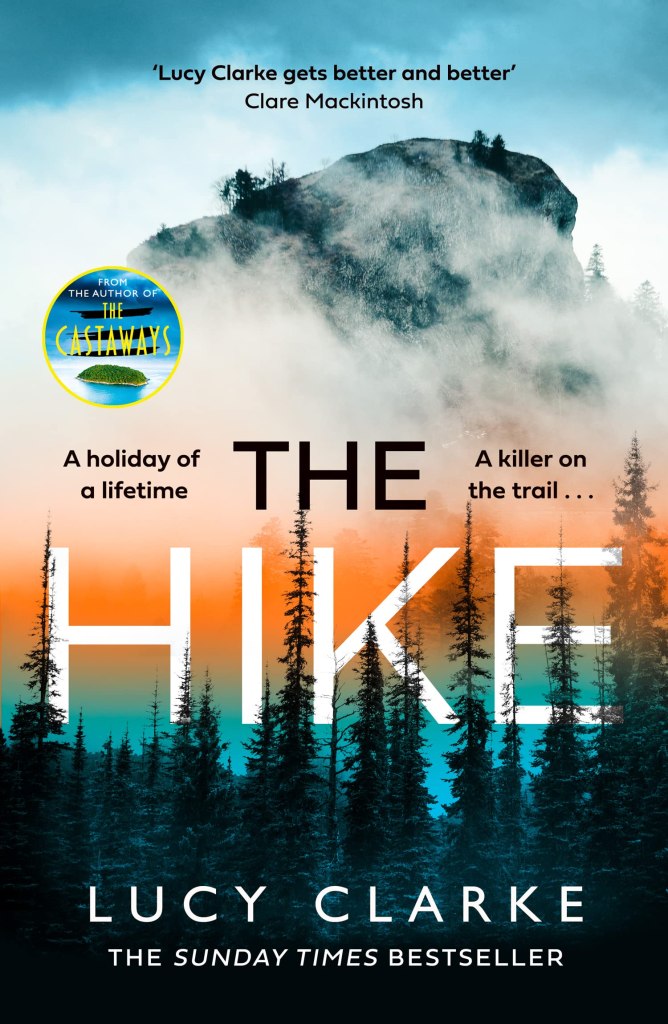
Cover of The Hike by Lucy Clarke, published by Harper Collins
Four long-time friends, Maggie, Liz, Helena, and Joni, set out on a hiking adventure in Norway to reconnect and escape their busy lives. But the beautiful landscape soon becomes a dangerous setting as tensions rise, secrets emerge, and one of them goes missing. What follows is a tense, emotional journey where survival and truth become intertwined.
👀 First Impressions: The Hike immediately drew me in with its premise: four friends on a hiking trip in the Norwegian wilderness that quickly turns into a survival nightmare. I was excited to see how Lucy Clarke would weave together suspense, friendship, and the rugged setting. The tension between the characters was clear early on, and the isolated backdrop promised plenty of drama and danger.
✅ What I Liked: The setting is absolutely stunning, Clarke really excels at creating a vivid, atmospheric world, and I felt the chill of the mountains and the sense of isolation throughout. There were some great tense moments as the group dynamics started to fracture, and the mystery of the missing friend kept me engaged. I also appreciated the themes of loyalty, betrayal, and the complicated nature of long-term friendships.
❎ What Didn’t Work for Me: I didn’t connect with the characters as much as I’d hoped. Their decisions sometimes felt frustrating, and while there were some solid twists, a few moments felt predictable. The pacing also dragged in places, which took away some of the suspense.
📚 Why You Should Read The Hike by Lucy Clarke: If you enjoy thrillers with an atmospheric setting, tangled friendships, and emotional undercurrents, The Hike is a solid choice. Lucy Clarke delivers a story that balances suspense with character-driven drama, making it perfect for fans of domestic thrillers and survival tales. It’s a great pick if you want something absorbing but not too heavy.
💭 Overall Thoughts: The Hike is an ideal holiday book, it’s gripping enough to hold your attention on the beach or during a long flight, but light enough that you can easily dip in and out of it between activities. While it wasn’t a standout thriller for me, it’s still an enjoyable read for fans of twisty, female-led suspense stories set against an evocative backdrop. A solid 3-star read.
🛍️ Where to buy: To grab your own copy of ‘The Hike’ by Lucy Clarke visit HarperCollins HERE
Final Rating: ★★★☆☆½ Atmospheric and tense with a great setting, though some character choices and pacing issues held it back from being truly standout.
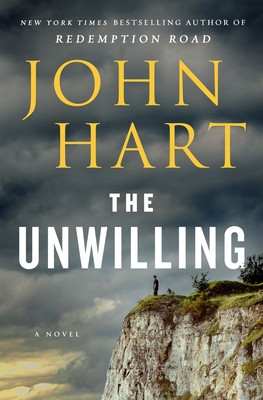
Cover of The Unwilling by John Hart, published by St Martins Press
The Unwilling is a gripping mix of family drama, crime, and coming-of-age tension set in 1970s North Carolina. The story follows Gibby, a teenager caught between his grieving parents and his older brother Jason, who’s just returned home from prison after serving in Vietnam. As Gibby is drawn into Jason’s dangerous world, a violent murder pulls the family into a storm of suspicion, betrayal, and buried secrets.
👀 First Impressions: From the opening pages, Hart hooks you with his dark, moody atmosphere and complex characters. The tension between the brothers, the heavy shadow of grief, and the ever-present threat of violence pulled me right in.
✅ What I Liked: The writing is stunning, atmospheric and raw without ever feeling overdone. The emotional depth of the characters, especially Gibby, makes this more than just a crime novel, it’s also a moving story about loyalty, loss, and what it means to grow up. The pacing kept me turning pages late into the night, and the balance between family drama and gritty suspense was perfectly done.
❎ What Didn’t Work for Me: Honestly, very little. It’s dark and intense, so it may not suit every reader, but for me, that emotional weight made it even more powerful.
💭Overall Thoughts: As a longtime fan of John Hart, with Down River being one of my all-time favorites, I went into this expecting greatness, and it absolutely delivered. Honestly, if it’s a John Hart novel, you can count on it being a good book. The Unwilling is beautifully written, haunting, and packed with both suspense and heart. Highly recommended.
📚 Why You Should Read This: If you love crime novels with real emotional depth, this one’s for you. Hart doesn’t just deliver a twisty, suspenseful plot, he gives you complex, flawed characters you truly care about. Whether you’re a fan of literary thrillers, family drama, or stories about loyalty and redemption, The Unwilling will keep you hooked. And really, if it’s a John Hart novel, you know you’re in good hands.
🛍️ To order your copy of The Unwilling by John Hart click HERE or HERE
Final Rating ★★★★★ A gritty, emotional, and beautifully written thriller — blending crime, family drama, and heartbreak into one unforgettable story.
Welcome back to What to Read Wednesday! Whether you’re craving heart-racing thrillers, swoon-worthy romances, or mind-bending sci-fi, I’ve got you covered. Here’s a curated list of book recommendations across a variety of genres — so grab your favourite drink, curl up in your reading nook, and let’s find your next page-turner!
✨ Fiction
Book:Tomorrow, and Tomorrow, and Tomorrow by Gabrielle Zevin A beautifully written novel about friendship, creativity, and the power of video games. It’s heartwarming, nostalgic, and thought-provoking all at once.
📜 Classics
Book:Rebecca by Daphne du Maurier Atmospheric, suspenseful, and gorgeously written, Rebecca is the ultimate gothic classic with romance, mystery, and psychological tension. “Last night I dreamt I went to Manderley again…”
🚀 Sci-Fi
Book:Project Hail Mary by Andy Weir An exhilarating space survival story with clever science, high-stakes tension, and an unforgettable alien encounter. Fans of The Martian will love it.
💖 Romance
Book:Book Lovers by Emily Henry A witty, feel-good romance between two rivals in the publishing world. It’s packed with banter, charm, and heartfelt moments.
🐉 Fantasy
Book:The Priory of the Orange Tree by Samantha Shannon An epic standalone fantasy filled with dragons, powerful queens, forbidden magic, and richly imagined world-building. It’s perfect for fans of sprawling, character-driven sagas and offers a fresh feminist take on dragon lore.
👻 Horror
Book:The Last House on Needless Street by Catriona Ward A haunting, twisty tale with unreliable narrators and a creeping sense of dread. It’s the kind of book that stays under your skin.
🔪 Thriller
Book:The Paris Library by Janet Skeslien Charles A thrilling blend of historical intrigue and suspense, set in Nazi-occupied Paris — perfect for fans of wartime mysteries and hidden secrets.
🕵️ Crime
Book:The Thursday Murder Club by Richard Osman A delightfully witty murder mystery featuring a group of retirees who solve crimes — smart, funny, and totally charming.
📖 Non-Fiction
Book:The Psychology of Money by Morgan Housel A brilliant exploration of human behaviour and money, packed with timeless wisdom and engaging storytelling.
🪐 Bonus Genre: Historical Fiction
Book:The Nightingale by Kristin Hannah An unforgettable story of two sisters in Nazi-occupied France, full of sacrifice, courage, and resilience. Keep tissues handy!
🌟 Final Thoughts
Whether you want to laugh, cry, get scared, or learn something new, there’s something on this list for every mood and every reader. Let me know in the comments — what are you reading this Wednesday? And what genres should I cover next week?
The book world is no stranger to drama, but this week, Threads lit up over something seemingly simple: a fictional dog dying in a novel. What started as a casual behind-the-scenes post from an author quickly became a full-blown debate about reader sensitivity, author responsibility, and, most surprisingly, “dog culture.”
It all began when an author shared a post promoting their upcoming dark psychological novel. They revealed that a dog dies in the book, and that the story includes themes of death and the absence of an afterlife. Rather than a content warning or gentle insight, the post leaned heavily into criticism of readers who get upset by fictional animal death:
“I killed a dog in my book & said there’s no afterlife… Damn, people. Dog culture is dire. They’re a great pet, but stop acting like they have little moons orbiting them… They’re not a child. Chill.”
The internet did not chill.
Readers were quick to respond, some with curiosity, many with concern, and plenty with frustration. What bothered many wasn’t the dog’s death itself, but the flippant tone around it. The author seemed less interested in engaging with reader feedback and more focused on mocking it.
One reader summed up the mood well:
“It’s not about the dog dying, it’s about how the grief was mocked like it didn’t matter.”
What followed was a flurry of discussion across Threads, TikTok, and Facebook. Some readers pledged never to read the book; others defended the author’s right to write freely. But things escalated further when the author posted again, this time claiming they were being bullied and targeted:
“People are bullying and threatening me, downvoting my book, and saying my writing career is over… I haven’t done anything wrong and I have nothing to apologize for.”
They described the reaction as “childish” and “disgusting,” stating that people just wanted to see someone fail.
And here’s where the situation really spirals: on one hand, authors absolutely deserve safety and support. No one should be threatened or harassed, full stop. But on the other hand, publishing a book and publicly sharing controversial views opens the door to criticism. That’s part of the deal.
The reality is, fictional pet death is a well-known emotional trigger. Entire websites exist (like Does the Dog Die?) to warn readers about it. For many, pets are family, and even a fictional loss can hit deeply. To mock that response and call it irrational doesn’t build trust, it breaks it.
More than anything, this drama highlights the delicate balance between artistic freedom and reader empathy. You can write hard things. You can kill off a character, including the dog. But you also have to be prepared for the emotional impact your work may have, and how your attitude toward that impact shapes how readers view you.
As one Threads user put it:
“You write the story. We decide how it lands. That’s how storytelling works.”
In the end, this isn’t just about a dog. It’s about tone, respect, and the understanding that when you write something powerful enough to make people feel, whether anger, sadness, or discomfort, you’ve done your job as a writer. What matters next is how you handle the response.
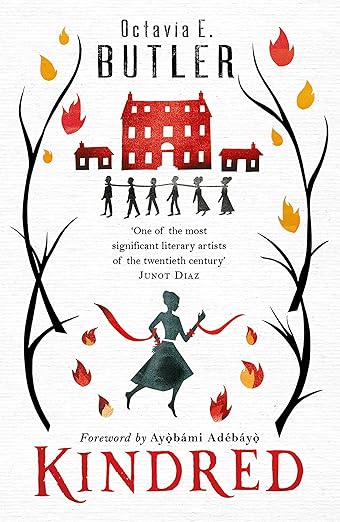
Kindred by Octavia E.Butler, published by Headline
Kindred is about Dana, a young Black woman from 1976 California, who suddenly finds herself being pulled back in time to a plantation in 1800s Maryland. There, she meets Rufus, a white ancestor of hers, and realizes she’s been brought back to save his life—because if he doesn’t survive, she won’t exist in the future. Every time Dana is called back, things get more dangerous, and she has to navigate the brutal reality of slavery while trying to figure out how to survive and get home. The story dives into themes like race, power, and family, and explores what it really means to be tied to a painful past.
👀 First Impressions I’d heard Kindred described as a modern classic, a blend of science fiction, historical fiction, and social commentary, so I went in with high expectations. This was my first Octavia E. Butler novel, and I was curious to see how she handled such a bold, time-traveling premise tied directly to American history.
About the Book Originally published in 1979, Kindred follows Dana, a Black woman living in 1976 Los Angeles, who is suddenly pulled back in time to the antebellum South. She soon realizes she’s been transported to save the life of Rufus, a young white boy who will grow up to become one of her ancestors, a slave owner. As Dana is drawn back again and again, she’s forced to confront the brutal realities of slavery, the complexities of power and survival, and the painful truths of her own family’s past.
✅ What I Liked The time-travel element isn’t treated like a flashy sci-fi trick, instead, it’s a brutal device that forces Dana (and the reader) to viscerally experience the horrors of slavery. Butler’s writing is sharp, economical, and emotionally charged, making you feel every moment of Dana’s fear, anger, and resilience. The relationships between the characters, especially Dana and Rufus, are complicated and layered, there’s no simple good or evil here, just a tangled mess of history, humanity, and survival.
❎ What Didn’t Work for Me Honestly, not much! Kindred is such a well-crafted, powerful novel that I found myself fully absorbed from start to finish. The writing, the characters, the emotional impact, it all came together beautifully. If anything, I just wish there had been even more to read because I wasn’t ready to leave Dana’s story when it ended.
💭 Overall Thoughts Kindred is one of those books that sticks with you long after you finish. It’s disturbing, powerful, and deeply thought-provoking, with themes that are just as relevant today as they were when Butler wrote it. Whether you’re a sci-fi fan or a historical fiction lover, this is a must-read, it doesn’t let you look away from the past, and that’s exactly the point.
Final Rating: ★★★★★ Powerful, haunting, and utterly original, a genre-defying masterpiece that explores race, identity, and survival with unflinching honesty.
To buy a copy of Kindred by Octavia E Butler visit Headlines website HERE or the kindle version HERE
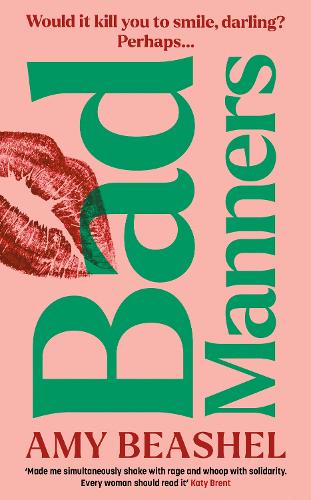
👀 First Impressions I first read Bad Manners by Amy Beashel as an advance reader copy (ARC) on NetGalley, thank you to the author and publisher for the opportunity to read and review this book. I was drawn to the striking cover and the promise of an emotionally charged family drama told through three distinct points of view: a teenage girl, her mother, and her father. Knowing Beashel’s reputation for tackling difficult, timely subjects, I expected a sharp and thoughtful exploration of family tensions and personal identity — and it delivered.
✅ What I Liked The emotional depth in the women’s perspectives is the novel’s strongest point. The teenage daughter’s fury and vulnerability alongside the mother’s guilt, weariness, and resilience create a raw, honest portrayal of womanhood under family strain. I particularly admired how the father’s first-person chapters contrast with the women’s third-person sections, emphasizing his isolation and narrow focus while the women carry the emotional weight of the household. Beashel’s writing is fearless and current, unafraid to dig into the messiness of family life, gender expectations, and modern frustrations. There’s a sharpness in her observations that kept me engaged throughout, even when the emotions became uncomfortable or intense.
❎What Didn’t Work for Me At times, the narrative shifted scenes or locations without enough clear markers, which occasionally left me flipping back to check if I’d missed something. While the characters felt vivid, the daughter’s intensity sometimes overwhelmed the page, making it harder to stay emotionally connected. I also wished the side characters had been given more complexity, as they sometimes felt like background figures rather than fully developed people.
📚 Why You Should Read This Book If you’re drawn to emotionally complex, character-driven novels that center the experiences of women navigating family dynamics, Bad Manners is a strong choice. Beashel’s bold, unflinching style challenges the reader to sit with discomfort, offering a timely exploration of anger, silence, and misunderstanding. This is a great pick for readers who appreciate feminist themes, layered emotional storytelling, and fiction that asks hard questions without neat answers.
💭 Overall Thoughts Bad Manners is a fierce and emotionally resonant family drama, powered by the voices of women trying to hold themselves together in a world that keeps pulling them apart. Beashel delivers a raw, timely story that lingers in the mind and heart long after the last page. It’s not always an easy read, but it’s a deeply worthwhile one for those who appreciate honest, challenging fiction.
Final Thoughts: ★★★☆☆½ – Smart, sharp, and emotionally charged — Bad Manners delivers plenty of punch, even if a few roughedges hold it back.
🛍️ Where to Buy
You can purchase ‘Bad Manners’ by Amy Beashel you can visit the Harper Collins website for links here or buy for kindle here
Let’s be honest, reading in bed sounds peaceful, romantic, and Instagram-worthy. You imagine yourself tucked under a blanket, soft light glowing, a cup of tea on the nightstand.
In reality? It’s a full-contact sport with hazards, endurance challenges, and the occasional injury.
Here’s why every dedicated bedtime reader deserves a medal.
Photo by Nicole Wolf on Unsplash
🏋️♀️ The Arm Workout
You start strong, holding up your book or Kindle like a champ. Ten minutes in, your biceps are shaking. Twenty minutes? You’re doing one-handed swaps like a professional weightlifter, switching hands every page turn. Hardcover readers know this struggle well — paperbacks? Still no joke.
Pro tip: Rest the book on a pillow. But beware the page-flopping effect.
🧘♂️ The Flexibility Challenge
Ah, the positions. You twist, you shift, you roll, because no matter how you start, it’s never quite right. Lying on your back? Arms fall asleep. On your side? Book slides shut. Curled up with the light behind you? Neck cramp.
You’re basically a bedtime contortionist just trying to finish one more chapter.
😴 The Sleep Battle
Here’s where endurance kicks in. You tell yourself: Just one more chapter. But that chapter becomes two… three… suddenly it’s 1 a.m. and your eyes are crossing.
Worst of all? You fall asleep mid-sentence. You wake up an hour later. The light is still on. The book is smushed into your face. You are drooling on page 247.
📱 The Gadget Injury Zone
Kindle, tablet, or phone readers know this pain: the face drop. You’re holding your device above your head, getting cozy, when… SLAM. Right onto your nose.
It’s the risk we take for the sake of convenience.
🕵️♀️ The Partner Stealth Mission
If you share your bed, reading becomes a stealth operation. – Turn pages quietly. – Keep the light dim but not eye-straining. – Control your emotional reactions: no gasps, sobs, or wild laughter.
Bonus level: trying to silently plug in your Kindle at 2 a.m. without knocking over a glass of water.
🏆 Final Score: Champions Only
Reading in bed isn’t just a gentle hobby, it’s a nightly athletic event. It tests your strength, stamina, balance, and self-control.
So, next time you find yourself mid-chapter at midnight, balance your book on your face. As your arm goes numb, remember you’re not alone. We’re all out here, running our little bedtime marathons, competing against sleep, sore muscles, and the occasional dropped phone.
And honestly? I wouldn’t trade it for anything.
💬 Do you have a funny or relatable bedtime reading struggle? Drop it in the comments…I want to hear your best (or worst!) reading-in-bed moments!
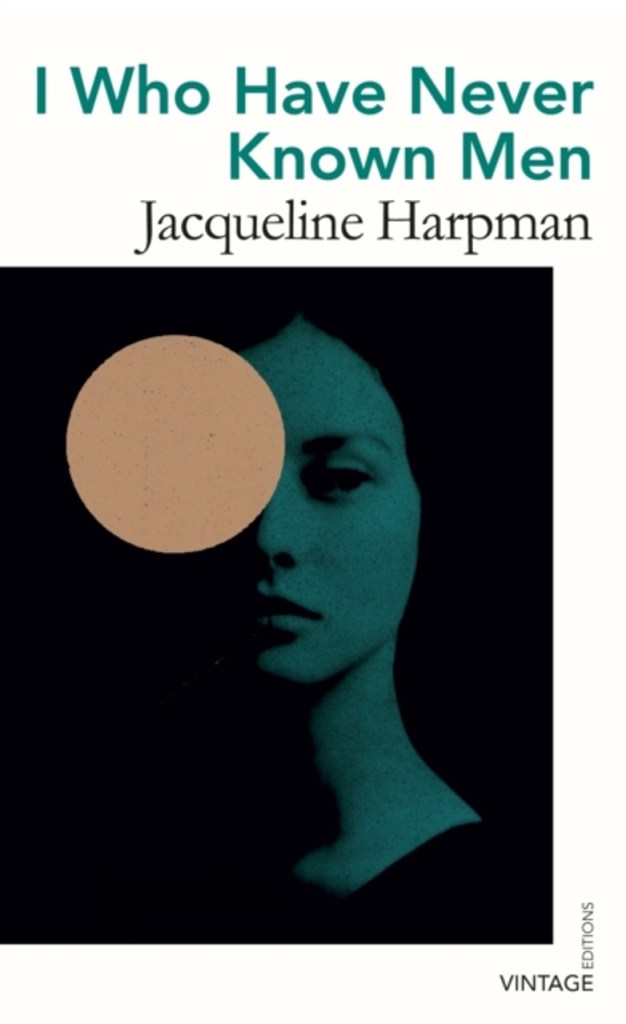
cover of ‘I who have never known men’ by Jacqueline Harpman published by Vintage
👀 First Impressions: I was drawn to this book because I’m a fan of speculative and dystopian fiction, and I Who Have Never Known Men immediately gave me that haunting, introspective vibe I look for in the genre. The premise, a young woman who has spent her life imprisoned underground with no knowledge of the world outside, hooked me right away
A bit of background: I Who Have Never Known Men was originally published in French in 1995 under the title Moi qui n’ai pas connu les hommes. The author, Jacqueline Harpman, was a Belgian writer and psychoanalyst. Her life was shaped by history. During World War II, her Jewish family fled Belgium for Casablanca. Harpman later became known for exploring themes of isolation, survival, and the human psyche. While the book didn’t get much international attention when first released, it’s since become a cult favorite among readers of speculative and philosophical fiction, especially after its English translation brought it to a wider audience.
I knew going in this might not be everyone’s cup of tea, but I was excited to see where it would take me.
✅ What I Liked: This novel completely gripped me with its sparse, elegant writing and unsettling atmosphere. The quiet, almost meditative tone made the protagonist’s isolation and search for meaning all the more powerful. I appreciated how the book raised profound questions , about memory, identity, survival, and what it means to be human, without giving easy answers. Even though it’s a short book, it lingered in my mind long after I finished. I’ve always been the kind of reader who doesn’t understand why people reread books (you already know what’s going to happen!), but this is one I’ll definitely read again.
❎ What Didn’t Work for Me: Honestly, I wouldn’t say anything didn’t work for me, but I can see how this book’s slow, reflective pace and minimal plot might not appeal to every reader. If you’re looking for action or clear resolution, this probably won’t satisfy you but if you’re open to something more philosophical and atmospheric, it’s a gem.
💭 Overall Thoughts: I Who Have Never Known Men is a haunting, thoughtful, and beautifully written dystopian novel that left a deep impression on me. I would give this book a full five stars without hesitation. I highly recommend it to readers who enjoy speculative fiction that leans into existential and emotional themes, it’s not a typical dystopian thriller, but something quieter and more profound.
Final Rating: ★★★★★ Haunting, spare, and deeply philosophical — a quietly devastating exploration of isolation, identity, and what it means to be human.
Cover of ‘Night Sweats’ By Beau Savage, Independently Published.
👀 First impressions: The cover of Night Sweats immediately caught my eye—its dark, moody design perfectly sets the tone for the suspenseful story within. The opening chapter quickly pulled me in, introducing Barbara, who is grappling with the loss of her teenage daughter and a crumbling marriage. Seeking solace, she retreats to a secluded lake house, hoping for a peaceful escape.However, her plans are upended when a young woman named Kylie bursts out of the woods, claiming to have escaped a deranged captor who is still in pursuit. This unexpected encounter thrusts Barbara into a harrowing fight for survival, setting the stage for a tense and gripping narrative.
✅ What I liked: Beau Savage’s writing style is smooth, vivid, and highly engaging. The pacing was brisk without feeling rushed, making it easy to fly through the book in just a couple of sittings. There’s a real sense of atmosphere here; you can almost feel the oppressive weight of exhaustion and fear creeping through the pages. The character development was strong, particularly in portraying the protagonist’s mental and emotional unraveling. The plot kept me guessing, and even when I thought I’d figured things out, there were twists that genuinely surprised me.
❎ What I didn’t like: This is a bit nit-picky because I did find the book suspenseful, and there were definitely moments when I was on the edge of my seat. Still, I felt the lack of a red herring or major misdirection meant there was no massive, jaw-dropping twist at the end. The plot unfolded in a fairly straightforward way, and although it was satisfying, I missed that extra layer of shock or surprise that a well-placed twist can deliver.
💭 Overall thoughts: This was my first book by Beau Savage, but I’ll definitely be looking for more from them. Savage has made a name as a fresh voice in contemporary thrillers, blending psychological tension with vivid, emotionally charged storytelling. I appreciated their ability to create a compelling, immersive story without unnecessary fluff. The prose was sharp, the themes were well handled, and the suspense kept me turning the pages eagerly. If you enjoy atmospheric thrillers that can be devoured over a weekend, Night Sweats is well worth picking up.
📚 Why you should read ‘Night Sweats’ by Beau Savage If you’re seeking a suspenseful thriller that immerses you in a tense, atmospheric setting, Night Sweats by Beau Savage is a compelling choice. The novel’s vivid prose and brisk pacing make it an engaging read, perfect for those who enjoy psychological tension intertwined with emotionally charged storytelling. While it may not deliver a massive, jaw-dropping twist, the story’s strength lies in its ability to keep you on the edge of your seat through well-crafted suspense and character development. Ideal for a weekend read, Night Sweats offers a gripping narrative that will resonate with fans of contemporary thrillers.
Final Rating: ⭐⭐⭐⭐ Darkly compelling and refreshingly original, Night Sweats earns a solid four stars for its bold voice and gripping pace
🛍️ Where to buy
to buy a copy of Night Sweats by Beau Savage visit HERE
Final Rating: ★★★★☆ Raw, gritty, and emotionally charged, a bold debut that blends vulnerability with sharp, immersive storytelling.
If you’ve been hanging around the bookish corners of social media lately, you’ve probably seen the buzz. Readers and authors are talking about boycotting Amazon and Kindle Unlimited (KU). Many independent booksellers and readers were frustrated to see Amazon launch a major book sale on Independent Bookshop Day, a move seen by some as undermining the very event meant to celebrate local, independent retailers
It’s a topic that’s stirred up a lot of passionate opinions, and honestly, it’s a bit messy. So let’s break it down. Why are people frustrated? What’s driving this pushback? What kind of ripple effects might it have?
What’s Got People So Frustrated?
Here’s what is fuelling the calls to step away from Amazon and KU:
📖 Authors Aren’t Getting Paid Enough For indie authors in KU, payments come from a big shared pool of money divided by total pages read. Sounds fair in theory, right? But with the flood of books on the platform, the payout per page has dropped to fractions of a cent. Many authors feel like they’re pouring time and effort into books that hardly make them anything back. Honestly, I can’t blame them, it’s discouraging to work that hard and see so little in return.
🔒 Exclusive, and Not in a Good Way To be part of KU, authors have to make their ebooks exclusive to Amazon. That means no selling on other platforms, no reaching readers through other stores. The restrictions are strict. Many writers feel like they’re stuck putting all their eggs in Amazon’s basket.
🌍 Monopoly Problems Let’s face it: Amazon pretty much runs the ebook world. That raises some big questions. How much control should one company have over which books get seen? Which authors have a shot at success? Do smaller competitors even stand a chance?
⚠️ Scams and Cheaters KU has been dealing with scams, click farms, pirated books, and shady tactics that game the system. These scams pull money out of the pool that’s supposed to go to honest authors. Many writers feel Amazon hasn’t done nearly enough to crack down on the problem.
🛒 The Bigger Picture Even beyond books, some readers are uneasy about Amazon’s labour practices, environmental footprint, or tax strategies. For them, it’s not just about ebooks, it’s about aligning their spending with their values.
What’s the Point of a Boycott?
So why are some readers walking away?
✨ Supporting Indie Stores and Other Platforms Buying from indie bookstores, Bookshop.org, Smashwords, or even straight from authors helps put more money into creators’ hands, not just a corporate giant.
💸 Better Pay for Authors (Sometimes) On non-Amazon platforms, authors often get to keep more of each sale, especially if they’re selling direct to readers. That can be way more sustainable in the long run.
🌱 Pushing Back Against Big Tech Even if one person’s decision feels small, some readers believe that where they spend their money matters. It’s a way to send a message about the kind of marketplace they want to see.
Personally, I respect readers who take that kind of stand, even if it’s symbolic, it shows real thoughtfulness about the bigger system we’re all part of.
But It’s Not That Simple
Of course, there are some real downsides here:
😕 Indie Authors Could Take a Hit A lot of indie authors rely on KU for income and visibility. If readers leave the platform, those authors, the ones who aren’t the problem, could lose out financially.
⚡ You Lose Convenience Let’s be honest: Amazon’s one-click buying, massive selection, and Kindle syncing are super easy. Buying books elsewhere often feels clunkier.
🏢 Amazon Might Not Even Notice Books are just a tiny slice of Amazon’s empire. Even a big, organized boycott might barely dent the company’s profits. Still, that doesn’t mean it’s pointless, sometimes shifting the conversation is its own kind of win.
How Does This Affect Indie Authors?
Here’s the tough part.
Many indie authors are in a bind. They’re frustrated with Amazon too. However, KU gives them access to a huge pool of paying readers. Walking away from Amazon can mean losing exposure, page reads, and income, especially if they’re not already well-known outside the platform.
A boycott might push for long-term changes. However, it can create short-term pain for the very authors readers want to support. To me, that’s the hardest part of this conversation. How do you push back on the system? How can you do this without hurting the small creators caught up in it?
Will Amazon Feel It?
Real talk? Probably not in terms of money. Amazon makes most of its profits from cloud services, retail, and other sectors. Books are just a sliver of the pie. But that doesn’t mean a boycott is meaningless. Symbolic actions can matter, they can shape conversations, push for better practices, and help strengthen smaller alternatives that do make a difference over time.
Final Thoughts
At the end of the day, whether or not you join the Amazon and KU boycott is a personal choice. There’s no one-size-fits-all answer here. But if you want to support authors and build a healthier publishing ecosystem, here are some things you can do:
✔ Buy Direct from Authors When You Can ✔ Support Indie Bookstores or Ebook Platforms like Kobo or Smashwords ✔ Leave Reviews — They Matter Everywhere ✔ Spread the Word About Books You Love
Even small shifts in how we read, purchase, and engage with books can contribute to a more diverse, equitable, and vibrant literary landscape, a goal well worth considering. As author Guy Robin (@guyrobin_author) put it on Threads, “These things tend to happen to successful business models. For me it just destroys my published work. All that effort to gain a foothold in a difficult industry will be ruined by a few anti-Amazon folk, who won’t even register with Amazon.”





 Minnie's Fiction Addiction