
• 👀 First impressions:
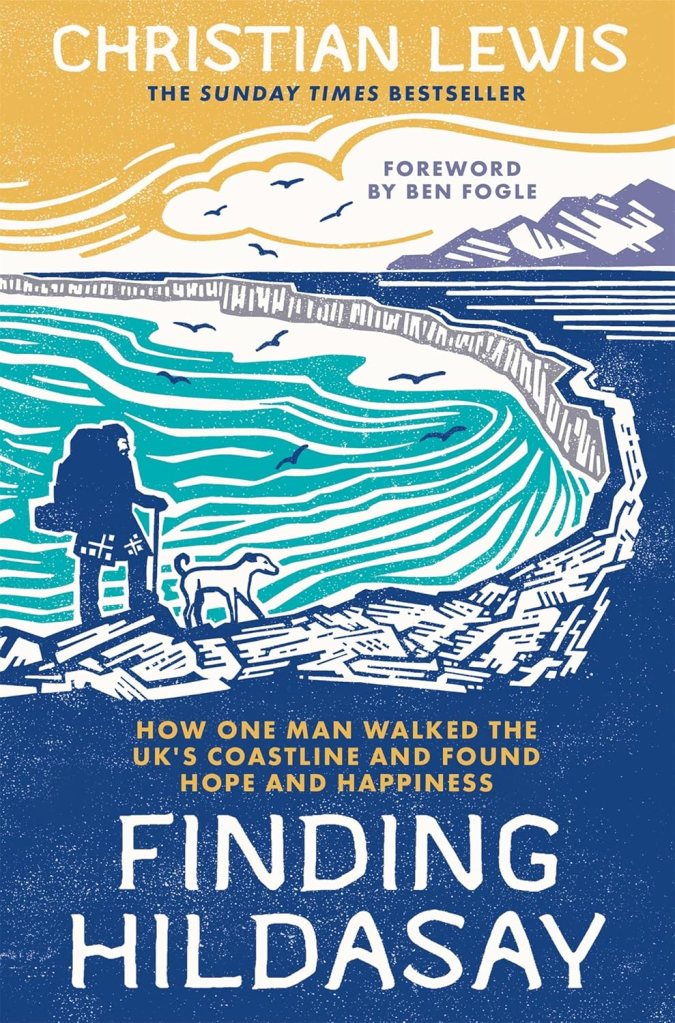
    Finding Hildasay is a memoir born out of loss, grief and the need to keep moving when standing still feels impossible. After the sudden death of his best friend, Christian Lewis sets out to walk the length of the British coastline with his dog Jet. What begins as an act of survival slowly becomes a journey of reflection, endurance and unexpected human kindness. From the opening pages, the book feels deeply personal and emotionally honest.

    What I Liked:
    The emotional authenticity is the book’s greatest strength. Lewis writes openly about grief, mental health and the isolating aftermath of loss without sentimentality or self pity. The relationship between Christian and Jet provides warmth and grounding throughout the journey, offering moments of levity amid the emotional weight. The descriptions of the British coastline are vivid but never indulgent, serving the emotional arc rather than overshadowing it. Encounters with strangers along the way highlight a quiet generosity that feels both realistic and uplifting.

    What I didn’t Like:
    The episodic nature of the journey means some sections feel repetitive, particularly during longer stretches of walking where little changes externally. Readers looking for a tightly structured narrative may find the pacing uneven at times. There are moments where the emotional reflection circles familiar ground without moving much further forward.

    📚 Why You Should Read This Book:
    If you enjoy travel memoirs rooted in personal transformation, this is a rewarding read. It will resonate strongly with readers who have experienced grief, burnout or a desire to step away from conventional life in search of clarity. It is especially appealing to those who appreciate stories about walking, nature and the quiet power of persistence.

    💭 Final Thoughts:
    Finding Hildasay is a gentle but powerful memoir about putting one foot in front of the other when life fractures unexpectedly. It does not offer easy answers or dramatic resolutions, but instead finds meaning in movement, companionship and small acts of kindness. Honest, grounding and quietly hopeful, it lingers long after the final page.

    🛍️ Where to buy
    To buy your own copy click HERE and HERE

    Final Rating ★★★★ – A heartfelt reminder of how healing can begin with simply moving forward
  • 👀 First impressions:
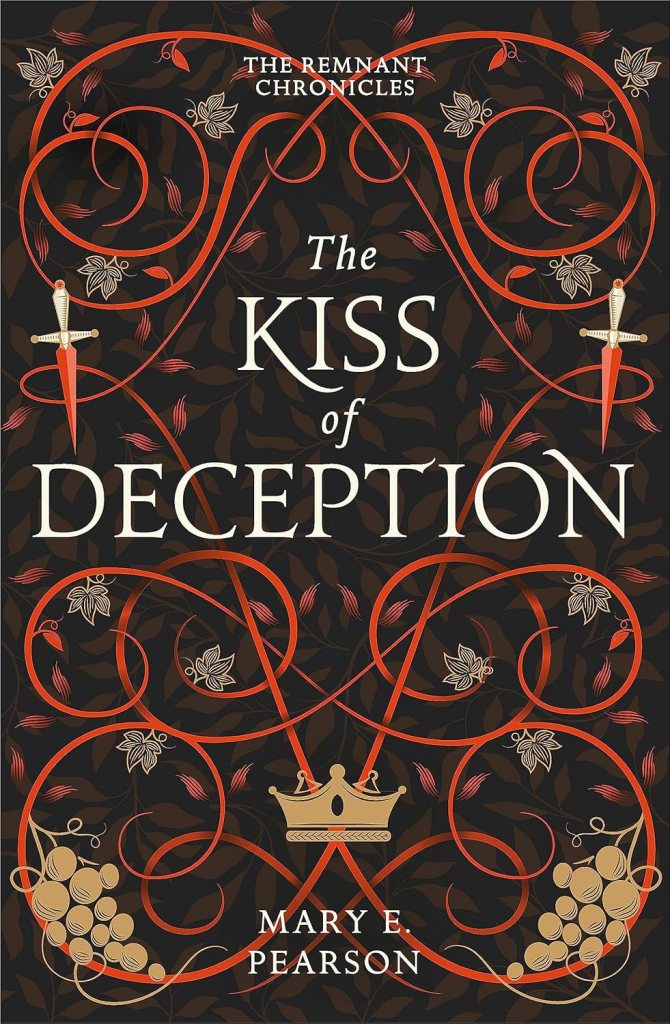
    The Kiss of Deception opens with a strong hook. Princess Lia flees an arranged marriage on the morning of her wedding, determined to claim a life of her own away from duty and expectation. Settling in a quiet coastal village, she believes she has escaped court politics, unaware that two men have followed her. One is her jilted prince, the other an assassin sent to kill her, and the novel’s central tension rests on not knowing which is which. The story blends fantasy, romance and political intrigue, setting the stage for a series driven by identity and choice.

    What I Liked:
    The premise is clever and immediately engaging. The mystery around the two male characters adds a layer of tension that keeps the pages turning, especially in the first half. Lia herself is a likable protagonist, stubborn, curious and yearning for autonomy in a world that restricts her options. Mary E. Pearson’s worldbuilding is subtle rather than overwhelming, allowing the focus to remain on character dynamics. The romantic tension is handled with restraint, favouring emotional build up over instant intensity

    What I didn’t Like:
    The pacing slows considerably in the middle, with long stretches focused on village life that dilute the initial urgency. While the mystery is effective, the political stakes of the wider world feel underdeveloped in this first instalment. Some secondary characters lack depth, and the story occasionally leans heavily on familiar young adult fantasy tropes without fully refreshing them.

    📚 Why You Should Read This Book:
    If you enjoy fantasy romances with a strong character focus and a central mystery, this is an enjoyable read. It is particularly well suited to readers who like slow burn relationships and coming of age narratives set against a fantasy backdrop. Fans of court intrigue and hidden identities will find plenty to appreciate.

    💭 Final Thoughts:
    The Kiss of Deception is an entertaining start to a fantasy series, buoyed by a compelling premise and an engaging heroine. While it does not fully capitalise on its political potential, it succeeds as a character driven story about choice, freedom and trust. A solid introduction that leaves room for the series to grow.

    🛍️ Where to buy
    To buy your own copy click HERE and HERE

    Final Rating ★★★ – A promising beginning with a gentle, romantic pull

  • 👀 First impressions:
    First published in 1946, The King’s General is a historical novel set during the English Civil War, rooted firmly in Cornwall and shaped by shifting loyalties and personal sacrifice. The story is told through the voice of Honor Harris, a woman whose life is irrevocably altered after a riding accident leaves her disabled. As war breaks out between Royalists and Parliamentarians, Honor finds herself bound emotionally and morally to Richard Grenvile, the King’s General of the title, a man as divisive as the conflict itself.

    What I Liked:
    Daphne du Maurier’s greatest strength here is atmosphere. Cornwall feels elemental and unforgiving, mirroring the emotional isolation Honor experiences as both a woman and a Royalist sympathiser in hostile territory. Honor is a remarkable protagonist, intelligent, resilient and quietly defiant in a world that repeatedly underestimates her. The novel handles themes of loyalty, love and political conviction with nuance, refusing to offer easy moral judgments. The restrained romance is especially effective, shaped by duty and circumstance rather than indulgence.

    What I didn’t Like:
    The pacing can feel slow, particularly for readers unfamiliar with the historical period. The political context of the English Civil War is central to the story, and those less interested in military or ideological detail may find sections dense. Richard Grenvile himself is deliberately difficult to like, which can make the central relationship challenging at times.

    📚 Why You Should Read This Book:
    If you enjoy historical fiction that prioritises character, setting and moral complexity, this is an excellent choice. It will appeal to readers who appreciate strong female narrators and stories where personal lives are inseparable from political upheaval. Fans of du Maurier’s darker, more introspective novels will find much to admire here.

    💭 Final Thoughts:
    The King’s General is a powerful and quietly tragic novel about standing by one’s convictions, even when the cost is personal happiness. It is less romantic than some of du Maurier’s better known works, but more emotionally intricate and historically grounded. A thoughtful and enduring read that rewards patience.

    🛍️ Where to buy
    To buy your own copy click HERE and HERE

    Final Rating ★★★★ – A haunting portrait of love tested by war and loyalty

  • 👀 First impressions:
    Run Away opens with every parent’s worst fear. Simon Greene’s teenage daughter Paige has vanished into a life of addiction and danger, cutting herself off from her family entirely. When Simon finally spots her busking in a park, her reaction makes it clear that something far darker is at play. What follows is a desperate search that pulls Simon into a criminal underworld he barely understands, exposing secrets that stretch far beyond his missing daughter.

    What I Liked:
    Harlan Coben excels at combining high stakes suspense with emotional weight. Simon is a compelling protagonist, driven by love, guilt and determination, and his fear for Paige grounds the thriller elements in something deeply human. The pacing is relentless, with short chapters and frequent twists that keep the story moving at speed. Coben also does a strong job of weaving together multiple plot threads, gradually revealing how seemingly unconnected characters and events collide. The novel balances action with moral questions about parenting, responsibility and how far love can push someone.

    What I didn’t Like:
    Some twists stretch plausibility, even by thriller standards, and require a certain suspension of disbelief. A few secondary characters feel more like plot devices than fully rounded people. While the emotional core is strong, the sheer number of revelations can occasionally feel overwhelming rather than shocking.

    📚 Why You Should Read This Book:
    If you enjoy twisty thrillers with personal stakes and nonstop momentum, Run Away is a great choice. It is ideal for readers who like fast moving plots, family centred mysteries and stories that keep you guessing until the final pages. This is a book designed to be devoured rather than savoured.

    💭 Final Thoughts:
    Run Away is a compulsive, emotionally charged thriller that delivers exactly what fans of Harlan Coben expect. While it occasionally pushes credibility, its heart lies in its portrayal of parental love and desperation. Tense, engaging and hard to put down, it is an entertaining and satisfying read.

    🛍️ Where to buy
    To buy your own copy click HERE and HERE

    Final Rating ★★★★ – A gripping thriller fuelled by love and fear

  • 👀 First impressions:
    Murder at Mount Fuji is a classic Japanese crime novel that places atmosphere and procedure firmly at the centre of its story. Set against the imposing presence of Mount Fuji, the novel follows a carefully constructed investigation in which social expectation, secrecy and restraint matter as much as physical evidence. From the outset, the tone is calm and deliberate, signalling a mystery that values logic and observation over spectacle.

    What I Liked:
    The setting is one of the book’s greatest strengths. Mount Fuji looms over the narrative, not just as a location but as a quiet, symbolic presence that reinforces the novel’s themes of appearance versus reality. The investigative process is methodical and absorbing, rewarding attention to detail. There is also a distinctly Japanese approach to crime and justice here, where social roles, obligation and reputation shape both motives and outcomes. The restrained prose suits the story well, creating a sense of quiet tension rather than overt drama.

    What I didn’t Like:
    The emotional distance may not work for all readers. The characters are observed rather than deeply explored, which makes it harder to form strong emotional connections. The pacing is slow and procedural, and readers expecting a fast paced or twist heavy mystery may find it understated. Some plot developments are resolved more intellectually than emotionally, which can feel slightly unsatisfying.

    📚 Why You Should Read This Book:
    If you enjoy classic crime fiction, especially mysteries that prioritise logic, atmosphere and cultural context, this is well worth reading. It is particularly appealing to readers interested in Japanese literature or those who appreciate quieter, more contemplative detective stories. This is a book to savour for its mood rather than rush through for its solution.

    💭 Final Thoughts:
    Murder at Mount Fuji is a restrained and thoughtful mystery that offers a different rhythm from Western crime fiction. Its strength lies in its setting and its measured approach rather than emotional intensity. While it did not fully grip me on a character level, it remains an interesting and atmospheric read.

    🛍️ Where to buy
    To buy your own copy click HERE and HERE

    Final Rating ★★★ – A subtle, place driven mystery with classic appeal

  • 👀 First impressions:
    Set in a near future Kolkata on the brink of collapse, A Guardian and a Thief unfolds over the course of a single, harrowing week. Ma is preparing to leave India with her young daughter and elderly father to reunite with her husband in America when her purse containing their precious visas is stolen. At the same time, the novel follows Boomba, the thief, whose desperation to protect his own family pushes him into a spiral of increasingly dangerous choices. From the outset, the story establishes high emotional and moral stakes, rooted in scarcity, fear and love.

    What I Liked:
    Megha Majumdar writes with remarkable control and urgency. The dual narrative structure is particularly effective, allowing the reader to inhabit both sides of a single devastating act. Ma’s story captures the relentless pressure of hunger, bureaucracy and maternal fear, while Boomba’s chapters refuse to simplify him into a villain, instead showing how desperation erodes judgment. The near future setting feels disturbingly plausible, with food shortages, migration anxiety and systemic failure woven seamlessly into daily life. The pacing is tight and propulsive, creating a sense of inevitability that mirrors the characters’ narrowing choices.

    What I didn’t Like:
    The intensity rarely lets up, which can make the reading experience emotionally exhausting. Some readers may wish for more space to breathe or reflect between crises. The bleakness of the world leaves little room for softness, although this is clearly a deliberate choice rather than a flaw in execution.

    📚 Why You Should Read This Book:
    This is a powerful choice for readers who enjoy politically engaged literary fiction that confronts contemporary fears head on. If you are interested in stories about migration, class, parenthood and moral compromise, this novel offers a gripping and thoughtful exploration. It is especially compelling for readers who appreciate fiction that humanises all sides of a conflict without offering easy answers.

    💭 Final Thoughts:
    A Guardian and a Thief is a tense, humane and deeply unsettling novel about what people are willing to do when everything they love is at risk. Megha Majumdar balances momentum with empathy, crafting a story that feels both intimate and expansive. It is a novel that lingers, not just for its plot, but for the questions it leaves behind about justice, survival and love.

    🛍️ Where to buy
    To buy your own copy click HERE and HERE

    Final Rating ★★★★ – A gripping moral thriller rooted in compassion

  • 👀 First impressions:
    Other People’s Fun opens with Ruth at a point of quiet collapse. Her marriage has ended, her daughter is preparing to leave home, and her job feels like a dead end. She is lonely, overlooked, and unsure of what comes next. Into this emotional vacuum steps Sookie, a former school friend who once barely noticed Ruth but now reappears with confidence, glamour and apparent warmth. What begins as a tentative reconnection slowly shifts into something more unsettling, as Ruth becomes drawn into Sookie’s carefully curated world and starts to sense that not everything is as perfect as it appears.

    What I Liked:
    Harriet Lane excels at subtle psychological tension. The novel builds discomfort gradually, through small interactions and unspoken power dynamics rather than dramatic twists. Ruth is an especially compelling protagonist, observant, passive and deeply human in her vulnerability. The portrayal of female friendship is sharp and unsparing, particularly in how it explores imbalance, envy and emotional dependence. The contrast between Sookie’s outwardly Instagram ready life and the reality beneath it is handled with restraint, making the unease feel earned rather than forced.

    What I didn’t Like:
    The pacing is intentionally slow, and readers expecting a fast moving psychological thriller may find it too restrained. Ruth’s reluctance to act or challenge Sookie can be frustrating, even though it fits her emotional state. The tension simmers rather than explodes, which may leave some readers wanting a more dramatic payoff.

    📚 Why You Should Read This Book:
    If you enjoy character driven fiction that focuses on atmosphere and psychology rather than plot, this is an excellent choice. It will particularly appeal to readers interested in stories about female friendship, class, and the quiet ways people exert control over one another. This is a book that rewards close reading and emotional attention.

    💭 Final Thoughts:
    Other People’s Fun is a quietly gripping novel that captures how loneliness can make people vulnerable to the wrong kind of connection. It is unsettling because it feels so plausible, rooted in everyday interactions rather than extremes. Thoughtful, uncomfortable and sharply observed, it lingers long after finishing.

    🛍️ Where to buy
    To buy your own copy click HERE and HERE

    Final Rating ★★★★ – A slow burn exploration of loneliness and manipulation

  • 👀 First impressions:
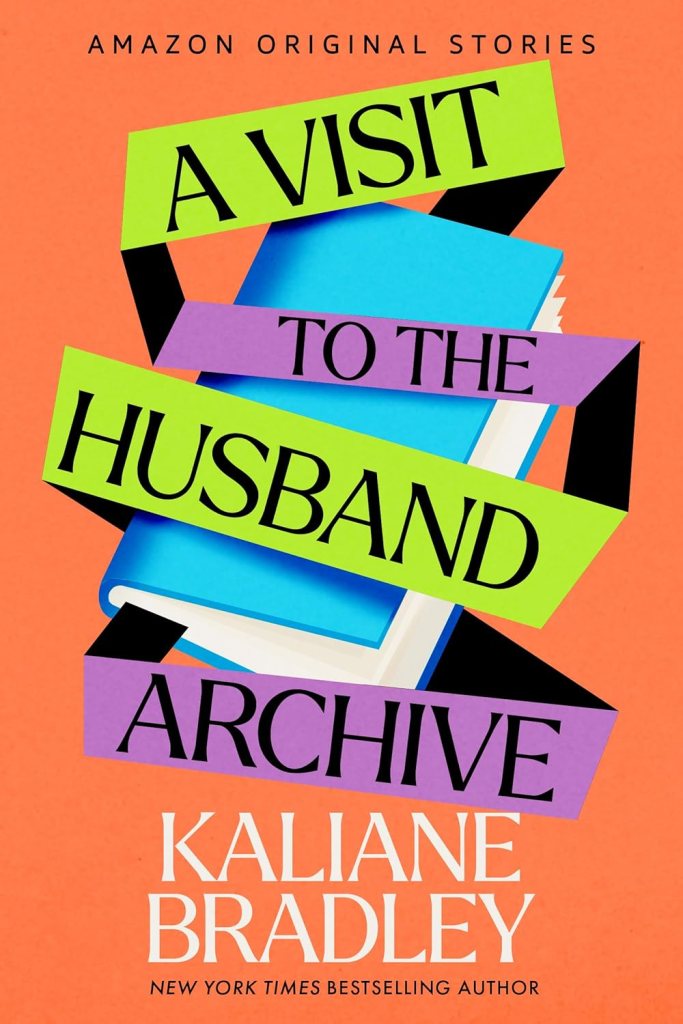
    A Visit to the Husband Archive is a contemporary literary novel built around an original and slightly surreal idea. The story imagines an archive where women can revisit their former husbands, preserved as records rather than people, allowing reflection on love, marriage and the narratives we construct around relationships. From the outset, the novel signals that it will prioritise structure, ideas and experimentation over traditional plot, placing it firmly in the realm of concept driven fiction.

    What I Liked:
    The premise is the book’s greatest strength. Using the idea of an archive to explore memory, power and emotional labour is clever and thought provoking. Kaliane Bradley writes with precision and restraint, and there are moments where her observations about intimacy and hindsight feel sharply true. The novel often feels intellectually confident, trusting the reader to sit with ambiguity and draw their own conclusions. There is also a quiet wit running beneath the surface that rewards careful reading.

    What I didn’t Like:
    Despite the strength of the concept, I struggled to connect emotionally. The distance created by the archival framing means the characters sometimes feel more like case studies than people. At points, the narrative leans heavily into reflection at the expense of momentum, and some sections feel more analytical than immersive. While this is clearly intentional, it made the reading experience feel uneven for me.

    📚 Why You Should Read This Book:
    If you enjoy experimental literary fiction that interrogates relationships and identity in unconventional ways, this book is worth exploring. It will appeal to readers who like structure driven novels and are interested in feminist perspectives on marriage and memory. This is very much a book to read slowly, allowing space for its ideas to settle.

    💭 Final Thoughts:
    A Visit to the Husband Archive is clever, controlled and conceptually strong, but emotionally restrained. I admired its ambition and originality, even if it did not fully draw me in. It is a book I appreciated more than I loved, and one that will likely resonate more deeply with the right reader.

    🛍️ Where to buy
    To buy your own copy click HERE

    Final Rating ★★★ – Inventive concept with a cool emotional distance

  • 👀 First impressions:
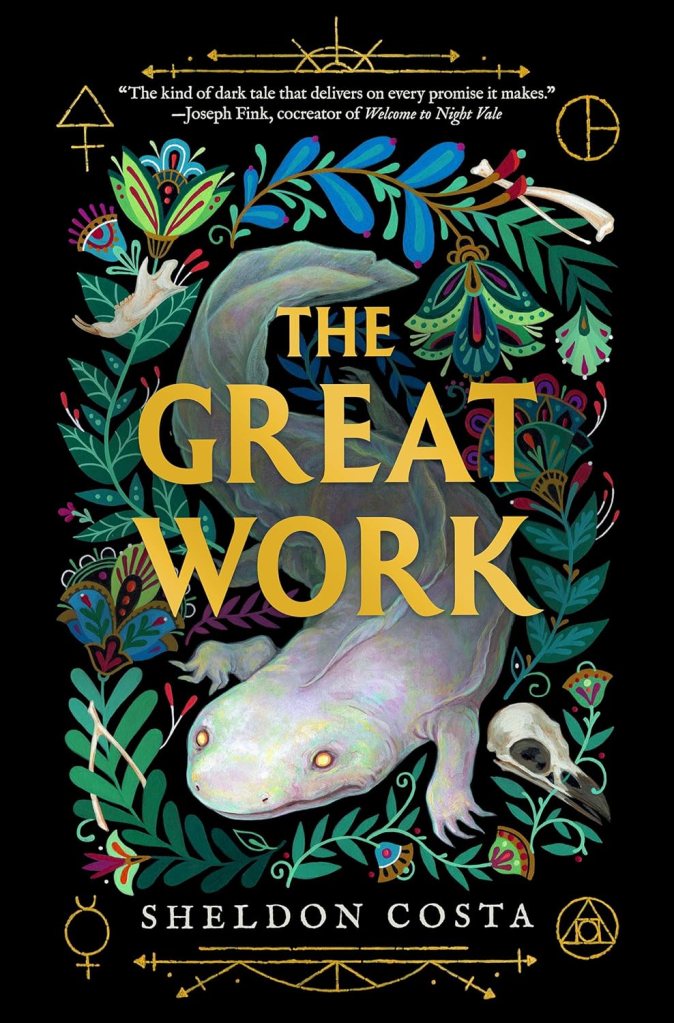
    The Great Work positions itself as a thoughtful, introspective novel concerned with creativity, purpose and the pressure to produce something meaningful. From the outset it is clear that Sheldon Costa is aiming high, exploring big questions about ambition and identity through a character driven narrative. The tone is reflective and literary, signalling that this will be more about inner worlds than fast moving plot.

    What I Liked:
    The strongest element of the book is its intent. There are moments of genuine insight where the writing captures the anxiety of wanting to matter and the fear of falling short. Costa clearly understands the emotional landscape of creative striving, and some passages are beautifully phrased, lingering in a way that invites rereading. The atmosphere is consistent and controlled, giving the novel a cohesive feel even when little is happening on the surface.

    What I didn’t Like:
    Where the book struggled was in momentum. The pacing is slow throughout, and there were sections where the introspection became repetitive rather than deepening. At times it felt as though the same ideas were being circled without enough narrative progression to keep them engaging. The characters, while conceptually interesting, remained slightly distant, making it harder to fully invest emotionally in their journeys.

    📚 Why You Should Read This Book:
    This is a book best suited to readers who enjoy quiet, idea driven fiction and are comfortable sitting with ambiguity. If you like novels that prioritise theme and mood over plot, and you enjoy reflecting on creativity and purpose, there is plenty here to appreciate. It is not a casual read, but it may resonate with readers who see themselves in the struggle to create something worthwhile.

    💭 Final Thoughts:
    The Great Work is thoughtful and well intentioned, but uneven in execution. Its ambition is admirable, and there are flashes of real depth, yet it does not fully deliver on its premise. While I appreciated what the book was trying to do, I found myself wishing for sharper focus and stronger narrative drive.

    🛍️ Where to buy
    To buy your own copy click HERE and HERE

    Final Rating ★★★ – Thought provoking but emotionally distant

  • 👀 First impressions:
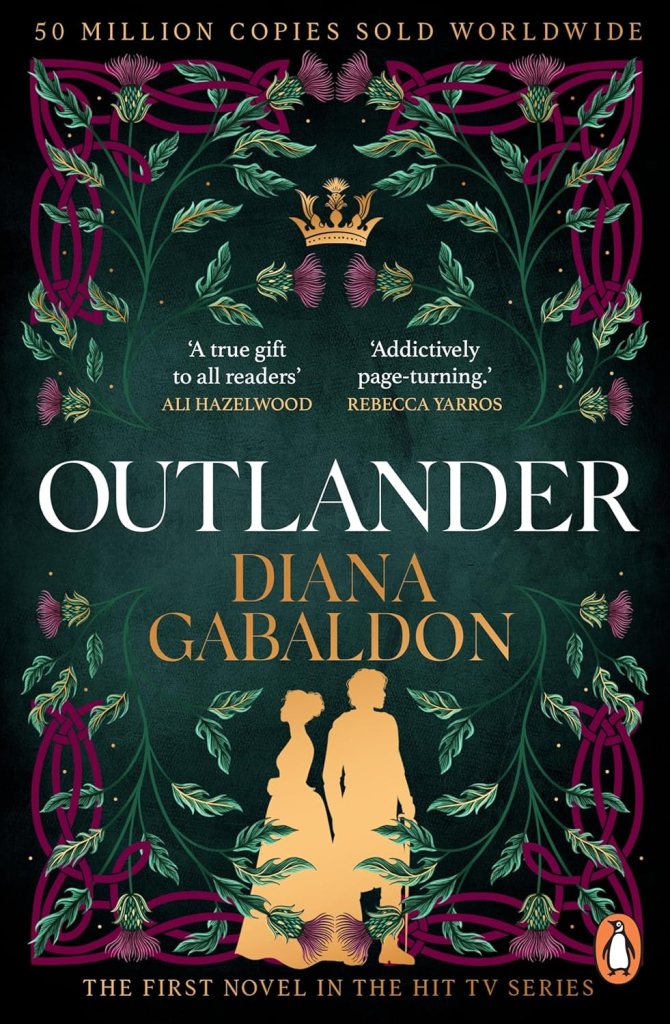
    First published in 1991, Outlander opens just after the Second World War and follows Claire Randall, a former combat nurse enjoying a second honeymoon in Scotland. A visit to a mysterious stone circle changes everything when she is thrown back in time to 1743, landing in a Scotland on the brink of rebellion. What follows is part historical fiction, part romance, part adventure, and part time travel fantasy. It is a hefty book in both size and ambition, setting the tone for an expansive series that blends meticulous historical detail with sweeping emotional stakes.

    What I Liked:
    The sense of place is one of Outlander’s greatest strengths. Diana Gabaldon’s Scotland feels rich, lived in and often brutal, with history woven naturally into the story rather than delivered as exposition. Claire is a compelling protagonist, practical, stubborn and resourceful, and her modern perspective makes her navigation of the past genuinely fascinating. The central romance is intense and emotionally charged, developing over time rather than relying on instant attraction. The novel also shines in its quieter moments, where daily survival, medical knowledge and moral dilemmas ground the larger plot.

    What I didn’t Like:
    The length can feel daunting, and there are sections where the pacing slows considerably, particularly in the middle. Some scenes are extremely graphic and emotionally heavy, which may be difficult for readers depending on their tolerance for violence and trauma. While the romance is central to the story, it occasionally overshadows other characters who feel less fully developed as a result.

    📚 Why You Should Read This Book:
    If you love immersive historical fiction and are happy to commit to a long, detailed read, Outlander is hugely rewarding. It is ideal for readers who enjoy slow burn romance, morally complex situations and stories that do not shy away from the harsh realities of the past. It is also a great choice if you enjoy books that blend genres rather than sitting neatly in one category.

    💭 Final Thoughts:
    Outlander is ambitious, emotional and unapologetically dramatic. It asks for patience but pays it back with a richly layered story that lingers long after the final page. While it is not without flaws, its scope and heart are what have made it so enduring and beloved. This is a novel that pulls you fully into its world and expects you to stay there for a while.

    🛍️ Where to buy
    To buy your own copy click HERE and HERE

    Final Rating ★★★★ – A sweeping, time crossing story that rewards commitment