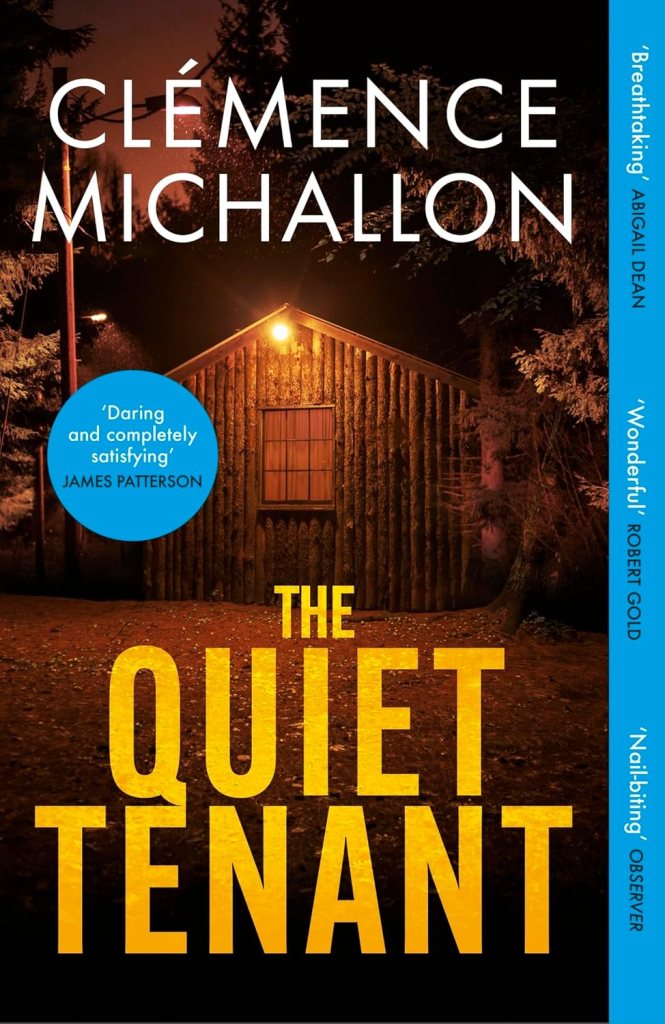

• 👀 First impressions:
    The Quiet Tenant is a psychological thriller centred on a serial killer and the women caught in his orbit, told through multiple perspectives including a woman held captive in his shed and his unsuspecting daughter. The premise is immediately unsettling and clearly inspired by real life cases, tapping into the true crime fascination that has been everywhere in recent years. From the opening chapters, the tone is cold and restrained, setting expectations for a slow burn rather than a high octane thriller.

    What I Liked:
    The concept is strong and disturbing in a way that feels grounded rather than sensationalised. Michallon handles the subject matter with restraint, focusing more on the emotional impact of captivity and complicity than on graphic detail. I appreciated the choice to centre women’s voices, particularly the quiet horror of endurance and survival rather than dramatic escape fantasies. The writing itself is controlled and measured, which suits the bleak subject matter.

    What I didn’t Like:
    For all its promise, the novel felt emotionally distant. I struggled to fully connect with the characters, especially given how intense their situations were meant to be. The pacing is very slow and at times it felt like the story was circling the same emotional beats without moving forward. While the understated approach will work for some readers, I found it muted the tension, leaving moments that should have been gripping feeling oddly flat.

    📚 Why You Should Read This Book:
    If you enjoy psychological thrillers that lean more towards literary fiction and character study than plot twists, this could be a good fit. Readers who like quiet, unsettling atmospheres and are interested in narratives about control, silence, and survival will likely appreciate what this book is trying to do.

    💭 Final Thoughts:
    The Quiet Tenant is a solid but restrained debut that never quite reaches the emotional or psychological depth it hints at. It is thoughtful and unsettling in theory, but in practice it feels held back, as though it is afraid to fully explore its own darkness. I admired the intention more than I enjoyed the execution.

    🛍️ Where to buy
    To buy your own copy click HERE and HERE

    Final Rating ★★★ – A promising and unsettling idea that ultimately feels too quiet to truly haunt.

  • Christmas is supposed to be safe. Warm lights, familiar traditions, locked doors and people you know well. Which is exactly why it makes such a perfect setting for a thriller. When something goes wrong at Christmas, it feels more shocking, more personal and far more sinister. This week’s What to Read Wednesday is all about festive thrillers that take the season of goodwill and twist it into something darker.

    The Hunting Party by Lucy Foley

    Set during a New Year getaway just after Christmas, this snowy thriller follows a group of old friends who reunite at a remote Scottish lodge. Cut off by heavy snow, tensions simmer beneath forced cheer and old grudges resurface. Foley uses the isolation and post Christmas lull brilliantly, creating a claustrophobic atmosphere where everyone feels like a suspect. It is slow burning, icy and perfect for winter reading.

    One by One by Ruth Ware

    A tech company heads to the French Alps for a pre Christmas retreat, but as an avalanche traps them in their luxury chalet, people start dying. This is classic Ruth Ware paranoia with a festive edge, where corporate rivalries and personal secrets are magnified by isolation and snow. The Christmas setting adds an unsettling contrast between glossy celebrations and creeping dread.

    Silent Night by Claire Douglas

    A group of former school friends reunite for Christmas years after a tragedy that changed their lives forever. As they gather to reminisce and reconnect, it becomes clear that the past has not been left behind. This is a tense, character driven thriller that leans into Christmas nostalgia and uses it to expose guilt, resentment and unfinished business.

    The Christmas Killer by Alex Pine

    This one fully commits to festive darkness. A serial killer is staging murders inspired by the lyrics of The Twelve Days of Christmas, turning a familiar carol into something disturbing. Fast paced and unapologetically dark, it is ideal for readers who enjoy seasonal themes with high stakes and a relentless plot.

    Hercule Poirot’s Christmas by Agatha Christie

    If you prefer your Christmas thrillers with a classic touch, this locked room mystery delivers. A wealthy patriarch gathers his family for the holidays only to be murdered on Christmas Day. Christie uses the family Christmas gathering to expose greed, resentment and long standing grudges, proving that festive murder has always been part of the tradition.

    Christmas thrillers work because they take everything that should feel comforting and strip it away. Snow becomes a barrier, family becomes a pressure cooker and celebration becomes a mask. If you like your festive reading with a sharp edge, these books are perfect companions for dark winter nights.

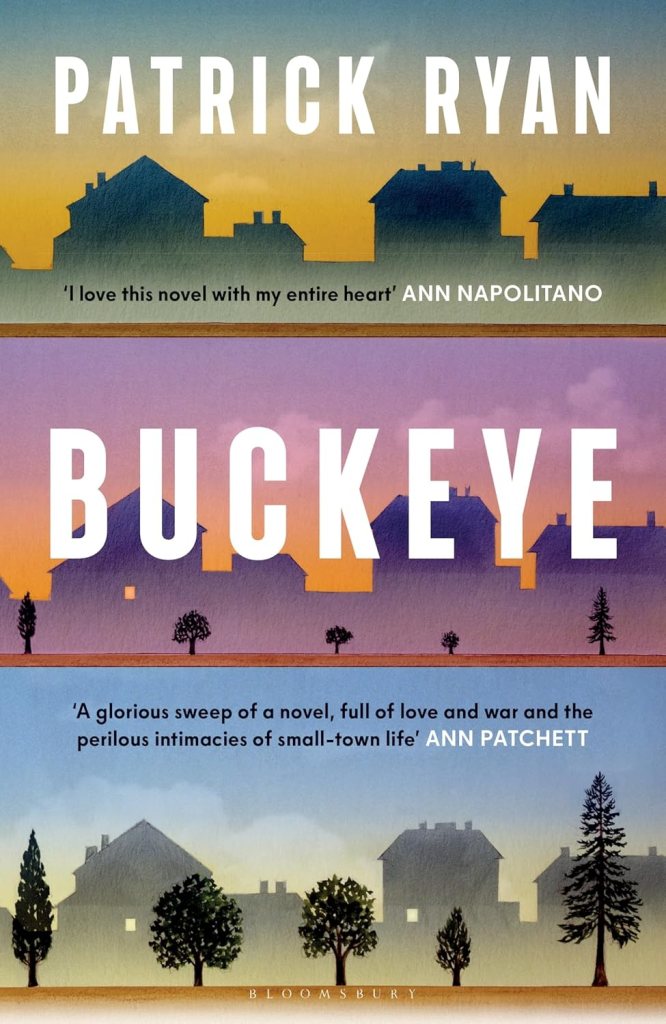
  • 👀 First impressions:
    Buckeye opens in Bonhomie, Ohio, in the charged emotional aftermath of the Allied victory in Europe. A fleeting moment of passion between Cal Jenkins and Margaret Salt sets the course for decades of consequence. Cal is marked by his inability to serve in the war, while Margaret is desperate to keep her own past hidden. Around them orbit their spouses, Becky, who possesses an uncanny gift for communing with the dead, and Felix, a Navy man whose fate hangs terrifyingly uncertain. What begins as an intimate personal story gradually expands into a multi generational exploration of secrecy, identity and the long shadow of history.

    What I Liked:
    Patrick Ryan excels at capturing the texture of small town life and the way private choices become communal truths over time. The postwar setting is richly drawn, grounding the novel in a period of rebuilding and quiet reinvention. The characters feel deeply human, shaped as much by regret and longing as by love. Becky’s spiritual gift adds an intriguing layer to the narrative, blurring the boundary between the living and the dead in a way that feels symbolic rather than fantastical. The novel’s greatest strength lies in how it traces the ripple effects of one moment across generations, showing how the past refuses to stay contained.

    What I didn’t Like:
    The pacing is measured and occasionally slow, particularly in the middle sections where the novel lingers in reflection. Readers looking for sharp plot turns may find the story too restrained. With such a broad cast, some secondary characters feel less fully developed, serving the themes more than the emotional core.

    📚 Why You Should Read This Book:
    If you enjoy literary fiction that spans decades and examines how history shapes personal lives, Buckeye is a rewarding read. It will appeal to readers who appreciate character driven storytelling, moral complexity and novels that quietly build emotional weight over time. This is a book that values accumulation and consequence over spectacle.

    💭 Final Thoughts:
    Buckeye is a thoughtful and resonant novel about how secrets bind families together as much as they pull them apart. Its power lies in its patience, trusting the reader to see how small moments echo across years. Subtle, emotionally grounded and deeply reflective, it is a story about who we become in the wake of choices we thought were fleeting.

    🛍️ Where to buy
    To buy your own copy click HERE and HERE

    Final Rating ★★★★ – A beautifully observed meditation on legacy and truth

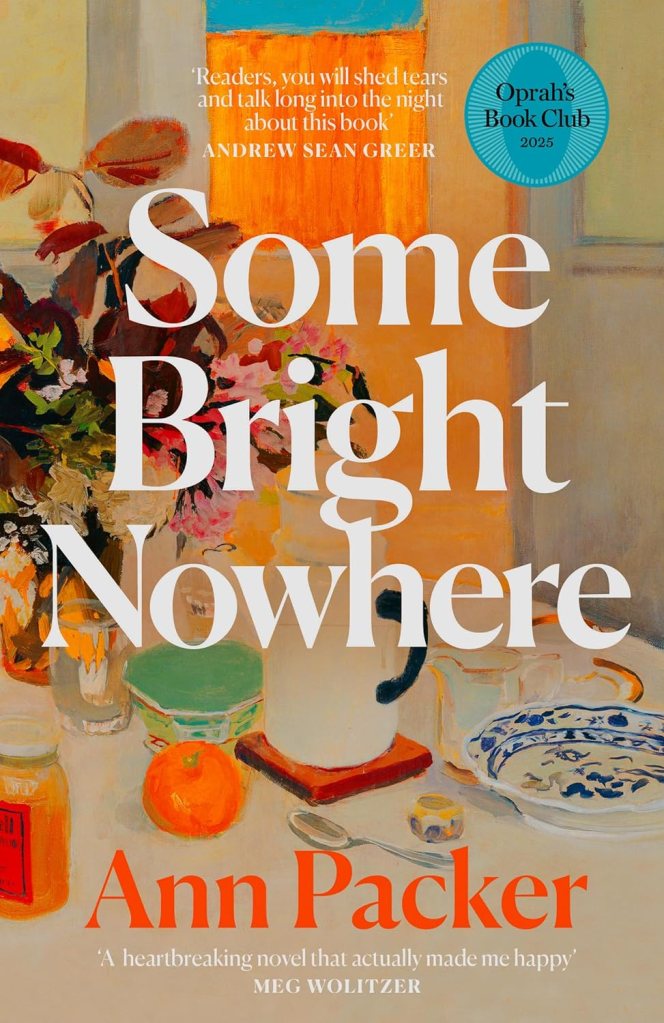
  • 👀 First impressions:
    Some Bright Nowhere is a quiet but emotionally weighty novel about marriage, caregiving and the unbearable uncertainty of approaching loss. Eliot and Claire have been married for nearly forty years, their life together shaped by routine, compromise and deep affection. When Claire’s long battle with cancer nears its end, Eliot prepares himself for the practical and emotional realities of goodbye. What he does not prepare for is Claire’s final request, one that forces him to confront the limits of love, selflessness and how well we ever truly know the people closest to us.

    What I Liked:
    Ann Packer writes with extraordinary emotional precision. The portrayal of long term marriage feels intimate and lived in, full of quiet gestures and shared history rather than grand declarations. Eliot’s perspective as a caregiver is especially well handled, capturing both the tenderness and the quiet erosion of self that comes with loving someone through illness. The novel asks difficult questions without offering easy answers, particularly around obligation, autonomy and the complexity of desire at the end of life. The restraint of the writing allows the emotional moments to land with real force.

    What I didn’t Like:
    The pacing is slow and deliberately contemplative, which may feel heavy for some readers. Much of the tension is internal, rooted in Eliot’s reflection rather than external action. While this suits the subject matter, it does require patience and emotional engagement from the reader.

    📚 Why You Should Read This Book:
    If you enjoy literary fiction that explores relationships with honesty and compassion, this book is deeply rewarding. It will resonate with readers interested in stories about marriage, caregiving and the moral grey areas of love. This is not a dramatic or plot driven novel, but one that lingers through emotional truth and quiet insight.

    💭 Final Thoughts:
    Some Bright Nowhere is a beautiful, painful exploration of what it means to love someone at the end of their life. It captures the way devotion can coexist with fear, resentment and profound uncertainty. Thoughtful and humane, this is a novel that stays with you, asking uncomfortable but necessary questions about love, sacrifice and goodbye.

    🛍️ Where to buy
    To buy your own copy click HERE and HERE

    Final Rating ★★★★ – Heartbreaking, thoughtful and deeply human

  • 👀 First impressions:
    First published in 1974, The Dispossessed is a science fiction novel that explores politics, philosophy and human nature through the story of Shevek, a physicist living on the anarchist moon Anarres who travels to the capitalist planet Urras. Often described as an “ambiguous utopia”, the novel immediately signals that this will not be a simple good versus evil narrative. Instead, Le Guin presents two flawed societies and asks the reader to sit with the discomfort of contradiction.

    What I Liked:
    The world building is extraordinary without ever feeling overwhelming. Anarres and Urras are richly imagined but always grounded in how people live, work, love and disagree. Le Guin’s writing is calm, intelligent and quietly powerful, trusting the reader to engage with complex ideas about freedom, ownership, power and responsibility. I particularly loved how Shevek’s personal struggles mirror the ideological tensions of both societies, making the political deeply human rather than abstract.

    What I didn’t Like:
    At times the philosophical discussions slow the pacing, especially for readers expecting a more action driven science fiction story. The structure, which moves back and forth in time, can also feel demanding, requiring attention and patience to fully appreciate how the narrative pieces fit together. This is very much a book that asks something of the reader.

    📚 Why You Should Read This Book:
    If you enjoy science fiction that challenges ideas rather than simply entertaining, this is essential reading. It is ideal for readers interested in political theory, social structures and ethical questions, or anyone who enjoys speculative fiction that feels intellectually and emotionally rich. Even decades after publication, its themes remain strikingly relevant.

    💭 Final Thoughts:
    The Dispossessed is a novel that rewards slow, thoughtful reading. It does not offer easy answers, instead inviting reflection on how societies are built and what they cost the people who live within them. Le Guin’s ability to balance big ideas with intimate character work is masterful, and the result is a book that stays with you long after the final page.

    🛍️ Where to buy
    To buy your own copy click HERE and HERE

    Final Rating ★★★★★ – A challenging, compassionate and deeply intelligent novel that earns its classic status.

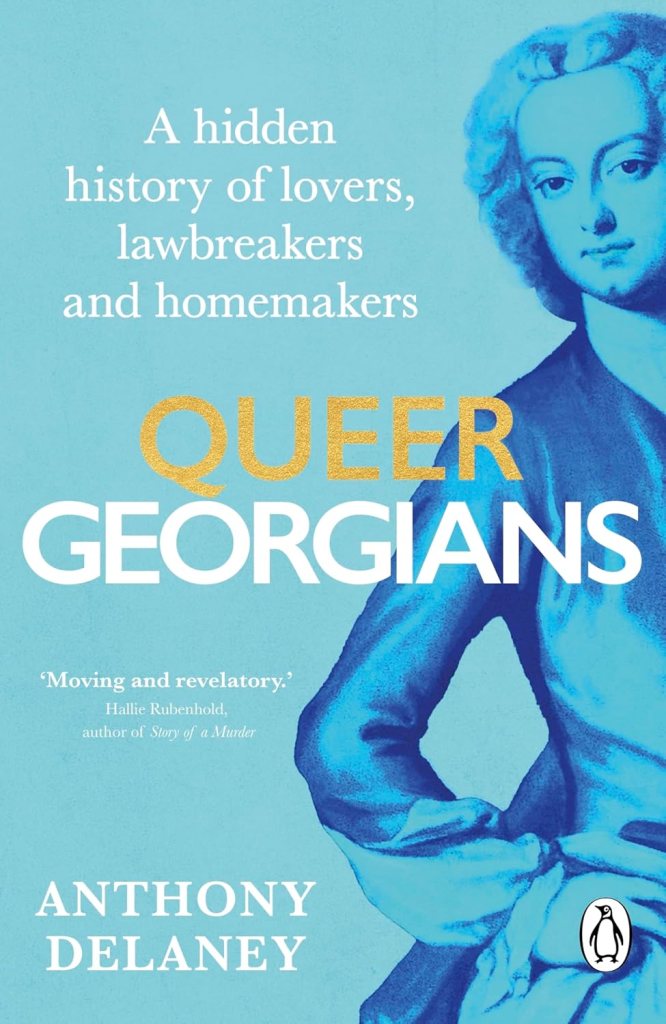
  • 👀 First impressions:
    Queer Georgians sets out to do something both necessary and joyful: reclaim the Georgian era from the idea that queerness is a modern invention. Anthony Delaney guides the reader through eighteenth century Britain, introducing real historical figures whose lives, relationships and identities challenge the neat, heterosexual narratives we are often taught. Drawing on letters, court records, art and gossip, the book paints a rich picture of a society that was far more complex and contradictory than popular history suggests. From aristocrats and artists to soldiers and socialites, Delaney brings these lives out of the footnotes and into the spotlight.

    What I Liked:
    The real strength of this book lies in its warmth and accessibility. Delaney writes with clarity and enthusiasm, making academic research feel inviting rather than intimidating. The stories feel human rather than abstract, filled with longing, defiance, secrecy and joy. I particularly appreciated how the book balances pleasure and pain, acknowledging the dangers queer people faced while also celebrating their resilience, creativity and community. There is a strong sense of respect for the people being discussed, never reducing them to scandals or curiosities.

    What I didn’t Like:
    At times, the structure can feel slightly episodic, with shorter sections that end just as you are fully immersed in a particular life. A little more depth in some chapters would have made an already engaging read even richer. Readers looking for heavy academic debate or theory might also find the tone more narrative than analytical, though that is very much part of its charm.

    📚 Why You Should Read This Book:
    If you enjoy history that challenges what you thought you knew, this book is an essential read. It is perfect for readers interested in LGBTQ+ history, the Georgian era, or anyone curious about how stories are shaped by who gets to tell them. It also works beautifully as a reminder that queer people have always existed, loved and left their mark, even when history tried to erase them.

    💭 Final Thoughts:
    Queer Georgians is celebratory, informative and quietly radical. It invites readers to rethink the past and, in doing so, better understand the present. Anthony Delaney succeeds in making history feel alive, relevant and inclusive without losing sight of the real people at its heart.

    🛍️ Where to buy
    To buy your own copy click HERE and HERE

    Final Rating ★★★★ – A vibrant reclaiming of history

  • 👀 First impressions:
    The Artist arrives with remarkable acclaim behind it. As the Waterstones Book of the Year 2025, winner of the Waterstones Debut Prize 2025, longlisted for the Women’s Prize for Fiction 2025 and featured as a Radio 4 Book at Bedtime, it already carries the weight of high expectations. From the first pages it becomes clear why. Set in Provence in 1920, the novel introduces Ettie, a young woman whose life revolves around creating the perfect environment for her uncle, the celebrated painter Edouard Tartuffe. When Joseph, an aspiring journalist, arrives hoping to secure the interview that will launch his career, the delicate balance in the farmhouse begins to shift. The heat, the isolation and the unspoken tensions create an immediate sense of simmering possibility.

    What I Liked:
    Ettie is an extraordinary character. Her silence is not weakness but watchfulness, and her yearning to be seen drives the emotional undercurrent of the book. Lucy Steeds writes with a painter’s precision, evoking the landscape of Provence in vivid colour and turning the remote farmhouse into a place brimming with secrets. Joseph’s presence introduces movement and disruption, allowing the story to explore questions of power, art and ownership with increasing intensity. The prose is elegant and immersive, and the slow burn tension leads to moments of real emotional impact. The novel’s themes of invisibility, desire and the cost of genius are handled with nuance and beauty.

    What I didn’t Like:
    The pacing unfolds slowly, particularly early on, which may be challenging for readers who prefer plot driven narratives. Some secondary characters remain hazy, which slightly weakens the impact of the final revelations. The ending lands powerfully, but its brevity may leave readers wishing for just a little more time to sit with Ettie’s transformation.

    📚 Why You Should Read This Book:
    This is a standout choice for readers who love literary historical fiction with psychological depth and rich atmosphere. The acclaim is deserved. The Artist is perfect for anyone who enjoys character driven stories about art, identity, autonomy and the quiet rebellions that change everything.

    💭 Final Thoughts:
    The Artist is a beautifully crafted and emotionally resonant debut. Lucy Steeds delivers a haunting exploration of creativity, control and the moment a woman chooses to step out of the shadows. With its accolades and its beautifully written pages, this is a novel that lingers long after the final chapter.

    🛍️ Where to buy
    To buy your own copy click HERE and HERE

    Final Rating ★★★★ – Evocative, intense and beautifully accomplished

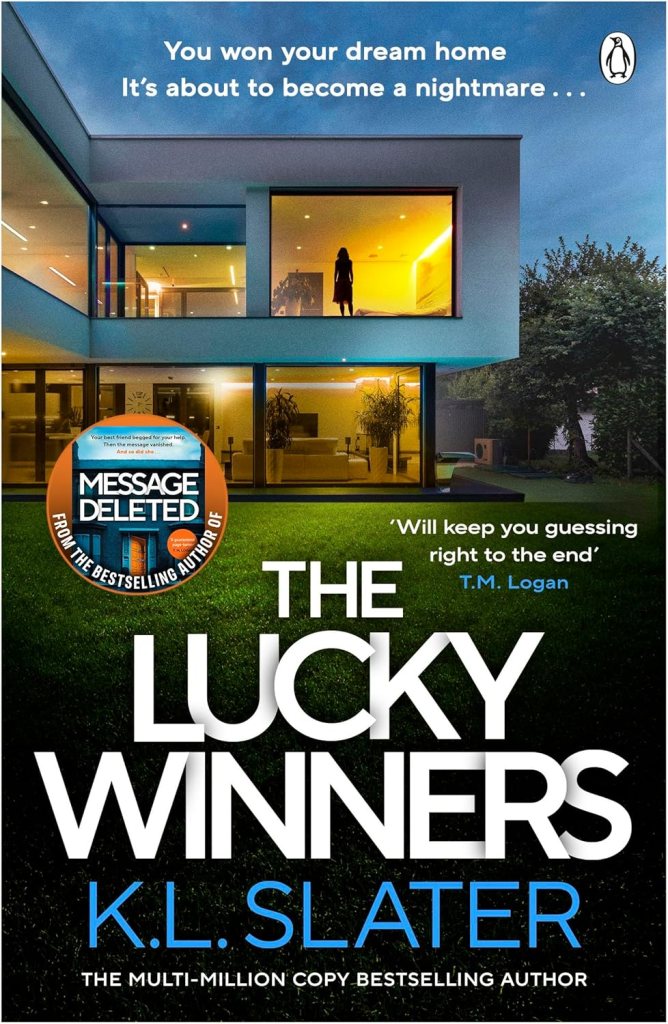
  • 👀 First impressions:
    The Lucky Winners begins with an irresistible setup. Merri and Dev win their dream home in a national prize draw, a sprawling glass walled mansion on a peaceful lakeside estate. It feels like a fresh start and an escape from the anxieties Merri has been quietly carrying. Yet from the moment they move in, there is a creeping sense that something is not right. The combination of sudden good fortune and Merri’s fear that someone has been watching her creates immediate tension and a foreboding mood that K. L. Slater builds with expert precision.

    What I Liked:
    The strength of this novel lies in how it blends domestic fear with psychological suspense. Merri is a compelling protagonist because her vulnerability makes every unexplained sound and shadow feel sharper. Slater uses the glass walls and isolated setting to full atmospheric effect, turning the stunning home into a place where privacy feels impossible. The relationship between Merri and Dev adds emotional weight, particularly as doubt and mistrust begin to grow. When a body is discovered in the lake, the sense of escalating danger becomes irresistible. Slater excels at planting subtle clues that keep you questioning everyone’s motives while tightening the tension chapter by chapter.

    What I didn’t Like:
    There are moments when the pacing feels uneven, especially in the early middle section where some scenes linger a touch longer than needed. A few of the twists land well but may feel familiar to seasoned thriller readers. Certain side characters could have been explored more deeply to heighten the emotional impact of the final reveals.

    📚 Why You Should Read This Book:
    If you enjoy domestic thrillers set in isolated, atmospheric locations where paranoia builds and nothing is quite as perfect as it seems, this book hits all the right notes. It is ideal for readers who love stories about hidden pasts, eerie homes and the unsettling idea that winning something too good to be true always comes with a cost.

    💭 Final Thoughts:
    The Lucky Winners is a gripping, tension filled thriller that transforms a dream home into a claustrophobic nightmare. K. L. Slater combines strong atmosphere, an engaging protagonist and well timed twists to create an addictive read that keeps you turning pages late into the night.

    🛍️ Where to buy
    To buy your own copy click HERE and HERE

    Final Rating ★★★★ – Creepy, compelling and drenched in suspense

  • If you like your festive season with a side of dread…

    Christmas is supposed to be twinkly lights, cosy jumpers, and mugs of something warm. But sometimes the dark nights feel a little too dark, and the old stories start whispering again. This week, I’m diving into Christmas horror, the perfect mash-up of comfort and chills.

    Whether you’re looking for something ghostly, gruesome, or just unsettling enough to make you pull the blanket a little tighter around your shoulders, here are five festive frights to get you through the season.

    🎄 1. All the White Spaces — Ally Wilkes

    Vibe: Isolated, bleak, atmospheric terror in an endless winter.
    Why Christmas Horror: Not festive, but the sheer cold, darkness, and creeping dread make it ideal December reading.

    Think The Terror but more psychological, more haunting. You’re surrounded by ice, plagued by something you can’t name, and the sun won’t rise for months. Perfect for reading when the wind is battering the windows.

    🎁 2. NOS4A2 — Joe Hill

    Vibe: Americana horror with a candy-cane heart of darkness.
    Why Christmas Horror: Christmasland. Enough said.

    Charlie Manx steals children and takes them to his twisted theme park where it’s Christmas forever, but not the good kind. This is the one that will ruin candy canes for you, and maybe Christmas carols too. Big, bold, unsettling fun.

    👻 3. The Valancourt Book of Victorian Christmas Ghost Stories (Series)

    Vibe: Crackling fireplace, shadows moving where they shouldn’t.
    Why Christmas Horror: Nothing is more traditional than telling ghost stories on Christmas Eve.

    These collections revive forgotten Victorian tales originally published for the festive season. It’s cosiness and creepiness all at once, like a mince pie laced with arsenic.

    🎅 4. Snowflake — Ruth Ware (short story)

    Vibe: Psychological, twisty, claustrophobic.
    Why Christmas Horror: Snowed-in tension meets festive pressure.

    A short but sharp little story about a woman heading home for the holidays, and realising things aren’t quite right. It’s perfect for readers who love domestic suspense with a frosty edge.

    🩸 5. Hark! The Herald Angels Scream — ed. Christopher Golden

    Vibe: Anthology chaos, funny, terrifying, weird.
    Why Christmas Horror: A whole stocking full of holiday frights.

    A brilliant collection featuring authors like Joe R. Lansdale, Kelley Armstrong, and Seanan McGuire. Each story tackles Christmas horror differently, demonic Santas, haunted decorations, and festive mayhem galore.

    ⭐ Final Thoughts

    Christmas horror is such a fun little niche: the warmth of the season contrasted with the coldness of fear. Whether you want a classic ghost story, a brutal thriller, or a supernatural snowstorm, the holidays are the perfect backdrop for something sinister.

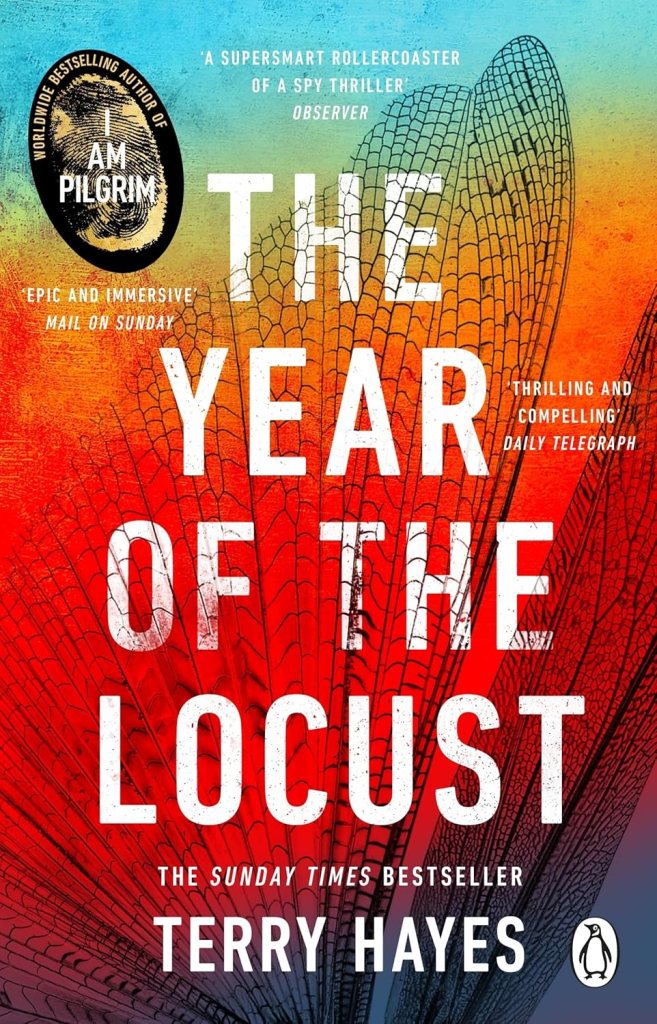
  • 👀 First impressions:
    The Year of the Locust begins with the kind of high stakes tension Terry Hayes is known for. We follow CIA operative Kane, a man accustomed to danger, who takes on what should be a routine mission near the Afghan border. It quickly becomes clear that nothing about this assignment will go to plan. From the opening chapters Hayes blends espionage, global politics and ominous hints of something far larger and more catastrophic unfolding. The scale is bold, cinematic and instantly gripping.

    What I Liked:
    Kane is a strong central character whose voice pulls the reader directly into the chaos around him. His grit, intelligence and vulnerability make him easy to root for as the mission spirals into something far stranger and more terrifying. Hayes excels at worldbuilding on a grand scale, shifting from covert operations to scientific intrigue to the eerie sense that humanity is on the edge of disaster. The pacing is confident and the stakes continuously build, creating a feeling that the ground is always shifting beneath your feet. The writing is sharp and immersive, and several scenes deliver a haunting sense of dread that lingers long after reading.

    What I didn’t Like:
    The sheer size and ambition of the novel can sometimes work against it. Certain sections feel overly long or dense, and a few plot threads are so expansive that they risk overwhelming the emotional journey of the protagonist. Some readers may find the tonal shifts between espionage thriller and apocalyptic fiction jarring, and there are moments where a tighter focus could have amplified the tension even further.

    📚 Why You Should Read This Book:
    If you loved I Am Pilgrim or enjoy thrillers that expand far beyond the boundaries of traditional spy fiction, this is an easy recommendation. The Year of the Locust offers a blend of action, sweeping global stakes and unsettling speculative elements that make it stand out from typical geopolitical thrillers. It is perfect for readers who want a novel that feels grand, immersive and thought provoking.

    💭 Final Thoughts:
    The Year of the Locust is a bold and absorbing thriller that showcases Terry Hayes at his most ambitious. Though occasionally heavy and sprawling, it delivers unforgettable moments, a compelling lead and a sense of scale rarely seen in modern thrillers. It is an intense, atmospheric journey into the heart of global crisis and the human will to survive.

    🛍️ Where to buy
    To buy your own copy click HERE and HERE

    Final Rating ★★★★ – Vast, gripping and hauntingly imaginative