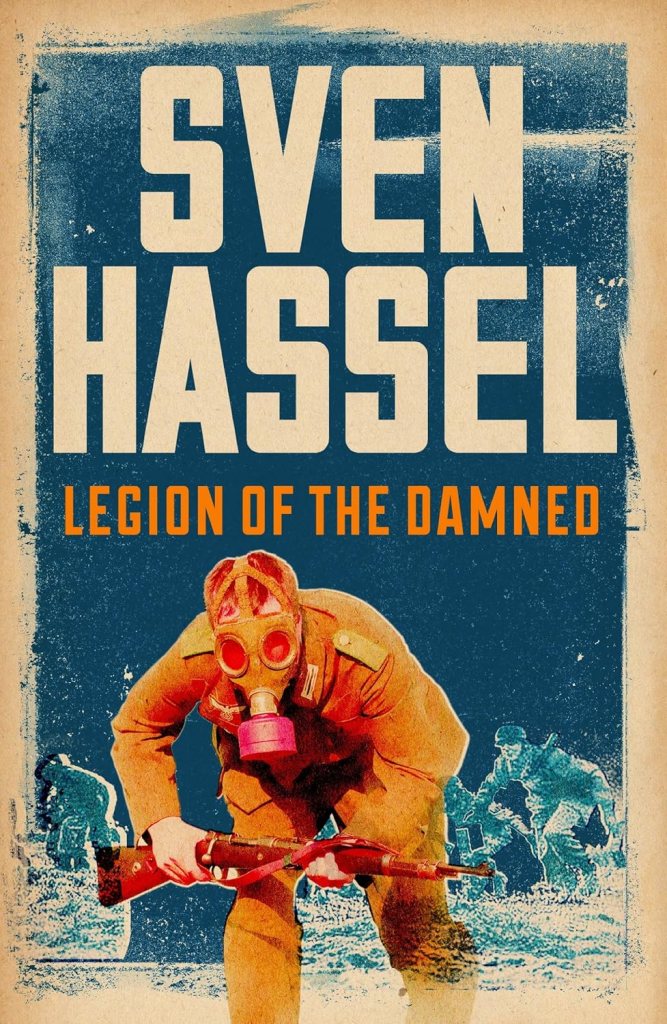

• 👀 First impressions:
    Legion of the Damned is one of those books whose reputation precedes it, a cult classic of war literature first published in 1953 and still widely discussed today. Sven Hassel draws heavily on his own controversial past as a soldier in the German penal battalions during the Second World War. The novel follows Porta, Tiny, the Legionnaire, and the rest of the motley crew as they are thrown into the meat grinder of the Eastern Front. From the opening pages it becomes clear that this is not a heroic war story. Instead, it is a grim portrait of survival among men who have already been written off by their own army. The tone is raw and unsentimental which immediately sets it apart from more polished military fiction.

    What I Liked:
    The book’s greatest strength is its honesty. Hassel does not pretend that war is noble or glorious and his characters certainly do not behave like traditional heroes. They are thieves, cynics, gamblers, and jokers yet they are also deeply human. The camaraderie between them is often the only thing that keeps the story bearable and those moments of humour feel like tiny rays of light in an overwhelmingly dark world. The writing is punchy and vivid which gives the battles a real sense of immediacy. You can smell the mud and cordite and feel the hunger and exhaustion that define their everyday lives. It is also a fascinating look at the penal units which are rarely explored in war fiction.

    What I didn’t Like:
    Some of the scenes are extremely violent and relentless which may make this a difficult read for many. The pacing can feel uneven as the narrative jumps between bleak humour and graphic brutality. There is also the long-standing debate around how autobiographical the book truly is because Hassel’s own wartime claims have been questioned. While this does not necessarily detract from the reading experience it may affect how one interprets the story.

    📚 Why You Should Read This Book:
    If you appreciate war novels that confront the reality of conflict without romance or sanitisation this is an essential read. It offers a perspective from the “other side” that is rarely shown and does so with remarkable clarity and grit. Readers who enjoy character driven stories will find themselves strangely attached to the ragtag group of antiheroes even as they stumble through horror after horror.

    💭 Final Thoughts:
    Legion of the Damned is harsh unforgettable and often shocking. It is both a piece of historical fiction and a human study of people forced into impossible circumstances. It leaves you with the uncomfortable truth that war does not produce heroes so much as survivors. It is not a book that everyone will enjoy but it is certainly one that leaves an impression.

    🛍️ Where to buy
    To buy your own copy click HERE and HERE

    Final Rating ★★★★★ – Dark, Powerful, and Relentlessly Human
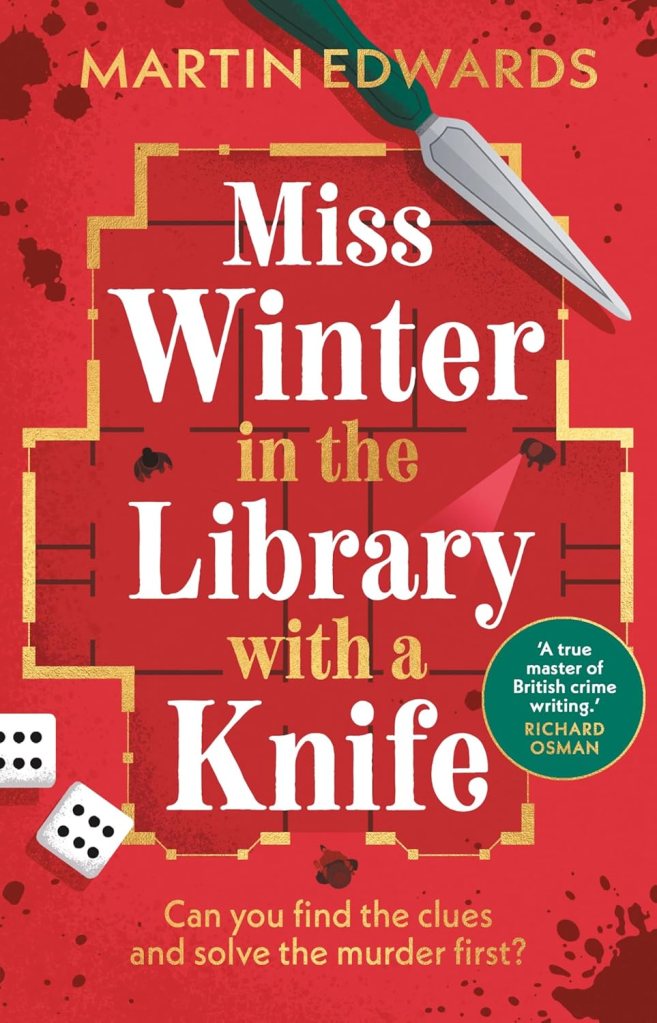
  • 👀 First impressions:
    Martin Edwards is a master of classic crime storytelling and Miss Winter in the Library with a Knife feels like a love letter to the Golden Age of mystery fiction. From the moment the story opens, there is a sense of nostalgia mixed with a sly modern twist. The premise is deliciously theatrical. A country house. A closed circle of suspects. A body discovered in a place that ought to be safe and silent. And at the heart of it all is Miss Winter, a character who manages to be both familiar in her genre roots and refreshingly unpredictable. The novel blends cosy crime charm with a wry sense of humour and a carefully plotted mystery that rewards close attention.

    What I Liked:
    The setting is wonderfully atmospheric. Edwards has a talent for painting scenes that feel straight out of a vintage detective novel, from creaking staircases to shadowy libraries. Miss Winter herself is the standout. She is observant, sharp and quietly formidable and her presence lifts every chapter. The mystery is cleverly constructed and clues are seeded with just enough subtlety to keep the reader guessing without feeling cheated. I also loved the affectionate nods to classic mystery tropes. It feels like Edwards is inviting the reader to share in the fun rather than simply following a formula.

    What I didn’t Like:
    There were a few structural lulls where the pacing felt slower than necessary and a couple of side characters were painted a little too lightly to fully invest in their motives. These moments didn’t undermine my enjoyment but they did occasionally pull me slightly out of the momentum of the mystery.

    📚 Why You Should Read This Book:
    If you love cosy crime that respects its Golden Age roots while still feeling fresh, this is a charming and clever pick. Fans of Agatha Christie, Anthony Horowitz’s Hawthorne series and Edwards’ own Rachel Savernake novels will feel perfectly at home. It is a satisfying mystery with a strong sense of place and a protagonist who deserves more adventures.

    💭 Final Thoughts:
    This is an engaging, comforting and smartly plotted mystery that hits all the right notes for classic crime lovers. Edwards brings warmth, wit and a delicate touch to the genre and Miss Winter is a character I would happily follow into further investigations. It captures the joy of traditional detective fiction while offering just enough modern sparkle to make it stand out.

    🛍️ Where to buy
    To buy your own copy click HERE and HERE

    Final Rating ★★★★ – A vintage mystery with modern charm

  • 👀 First impressions:
    I went into Namaste Motherfuckers expecting sharp humour, a bit of chaos, and a lot of honesty, and Cally Beaton delivers all of that with a refreshing lack of pretence. As a comedian and broadcaster, Beaton has a knack for cutting through polite filters and getting straight to the messy truth of modern life. The book blends memoir, social commentary, and self help in a way that feels both irreverent and surprisingly grounded. It dips into parenting, career reinvention, ageing, relationships, the corporate world and the quest for calm in a world that seems determined to resist it. It is part life lesson, part therapy session, part pint with a particularly hilarious friend.

    What I Liked:
    The thing that stands out is Beaton’s voice. She is honest without being self pitying and funny without using humour as a shield. Every chapter feels like a conversation with someone who has been through enough to earn some wisdom but is not trying to preach at you. Her anecdotes are vivid and her reflections often hit deeper than expected. I also enjoyed her ability to balance vulnerability with sharp observational humour. She is very good at saying the thing most people think but would never actually say aloud.

    What I didn’t Like:
    A few of the ideas became a little repetitive and occasionally the shift between humour and seriousness felt abrupt. Nothing major, just moments where I found myself wanting to get back to the storytelling rather than the reflection.

    📚 Why You Should Read This Book:
    If you enjoy memoirs that mix humour with honesty, this is an easy recommendation. Readers who like authors such as Sara Pascoe, Bryony Gordon or Caitlin Moran will feel immediately at home. It is a book that makes you laugh, think and occasionally wince in recognition. It is perfect for anyone navigating stress, burnout, family pressures or the sheer ridiculousness of modern life and wants a companion who understands all of it.

    💭 Final Thoughts:
    This is a bold, insightful and wickedly funny book that manages to feel both cathartic and comforting. Cally Beaton’s mix of chaos and calm works beautifully and she has written something that entertains as much as it reassures. It is warm, sharp and surprisingly heartfelt and I can see it resonating with anyone who feels like they are constantly trying to find balance in a world intent on knocking them off it.

    🛍️ Where to buy
    To buy your own copy click HERE and HERE

    Final Rating ★★★★ – Funny, frank and fully human

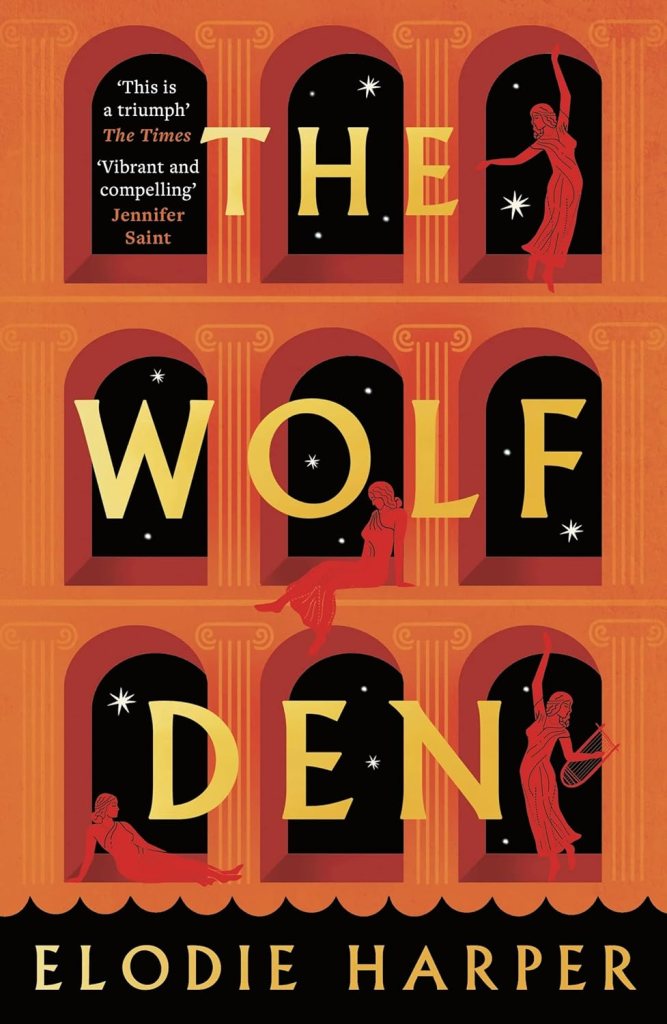
  • 👀 First impressions:
    Set in the bustling, dangerous world of ancient Pompeii, The Wolf Den follows Amara, a once free woman who has been sold into slavery and now lives and works in the city’s most infamous brothel, the Lupanar. The novel blends historical detail with emotional depth, revealing a world full of power plays, quiet rebellions, found family, and the constant tension between survival and hope. From the first chapter, Harper immerses the reader in the daily life of the marginalised women who lived on the edges of Roman society. It is not just a tale of hardship but a story that centres female resilience and ambition in a world determined to crush both.

    What I Liked:
    unforgettable. Harper brings Pompeii to life with vivid but readable historical detail, creating an atmosphere that feels authentic without overwhelming the reader. The relationships between the women in the Lupanar are the true heartbeat of the story. Their friendships, conflicts, humour, love, and pain give the novel emotional richness. The writing is fluid and beautifully crafted, balancing brutal reality with moments of warmth and intimacy. I also loved how the book examines power, exploitation, and survival through a lens that feels both historically grounded and incredibly relevant.

    What I didn’t Like:
    There are moments where the bleakness of the women’s circumstances becomes heavy, and some scenes are emotionally difficult to read. While this reflects the harsh realities of the time, it may feel overwhelming for readers looking for lighter historical fiction. The pacing also slows occasionally as Harper lingers on daily routines, though this ultimately enriches the world building more than it detracts from the narrative.

    📚 Why You Should Read This Book:
    If you enjoy historical fiction that gives voice to those history often forgets, this is essential reading. The Wolf Den is powerful and character driven, offering a fresh perspective on Pompeii that moves beyond marble villas and volcanic ash. Fans of Madeline Miller, Pat Barker, and Jennifer Saint will feel right at home. It is the first in a trilogy, so readers can follow Amara’s journey beyond the walls of the Lupanar.

    💭 Final Thoughts:
    The Wolf Den is immersive, emotional, and full of heart. Harper shines a light on the lives of women who lived with little freedom yet found ways to claim moments of joy and power. It is a novel that lingers long after the final page and sets the stage for an unforgettable series.

    🛍️ Where to buy
    To buy your own copy click HERE and HERE

    Final Rating ★★★★ – Raw and compelling with unforgettable characters

  • There is a particular enchantment to Scotland. The dark stone of Edinburgh, the vast quiet of the Highlands, the sea winds curling around the islands, the folklore that seems to hum beneath every loch and hillside. This week’s What to Read Wednesday celebrates that magic with books that capture Scotland’s voice, history, tension, and charm. These are stories shaped by the landscape, by its humour, its struggles, and its legends.

    For fans of brooding atmosphere: The Prime of Miss Jean Brodie by Muriel Spark

    There is nothing quite like Muriel Spark’s sharp, elegant prose, and this novel remains one of the most iconic depictions of Edinburgh. It blends humour, darkness, and character study in a way that feels distinctly Scottish and distinctly Spark. The school setting and the clipped dialogue create a low hum of tension beneath the charm.

    For Gothic readers who love a shiver: The Strange Case of Dr Jekyll and Mr Hyde by Robert Louis Stevenson

    Stevenson captures the duality of Edinburgh long before readers recognised the city’s blend of grandeur and shadow. Reading this classic with the idea of Old Town gloom and New Town elegance makes the story feel even more electric, as though the city itself split in two.

    For a modern Scottish voice: Shuggie Bain by Douglas Stuart

    This Booker Prize winner is raw, emotional, and beautifully written. Instead of the postcard version of Scotland, it explores Glasgow’s vulnerability and resilience. It is an unforgettable novel with characters drawn so vividly you feel the cold air on your skin and the ache in their hearts.

    For folklore lovers: The Callanish Stones and Lewis Trilogy by Peter May

    The windswept Outer Hebrides form the backdrop of May’s gripping trilogy. The isolation, mythology, and stark beauty of the islands create an atmosphere of haunting tension. It is perfect for readers who want crime fiction wrapped in mist and myth.

    For Edinburgh charm with a twist: The Bookshop on the Corner by Jenny Colgan

    If you want something cosy and uplifting, this Colgan novel is a love letter to books, community, and Scottish landscapes with a romantic thread. It is the literary equivalent of a warm café on a cold Royal Mile afternoon.

    For history woven with heart: The Winter Sea by Susanna Kearsley

    Kearsley blends Jacobite history with a slow unfurling romance and a gentle supernatural touch. The Scottish coastline becomes a living character, full of memory and mystery. It is atmospheric and deeply transportive.

    For crime lovers who want suspense steeped in Scottish identity: Knots and Crosses by Ian Rankin

    No Scottish reading list is complete without Ian Rankin. Rebus stalks the darker corners of Edinburgh, giving you a tour of the city’s underbelly while unravelling a tense, tightly crafted mystery.

    Final Thoughts

    Scotland offers a literary landscape as varied as its geography. From the towering cliffs of the islands to the narrow lanes of Edinburgh, every corner of this country holds a story waiting to be discovered. Whether you want crime, classics, folklore, or something cosy, these books bring the spirit of Scotland directly to your reading nook.

    If you want next week’s What to Read Wednesday to focus on Highland myths, Scottish women writers, or books set entirely in Edinburgh, just let me know and I’ll craft the perfect themed list.

  • 👀 First impressions:
    Heartwood begins deep in the Maine woods, where forty two year old Valerie Gillis vanishes only two hundred miles from completing her Appalachian Trail hike. Gaige immediately creates an atmosphere of isolation, cold air, and creeping dread as Valerie’s voice comes through in fractured, lyrical letters to her mother. Her storyline captures both physical struggle and emotional unraveling in a way that feels intimate and unsettling. Meanwhile, Beverly, a tenacious Maine State Game Warden, leads the search with methodical determination, and seventy six year old Lena, a sharp witted birdwatcher in a retirement community, becomes an unexpected third strand of the narrative. The shifting perspectives create a layered mystery that feels both human and suspenseful from the very begi

    What I Liked:
    The strongest element is Valerie’s voice. Her letters read like survival poetry, capturing her fear, hope, and the stark beauty of the wilderness. Beverly brings grounded realism, giving the reader insight into search tactics, terrain, and procedure while still revealing her own internal conflicts. Lena’s chapters add warmth and curiosity, offering a quieter but compelling thread that balances the tension of the main search. Gaige weaves these narratives together with careful pacing, unveiling clues slowly while building a deep emotional resonance. The sense of place is exceptional, with the woods feeling both breathtaking and merciless.

    What I didn’t Like:
    The lyrical style of Valerie’s sections may not appeal to readers who prefer straightforward narration. At times the switches between perspectives can feel abrupt, and a few character threads could have benefited from more time to develop. The mystery itself is more contemplative than twist heavy, which may not satisfy readers expecting a more conventional thriller.

    📚 Why You Should Read This Book:
    This novel is perfect for readers who love atmospheric mysteries with emotional depth. If you enjoy stories of survival, character driven suspense, and narratives that blend tension with introspection, Heartwood offers a rich and memorable experience. It is also ideal for fans of wilderness settings and literary thrillers that linger in the mind.

    💭 Final Thoughts:
    Heartwood is a beautifully written and quietly gripping novel that explores resilience, fear, and the surprising connections between strangers. Through three distinct voices, Gaige delivers a mystery that is as much about the human spirit as the question of what happened in the woods. It is tender, haunting, and deeply immersive.

    🛍️ Where to buy
    To buy your own copy click HERE and HERE

    Final Rating ★★★★ – Atmospheric, thoughtful, and full of quiet suspense

  • 👀 First impressions:
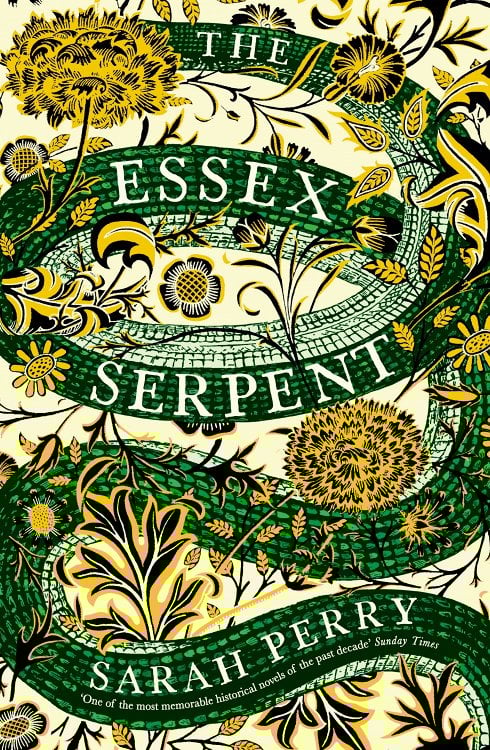
    The Essex Serpent begins with an irresistible mix of gothic atmosphere, Victorian unease and intellectual curiosity. Sarah Perry’s writing immediately stands out with its lyrical tone and rich historical detail. The novel introduces us to Cora Seaborne, newly widowed and intent on pursuing a life of freedom and discovery, who becomes fascinated by rumours of a mythical serpent haunting the Essex marshes. From the opening chapters, it feels like a story about belief, science, faith, obsession and the human longing to find meaning in the unknown. The setting in rural Essex is vivid and damp and eerie in that classic Victorian gothic way that pulls you in slowly but completely.

    What I Liked:
    The writing is stunning. Perry builds atmosphere with careful precision, creating a world that feels foggy, tactile and alive. Cora is a fascinating protagonist, complex and unconventional for the time period, and her dynamic with Reverend William Ransome is one of the strongest parts of the book. Their push and pull over science, faith and personal desire is beautifully done. I also loved the way the serpent itself becomes a metaphor rather than a simple plot device, representing fear, hope and change within the community. Every character feels layered, and the relationships are handled with emotional intelligence.

    What I didn’t Like:
    There are moments when the narrative becomes crowded with subplots that lose momentum before they find their purpose. Some readers may find the book more atmospheric than plot driven and this may not suit everyone. A few characters are so intriguing that I wanted more time with them than the story allowed.

    📚 Why You Should Read This Book:
    If you love literary historical fiction with gothic undertones, this is a must read. It is ideal for readers who enjoy character driven stories, complex emotional landscapes and beautiful writing that values atmosphere as much as action. It is also a great choice if you’re drawn to Victorian settings and stories that blur the lines between myth and reality.

    💭 Final Thoughts:
    The Essex Serpent is a haunting and elegant novel that explores love, belief and the mysteries that lie beneath the surface of ordinary life. It is slow burning but deeply rewarding, with a cast of memorable characters and writing that lingers long after the final page. A thoughtful and captivating read.

    🛍️ Where to buy
    To buy your own copy click HERE and HERE

    Final Rating ★★★★ – Atmospheric, elegant and beautifully unsettling

  • 👀 First impressions:
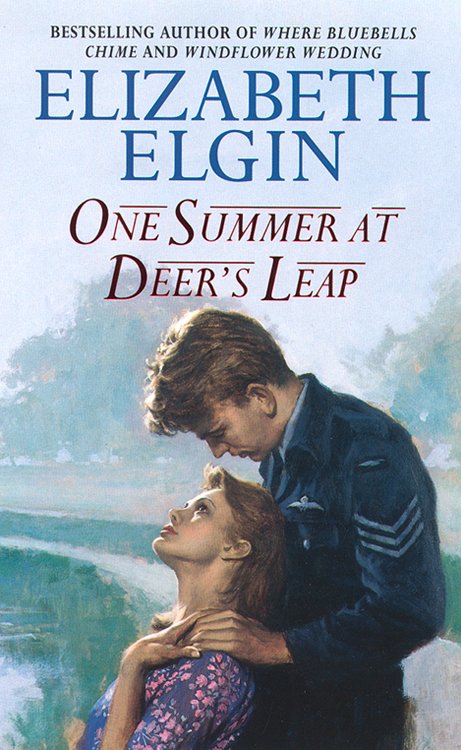
    One Summer at Deers Leap immediately pulled me in with its blend of nostalgia, romance and the lingering echoes of wartime memories. Elizabeth Elgin is known for her sweeping emotional sagas, and this one settles into that familiar, comforting space. The setting is beautifully rooted in rural Yorkshire, centred around Deers Leap, a place touched by both love and loss. The opening chapters promise a story about healing, rediscovering joy and finding connection in unexpected places. It has that classic saga feel with strong character histories and a gentle pace that mirrors summer days stretched long and warm.

    What I Liked:
    I loved the atmosphere of this book. Elgin writes landscapes with such affection that Deers Leap feels like a character in its own right. The characters arrive carrying their own emotional baggage and the way their stories slowly intertwine feels tender and authentic. The wartime threads are handled with care and add depth without overwhelming the present day storyline. The romance is subtle and slow building, which suits the reflective tone perfectly. There is a real sense of community too, with moments of kindness and warmth that give the novel its heart.

    What I didn’t Like:
    There are moments where the narrative lingers for longer than necessary and the storyline sometimes meanders. Some characters could have benefitted from more development, especially side characters who had interesting beginnings but were not fully explored. At times the transitions between past and present felt abrupt.

    📚 Why You Should Read This Book:
    This is a lovely choice if you enjoy emotional family sagas set against rural backdrops. Fans of gentle romance, generational secrets and stories that weave the past and present together will find lots to love. If you want a book that feels like stepping into a quiet countryside retreat, this is perfect for a slow afternoon read.

    💭 Final Thoughts:
    One Summer at Deers Leap is a warm, comforting saga filled with heartfelt moments, beautiful landscapes and characters learning to let go of old sorrows. It may not be fast paced, but it is rich in feeling and atmosphere. A gentle, satisfying read that leaves you with a sense of peace.

    🛍️ Where to buy
    To buy your own copy click HERE and HERE

    Final Rating ★★★ – A tender, nostalgic escape into a Yorkshire summer

  • 👀 First impressions:
    Playground immediately grabbed my attention with its blend of intimate human drama and sweeping intellectual curiosity, the kind Richard Powers is known for. The story revolves around the intersections of childhood, creativity, and the hidden forces that shape a young mind. From the opening chapters, it is clear that Powers is asking readers to consider the spaces where imagination becomes both refuge and battleground. His writing feels melodic and observant, drawing you slowly into a world where meaning can be found in the smallest gesture. As always, he wraps big ideas in deeply emotional storytelling, creating a novel that feels both ambitious and tender.

    What I Liked:
    This book feels alive with intelligence. Powers understands how to build characters from their inner silences, their fears, their flashes of wonder. Playground is filled with moments that feel simultaneously intimate and universal. I loved the way the narrative wove together questions of identity, education, family pressure, and the fragile line between nurture and control. The emotional beats land with precision and the prose is beautiful without feeling self indulgent. The setting of the playground itself becomes almost a living presence, representing both freedom and confinement. Watching the characters interact with this symbolic space created a layered and impactful reading experience.

    What I didn’t Like:
    There is very little here that faltered for me. Powers does ask for patience and attention, and some readers may find the philosophical threads dense. For me, the contemplative pacing added richness, though there were moments when I wanted certain ideas to unfold more quickly. It is a novel that requires you to settle in and let it wash over you.

    📚 Why You Should Read This Book:
    If you enjoy thoughtful literary fiction that asks meaningful questions about how we learn, grow, and define ourselves, this book is a must read. Playground is ideal for readers who appreciate emotional depth, character driven stories, and novels that explore complex themes with grace. Anyone who loved Powers earlier works or who simply wants to be fully immersed in a beautifully built world will find this worth adding to their shelf.

    💭 Final Thoughts:
    Playground is a remarkable story filled with heart, intellect, and a quiet sense of wonder. Richard Powers reminds us how powerful novels can be when they merge big ideas with genuine emotional connection. This is a book I will be thinking about for a long time.

    🛍️ Where to buy
    To buy your own copy click HERE and HERE

    Final Rating ★★★★★ –

  • 👀 First impressions:
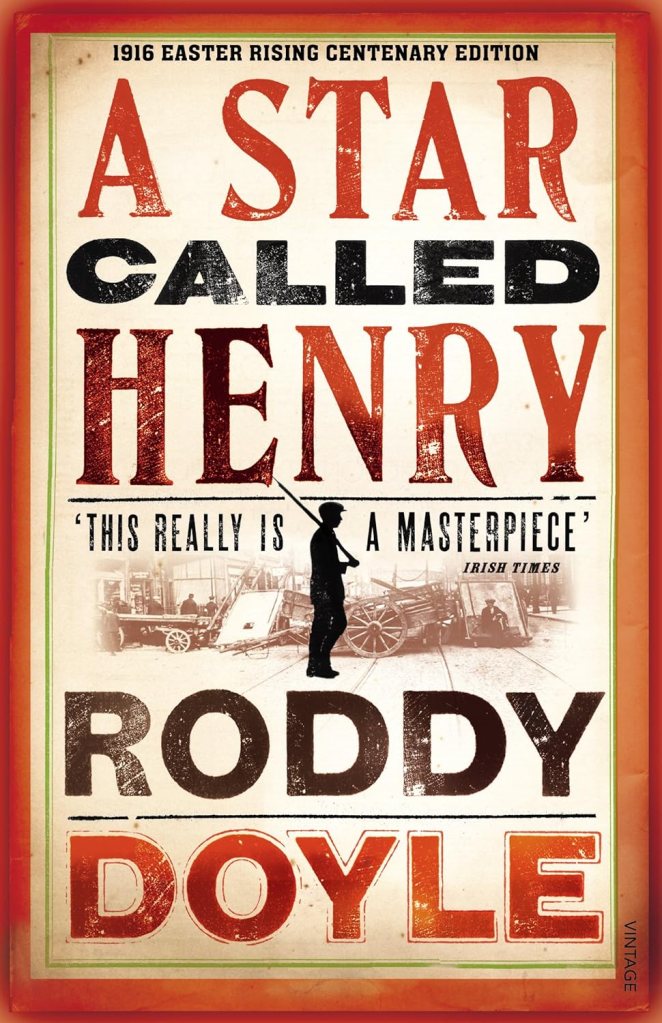
    A Star Called Henry immediately stands out as a bold and vivid reinvention of Irish history. Roddy Doyle takes readers deep into the streets of early twentieth century Dublin through the eyes of Henry Smart, a boy born into poverty and chaos who claws his way into the heart of the Irish Revolution. The opening chapters are raw, gritty, and full of kinetic energy as Henry grows up surrounded by violence, hunger, and rebellion. Doyle’s trademark dialogue feels alive on the page and the novel promises a sweeping, character driven look at the Easter Rising and beyond through a voice that is both vulnerable and ferociously resilient.

    What I Liked:
    Doyle’s greatest achievement here is Henry himself. He is a compelling narrator with sharp humour, stubborn determination, and an emotional honesty that makes even his darkest actions strangely sympathetic. The world building is striking. Dublin feels textured and real through the smells of the streets, the crowded tenements, and the tension simmering under political unrest. The blending of real historical figures with Henry’s personal journey is seamless. The pacing of the Revolution scenes is gripping and the novel’s exploration of identity, survival, and loyalty gives it a strong thematic core. Doyle’s prose is at its best when he leans into rhythm and voice, creating a narrative that feels almost musical.

    What I didn’t Like:
    Some sections feel overly dense and the novel occasionally drifts into long stretches where the emotional momentum falters. Henry’s larger than life endurance can stretch believability at times which may distance readers who prefer grounded realism. The dialogue is sharp but sometimes repetitive and the narrative voice, though brilliant, can overshadow the supporting cast.

    📚 Why You Should Read This Book:
    If you enjoy historical fiction that centres on strong character voice rather than strict factual retelling, this novel is a standout. Readers who love immersive settings, rebellious protagonists, and stories that mix historical events with deeply personal stakes will find this a powerful and memorable read.

    💭 Final Thoughts:
    A Star Called Henry is ambitious, atmospheric, and astonishingly alive. It captures the chaos of revolution through the eyes of a boy who refuses to be broken and it delivers both emotional weight and sharp social commentary. While it occasionally stumbles under the weight of its own intensity, it remains a vivid and unforgettable portrait of a turbulent era.

    🛍️ Where to buy
    To buy your own copy click HERE and HERE

    Final Rating ★★★★ – Very raw, very human, and very hard to forget