Some books are instant bestsellers. Others slip quietly into the world and build a loyal following over time. Those are the cult classics, the novels people passionately recommend, the ones that spark heated debates, and the books you either love or really don’t get.
This week, I’m rounding up cult classics, both the iconic staples and some newer titles already gathering their own devoted fandoms.
📖 Less Than Zero by Bret Easton Ellis (1985)
Cold, detached, and hypnotic, Ellis’s debut about the wealthy, disaffected youth of 1980s Los Angeles is a portrait of beautiful nihilism. A true cult cornerstone.
📖 The Secret History by Donna Tartt (1992)
Dark academia’s crown jewel. Murder, obsession, and a group of privileged classics students whose friendships spiral into tragedy. A modern cult classic that never loses its grip.
📖 House of Leaves by Mark Z. Danielewski (2000)
A labyrinth on the page as well as in the story. This experimental, genre-bending novel is confusing, terrifying, and unforgettable—exactly what a cult classic should be.
📖 Never Let Me Go by Kazuo Ishiguro (2005)
Eerie, melancholic, and quietly devastating, Ishiguro’s exploration of love, memory, and mortality has grown into one of the most beloved (and hotly discussed) modern classics.
📖 Bunny by Mona Awad (2019)
Darkly funny, surreal, and delightfully strange, Bunny has become the poster child for weird-girl lit. If you like books that make you say “what did I just read?”—this one’s for you.
📖 Yellowface by R.F. Kuang (2023)
Sharp, provocative, and impossible to put down, Kuang’s novel about publishing, privilege, and appropriation already has the energy of a cult favourite, sparking fierce conversations everywhere.
✨ Why reach for a cult classic? Because these books stay with you. They confuse you, challenge you, shock you, or even make you angry. But love them or hate them, you’ll never forget them.
Would you like me to keep the mix of old and new cult classics, or do you want a version that’s only focused on recent cult classics (say, from the 2000s onwards)?
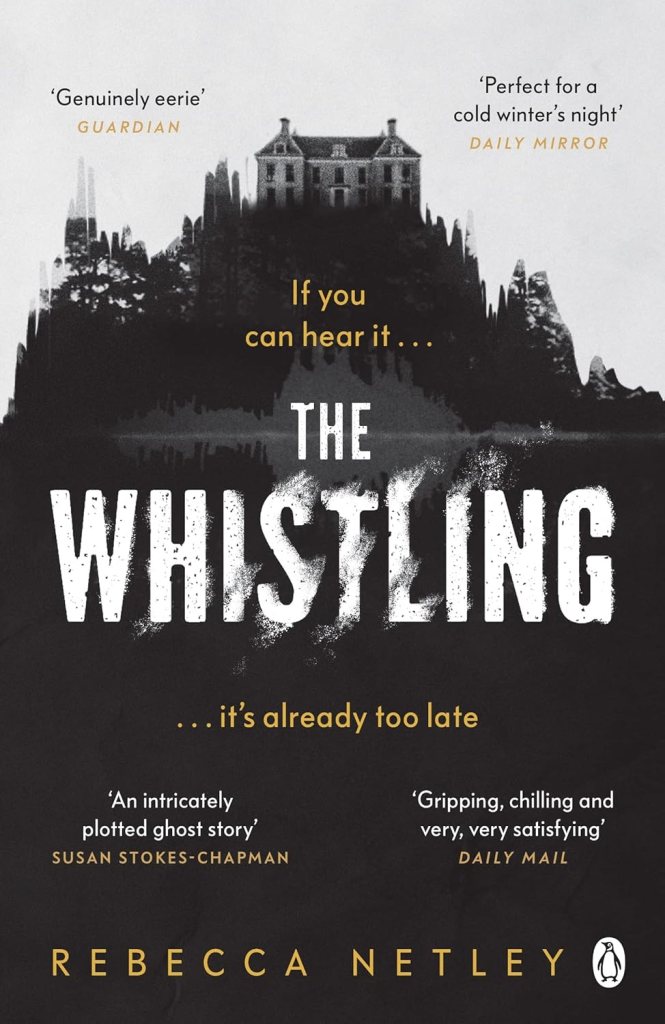
👀 First impressions: The Whistling immediately caught my interest with its remote Scottish island setting and its promise of a classic Gothic mystery. Elspeth travels to the isolated island of Skelthsea to work as a nanny for a young girl who has not spoken since her sister disappeared. From the moment she arrives, the island feels heavy with silence, superstition and secrets. Strange noises echo through the house at night, the villagers keep their distance and the whistling on the wind suggests something is terribly wrong.
The opening chapters create a strong sense of isolation and dread, and the entire book feels rooted in traditional ghost story territory while still offering an emotional modern narrative.
✅ What I Liked: I really enjoyed how vividly the author brings Skelthsea to life. The island feels wild, windswept and claustrophobic, which adds to the tension beautifully. The sense of creeping dread is handled extremely well. Instead of sudden scares, the fear builds slowly through atmosphere, whispers, shadows and half heard sounds.
I also appreciated the emotional depth of the story. Themes of grief, trauma and unresolved guilt shape the characters and make the haunting elements feel meaningful rather than decorative. The novel captures that classic Gothic feeling of a house full of secrets waiting to be revealed.
❎ What I didn’t Like: Some elements will feel familiar to anyone who reads a lot of Gothic fiction. There are moments when experienced readers may guess certain twists in advance. The middle section also slows slightly. The atmosphere remains strong but the plot takes its time before building toward the final reveal.
📚 Why You Should Read This Book: This is perfect for readers who love atmospheric ghost stories, isolated settings and mysteries influenced by folklore. If you enjoy slow building tension, eerie children, old houses and a strong sense of place, this is exactly the kind of book that will keep you turning the pages on a dark evening.
💭 Final Thoughts: The Whistling is a wonderfully moody ghost story that blends unsettling atmosphere with emotional storytelling. It feels both traditional and fresh, offering readers a haunting experience rooted in loss, superstition and the power of secrets. It is the kind of book that lingers in the mind long after you finish it.
🛍️ Where to buy To buy your own copy click HERE and HERE
Final Rating ★★★★ – Haunting, emotional and deeply atmospheric
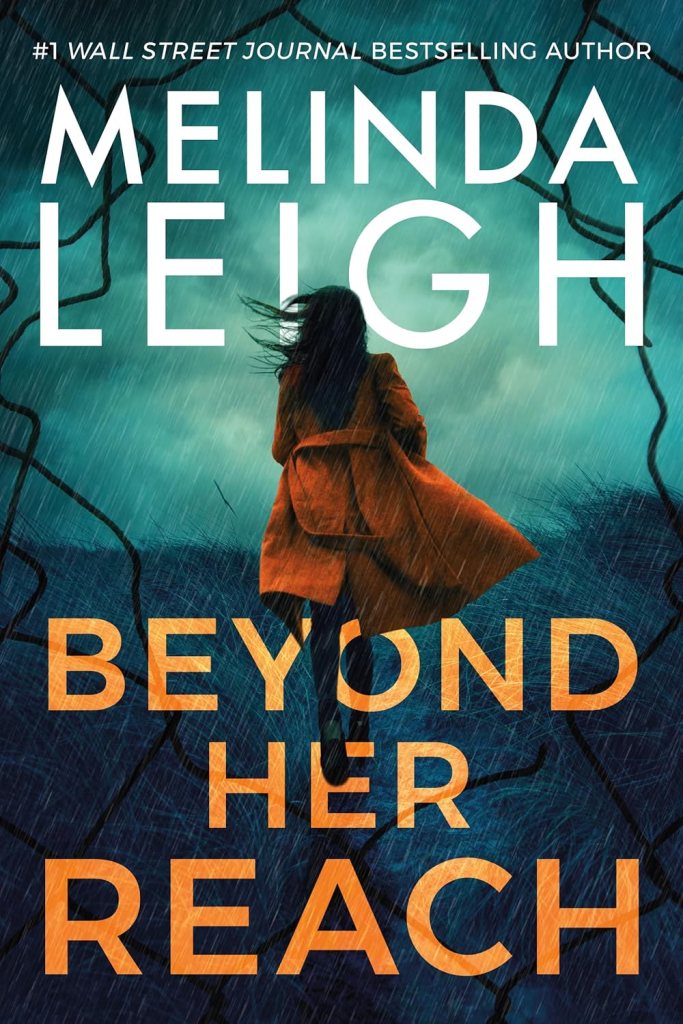
👀 First impressions: Beyond Her Reach is another gripping addition to Melinda Leigh’s long list of bestselling suspense novels. In this story, Sheriff Bree Taggert investigates a missing persons case that quickly spirals into something far more dangerous. Leigh blends domestic tension with high stakes investigation, creating a world where family secrets, trauma, and loyalty collide. The opening chapters set the tone immediately with a sense of urgency that never really lets up and the emotional heartbeat of the book is clear from page one.
✅ What I Liked: Leigh is incredibly strong at character driven suspense and that shines here. Bree is complex, capable, and deeply human. Her personal life intersects with her work in a way that enriches the tension rather than overwhelming it. The supporting cast feels grounded and believable which adds weight to every discovery. The mystery unfolds with tight plotting and the stakes escalate in a way that feels organic. Leigh’s writing is clean and precise which keeps the tension consistent throughout.
❎ What I didn’t Like: There are a few moments where the investigation feels slightly telegraphed. Some clues land a little too neatly which reduces some of the potential shock. A couple of emotional beats repeat similar themes which slows the momentum in spots. None of this undermines the core of the story but readers who prefer a more twist heavy plot may want slightly sharper turns.
📚 Why You Should Read This Book: If you enjoy fast paced, emotionally driven crime fiction, Melinda Leigh is one of the most reliable authors in the genre. Beyond Her Reach offers mystery, tension, vulnerability, and a protagonist you will root for. It is perfect for readers who love a blend of police procedural elements and domestic suspense.
💭 Final Thoughts: Smart, heartfelt, and gripping, Beyond Her Reach is another strong entry from Melinda Leigh. It balances character, danger, and emotion with confidence. Bree Taggert remains one of the most compelling heroines in modern crime fiction and this instalment only strengthens that reputation.
🛍️ Where to buy To buy your own copy click HERE and HERE
Final Rating ★★★★ – A tightly plotted suspense with heart and grit
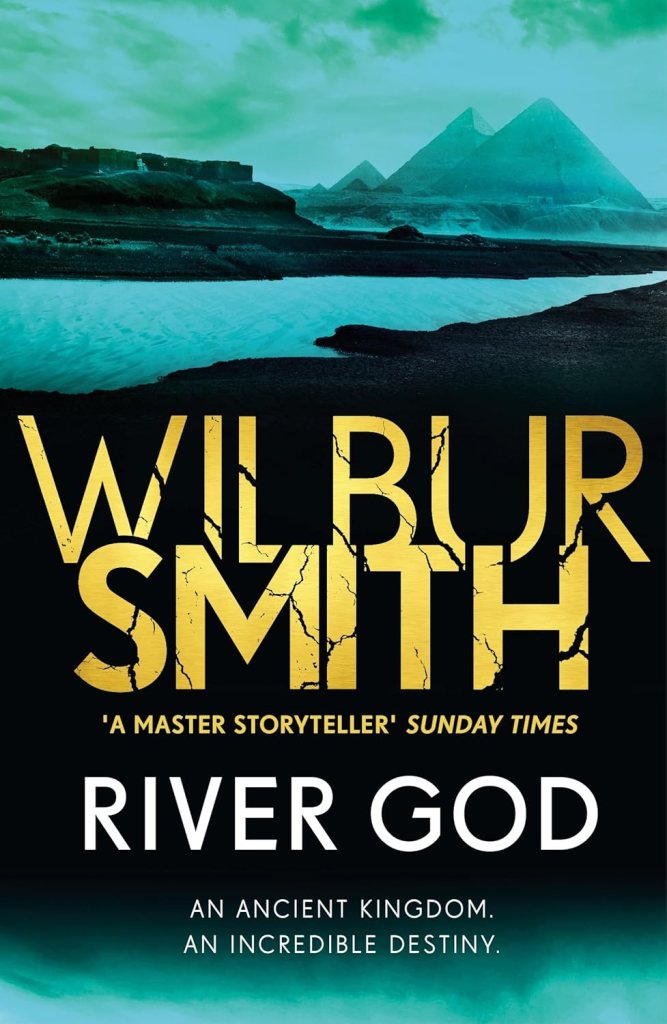
👀 First impressions: River God is one of Wilbur Smith’s most celebrated novels, first published in 1993 and set in ancient Egypt during the time of the 17th Dynasty. The story is told entirely through the eyes of Taita, a highly skilled and fiercely loyal slave whose intellect, humour, and talent for invention bring the world of the Nile vividly to life. What begins as a tale of courtly intrigue quickly widens into an odyssey of war, love, betrayal, and destiny. The scope is huge, the detail is rich, and the opening chapters immediately pull you into a world shaped by magic, politics, and the shifting sands of power.
✅ What I Liked: Smith is known for historical adventure, but here he reaches a new level of worldbuilding. Taita is a remarkable narrator. His voice is distinctive and often witty, giving the story a human heart even in its grandest moments. The descriptions of Egypt are lush and immersive. Everything feels alive. The political drama is gripping and the battles are cinematic. There are also strong emotional stakes. Love and loyalty drive much of the book and Smith balances drama with character authenticity.
❎ What I didn’t Like: The novel can feel indulgent in places. Taita is brilliant at almost everything which can occasionally make him feel a little too perfect. The pacing slows down at times, especially during extended descriptions or technical sections. A few plot leaps rely heavily on coincidence, which may pull some readers out of the story.
📚 Why You Should Read This Book: If you love historical fiction with a grand, sweeping storyline, River God is a standout choice. The Egyptian setting is atmospheric and beautifully realised. Taita’s voice, whether you love or raise your eyebrow at him, is unforgettable. This is the sort of novel that feels like a true saga filled with emotion, adventure, and immersive detail.
💭 Final Thoughts: River God is a powerful and emotionally driven epic that showcases Wilbur Smith at his best. It is both intimate and huge in scale with characters that stay with you long after the final page. Despite a few minor issues, its ability to transport you across centuries is remarkable and it remains a beloved modern classic of historical adventure fiction.
🛍️ Where to buy To buy your own copy click HERE and HERE
Final Rating ★★★★ – A sweeping adventure full of heart and history
👀 First impressions: I was immediately drawn to The Sentence because Christina Dalcher is known for blending dystopian ideas with sharp social commentary. The premise in this novel is intriguing. A controversial law forces people who commit certain crimes to undergo mandatory language therapy that is meant to reform their behaviour. It is a compelling setup with echoes of both linguistic control and government overreach. The book promises tension, ethically murky choices, and a main character forced to confront the consequences of a system she once believed in.
✅ What I Liked: Dalcher excels at high concept ideas and this book has one of her strongest. The connection between language, identity, and power is explored in a way that is both accessible and unsettling. The main character has a solid internal conflict and her shifting perspective is well handled. I also enjoyed the structure of the novel with its official documents, case files, and snippets of academic discourse. These additions make the world feel grounded and believable. When the story leans into moral ambiguity, it becomes genuinely gripping.
❎ What I didn’t Like: The execution did not always live up to the strength of the premise. The characters sometimes felt underdeveloped and I struggled to connect with some of their reactions. The story also shifted focus near the end, leaving certain threads feeling rushed. These moments weakened the impact of the central themes.
📚 Why You Should Read This Book: If you enjoy dystopian fiction that explores ethics, power, and how small decisions can reinforce harmful systems, this book will hold your interest. Fans of Vox or The Handmaid’s Tale style speculative fiction will likely appreciate the provocative questions this novel raises. It is also a good pick for book clubs because there is plenty to discuss regarding justice, rehabilitation, and how society chooses to punish.
💭 Final Thoughts: The Sentence is an ambitious and thoughtful dystopian novel with a fascinating concept at its core. While it does not always deliver on every emotional beat, it remains a compelling read with a strong thematic backbone. Christina Dalcher continues to be an author who is willing to push ideas to uncomfortable extremes and that makes her work worth picking up.
🛍️ Where to buy To buy your own copy click HERE and HERE
Every few months, like clockwork, the prologue debate rises from the ashes. Someone posts that they always skip prologues. Someone else insists that skipping them means you are missing the whole point. Authors chime in with mixed feelings. Readers start confessing their habits. And suddenly the entire bookish internet is knee deep in arguments about a single page before chapter one.
Why does this conversation never die Why does the humble prologue inspire such strong feelings And what does this ongoing debate reveal about us as readers
Let us talk about it.
We are all trying to find the perfect reading experience
At its core, the prologue discourse keeps returning because readers care about how stories make them feel. A prologue can shape that first impression. It can heighten anticipation, set the tone, or bring confusion. Readers want that initial spark to be just right. So when a prologue gets in the way of their ideal reading rhythm, it stands out.
Those who skip prologues often want to dive straight in. They want instant connection with characters and a sense of forward motion. Readers who love prologues want the opposite. They want atmosphere, context, and slow build intrigue. The disagreement is not about a page label. It is about what we crave at the start of a story.
Prologues expose our patience levels
Modern reading habits are shaped by fast content. BookTok, reels, audio snippets, short newsletters. Many readers are used to quick hooks. A meandering or overly cryptic prologue can feel like a hurdle.
On the other side, there are readers who love a moment of quiet scene setting. They enjoy being eased into a story rather than launched like a rocket.
The conversation keeps resurfacing because prologues hit directly on this clash between instant gratification and slow build storytelling.
We love to debate where a story should truly start
Readers adore talking about structure. Even those who do not consider themselves analytical readers have opinions about pacing, character introductions, and narrative choices.
A prologue is essentially the author saying, “The story starts here. Trust me.”
Readers disagree on whether that is true. Some feel the real story begins in chapter one. Others believe the prologue is the key that unlocks everything. That question will never have a single correct answer, which is why the debate is eternal.
Prologues highlight our trust in authors
A skipped prologue often indicates a level of scepticism. Readers might worry the section will be irrelevant, confusing, or disconnected from the main plot. Those who read every prologue demonstrate a willingness to trust the author from page one.
Both positions say something real about the reading experience. Trust is fragile. One poorly written prologue can ruin it for the next ten books. One exceptional prologue can make a reader loyal for life.
No wonder people keep discussing it.
The debate lets readers feel seen
Everyone has their quirks. Some people dog ear pages. Some annotate in six colours. Some skip straight to the end to see who survives. When someone admits they skip prologues, others rush in to agree because it feels validating. Meanwhile, prologue lovers leap to defend their favourite narrative tool.
It is one of those harmless conflicts that creates community. No one is truly harmed by skipping or reading a prologue, which makes it the perfect space for friendly disagreement.
What this says about us as readers
The ongoing conversation reveals that we are all trying to shape our reading experience to connect with books in a deeper way. Whether you love prologues or skip them entirely, your choice reflects your style, your preferences, and the way you engage with stories.
Prologues will continue to spark debate because reading is personal. The opening pages of a book set the emotional tone for everything that follows. Readers want that moment to feel right.
As long as books exist, the prologue discourse will be waiting in the wings, ready to resurface every few months like a reliable plot twist.
I would love to hear where you stand on prologues. Do you always read them, skip them without guilt, or decide case by case Share your thoughts in the comments and let’s keep the conversation going.
There’s something magical about falling in love with a book. But you know what’s even better? Falling in love with a book alongside someone else.
Buddy reading, the practice of reading the same book at the same time as a friend. has transformed the way I experience stories. What started as a casual “hey, want to read this together?” has become one of my favorite reading rituals. If you’ve never tried it, here’s why you absolutely should.
Reading Doesn’t Have to Be Solitary
We often think of reading as a deeply personal, solitary activity. And it is, there’s beauty in curling up alone with a good book. But it doesn’t have to be an either-or situation. Buddy reading lets you keep that intimate connection with the story while adding a whole new dimension of shared experience.
Think about it: when you watch a great TV show, you probably text your friends about it. When you see a movie, you discuss it afterward. Why should books be any different? Buddy reading brings that same communal energy to literature.
The Conversations Are Pure Gold
Here’s where buddy reading really shines: the conversations. When you’re both reading the same book at the same pace, you get to experience all those big moments together. The plot twists hit different when you can immediately message someone with “DID YOU JUST READ THAT?!”
Those spontaneous reactions, the gasps, the theories, the righteous anger at a character’s terrible decision, become shared memories. You’re not just reading a book; you’re creating inside jokes, debating motivations, and sometimes arguing passionately about whether the protagonist should have chosen door number one or door number two.
Some of my favorite literary discussions have happened in chaotic text threads at midnight, filled with spoiler warnings and capslock enthusiasm.
It Keeps You Accountable
Let’s be honest: we all have that TBR pile that’s threatening to topple over. We all have books we genuinely want to read but somehow never get around to starting. Buddy reading creates a gentle accountability that actually works.
When someone is waiting to discuss the next chapter with you, you’re much more likely to actually read it. It’s not pressure, it’s motivation. There’s something about knowing your reading partner is probably just as excited to talk about what happens next that makes you want to pick up the book instead of scrolling through your phone.
I’ve finally read so many books on my list simply because a friend suggested we read them together. Books I might have abandoned during slow sections became easier to push through because I knew a great conversation was waiting on the other side.
You See Books in New Ways
One of the most surprising benefits of buddy reading is how it expands your understanding of a book. Your reading partner will notice things you missed. They’ll have interpretations you never considered. They’ll connect dots you didn’t even see were there.
I once buddy-read a literary fiction novel and was completely focused on the protagonist’s relationship with her mother. My reading partner, meanwhile, was captivated by the symbolism of water throughout the book, something I’d barely registered. Our discussion afterward made me appreciate layers of the story I’d completely overlooked.
Different readers bring different perspectives, experiences, and insights. When you combine those, you get a richer, more complex understanding of the book than you might have achieved alone.
It Works for Any Reading Speed
Worried that you read too fast or too slow? Buddy reading is surprisingly flexible. You can set chapter goals, read to specific page numbers, or just check in when you both finish. Some buddy readers prefer to stay in lockstep, others are fine with a few days’ difference.
The key is communication. Establish some ground rules about spoilers, decide on your check-in points, and respect each other’s reading pace. I’ve buddy-read with people who devour books in a day and others who take weeks. As long as you’re both enjoying the process, there’s no wrong way to do it.
How to Start Buddy Reading
Ready to give it a try? Here’s how to jump in:
Find your reading partner. This could be a friend, family member, online book club member, or someone from social media. Look for someone whose taste overlaps with yours, but don’t worry if you don’t agree on everything, different perspectives make it interesting.
Choose your book together. Pick something you’re both genuinely excited about. New releases work great because you’re discovering the story at the same time, but backlist titles and classics are wonderful too.
Set expectations. Decide how you want to pace yourselves, how often you’ll check in, and how you’ll communicate. Text? Voice notes? Video calls? There’s no wrong answer.
Create a spoiler-free zone. If one person gets ahead, they need to zip it. The magic of buddy reading is experiencing those moments together, so protect that for each other.
Have fun with it. Send memes about the characters. Create a shared playlist. Make predictions. Treat it like the social, joyful experience it should be.
Not Every Book Needs a Buddy
Here’s the thing: buddy reading isn’t meant to replace solo reading. Some books you’ll want to experience alone, at your own pace, in your own way. And that’s perfect. Buddy reading is just another tool in your reading life, not a replacement for the quiet joy of reading solo.
But for the right book with the right person? Buddy reading can transform a good reading experience into an unforgettable one. It reminds us that while books may be written by one person and read by one person at a time, stories have always been meant to be shared.
So grab a friend, pick a book, and dive in together. Your next favorite reading memory might be just a “want to read this with me?” away.
👀 First impressions: The description of A Quiet Contagion instantly drew me in. A dual-timeline mystery set in 1957 and 2017, it explores a long-buried pharmaceutical secret that still casts a shadow decades later. When Wilf, a retired scientist, takes his own life, his granddaughter Phiney begins to investigate what drove him to such a decision. The story moves between her search for answers and the events at a Coventry laboratory many years earlier.
This book promised a mix of historical intrigue and emotional depth, and it certainly delivered both. It is not a fast-paced thriller but a slow-burning story about guilt, truth, and the price of silence.
✅ What I Liked: The atmosphere is beautifully written. Jane Jesmond captures both time periods vividly, from the tense, post-war scientific world of the 1950s to the quieter, more personal investigation in the present day. The moral questions at the heart of the story kept me thinking long after I finished.
I also appreciated how the mystery unfolded. Instead of relying on shocking twists, it layered small revelations that gradually built toward a powerful ending. The emotional weight behind Wilf’s story felt real and heartbreaking.
❎ What I didn’t Like: The pacing dipped a little in the middle, and with several characters introduced early on, it took time to find my footing. Once the connections became clearer, though, the story found its rhythm again.
📚 Why You Should Read This Book: If you enjoy thoughtful mysteries that focus on the human consequences of secrets, A Quiet Contagion is a great choice. It will appeal to readers who like historical fiction, moral dilemmas, and stories that explore how the past can quietly shape the present.
💭 Final Thoughts: A Quiet Contagion is haunting and intelligent. It examines how a single event can ripple through generations, leaving silence and guilt in its wake. It is a story that takes its time but rewards patience with a deeply moving conclusion.
🛍️ Where to buy To buy your own copy click HERE and HERE
Final Rating ★★★★ – Quiet, Reflective, and Chilling
👀 First impressions: A Woman of No Importance by Sonia Purnell tells the extraordinary true story of Virginia Hall, an American woman who became one of the most effective spies of World War II. Rejected by the US Foreign Service for her disability, she had a prosthetic leg, Hall went on to join Britain’s Special Operations Executive and later the American OSS, working undercover in Nazi-occupied France. Purnell’s biography reads like a thriller, chronicling Hall’s courage, cunning, and sheer determination as she built resistance networks under constant threat of capture.
✅ What I Liked: This book is a masterclass in narrative nonfiction. Purnell balances impeccable research with a propulsive, cinematic style that makes you forget you’re reading history. Virginia Hall herself is a revelation, clever, resourceful, and quietly rebellious. I especially appreciated how Purnell doesn’t shy away from showing the institutional sexism and ableism Hall faced, even from her own allies. The sections on her operations in Lyon and her harrowing escapes are among the most suspenseful I’ve read in nonfiction.
❎ What I didn’t Like: At times, the level of historical detail can be dense, particularly when the book dives into bureaucratic politics or side characters within the intelligence agencies. Some readers might find these sections slow compared to the more action-driven parts of the story. But overall, this depth adds richness rather than detracting from it.
📚 Why You Should Read This Book: If you love biographies of trailblazing women, World War II espionage, or untold stories from history, this is essential reading. Fans of Code Name: Lise by Larry Loftis or The Spy and the Traitor by Ben Macintyre will find the same blend of suspense and meticulous storytelling here. It’s both an inspiring tribute and a call to remember the women who’ve been left out of the history books.
💭 Final Thoughts: Sonia Purnell restores Virginia Hall to her rightful place among history’s great heroes. It’s a thrilling, moving, and deeply human account of a woman who defied every limitation society tried to impose on her. A Woman of No Importance proves that sometimes the quietest people make the loudest impact.
🛍️ Where to buy To buy your own copy click HERE and HERE
Final Rating ★★★★★ – A spy, a survivor, a legend history nearly forgot
We all know that characters, plot, and prose are the pillars of a great story. But there’s one element quietly working behind the scenes that can make or break a book: pacing. It’s the rhythm of a story, the heartbeat that keeps readers turning pages, and the difference between “just one more chapter” and “I think I’ll put this down for now.”
What Exactly Is Pacing?
Pacing is the speed at which a story unfolds. It’s not just about short chapters or action scenes; it’s how an author balances tension and release, fast moments and slow ones, emotional beats and revelations. Every book has its own natural rhythm, and when done right, pacing can draw you in so completely that you lose all sense of time.
Think of it like music. A thriller might play at a racing tempo, while a literary novel might linger on each note. Both can work beautifully, as long as the pacing matches the story’s intention.
The Perils of Poor Pacing
We’ve all read books where the middle drags, where nothing seems to happen for pages on end, or where the ending feels rushed. Poor pacing can disconnect readers, making even the most beautifully written story feel sluggish or uneven.
Too slow, and you lose tension. Readers might admire the writing but not feel compelled to keep going.
Too fast, and you lose connection. Characters don’t have time to breathe, and emotional moments can feel shallow.
The key is balance, giving readers time to care but never enough time to get bored.
How Authors Control Pacing
Good authors are like conductors. They use structure, sentence length, and scene transitions to guide emotion and energy.
Short chapters and snappy dialogue quicken the pace.
Longer, reflective passages slow it down.
Cliffhangers, reveals, and time jumps act like accelerators.
Moments of stillness, a quiet conversation, a scenic description, serve as breathers before the next storm.
When authors get this balance right, the story flows naturally, and readers don’t even notice the technique. They just feel immersed.
Why Pacing Matters to Readers and Reviewers
For readers, pacing determines engagement. It’s the reason we binge-read thrillers in a single night or savor a slow-burn romance over a week. For reviewers, understanding pacing helps explain why a book worked or didn’t. Saying “the pacing dragged in the middle” isn’t nitpicking; it’s identifying a structural issue that affects the reading experience.
I’ll admit, pacing is my biggest reading bug bear. It’s often the thing I mention most in the “What Didn’t Work for Me” section of my reviews, because when pacing is off, it pulls me right out of the story. A beautifully written book can lose all momentum if it doesn’t know when to pick up the pace or slow down for impact.
Pacing isn’t about speed. It’s about timing. It’s about knowing when to hold a moment and when to let go.
Final Thoughts
The best books don’t all move fast, but they all move well. Whether it’s the slow burn of Rebecca or the breakneck intensity of Gone Girl, pacing is what keeps readers emotionally invested from start to finish.
Next time you finish a book, ask yourself, did the story carry me effortlessly, or did I have to push myself through it? The answer probably lies in the pacing.








 Minnie's Fiction Addiction