
• 👀 First impressions:
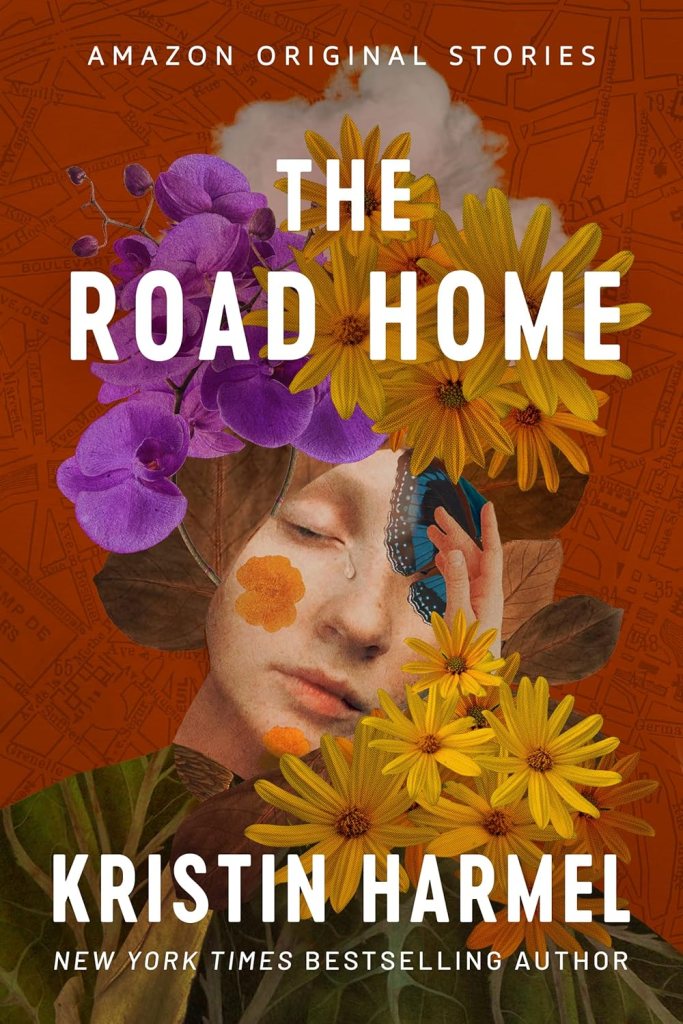
    Kristin Harmel has carved out a space for herself as a writer of emotional, historically grounded novels, often set during or after World War II. The Road Home continues in that tradition, weaving together themes of family, loss, resilience, and love. From the very first chapter, I was pulled into the emotional gravity of the story. Harmel’s writing is accessible yet evocative, creating characters that feel instantly real and situations that feel both intimate and historically rich. The title itself hints at a journey not just of place, but of heart, and that’s exactly what unfolds.

    What I Liked:
    Harmel is a master of writing characters you immediately care for, and in The Road Home that emotional connection is at the forefront. The relationships between characters are beautifully rendered, whether it’s the bonds of family or the fragile hope of new love. What stood out most was the exploration of resilience in the face of unimaginable hardship, Harmel writes about survival not just in terms of physical endurance, but also emotional strength and the will to keep going when everything seems lost.

    I also appreciated the historical detail, which grounds the story without ever overwhelming it. You can tell Harmel has done her research, but she uses it to enrich the characters’ journeys rather than drown the reader in facts. The pacing is strong, moving between heartbreak and hope in a way that keeps you invested.

    What I didn’t Like:
    There were moments where the narrative leaned a little heavily into sentimentality. While I enjoy Harmel’s emotional style, a few passages felt slightly over-explained, as if the novel didn’t fully trust the reader to feel the weight of the moment without extra nudging. Some plot turns were also predictable, especially if you’ve read a lot of historical fiction in this vein, which softened the impact of certain reveals.

    📚 Why You Should Read This Book:
    If you enjoy historical fiction that balances heartache with hope, The Road Home will be right up your street. Fans of authors like Pam Jenoff, Martha Hall Kelly, or Kristin Hannah will feel at home here. It’s a story that reminds us of the strength of love and memory even in the darkest of times, and Harmel’s writing makes it deeply accessible for anyone who loves character-driven storytelling.

    💭 Final Thoughts:
    The Road Home is a touching and heartfelt novel that reminds us of the importance of resilience, hope, and the bonds that carry us through. While it sometimes edges toward predictability, the strength of Harmel’s characters and the beauty of her prose more than make up for it. This is the kind of book that lingers, not just for its historical setting, but for the emotional truths it carries.

    🛍️ Where to buy
    To buy your own copy click HERE

    Final Rating ★★★★ – Poignant, heartfelt, and beautifully told
  • Photo by Fethi Benattallah on Unsplash

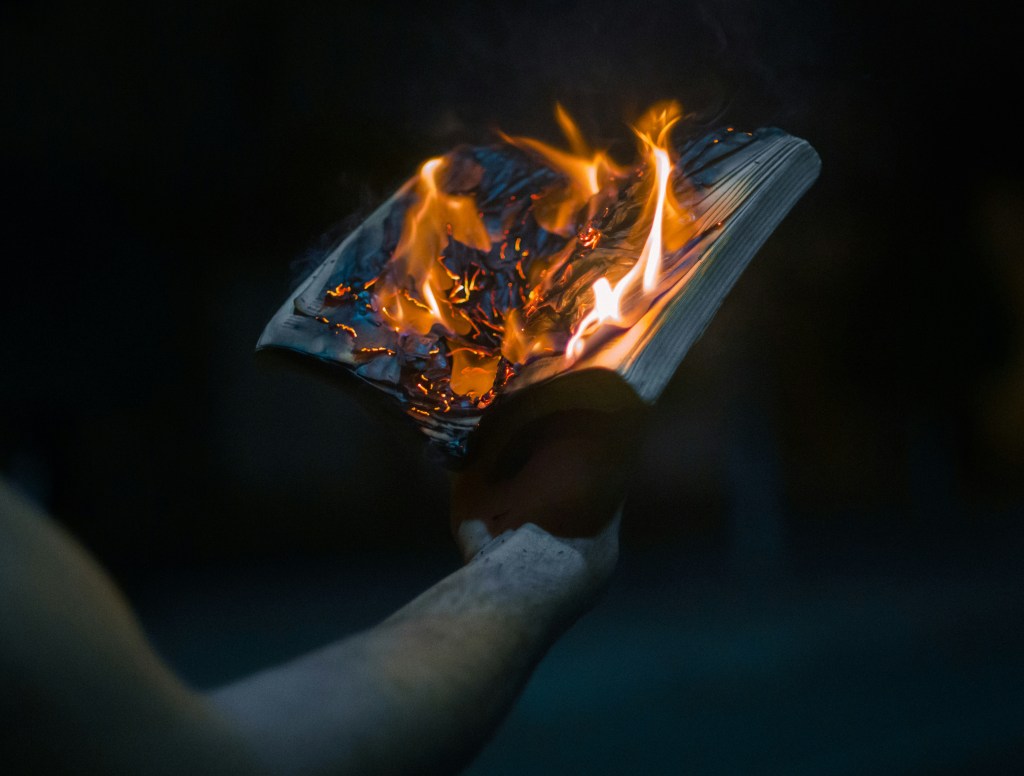
    Every October, Banned Books Week reminds us why the freedom to read matters. Across schools and libraries, books have been challenged, sometimes for difficult themes, sometimes for daring to question norms. Yet these very stories often become the ones that open our hearts, challenge our thinking, and make us better humans.

    This week, let’s celebrate the books that have been pushed aside yet still speak loudly. Here are some incredible banned or challenged reads to add to your TBR, complete with content notes so you can choose what’s right for you.

    🔥 The Handmaid’s Tale — Margaret Atwood

    Why it’s banned: Sexual content, depictions of oppression, religious and political critique.
    What it’s about: In the Republic of Gilead, fertile women (Handmaids) are forced to bear children for the ruling elite. Offred, one such woman, quietly resists while clinging to fragments of her past life.
    Content notes: Sexual assault, forced pregnancy, violence, totalitarian oppression, misogyny.
    Why you should read it: Atwood’s dystopia feels terrifyingly relevant, a stark reminder of how quickly freedoms can erode.

    🔥 To Kill a Mockingbird — Harper Lee

    Why it’s banned: Use of racial slurs, depiction of racism and injustice.
    What it’s about: Scout Finch grows up in the segregated South, witnessing her father, lawyer Atticus Finch, defend a Black man wrongly accused of assault.
    Content notes: Racism, racial slurs, false accusation, courtroom injustice.
    Why you should read it: Heartbreaking yet hopeful, it’s a timeless call for empathy and moral courage.

    🔥 The Hate U Give — Angie Thomas

    Why it’s banned: Strong language, discussion of police brutality and race.
    What it’s about: Starr Carter witnesses her best friend shot by police, catapulting her into activism while she wrestles with identity and community.
    Content notes: Police brutality, racism, gun violence, grief.
    Why you should read it: Raw and real, this modern YA classic explores what it means to find your voice against injustice.

    🔥 1984 — George Orwell

    Why it’s banned: Political themes, sexual content, “anti-government” ideas.
    What it’s about: Winston Smith quietly rebels against Big Brother’s oppressive regime, where truth itself is manipulated.
    Content notes: Psychological manipulation, totalitarianism, torture, surveillance.
    Why you should read it: Still chillingly relevant, Orwell foresaw the dangers of unchecked power and distorted truth.

    🔥 The Bluest Eye — Toni Morrison

    Why it’s banned: Sexual abuse, racism, challenging content about identity.
    What it’s about: Pecola Breedlove, a young Black girl, prays for blue eyes, believing they’ll make her beautiful and loved in a racist world.
    Content notes: Racism, sexual assault, child abuse, trauma, internalized shame.
    Why you should read it: Morrison’s prose is heartbreaking and profound, asking us to confront beauty standards, race, and worth.

    🔥 The Catcher in the Rye — J.D. Salinger

    Why it’s banned: Profanity, sexual references, “rebellious attitude.”
    What it’s about: Disillusioned teen Holden Caulfield narrates a few aimless days in New York City after being expelled from school.
    Content notes: Depression, suicidal ideation, grief, profanity.
    Why you should read it: A raw, iconic coming-of-age story about alienation and identity.

    🔥 Beloved — Toni Morrison

    Why it’s banned: Violence, sexual assault, and slavery’s traumatic legacy.
    What it’s about: Sethe, a formerly enslaved woman, is haunted by the past, and by the ghost of the daughter she lost.
    Content notes: Slavery, infanticide, sexual violence, trauma.
    Why you should read it: Haunting and poetic, Morrison forces us to reckon with history’s darkest truths while showing the resilience of love.

    🔥 Looking for Alaska — John Green

    Why it’s banned: Sexual content, teen drinking, and smoking.
    What it’s about: Miles “Pudge” Halter’s life changes at a boarding school when he meets the mysterious Alaska Young.
    Content notes: Teen drinking, smoking, grief, suicide.
    Why you should read it: Tender and bittersweet, it explores friendship, first love, and the messy questions of life and loss.

    🔥 Speak — Laurie Halse Anderson

    Why it’s banned: Depiction of sexual assault, “explicit” content.
    What it’s about: After being assaulted, Melinda retreats into silence, struggling to reclaim her voice and identity.
    Content notes: Sexual assault, trauma, depression, bullying.
    Why you should read it: Quiet yet powerful, a lifeline for anyone who’s felt voiceless after trauma.

    ✨ Why Reading Banned Books Matters

    When we read challenged books, we protect the right to hear hard truths, question power, and empathize with lives unlike our own. Censorship often tries to hide discomfort, but growth lives in discomfort.

    Reading banned books isn’t rebellion for rebellion’s sake; it’s saying: I choose to think, to feel, and to decide for myself.

    💬 Your Turn!

    Have you read any of these? Which banned or challenged book changed how you think? Or which one do you want to pick up this week?

  • 👀 First impressions:
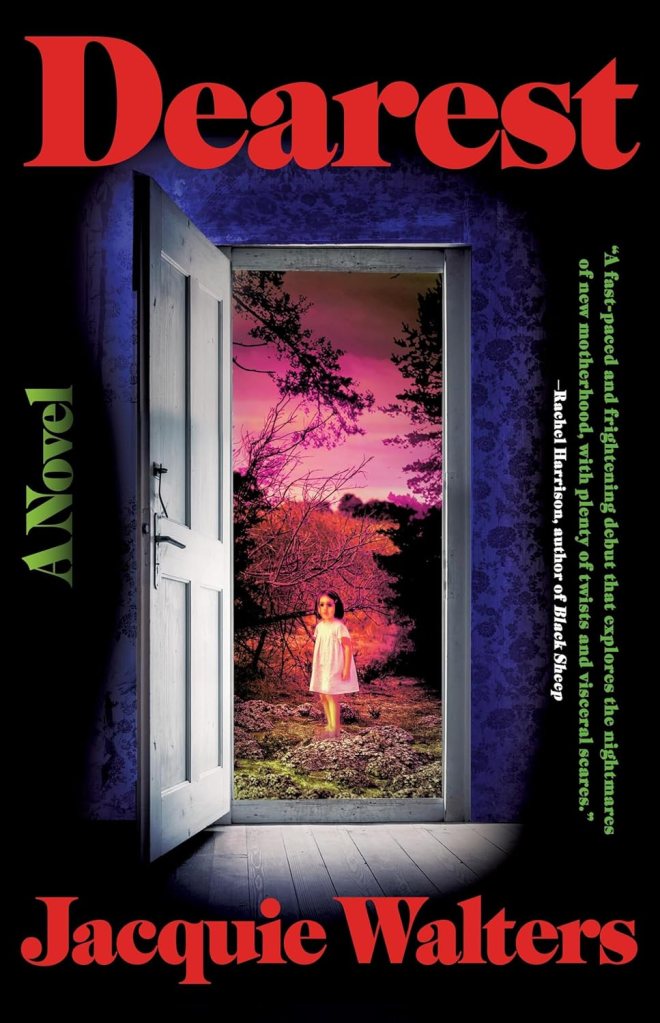
    From the very first page, Dearest had me hooked. The premise of a new mother grappling with exhaustion, self-doubt, and the sudden return of her estranged mother is already heavy with tension, but Jacquie Walters takes it further, twisting the domestic into something chilling and strange. The combination of new motherhood and horror feels natural here, after all, there’s something inherently unsettling about sleep deprivation, vulnerability, and the pressure to hold everything together. Walters doesn’t just tap into those fears; she digs beneath them.

    What I Liked:
    What impressed me most was Walters’ ability to capture the realities of motherhood in all its rawness. Flora’s emotional unraveling is vividly drawn, blurring the line between psychological and supernatural in a way that makes you question what’s real and what’s imagined. The atmosphere is suffocating at times, with ordinary household spaces taking on an eerie, almost hostile quality. Walters also brings real weight to the relationship between Flora and her mother. The intergenerational scars and unspoken resentments are laid bare, turning the novel into not just a horror story but also an exploration of legacy, identity, and how damage ripples through families.

    The writing itself is taut and immersive, carrying you along with a rhythm that mirrors Flora’s spiralling state of mind. Walters doesn’t shy away from difficult themes, and that bravery is part of what makes the book so affecting. It’s horror, yes, but it’s also a raw meditation on what it means to be stretched past your limits.

    What I didn’t Like:
    There were moments where the intensity felt a little too sharp, particularly in the more visceral body horror. Those passages sometimes pulled me out of the story when I would have preferred to linger on the psychological dread and emotional core. The supernatural elements, too, occasionally felt uneven, with shifts between inner turmoil and external threat that could have blended more seamlessly. Still, even in these moments, Walters’ ambition is clear, and the risks she takes give the novel its unique

    📚 Why You Should Read This Book:
    If you want a horror novel that does more than scare, Dearest is for you. It’s a story that blends the raw realities of motherhood with gothic unease, creating a narrative that’s as emotionally resonant as it is unsettling. This is horror with something to say, and Walters’ debut makes her a voice worth paying attention to.

    💭 Final Thoughts:
    Dearest is a haunting, ambitious novel that will stay with me for a long time. It doesn’t always get the balance perfect, but its willingness to push boundaries, to blend the visceral with the emotional, makes it stand out. Jacquie Walters has written a book that unsettles not just because of what lurks in the shadows, but because of the truths it reveals about family, love, and the fragile line between strength and collapse.

    🛍️ Where to buy
    To buy your own copy click HERE and HERE

    Final Rating ★★★★ – Raw, unsettling, and unforgettable

  • 👀 First impressions:
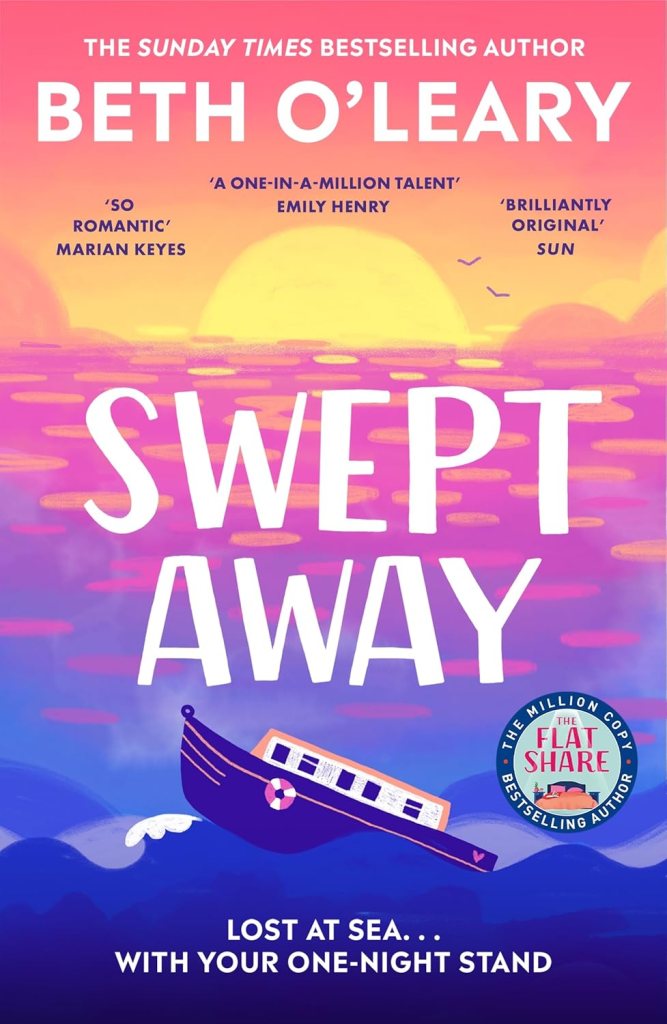
    Beth O’Leary has carved out a niche for herself as one of the queens of the modern romcom, and whenever she has a new release, I’m curious to see how she’ll twist familiar tropes into something fresh. Swept Away promised both romance and chaos, which is very much in O’Leary’s wheelhouse. Going in, I was expecting witty banter, heartfelt moments, and her trademark blend of light comedy with more serious undertones.

    What I Liked:
    There’s no denying O’Leary’s knack for creating endearing main characters. The leads here are flawed but likable, and their chemistry works well, especially in the sharper, funny exchanges. I also enjoyed the themes running beneath the romance: self-discovery, learning to be vulnerable, and how love often arrives when life feels its most chaotic. The setting itself adds charm, and O’Leary’s writing is warm and easy to slip into.

    What I didn’t Like:
    The novel felt uneven. Some of the plot relied heavily on contrived misunderstandings and coincidences, which at times pulled me out of the story. The pacing also stumbled, moments that should have been emotionally powerful were rushed, while some comedic detours dragged on longer than needed. A few side characters bordered on caricature, which lessened the impact of their roles in the story.

    📚 Why You Should Read This Book:
    If you enjoy O’Leary’s style, romance mixed with chaos, humor, and a touch of emotional depth, you’ll still find plenty to enjoy here. It’s a breezy, escapist read, perfect for fans of modern romcoms who don’t mind suspending disbelief to enjoy the ride.

    💭 Final Thoughts:
    Swept Away is a fun, lighthearted romance with flashes of O’Leary’s trademark charm, but it didn’t reach the heights of her strongest novels for me. It has moments of wit and warmth, but also stretches of predictability and uneven storytelling. A pleasant read, but not one that will linger with me for long.

    🛍️ Where to buy
    To buy your own copy click HERE

    Final Rating ★★★ – Charming but inconsistent

  • 👀 First impressions:
    From the opening pages, The Unconsoled plunges you into a disorienting, dreamlike world where nothing quite makes sense. The protagonist, Ryder, a renowned pianist, arrives in an unnamed European city for a performance, but the narrative quickly dissolves into surreal encounters, impossible geography, and time that bends in inexplicable ways. It feels like being trapped in someone else’s anxiety dream, deliberately unsettling and profoundly strange.

    What I Liked:
    Ishiguro’s ambition here is undeniable. The dream logic creates an atmosphere of persistent unease that’s genuinely haunting. The way he captures the feeling of being perpetually behind, overwhelmed by others’ expectations, and unable to fulfill basic obligations resonates on a psychological level. There are moments of dark humor in the absurdity, and the novel’s exploration of artistic responsibility, memory, and emotional disconnection is thought-provoking. For readers willing to surrender to its strange rhythms, it offers a uniquely immersive, almost hypnotic experience. The writing itself remains characteristically elegant, even as the narrative spirals into chaos.

    What I didn’t Like:
    This is one of the most challenging books I’ve read. At over 500 pages, the repetitive, circular conversations and lack of forward momentum test your patience relentlessly. Ryder is a frustratingly passive, self-absorbed protagonist who stumbles through endless interruptions without agency or self-awareness. The dreamlike structure means there’s no conventional plot resolution or satisfying payoff—it simply ends without closure. The Kafkaesque absurdity that some find brilliant, others will find maddening. I found myself irritated by the constant derailments and the emotional distance from every character. This is experimental fiction at its most uncompromising, which means it often prioritizes atmosphere and psychological texture over readability.

    📚 Why You Should Read This Book:
    You should read The Unconsoled if you’re drawn to experimental, avant-garde literature and enjoy authors like Kafka or Beckett. If you appreciate novels that capture psychological states rather than tell conventional stories, this might be for you. It’s a bold departure from Ishiguro’s other work and shows his range as a writer. However, I’d strongly advise against this as your first Ishiguro novel—try The Remains of the Day or Never Let Me Go first. This is for readers who want to be challenged, who don’t mind frustration as part of the reading experience, and who value ambitious artistic experiments even when they’re not entirely successful.

    💭 Final Thoughts:
    The Unconsoled is genuinely divisive, even devoted Ishiguro fans are split between considering it his masterpiece or his weakest work. I land somewhere in the middle: I respect what Ishiguro was attempting and found passages genuinely affecting, but the experience was often more exhausting than rewarding. It’s a book I’m glad I read, but I can’t say I enjoyed reading it. If you’re curious about literary experimentation and have the patience for a long, strange journey that may not lead anywhere satisfying, give it a try. Just know what you’re getting into, this is less a novel and more an extended meditation on anxiety, failure, and the impossibility of meeting expectations, rendered as a waking nightmare.

    🛍️ Where to buy
    To buy your own copy click HERE

    Final Rating ★★★ – Ambitiously frustrating, a nightmare rendered with elegant prose

  • 👀 First impressions:
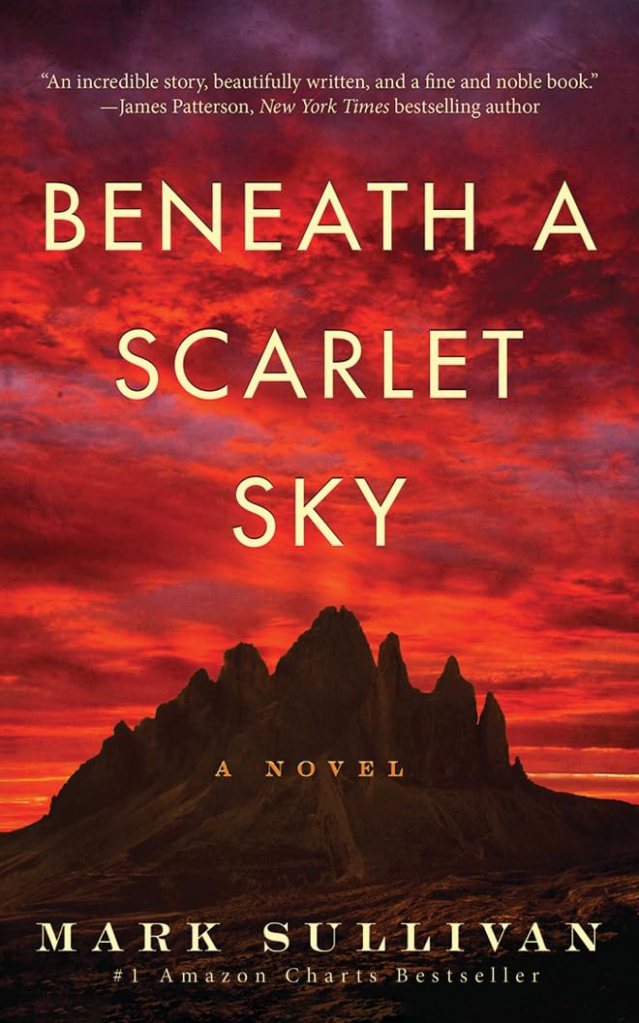
    Beneath a Scarlet Sky is based on the extraordinary true story of Pino Lella, a young Italian who becomes involved in the resistance during World War II. I was drawn to this book because it promised to explore a part of history we don’t often see in fiction, the Italian perspective of the war. First published in 2017, it became a bestseller thanks to word of mouth, book clubs, and its blend of history and human drama. From the opening pages, it’s clear that this is not only a story of survival but also of courage, sacrifice, and the quiet heroism of ordinary people.

    What I Liked:
    The strongest part of the novel is its subject matter. Pino’s journey, from helping Jews escape across the Alps, to becoming the driver for a Nazi general, reads like something from a film, yet it’s rooted in fact. I appreciated how Sullivan highlighted the bravery of a teenager forced to make impossible choices in the face of unimaginable danger. The descriptions of Italy’s landscapes—the mountains, the ruined cities, the everyday lives disrupted by war—were vivid and cinematic. It’s also a deeply emotional read; Pino’s love story with Anna added a tender thread of humanity amidst the brutality of war.

    What I didn’t Like:
    At times, the writing itself felt uneven. The story is so remarkable that it sometimes outshines the prose, which can veer into clunky or straightforward rather than lyrical. Some of the dialogue didn’t always feel natural, and occasionally I wanted more depth to the characters beyond their actions. Still, the sheer power of Pino’s story carried me through.

    📚 Why You Should Read This Book:
    If you enjoy historical fiction that sheds light on lesser-known aspects of World War II, this is a must-read. It’s the kind of story that makes you pause and wonder why we haven’t heard more about heroes like Pino. Fans of The Nightingale by Kristin Hannah or All the Light We Cannot See by Anthony Doerr will find much to admire here.

    💭 Final Thoughts:
    Beneath a Scarlet Sky is one of those novels where the true story is so compelling, it almost doesn’t matter if the writing style isn’t perfect. It reminded me that even in the darkest times, acts of bravery and love can shine through. I came away moved, informed, and with a greater appreciation of a forgotten corner of history.

    🛍️ Where to buy
    To buy your own copy click HERE of HERE

    Final Rating ★★★★ –

  • 👀 First impressions:
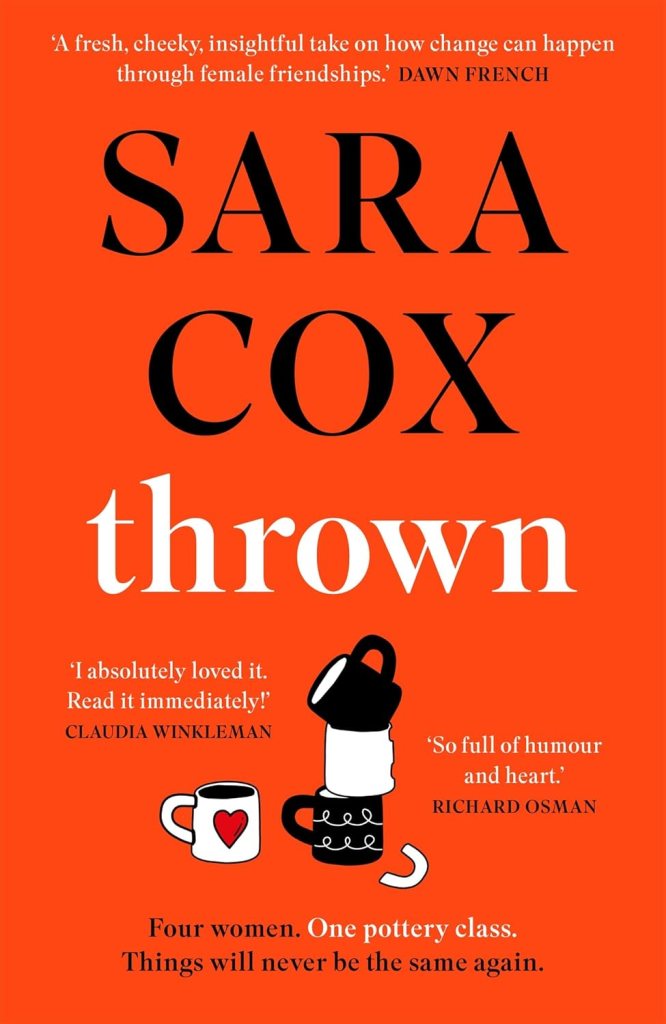
    Thrown by Sara Cox is her debut novel, a charming slice of life set around a pottery class in a small northern town. I’ve been listening to Sara on the radio for years, her warmth and humour have always made her one of my favourites, and I was curious to see how that translated onto the page. She also presents a book show on the BBC, so it felt natural that she’d eventually bring her love of stories into her own writing. From the very first chapter, it almost felt like I could hear her voice in my head narrating the story, with the same wit and friendliness she brings to the airwaves. The novel follows four very different women, Becky, Sheila, Jameela, and Connie, who come together through a local pottery class. What begins as a tentative gathering of strangers quickly becomes a tale of friendship, secrets, and second chances.

    What I Liked:
    .I loved how Cox captured the quiet bravery of ordinary lives. Each woman has her own struggles. grief, loneliness, family pressures, and yet the pottery class becomes a safe place where they can find connection. The banter felt authentic, full of Northern wit, and the descriptions of the pottery process were surprisingly soothing to read. There’s a real sense of community that shines through, and I found myself rooting for every character in their own way.

    What I didn’t Like:
    While I enjoyed each woman’s story, some threads felt stronger than others. A couple of characters had beautifully drawn arcs that really pulled me in, while others felt a little underexplored by comparison. It’s the kind of novel that shines in its group moments, but occasionally I wished for more time with the quieter voices in the mix.

    📚 Why You Should Read This Book:
    If you like cosy, character-driven fiction in the vein of Joanna Cannon or Beth O’Leary, this book will be right up your street. It’s not just about pottery, it’s about friendship, healing, and finding joy in unexpected places. This would be a great comfort read, especially if you want something heartwarming without being too saccharine.

    💭 Final Thoughts:
    Thrown is a lovely debut that feels grounded in real life but still manages to offer a bit of escapism. Cox has a talent for writing characters you’d happily sit and have a cup of tea with. As someone who has listened to her on the radio for years, it was a real treat to feel her voice and humour come through on the page, it made the book feel that much more personal.

    🛍️ Where to buy
    To buy your own copy click HERE

    Final Rating ★★★★ – A warm, witty, and comforting debut that celebrates friendship and community.

  • 👀 First impressions:
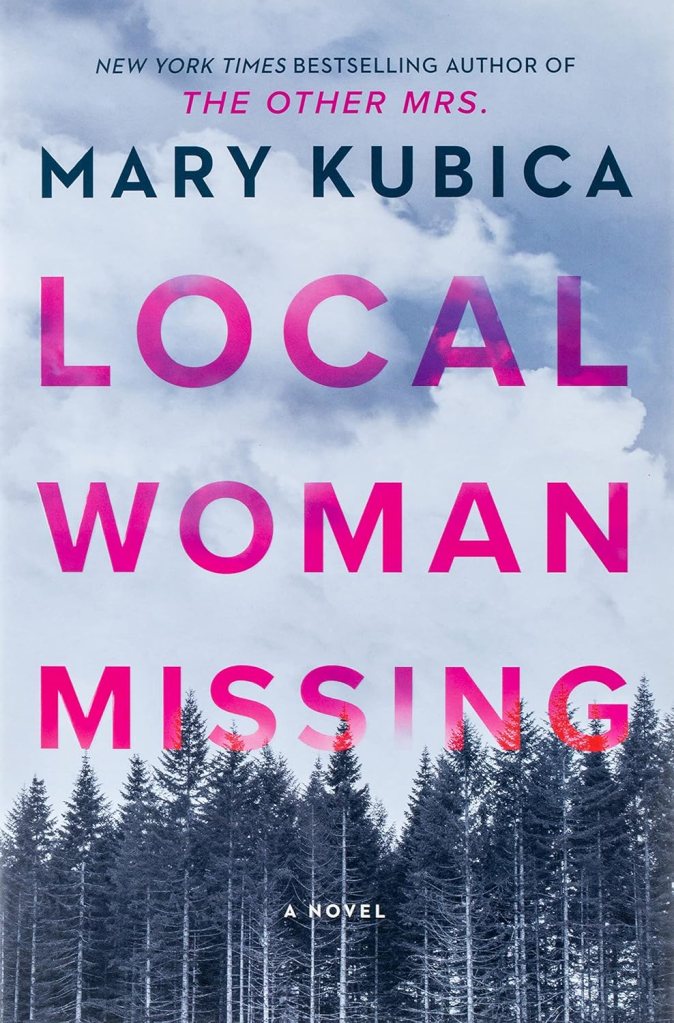
    I went into Local Woman Missing expecting a twisty, small-town thriller — and Mary Kubica absolutely delivered. Set in a quiet suburb, the story follows the disappearance of two women, Shelby Tebow and Meredith Dickey, and Meredith’s six-year-old daughter, Delilah. Eleven years later, Delilah suddenly reappears, disoriented, traumatised, and silent about what happened. The book unravels the mystery through multiple timelines and narrators, including Delilah’s brother, Leo, who has grown up in the shadow of his sister’s disappearance. Kubica has a reputation for slow-burn suspense that pays off in shocking twists, and this novel fits that mould. It’s eerie, emotionally tense, and full of secrets hidden behind perfect neighborhood façades.found family.

    What I Liked:
    I loved the way Kubica wove multiple points of view and timelines together to build tension. Leo’s perspective was especially heartbreaking, adding emotional depth beyond the central mystery. The atmosphere of dread that hangs over the neighborhood is beautifully done, making every character feel a little untrustworthy. And then there’s the big twist, I won’t spoil it, but I genuinely gasped when it hit. Kubica’s reveals can sometimes be hit or miss, but this one worked for me.

    What I didn’t Like:
    The opening third of the book moves quite slowly as it sets up the characters and their world, and readers craving immediate action might struggle to stay hooked. There were also moments where character decisions stretched believability, particularly when it came to keeping secrets that could have changed everything. While the ending lands with impact, the final wrap-up felt a touch rushed after such a careful and tense build-up.

    📚 Why You Should Read This Book:
    If you love domestic thrillers with emotional weight, secrets lurking behind closed doors, and a twist that makes you rethink everything, this one is worth picking up. It will particularly appeal to readers who enjoy authors like Lisa Jewell, Gillian Flynn, or Freida McFadden and don’t mind a story that simmers slowly before it explodes.

    💭 Final Thoughts:
    Local Woman Missing is a dark, tense, and twist-filled ride that explores grief, family bonds, and how far people will go to protect their own. While it takes time to build momentum and asks for a bit of suspended disbelief, the payoff is satisfying and memorable.

    🛍️ Where to buy
    To buy your own copy click HERE

    Final Rating ★★★★ – A slow-burn thriller with a killer twist

  • Photo by Dan Parlante on Unsplash

    Every so often, a book hands you a heroine who’s just… a little off. Maybe she’s morally slippery, maybe she’s socially awkward in the most watchable way, or maybe she’s just marching to the beat of her own strange little drum. Today’s picks are for readers who love a female main character who’s weird, wild, or wonderfully unpredictable.

    🕵️‍♀️ None of This Is True — Lisa Jewell

    Alix Summers, a successful true-crime podcaster, bumps into Josie Fair at a restaurant and discovers they’re “birthday twins.” Josie seems quiet and unassuming at first, but soon wriggles her way into Alix’s life, dropping unsettling hints about her past and pushing for an interview. The more Alix records, the stranger and darker Josie becomes, until the lines between storyteller and subject blur completely.

    🧵 Yellowface — R.F. Kuang

    June Hayward, a struggling writer, witnesses the sudden death of her far more successful friend Athena Liu, and steals Athena’s unpublished manuscript. As June rides the wave of literary fame under a new, racially ambiguous pen name, her paranoia grows. She’s defensive, delusional, and weirdly compelling, giving us a front-row seat to self-sabotage and the darkly comic side of ambition.

    🎭 Bunny — Mona Awad

    Samantha Mackey feels like an outsider in her ultra-elite MFA writing program, until the clique of saccharine, creepy “Bunnies” invites her into their world. Soon she’s swept into their cult-like workshops where imagination bleeds into reality, stuffed animals come to life, and art and horror mingle. Samantha herself is sharp, lonely, and increasingly unhinged in a way that’s hypnotic and strange.

    🧟‍♀️ Plain Bad Heroines — Emily M. Danforth

    Dual timelines, a cursed early-1900s girls’ school and a modern-day horror film about it, feature queer, eccentric, complicated women. The FMCs are messy, artistic, and just strange enough to keep you on edge as the book blends metafiction, satire, and haunted-house vibes.

    🖤 My Year of Rest and Relaxation — Ottessa Moshfegh

    The unnamed narrator has everything: beauty, money, a Manhattan apartment — and a deep desire to check out of life entirely. She embarks on a year-long experiment of drug-induced sleep, fueled by a wildly unethical psychiatrist and a nihilistic worldview. Detached, self-absorbed, and strangely magnetic, she’s a heroine who will fascinate you even as you side-eye her every choice.

    💡 Final Thoughts

    If you love a heroine who’s twisted, unpredictable, or just plain odd, these reads deliver. Some are darkly funny, some are eerie and atmospheric, and all of them centre women you’ll never forget, even if you’re not sure you’d want to meet them in real life.

  • 👀 First impressions:
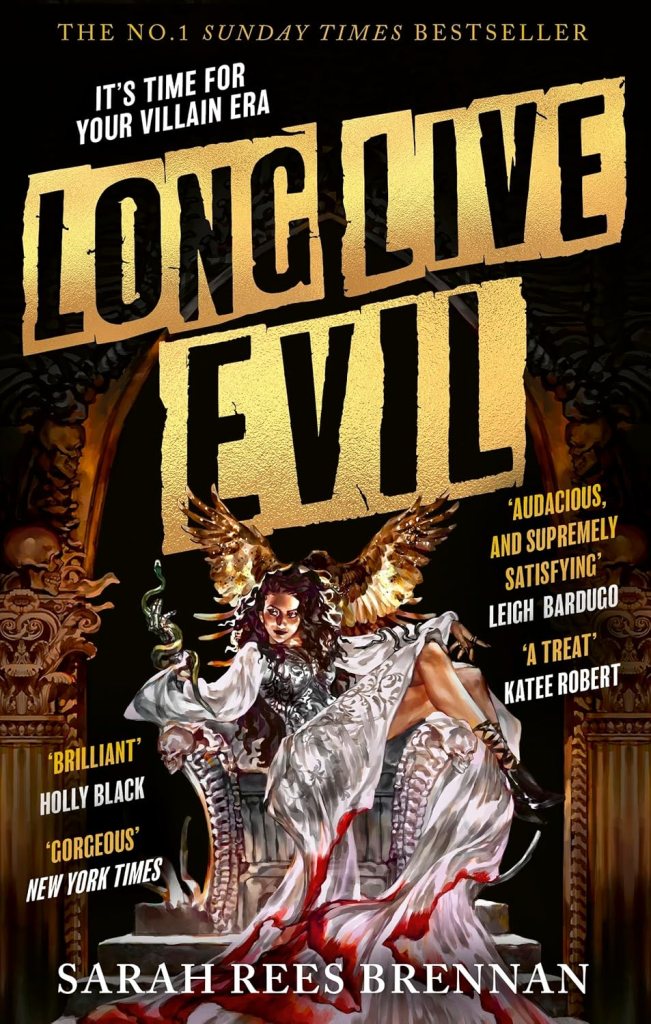
    Sarah Rees Brennan is known for her witty, fast-paced writing, and Long Live Evil immediately promises a fresh spin on classic villain tropes. The premise hooked me right away: what if the so-called “bad guys” weren’t quite as evil as the stories made them seem? The title alone sets the stage for a mischievous, tongue-in-cheek look at morality, power, and rebellion. Going in, I expected a book that would both entertain and play cleverly with genre conventions.

    What I Liked:
    The strongest element here is the author’s voice, sharp, funny, and bursting with energy. Brennan has a knack for dialogue that sparkles with wit, and I often found myself smiling at the banter. The meta-commentary on villains and heroes is a highlight, making it perfect for readers who enjoy subversive takes on fantasy archetypes. There are moments of real heart beneath the humour too, and I appreciated the exploration of identity and choice.

    What I didn’t Like:
    he pacing was inconsistent. The book starts strong but sometimes gets bogged down in too much quirkiness, which pulled me out of the story. I also found the characters a little uneven, some were brilliantly vivid, while others felt underdeveloped. The constant stream of jokes, though often clever, occasionally undercut the more serious moments, leaving the emotional beats less impactful than they could have been.

    📚 Why You Should Read This Book:
    If you love self-aware fantasy, villain-centered narratives, and witty, banter-filled prose, Long Live Evil is worth adding to your TBR. It feels especially tailored to fans of authors like Gail Carriger or Holly Black, writers who balance humor with darker edges. This isn’t a book that takes itself too seriously, and that’s part of the fun.

    💭 Final Thoughts:
    Long Live Evil is playful, sharp, and full of clever commentary on villainy. While it doesn’t always land its tone and pacing, it offers enough charm and wit to make it an enjoyable read. A solid middle-ground novel, not a new favourite, but one I’m glad I picked up.

    🛍️ Where to buy
    To buy your own copy click HERE

    Final Rating ★★★ – Fun but uneven villainy