• Photo by Georgiana Pop (Avram) on Unsplash

    The night air smells like smoke, the sky flickers with gold and red, and somewhere, a sparkler is tracing bright shapes in the dark. Bonfire Night has always been about fire and memory — rebellion, secrecy, and the stories that survive the flames.

    This week, we’re diving into books that carry that same energy: revolutions both quiet and loud, betrayals that smoulder beneath the surface, and the heat of change burning through every page.

    1. V for Vendetta by Alan Moore and David Lloyd

    Remember, remember the fifth of November.

    This graphic novel is a cult classic for good reason. Set in a dystopian Britain ruled by a fascist regime, it follows a masked vigilante known only as V, who plots to bring down the government. The imagery of Guy Fawkes’ mask has since become an icon of rebellion across the world. Moore’s writing is razor-sharp, questioning power, identity, and the cost of freedom. For Bonfire Night, there’s no story that fits the mood better, a tale born from the flames of resistance.

    2. Fingersmith by Sarah Waters

    Victorian secrets and shocking twists, lit by gaslight and deceit.

    Dark, seductive, and utterly enthralling, Fingersmith plunges readers into a Victorian world of thieves, orphans, and secret schemes. Sue Trinder, raised among pickpockets, agrees to con a wealthy heiress, only to find herself caught in a web of deception and desire. Waters’ prose crackles with tension, and her plot twists are explosive. Like a box of fireworks, this novel lures you in with beauty before everything bursts apart in dazzling chaos.

    3. The Familiars by Stacey Halls

    Witch trials, suspicion, and survival , history with a spark of magic.

    Inspired by the real Pendle witch trials of 1612, The Familiars tells the story of Fleetwood Shuttleworth, a young noblewoman desperate to protect her unborn child. When she befriends a midwife accused of witchcraft, their fates intertwine against a backdrop of fear and superstition. Halls’ lush historical detail and feminist perspective make this novel a glowing ember of defiance. It’s a perfect pick for readers who love their history laced with danger and quiet rebellion.

    4. His Bloody Project by Graeme Macrae Burnet

     A crime. A confession. A community in flames.

    Set in a remote Highland village in 1869, this Booker-shortlisted novel begins with a brutal triple murder, and the confession of the young man accused. But nothing is as simple as it seems. Told through police reports, witness statements, and diary entries, it’s a chilling puzzle about class, isolation, and truth. Like the flicker of a bonfire in the wind, Burnet’s narrative constantly shifts perspective, leaving you questioning who really struck the match.

    5. The Shadow of the Wind by Carlos Ruiz Zafón

    For those who love secrets hidden in smoke and ash.

    In post–Civil War Barcelona, a boy named Daniel discovers a forgotten novel that changes his life — and leads him into a dangerous mystery surrounding the book’s vanished author. Zafón’s writing is both gothic and romantic, full of rain-slicked streets, candlelit libraries, and haunting memories. This is a love letter to books and storytelling itself, best enjoyed with a blanket, a cup of cocoa, and the faint pop of fireworks outside your window.

    Final Thoughts

    Bonfire Night reminds us how history is written, and rewritten, by those who dare to speak, fight, and dream. These stories, filled with rebellion and revelation, will warm your heart while stirring your mind. Whether you’re by a bonfire or wrapped up indoors, let these books spark your imagination long after the last ember fades.

  • 👀 First impressions:
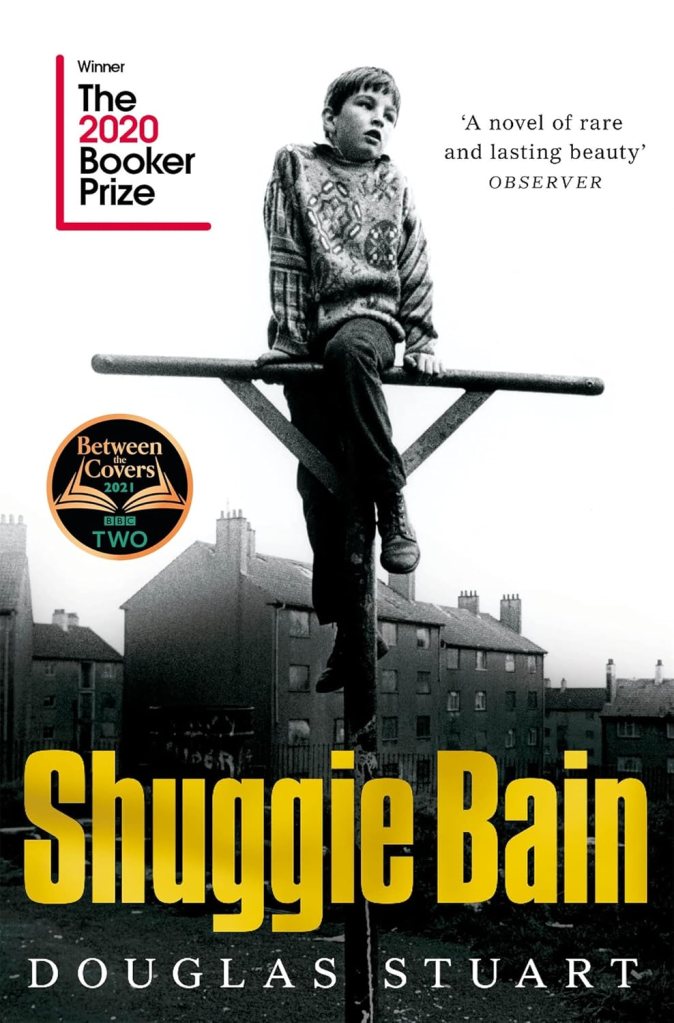
    Shuggie Bain is a raw and deeply moving novel set in 1980s Glasgow, a city scarred by industrial decline and social decay. It follows young Hugh “Shuggie” Bain as he grows up in a working-class family struggling to survive. His mother, Agnes, is beautiful, proud, and addicted to drink. She dreams of a better life, one filled with glamour and dignity, but those dreams slowly crumble under the weight of poverty and isolation.

    Douglas Stuart writes with a clarity and compassion that immediately draws you in. From the first pages, it is clear this is not just a story about addiction but a story about love and endurance. The relationship between Shuggie and Agnes is tender, painful, and unforgettable. The novel paints a vivid picture of a city and a family on the edge, yet it never loses sight of the human heart beating within it.

    What I Liked:
    The emotional honesty of Shuggie Bain is remarkable. Stuart captures the daily grind of poverty in Glasgow with precision, but he also finds moments of grace and humour in the bleakness. The world feels completely real, from the grey streets to the suffocating high-rise flats, and the characters live and breathe beyond the page.

    Agnes is one of the most tragic yet magnetic figures I have read in years. Her pride and vulnerability make her both infuriating and deeply sympathetic. Shuggie, gentle and steadfast, becomes her caretaker long before he should have to be. Their bond, shaped by love and disappointment, is at the heart of everything.

    The writing is lyrical without losing authenticity. Stuart balances dialect and rhythm beautifully, creating dialogue that feels natural while still carrying emotional weight. The novel also explores masculinity and identity with subtlety, as Shuggie, a sensitive boy often described as “not right,” navigates a world that demands toughness and conformity.

    What I didn’t Like:
    There is very little that feels misplaced in this novel, though it is undeniably heavy. The relentless suffering can be difficult to read, and some readers may find it emotionally draining. The pacing occasionally lingers in scenes that emphasise misery, which might feel repetitive to those who prefer lighter storytelling. However, that repetition mirrors the reality of the characters’ lives and reinforces the sense of entrapment that defines their world.

    It is a book that requires emotional stamina, but the payoff is immense. The final chapters are devastating yet quietly hopeful, offering a sense of dignity that feels earned rather than imposed.

    📚 Why You Should Read This Book:
    If you are drawn to stories that explore the strength of human connection amid hardship, Shuggie Bain is essential reading. It is beautifully written, deeply empathetic, and filled with emotional truth. Fans of writers such as Alan Hollinghurst, James Kelman, or Hanya Yanagihara will appreciate its blend of realism and lyricism.

    It also stands as a love letter to working-class Glasgow, written with both affection and fury. Stuart captures not only the cruelty of poverty but also the tenderness of small acts of love that keep people going. It is easy to see why this debut won the Booker Prize. It is both specific and universal, a story about one boy and one mother that somehow speaks to the resilience of so many.

    💭 Final Thoughts:
    Shuggie Bain is not an easy read, but it is an extraordinary one. It is a story of love that refuses to give up, even when the world seems determined to crush it. Douglas Stuart writes with empathy and precision, turning tragedy into something luminous. The novel exposes the harsh realities of addiction and deprivation while celebrating the endurance of hope.

    It is a book that will stay with you long after you finish it. The pain of it lingers, but so does the beauty. Shuggie Bainreminds us that love, however imperfect, can still be the thing that saves us.

    🛍️ Where to buy
    To buy your own copy click HERE and HERE

    Final Rating ★★★★★ – A heartbreaking portrait of love, poverty, and resilience in Thatcher’s Glasgow.

  • 👀 First impressions:
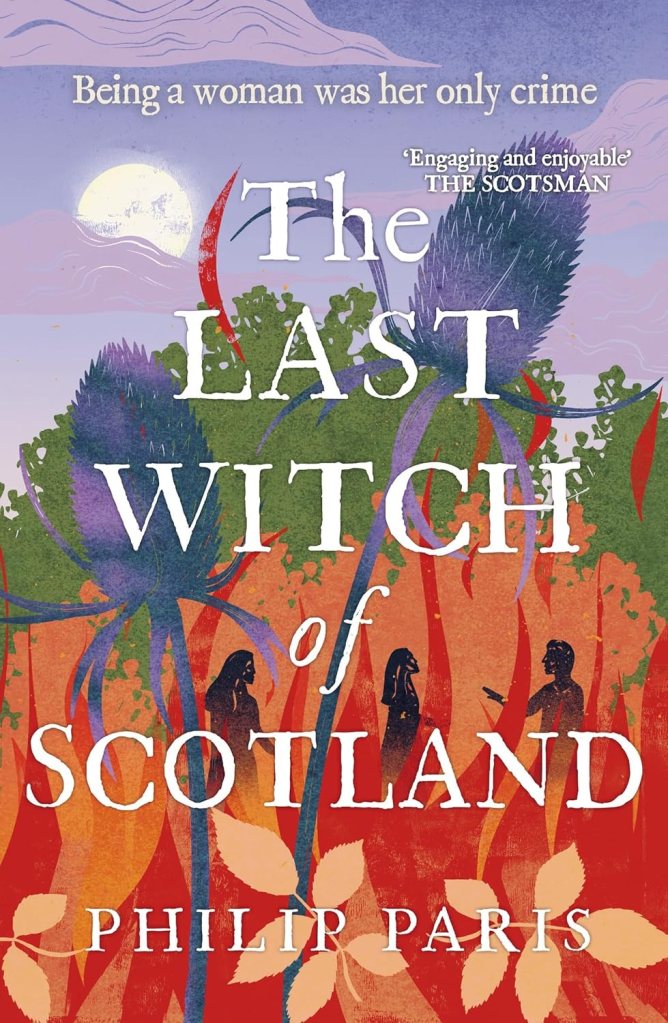
    Set in the remote Scottish Highlands in 1727, The Last Witch of Scotland tells the story of Aila and her mother Janet as they try to rebuild their lives after a fire kills Aila’s father and leaves her permanently scarred. They move to the parish of Loth in search of a fresh start, but soon discover that isolation brings its own kind of danger. When a new minister arrives and a group of travelling performers pass through, the quiet village begins to unravel under the weight of gossip and suspicion.

    The novel is inspired by the true story of Janet Horne, the final woman to be executed for witchcraft in Britain. From the first pages, Philip Paris captures the bleak beauty of the Highlands and the claustrophobia of small communities where faith and fear are inseparable. The sense of place is strong, the tension ever-present, and the historical foundation immediately compelling.

    What I Liked:
    The strongest aspect of the novel is its atmosphere. Paris creates a vivid picture of the 18th-century Highlands, full of cold winds, smoke-filled cottages, and unspoken judgment. The setting feels alive, both breathtaking and oppressive. Aila’s scars mark her as different, and her struggle for acceptance feels heartbreakingly real. The relationship between Aila and Janet is beautifully written, layered with guilt, love, and quiet endurance.

    I also admired how the story handles the witch-trial theme. Rather than leaning into the supernatural, it explores how hysteria can grow from ordinary fears. The portrayal of faith, superstition, and control feels grounded and thought-provoking. The novel is full of moral complexity and restraint, allowing readers to feel the dread without the need for spectacle.

    What I didn’t Like:
    Although the writing is beautiful, parts of the story feel predictable. The pattern of an outsider being misunderstood and condemned by a fearful community is familiar, and this makes some events easier to anticipate. The pacing in the first half is quite slow, which suits the tone but may test readers who prefer more momentum.

    A few supporting characters, including the minister and the travelling troupe, are less developed than Aila and Janet. Their roles serve the plot rather than adding much emotional depth, which occasionally weakens the tension in scenes that rely on them.

    📚 Why You Should Read This Book:
    Readers who enjoy historical fiction with a strong sense of place will find much to love here. The book combines emotional storytelling with rich historical detail and a haunting atmosphere. It will appeal to anyone interested in stories about women who defy expectations, about the price of difference, and about the cruelty that can come from fear.

    Fans of novels such as The Mercies by Kiran Millwood Hargrave or The Witchfinder’s Sister by Beth Underdown will find a similar blend of history, tragedy, and quiet strength. It is a thoughtful, slow-burning story that rewards patience and reflection.

    💭 Final Thoughts:
    The Last Witch of Scotland is a powerful and deeply moving piece of historical fiction. Through Aila’s story, Philip Paris examines how superstition and fear can divide communities and destroy lives. The writing is evocative, the characters believable, and the emotion genuine. While it does not offer many surprises, it leaves a lasting impression through its compassion and honesty.

    This is not a sensational tale of witchcraft but a quiet study of resilience, faith, and survival. It lingers in the mind long after the final page, like the echo of a prayer carried on the Highland wind.

    🛍️ Where to buy
    To buy your own copy click HERE and HERE

    Final Rating ★★★★ – A haunting Highland tale of faith, fear, and survival.

  • 👀 First impressions:
    Two Old Women by Velma Wallis is a hauntingly beautiful retelling of an Athabascan legend from Alaska. The story begins with a tribe facing brutal winter starvation. In their desperation, they abandon two elderly women, Sa’ and Ch’idzigyaak, deemed too weak to contribute. Left to die in the frozen wilderness, the pair must decide whether to accept their fate or fight for survival. What follows is a powerful journey of endurance, courage, and the rediscovery of forgotten strength.

    What I Liked:
    Wallis’s storytelling feels elemental, simple, clean, and deeply evocative, much like the icy landscapes she describes. The bond between the two women develops naturally as they relearn old skills and find purpose in their struggle. There’s something deeply satisfying in watching them defy both nature and the tribe’s expectations. The author’s respect for oral storytelling traditions shines through, making the tale feel both intimate and universal.

    What I didn’t Like:
    There isn’t much to criticise here, though readers looking for complex plots or expansive world-building might find the story’s simplicity too bare. It’s a short novella, and I almost wished it lingered longer on the women’s later years or the tribe’s shifting attitudes.

    📚 Why You Should Read This Book:
    If you love stories of resilience, indigenous folklore, or quiet character-driven narratives, Two Old Women is a must-read. It’s a perfect reminder that strength doesn’t fade with age, it deepens. This book would particularly appeal to fans of The Snow Child by Eowyn Ivey or Where the Crawdads Sing by Delia Owens, for its blend of wilderness survival and emotional depth.

    💭 Final Thoughts:
    Velma Wallis has crafted more than a survival story; it’s a celebration of wisdom, independence, and the power of the human spirit. Rooted in cultural heritage and delivered with elegant simplicity, Two Old Women is a small book with a vast heart.

    🛍️ Where to buy
    To buy your own copy click HERE

    Final Rating ★★★★★ – Frozen landscapes, fierce hearts

  • 👀 First impressions:
    Victorian Psycho is a gothic thriller that fuses the eerie atmosphere of 19th-century London with the twisted psychology of a killer’s mind. Virginia Feito delivers an intoxicating blend of murder, repression, and moral decay, drawing clear inspiration from classics like Dr. Jekyll and Mr. Hyde and The Picture of Dorian Gray. The story follows a seemingly respectable gentleman whose polite façade hides an unspeakable darkness. Feito writes with lush, almost decadent prose, perfectly evoking the grime and grandeur of the era.

    What I Liked:
    The atmosphere is outstanding, so richly drawn that you can almost smell the fog and coal smoke. Feito’s use of language feels authentic to the period without ever becoming heavy or inaccessible. The psychological tension builds beautifully, and the slow unraveling of the protagonist’s sanity is both horrifying and hypnotic. There’s also a subtle feminist undercurrent that adds depth, challenging the patriarchal norms of Victorian society.

    What I didn’t Like:
    While the pacing suits the gothic tone, the middle section lingers a little too long in introspection, slowing the momentum. Some readers might also find the violence more disturbing than expected; it’s not gratuitous, but it’s vividly portrayed.

    📚 Why You Should Read This Book:
    If you love gothic horror, morally complex characters, or the shadowy psychology of Victorian London, this is a must-read. It’s especially satisfying for fans of dark literary fiction who want something atmospheric yet emotionally charged.

    💭 Final Thoughts:
    Victorian Psycho is a gorgeously written, macabre exploration of duality, desire, and the monsters that live behind polite society’s masks. Feito’s command of tone and setting makes this a standout among modern gothic thrillers, a chilling, elegant page-turner that lingers long after the final chapter.

    🛍️ Where to buy
    To buy your own copy click HERE and HERE

    Final Rating ★★★★ – Atmospheric, intelligent, and chillingly elegant

  • 👀 First impressions:
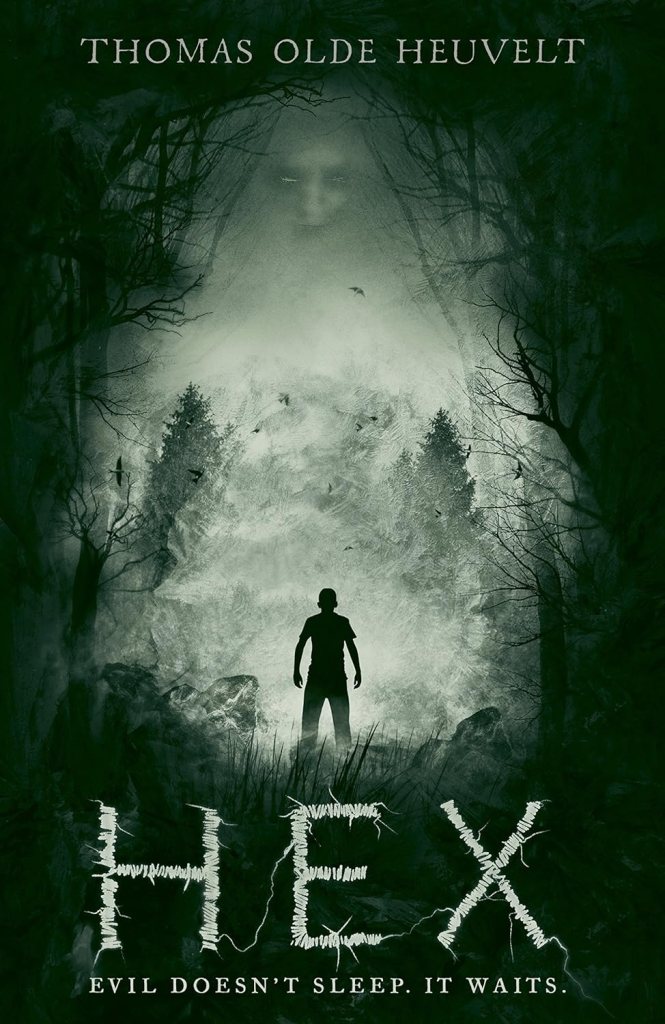
    If you’re looking for a book that truly earns its place on your Halloween reading list, Hex by Thomas Olde Heuvelt is it. This haunting novel blends folklore and modern life in a way that feels both timeless and terrifying. Set in the seemingly peaceful town of Black Spring, it follows residents who live alongside the ghost of a seventeenth-century witch, Katherine van Wyler. Her eyes and mouth are sewn shut, and she roams freely through homes and streets, a silent, horrifying reminder that the town’s curse never sleeps.

    But what makes Hex especially chilling is how Heuvelt modernises the ghost story. The townspeople use an app to monitor the witch’s movements, enforcing curfews and secrecy to protect their secret from outsiders. It’s a fascinating and eerie mix of old-world superstition and digital-age paranoia.

    What I Liked:
    The concept is absolutely brilliant. Heuvelt’s world-building feels disturbingly plausible, showing how fear can become part of daily life when people convince themselves it’s “normal.” The blend of ancient curse and modern surveillance hits hard, especially in an era when everything is recorded and shared.

    The atmosphere is perfectly autumnal, claustrophobic, eerie, and full of creeping dread. The witch herself is unforgettable, more terrifying for her silence than any act of violence. I also loved how Heuvelt uses her as a mirror for the town’s moral decay. The real monster isn’t Katherine, it’s the community’s complicity and cruelty.

    What I didn’t Like:
    The final act veers sharply into chaos and violence, which might be too much for readers who prefer slow-burn tension. The tone becomes darker and more disturbing, but it fits the book’s descent into madness. Hex isn’t cosy horror; it’s the kind that leaves you unsettled long after you turn out the light.

    📚 Why You Should Read This Book:
    Because it’s perfect Halloween reading, haunting, clever, and packed with atmosphere. Hex is what happens when The Crucible meets Black Mirror, a story that explores how easily fear and power can corrupt even the most ordinary places.

    💭 Final Thoughts:
    Hex is a masterclass in modern horror. Thomas Olde Heuvelt redefines what it means to live with a curse, reminding us that evil doesn’t just haunt, it adapts. Read it by candlelight, on a stormy night, and don’t be surprised if you find yourself checking the corners of your room before bed.

    🛍️ Where to buy
    To buy your own copy click HERE and HERE

    Final Rating ★★★★ – A chilling and thought-provoking Halloween read that blends folklore and modern fear with unforgettable precision.

  • 👀 First impressions:
    American Pastoral by Philip Roth is one of those novels that stays with you long after you finish it, not because it’s comforting, but because it refuses to be. It tells the story of Seymour “Swede” Levov, a man who seems to have it all: success, family, and the American dream. But when his daughter becomes involved in a violent act of political protest during the Vietnam War, that idealised life begins to crumble.

    Roth uses this personal tragedy to explore something much bigger, the slow unravelling of postwar American optimism. It’s a story about identity, disillusionment, and the impossible task of maintaining perfection in a world built on chaos.

    What I Liked:
    Roth’s writing is razor sharp. Every sentence feels deliberate, packed with meaning and rhythm. He captures both the beauty and the absurdity of the “American dream,” dissecting it with intelligence and empathy. Swede Levov is an unforgettable character, an emblem of decency and denial, trying to hold his world together while everything around him fractures.

    I also loved how the novel layers perspectives. Through the framing of Roth’s recurring narrator, Nathan Zuckerman, we see Swede’s story from a distance, like an echo of a national myth. This structure gives the novel its haunting, almost elegiac tone.

    Roth’s portrayal of generational conflict, particularly between Swede and his daughter Merry, is both devastating and human. It’s about love, ideology, and the limits of understanding between parents and children.

    What I didn’t Like:
    It’s a demanding read. The prose, while brilliant, can be dense and heavy at times, and Roth’s long, introspective passages may test a reader’s patience. There’s also a certain coldness to the narrative that can make it hard to connect emotionally in places, though that detachment seems intentional.

    📚 Why You Should Read This Book:
    Because it’s one of the defining novels of twentieth-century American literature. American Pastoral doesn’t just tell a story, it interrogates a nation’s mythology. If you’re interested in big, ambitious novels that wrestle with morality, identity, and loss, this is essential reading.

    💭 Final Thoughts:
    American Pastoral is an intellectual and emotional powerhouse. Roth captures both the dream and the disillusionment of America with precision and fury. It’s not an easy book, but it’s a brilliant one, tragic, reflective, and painfully relevant.

    🛍️ Where to buy
    To buy your own copy click HERE and HERE

    Final Rating ★★★★ – A beautifully written and haunting portrait of the American dream unravelled.

  • Photo by ErnAn Solozábal on Unsplash

    This week’s What to Read Wednesday shines a light on Black female authors whose words challenge, comfort, and captivate. From powerful coming-of-age tales to sharp social commentary, these voices explore identity, love, resilience, and joy in all their forms. Whether you’re diving into classics or discovering new favourites, these books are essential reads that stay with you long after the final page.

    1.  Girl, Woman, Other by Bernardine Evaristo

    A vibrant, interconnected portrait of twelve British women, Girl, Woman, Other is a masterpiece of rhythm and empathy. Evaristo’s prose dances between poetry and narrative, exploring race, gender, and class with humour and heart. Each story adds another thread to a tapestry of modern womanhood that feels both specific and universal.

    Read it if you love: multi-perspective storytelling, intersectional feminism, and writing that feels alive.

    2.  Queenie by Candice Carty-Williams

    Funny, raw, and full of heart, Queenie follows a young Black British woman navigating her career, relationships, and mental health after a painful breakup. Carty-Williams writes with a voice that feels both sharply modern and deeply honest, tackling heavy themes with warmth and wit.

    Read it if you love: messy, relatable heroines and stories that balance humour with vulnerability.

    3. Homegoing by Yaa Gyasi

    Spanning generations and continents, Homegoing traces the descendants of two Ghanaian half-sisters—one sold into slavery, the other married to a British coloniser. Gyasi’s storytelling is epic in scope but intimate in emotion, examining the lasting impact of history on family and identity.

    Read it if you love: sweeping historical fiction with emotional depth and lyrical writing.

    4. Such a Fun Age by Kiley Reid

    Part social satire, part character study, this novel explores privilege, performative allyship, and modern racism through the story of Emira, a young Black babysitter, and her well-meaning but misguided employer. Reid’s dialogue crackles with authenticity, making you question your own assumptions along the way.

    Read it if you love: contemporary fiction that mixes humour, insight, and uncomfortable truths.

    5. Manifesto: On Never Giving Up by Bernardine Evaristo

    Yes, she’s on the list twice—but with good reason. In this memoir, Evaristo reflects on her creative journey, activism, and what it means to persist as a Black woman artist in Britain. It’s honest, inspiring, and brimming with wisdom.

    Read it if you love: creative nonfiction, memoirs about resilience, and finding motivation through authenticity.

    Final Thoughts

    From lyrical epics to witty contemporary tales, these authors showcase the incredible range and power of Black female voices. They challenge stereotypes, celebrate joy, and demand to be heard. Whether you’re new to their work or revisiting old favourites, this is your reminder to diversify your bookshelf and listen to stories that expand your world.

  • 👀 First impressions:
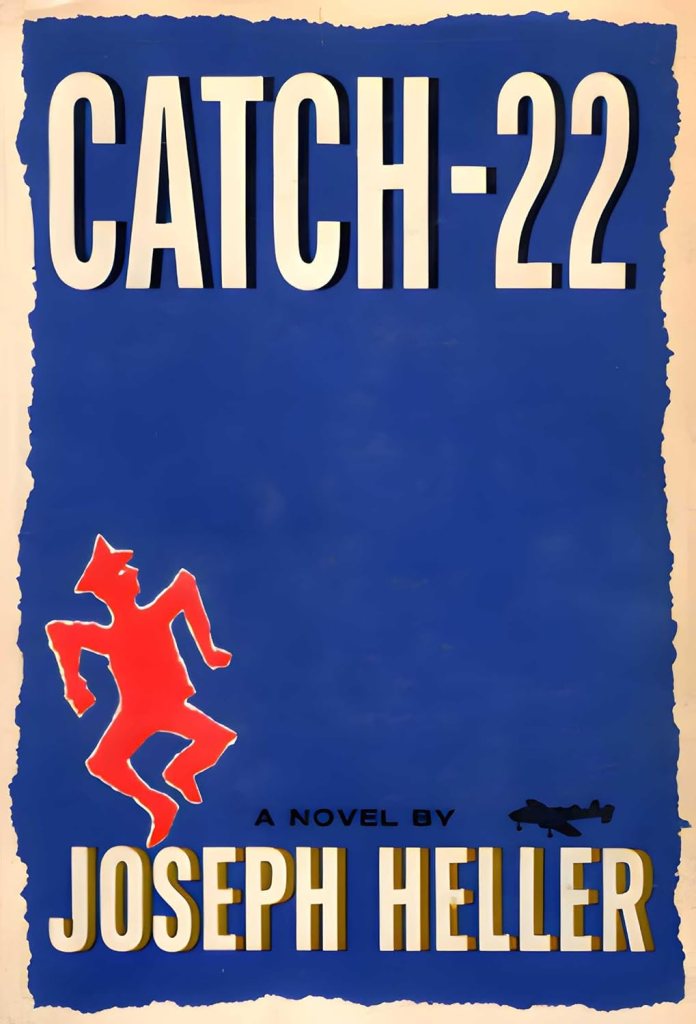
    Catch-22 by Joseph Heller is one of those novels that everyone’s heard of, but few realise just how wild and sharp it really is until they dive in. Set during World War II, it follows Captain John Yossarian, a U.S. Army bombardier desperately trying to survive the madness of war while everyone around him seems to be losing their minds, or perhaps they already have.

    From the very first chapter, Heller’s absurd, circular logic pulls you in. The infamous “catch” itself is simple but devastating: to be declared insane and grounded, a soldier must ask to stop flying missions, but asking proves he’s sane. It’s one of literature’s greatest paradoxes, and it perfectly captures the chaos, hypocrisy, and futility of bureaucracy.

    What I Liked:
    Heller’s writing is nothing short of genius. The dark humour, the looping conversations, and the sharp satire all work to show how absurd and dehumanising war can be. Every page feels like a balancing act between hilarity and horror. I laughed out loud more than once, only to be hit by something bleak and profound in the next paragraph.

    The cast of characters is huge and chaotic, but intentionally so. Each one represents a fragment of the insanity of military life, from the greed of Milo Minderbinder to the blind obedience of Colonel Cathcart. Heller captures the madness of systems where survival depends on contradictions and rules no one can win against.

    I also loved how the novel refuses to follow a straight timeline. It loops and folds in on itself, mirroring the confusion of Yossarian’s world. Once you accept the structure, it becomes part of the experience rather than a frustration.

    What I didn’t Like:
    It’s dense, and it demands patience. The nonlinear storytelling and overlapping scenes can feel disorienting at first, and the humour might not land for everyone. Some sections drag slightly, especially when the absurdity stretches to extremes. But the payoff is worth it if you stick with it.

    📚 Why You Should Read This Book:
    Because it’s one of the most important anti-war novels ever written. Catch-22 isn’t just about World War II; it’s about the systems that turn people into cogs, the contradictions that govern modern life, and the struggle to stay sane in an insane world. It’s biting, hilarious, and tragically timeless.

    💭 Final Thoughts:
    More than sixty years after its release, Catch-22 still feels fresh, funny, and frighteningly relevant. Joseph Heller captured something universal about human absurdity, and his wit cuts as sharply now as it did then. It’s a novel that rewards re-reading and lingers long after you close the last page.

    🛍️ Where to buy
    To buy your own copy click HERE and HERE

    Final Rating ★★★★★ – A darkly comic masterpiece that exposes the madness of war and the futility of reason with unmatched brilliance.

  • 👀 First impressions:
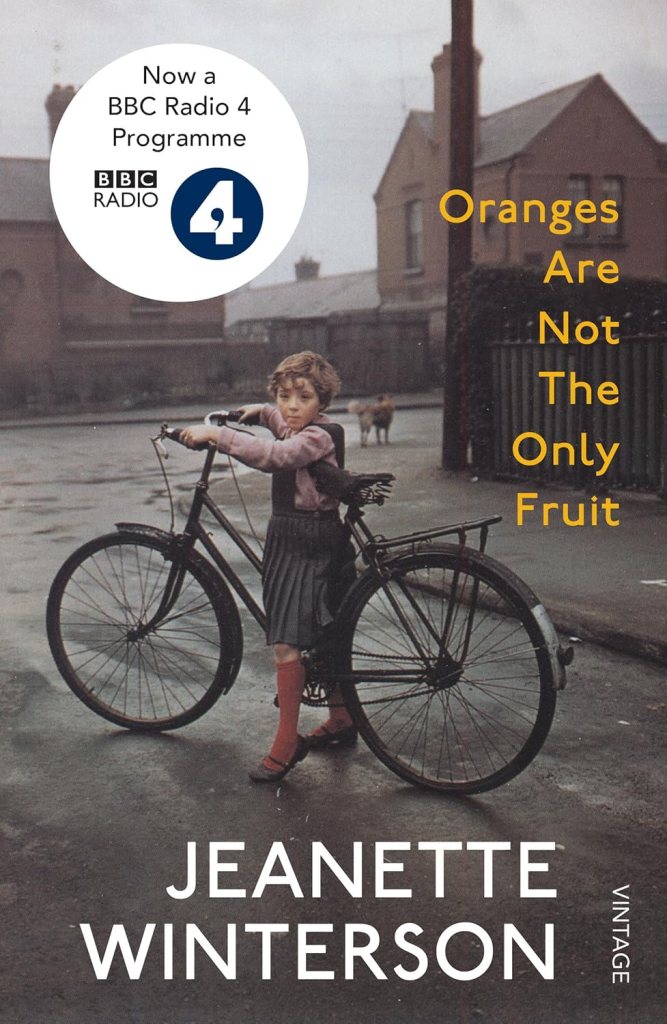
    Oranges Are Not the Only Fruit by Jeanette Winterson is one of those rare novels that feels both deeply personal and universally resonant. First published in 1985, it tells the story of Jeanette, a young girl growing up in a strict Pentecostal household in northern England, who begins to question both her faith and her identity as she discovers her attraction to other women.

    It’s part coming-of-age story, part spiritual exploration, and part fairytale. Winterson’s prose is lyrical and layered, full of wit, symbolism, and heart. Though semi-autobiographical, it never reads like a straightforward memoir; instead, it blurs the line between myth and memory to create something much richer.

    What I Liked:
    Winterson’s voice is extraordinary. She captures the confusion and courage of adolescence with both humour and heartbreak, turning what could be a story of repression into one of resilience. Her use of biblical allegory and folktale elements gives the novel a timeless, almost magical quality that mirrors Jeanette’s inner world.

    I also loved how unapologetically complex the book is. It doesn’t fit neatly into a genre or moral lesson. It’s about love in all its forms, romantic, familial, and divine, and the pain that comes when those loves collide. Winterson writes with tenderness and fire, and every page feels alive with both defiance and compassion.

    What I didn’t Like:
    There are moments where the narrative’s structure, moving between realism and allegory, can feel disorienting. Some readers might find the fable-like sections interrupt the emotional flow of Jeanette’s story. But once you settle into Winterson’s rhythm, the shifts make perfect sense and they are part of what makes the novel so distinct and memorable.

    📚 Why You Should Read This Book:
    Because it’s a landmark in LGBTQ+ literature and an enduring classic of British fiction. It’s as relevant now as it was when first published, tackling identity, belief, and self-acceptance with honesty and beauty. Whether you’re drawn to character-driven stories, feminist writing, or queer narratives, this book belongs on your shelf.

    💭 Final Thoughts:
    Oranges Are Not the Only Fruit is both tender and revolutionary. Winterson’s writing is fearless, funny, and profoundly human. It’s a novel about breaking free, finding your own truth, and learning that the world is wider and more colourful than the one you were told to believe in.

    🛍️ Where to buy
    To buy your own copy click HERE and HERE

    Final Rating ★★★★★ – A brilliant, heartfelt story of identity, faith, and the courage to live authentically.